Key Takeaways
- Typical Contractor Price: A contractor-supplied furnace and AC replacement commonly costs about $11,000 to $17,000 in 2026.
- Buy-Direct Project Price: Purchasing matched equipment through HVACDirect and paying $1,500 to $3,000 for installation may bring the project total to about $5,800 to $10,500.
- Potential Estimated Savings: Many standard comparable projects may save approximately $4,000 to $8,000, or roughly 30% to 50%.
Replacing a heating and cooling system is a major home investment, and there is no single price that fits every house. In 2026, many homeowners can expect to pay about $5,000 to $22,000 or more for a professionally installed residential HVAC replacement. A straightforward equipment changeout may land near the low end. A complete, high-efficiency system with duct repairs, electrical upgrades or difficult access can exceed the high end.
How the equipment is purchased can also make a meaningful difference. For a common full-system project—such as replacing a central air conditioner and gas furnace while keeping usable ductwork—a turnkey contractor-supplied project may cost about $11,000 to $17,000. Purchasing a matched system through HVACDirect and paying a typical $1,500 to $3,000 for professional installation may lower the estimated project total to about $5,800 to $10,500, including a planning allowance for standard materials, permits and disposal.
On many standard qualifying projects, that represents potential estimated savings of approximately $4,000 to $8,000, or roughly 30% to 50% compared with purchasing the equipment directly from the installing contractor. Actual savings depend on equipment selection, installer pricing and the work required at the home.
The short answer: how much can buying HVAC equipment direct save?
The traditional contractor model bundles equipment, sourcing, labor, overhead, warranty administration and profit into one turnkey quote. When homeowners purchase correctly matched equipment through HVACDirect, they see the equipment price separately and can obtain a local installation quote for the remaining work. This may reduce the markup applied to the equipment portion of the project.
Typical 2026 furnace-and-AC example
| Purchase approach | Estimated complete project cost | Estimated difference |
|---|---|---|
| Contractor supplies and installs the system | $11,000–$17,000 | Baseline |
| Equipment purchased through HVACDirect; qualified installer hired separately | $5,800–$10,500 | Potentially $4,000–$8,000 less on a typical comparable project |
For example, compared with a $14,000 turnkey contractor quote, a homeowner might spend approximately:
- $3,750 for matched equipment through HVACDirect;
- $2,250 for professional local installation;
- $1,100 for required installation materials;
- $450 for the permit, inspection and disposal; and
- $300 for delivery or miscellaneous project costs.
The estimated direct-purchase project total would be $7,850, producing an estimated savings of $6,150, or about 44%.
This is an illustrative comparison—not a guaranteed discount. The real calculation is:
Turnkey contractor quote − (HVACDirect equipment + local labor + materials + permits + delivery) = estimated savings
Homeowners should secure an installation quote and have the installer verify capacity, configuration and compatibility before ordering equipment.
2026 HVAC replacement cost at a glance
| System or project | Typical 2026 installed range* |
|---|---|
| Central air conditioner replacement | $5,500–$14,000 |
| Gas furnace replacement | $5,000–$10,000 |
| Central AC and gas furnace | $9,000–$18,000 |
| Ducted air-source heat pump and air handler | $8,000–$18,000 |
| Dual-fuel heat pump and gas furnace | $12,000–$22,000+ |
| Single-zone ductless mini-split | $3,500–$7,500 |
| Multi-zone ductless system | $8,000–$20,000+ |
| Packaged HVAC system | $8,000–$16,000 |
*Typical U.S. planning ranges for equipment, standard materials and professional installation. New duct systems, major home modifications, premium communicating controls and unusually difficult installations can raise the total. Local quotes may fall outside these ranges.
The word installed matters. An online equipment price and a contractor's finished-project price are not directly comparable. Installation may include removal, matched components, refrigerant piping, controls, condensate drainage, startup, permits and warranty-related commissioning.
What determines the cost of a new HVAC system?
1. Equipment type
A central air conditioner provides cooling and normally works with a furnace or air handler. A heat pump provides both cooling and heating, while a dual-fuel system pairs a heat pump with a gas furnace. Ductless systems use one outdoor unit and one or more indoor units.
Replacing only one part generally costs less than replacing an entire comfort system. However, the indoor and outdoor equipment must be an approved, properly matched combination. Keeping an old coil, air handler or furnace simply to reduce the initial price may reduce performance or make the proposed system an invalid match.
2. Efficiency and comfort features
Higher-efficiency equipment usually costs more upfront. Cooling efficiency is expressed as SEER2 and EER2; heat-pump heating performance uses HSPF2; furnace efficiency uses AFUE.
Price also rises as equipment moves from basic single-stage operation to two-stage, multi-stage or variable-capacity performance. Premium systems may provide more even temperatures, lower sound levels and better humidity control. The highest rating is not automatically the best value for every home, so compare estimated operating cost, climate, expected ownership period and comfort priorities.
3. System size and load calculation
Residential cooling capacity is commonly described in tons. Larger-capacity equipment generally costs more, but square footage alone is not enough to select a size. Insulation, windows, air leakage, ceiling height, orientation, occupancy and local design temperatures all influence the load.
Ask for a room-by-room or whole-home load calculation consistent with ACCA Manual J when appropriate. Oversizing can cause short cycling, noise, poor humidity removal and uneven comfort. Undersizing can leave the system struggling during extreme weather. Correct sizing protects both comfort and the equipment investment.
4. Installation complexity
A like-for-like replacement in an accessible basement or garage is usually less expensive than equipment located in a tight attic, crawlspace, closet or on a roof. Long refrigerant-line runs, cranes, drain corrections, new equipment pads, code-required platforms and extensive sheet-metal transitions add material and labor.
A conversion can add cost as well. Moving from a furnace and AC to an all-electric heat pump, changing equipment location or adding zoning requires more design work than a standard changeout.
5. Ductwork condition
Existing ducts can sometimes remain in service, but they need to carry the required airflow. Leaks, crushed flex duct, undersized returns, poor insulation and unbalanced branches can prevent new equipment from delivering its rated comfort and efficiency.
Minor sealing or transition work may add several hundred dollars. Substantial repairs can add a few thousand dollars, while a complete new duct system may add approximately $4,000 to $12,000 or more, depending on home size, access and region. Ask whether the quote includes duct inspection, static-pressure testing and any necessary modifications.
6. Electrical, gas and venting work
New equipment may require a disconnect, breaker, wiring, service receptacle or condensate safety switch. Heat pumps with electric auxiliary heat can require significant electrical capacity. If the panel or service is inadequate, a licensed electrician may be needed.
Furnace projects can require gas-line changes, shutoff upgrades, venting modifications or a new condensate drain for a high-efficiency condensing furnace. These items should be identified before work starts whenever possible.
7. Permits, inspections and disposal
Permit and inspection requirements vary by jurisdiction. A quote may also include recovery of the old refrigerant, removal and disposal of the existing equipment, and fees associated with local code compliance. Confirm these items in writing instead of assuming they are included.
8. Labor and regional differences
Labor is not just the hours spent placing equipment. A professional installation includes system design, delivery, refrigerant handling, brazing or approved connections, evacuation, charging, airflow setup, combustion checks where applicable, testing and customer orientation.
Costs tend to be higher in markets with high wages, stricter permitting, expensive insurance or intense seasonal demand. Climate matters too: hot regions may favor larger cooling systems and humidity control, while cold regions may require cold-climate heat pumps, backup heat or higher-capacity furnaces. Getting two or three detailed local proposals is the best way to understand the market around your home.
How the refrigerant transition and A2L systems affect 2026 pricing
The HVAC industry is transitioning away from many higher-global-warming-potential refrigerants. EPA technology-transition rules set a 700 GWP limit for new residential and light-commercial air-conditioning and heat-pump systems beginning in 2025, subject to the rule's product and installation provisions. As a result, much of the new equipment sold for 2026 uses lower-GWP refrigerants such as R-32 or R-454B.
These refrigerants are commonly classified as A2L, meaning lower toxicity and mildly flammable under the applicable safety classification. A2L does not mean homeowners should service the system themselves. Equipment, installation practices, tools and technician training are designed around the refrigerant used.
For homeowners, the transition may affect:
- equipment availability and model selection;
- whether indoor and outdoor components are compatible;
- required safety sensors or controls in certain applications;
- installation procedures, tools and technician training; and
- the price difference between remaining legacy inventory and current product lines.
Do not choose equipment on refrigerant alone. Ask which refrigerant the proposed system uses, whether every component is listed as a match and whether the contractor is trained and equipped for that system. Never mix components designed for different refrigerants.
Equipment price versus installed price
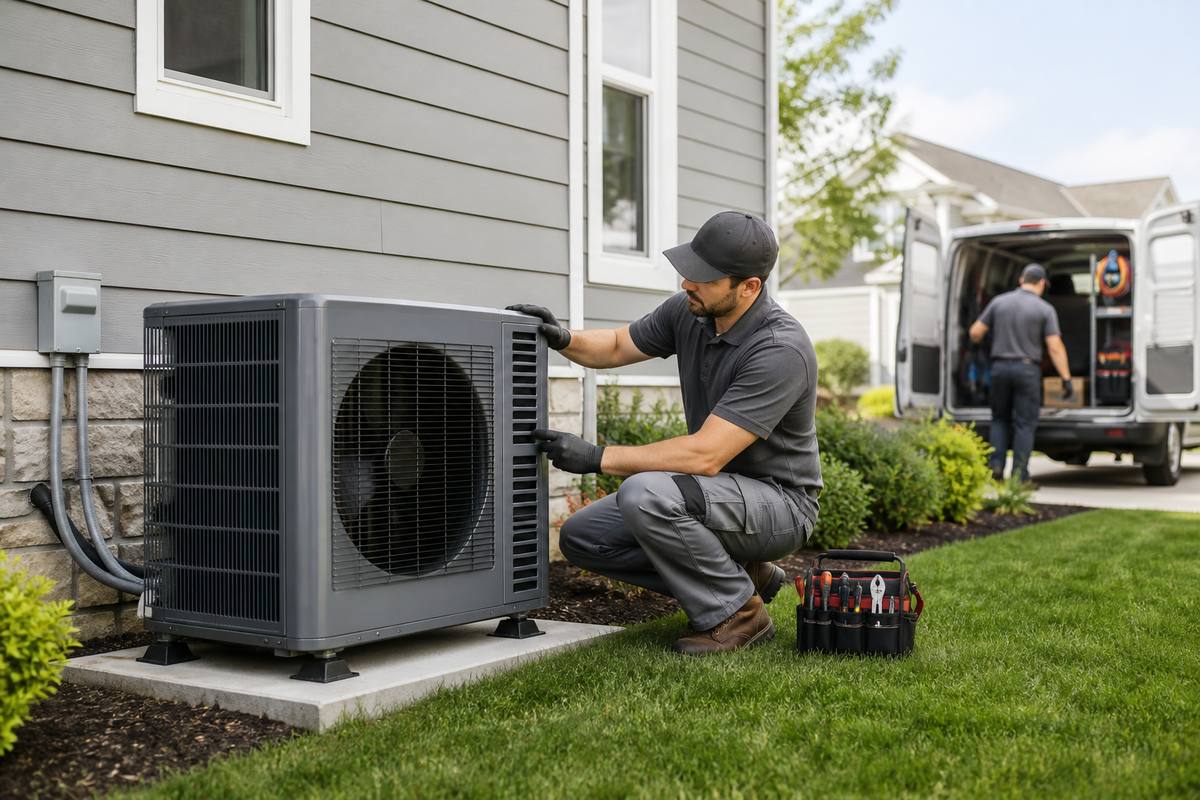
Buying HVAC equipment directly can make the equipment portion of the project more transparent. It does not eliminate the need for qualified installation. Depending on the system and site, a complete installed proposal can include:
- outdoor and indoor equipment;
- thermostat or communicating control;
- equipment pad, line-set materials and fittings;
- sheet-metal transitions and filtration components;
- electrical, drain, venting or gas materials;
- labor, startup and commissioning;
- permits, inspection and old-equipment disposal; and
- contractor-provided labor coverage.
Before purchasing, confirm that a qualified local professional will install customer-supplied equipment, that the selected components form a certified match and that warranty registration and documentation requirements can be met. HVACDirect can help homeowners compare equipment configurations and find the right matched-system components, while final sizing and installation decisions should be verified for the home.
A closer look at contractor-direct pricing vs. buying through HVACDirect
Homeowners generally have two ways to purchase a replacement system:
- Buy a turnkey project from a local contractor. The contractor supplies the equipment and materials, performs the installation and builds equipment sourcing, overhead, scheduling, warranty administration and profit into one proposal.
- Buy the matched equipment through HVACDirect and hire a qualified local installer. The homeowner purchases the equipment at a transparent online price, then contracts separately for labor, installation materials, permits and any site-specific work.
Buying through HVACDirect does not make installation optional. It changes how the project is purchased and may reduce the markup applied to the equipment portion of the job.
Illustrative 2026 comparison: 3-ton AC and gas-furnace replacement
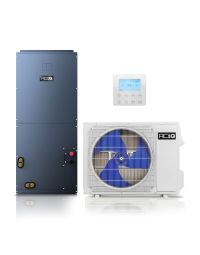
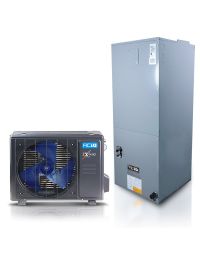
As of August 2026, one HVACDirect example—a 3-ton, 13.4 SEER2 ACiQ R-454B air conditioner, evaporator coil and 80% AFUE gas furnace package—was listed at $3,500 before optional accessories and site-specific installation items. Product prices and availability can change.
The following example assumes a standard replacement with usable ducts, ordinary access and no major electrical, gas or structural upgrades:
| Cost component | Turnkey contractor | Equipment through HVACDirect + local installer |
|---|---|---|
| Matched AC, coil and furnace | Included in quote | About $3,500–$5,700 |
| Professional installation labor | Included in quote | About $1,500–$3,000 |
| Standard materials, permit and disposal | Included in quote | About $800–$1,800 |
| Estimated project total | About $11,000–$17,000 | About $5,800–$10,500 |
| Potential estimated savings | — | Approximately $4,000–$8,000, or roughly 30%–50%, on many standard comparable projects |
These figures are an illustration, not a promise that every HVACDirect purchase will cost less. The fair comparison is turnkey total versus equipment plus every remaining project cost—not the online equipment price versus the contractor's complete installed price.
Actual savings may be smaller or larger than the example near the beginning of this guide. A difficult attic installation, duct replacement, panel upgrade, gas-line work, premium controls or additional accessories can narrow the difference. Conversely, a straightforward changeout and competitive local labor quote may produce greater savings.
What to confirm before buying equipment separately
- Find an appropriately licensed and insured installer who accepts customer-supplied equipment before placing the order.
- Have the installer verify the load calculation, capacity, airflow direction, voltage, fuel type, cabinet dimensions and component match.
- Ask the installer to specify all labor, accessories, materials, permits and startup work in writing.
- Confirm freight-inspection procedures, return terms and responsibility for storage or damage.
- Understand who handles manufacturer registration, parts claims and labor associated with a future warranty repair.
- Compare proposals with the same equipment performance and the same installation scope.
For homeowners willing to coordinate the equipment purchase and installation separately, HVACDirect can provide more control over product selection and equipment cost. Homeowners who prefer one company to manage the entire transaction may place greater value on a contractor's turnkey model. The better route depends on the available local installer, project complexity and the homeowner's desired level of involvement.
How to compare HVAC replacement quotes
The lowest total is not necessarily the lowest long-term cost. Compare written proposals line by line and look for:
- Exact model numbers. Verify the outdoor unit, coil, furnace or air handler, and thermostat.
- Certified system match. Ask for the AHRI reference number when applicable.
- Capacity and design basis. Understand how the contractor selected the equipment size.
- Efficiency ratings. Compare the rating of the complete matched system, not a single component's best possible rating.
- Scope of work. Confirm duct, drain, electrical, gas, venting, pad and line-set work.
- Permits and disposal. Make sure responsibilities and fees are clear.
- Commissioning. Ask how refrigerant charge, airflow, static pressure and controls will be verified.
- Warranty terms. Separate manufacturer parts coverage from contractor labor coverage and note registration deadlines.
- Payment and change orders. Get the deposit, milestones and process for unexpected work in writing.
Ways to control replacement cost without cutting corners
- Replace equipment before an emergency if an aging system is showing warning signs. Planning gives you time to compare compatible options and installers.
- Prioritize correct sizing, a certified match and quality installation before premium features.
- Ask for good/better/best proposals with the same clearly defined installation scope.
- Address major air leaks and duct problems so new equipment can perform properly.
- Check current utility, state and local incentives before ordering. Eligibility, approved-product lists and program funding can change.
- Compare lifetime value, not only the monthly payment or headline efficiency rating.
Frequently asked questions
What is the average cost to replace an HVAC system in 2026?
For budgeting, many residential replacements fall between $5,000 and $22,000+ installed. A central AC and gas-furnace replacement with usable existing ducts commonly falls around $9,000 to $18,000, but local scope and equipment choices control the final price.
Is it cheaper to replace the furnace and AC at the same time?
It can be. Combining projects may avoid duplicated labor and can make it easier to create a properly matched system. If one component is much newer and compatible with the proposed equipment, replacing only the failed side may still make sense.
How long does HVAC replacement take?
A straightforward changeout is often completed in one day, while a full system, conversion, duct project or work requiring multiple trades may take several days. Permit and equipment lead times are separate from on-site installation time.
Does a higher-SEER2 system always save enough to justify the price?
Not always. Savings depend on climate, electricity rates, usage, equipment sizing, duct condition and installation quality. Request an operating-cost comparison based on your location rather than relying only on the rating.
Should I repair or replace my HVAC system?
Consider age, repair cost, breakdown frequency, comfort, efficiency, refrigerant availability and how long you plan to stay in the home. A sound diagnosis and repair quote make the comparison more useful. Replacement becomes more attractive when a major component fails on an older system or several problems are accumulating.
Plan your 2026 HVAC replacement with confidence
A realistic HVAC budget starts with the whole project—not the equipment box alone. Identify the right system type and capacity, inspect the ducts and utilities, and compare complete installed scopes. When you are ready to explore matched air conditioners, furnaces, heat pumps, air handlers and ductless systems, HVACDirect makes it easier to compare equipment and efficiency options before working with a qualified installer.
Editorial note: Pricing is a national planning guide as of 2026 and can change with equipment, market conditions and local requirements. Always obtain a site-specific written quote. Refrigerant and code requirements should be confirmed with the authority having jurisdiction and a qualified HVAC professional.