
Key Takeaways
- Multi-speed motors improve comfort and efficiency over single-stage models: Multi-speed blowers offer different preset speeds for heating and cooling, reducing temperature swings and cycling frequency while enhancing comfort and energy use.
- Variable speed motors deliver the best performance: These blowers use ECM technology to adjust airflow continuously and precisely, providing superior energy efficiency, air quality, and noise control.
- ECM technology boosts HVAC system effectiveness: Electronically commutated motors enhance motor control, reduce energy consumption, and contribute to quieter, longer-lasting system performance.
- Cost vs. value depends on needs and budget: Multi-speed blowers are more affordable and sufficient for many homes, while variable speed blowers offer premium benefits that justify a higher upfront cost for long-term savings and comfort.
- Blower choice impacts air quality and maintenance: Variable speed systems filter air more consistently, improve humidity control, and reduce system wear, benefiting homes with allergy concerns or varying climate demands.
Article Contents
Are you considering upgrading your furnace blower but unsure whether a multi-speed or variable-speed option is right for your home? In this guide, we'll simplify these two popular choices so you can confidently select the best option for comfort, air quality, and savings.
Two popular choices of furnace blowers on the market today include the multi-speed blower and the variable speed blower. The type you choose largely depends on its operational efficiency and the price you want to pay. Before we go into the details, let’s go over what a furnace blower is.
What is a Furnace Blower?
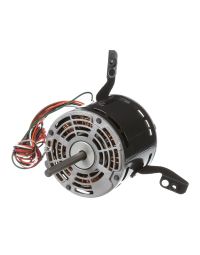
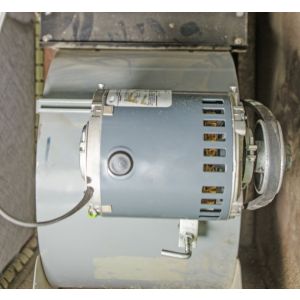
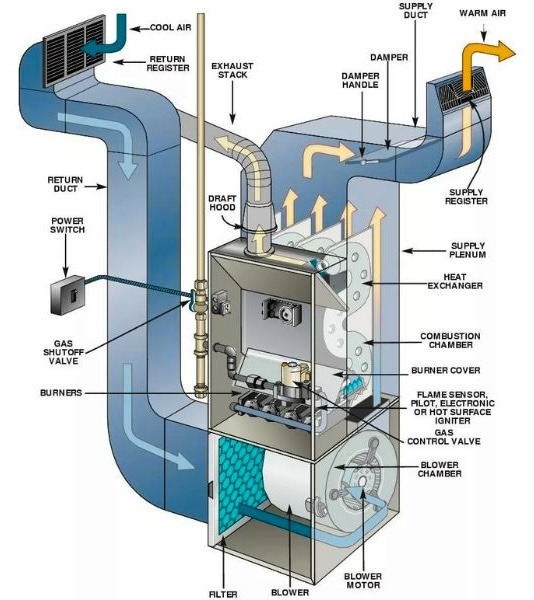
A furnace blower is the fan—and its driving motor—inside your HVAC system that moves air through the heat exchanger (or evaporator coil) and then pushes that conditioned air out into your home’s ductwork. Simply put, the blower circulates warm air in winter and cool air in summer to keep every room comfortable and consistent with your thermostat setting.
Why Furnace Blowers Matter
Even Comfort
Without a properly sized and functioning blower, some rooms will feel too hot or too cold. The blower ensures continual air circulation, reducing hot or cold spots and maintaining a consistent temperature throughout your home.
System Efficiency & Energy Savings
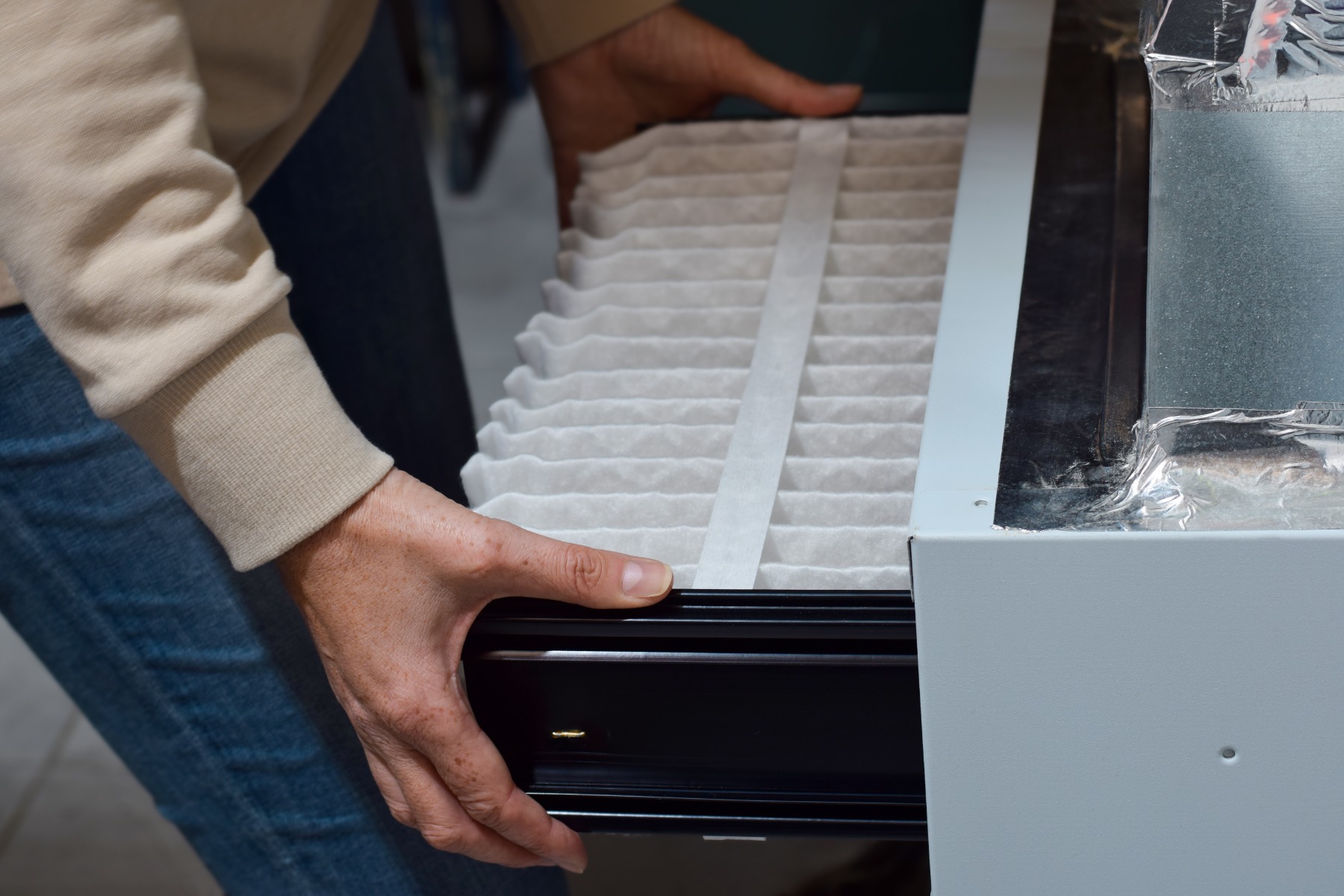
A properly functioning blower pulls return air through your HVAC filter, helping remove dust, pollen, pet dander, and other airborne particles—keeping your system efficient and your home cleaner.
Indoor Air Quality
By continuously circulating air through the system’s filter, blowers contribute to better air quality and reduce airborne contaminants in your living space.
Equipment Longevity
Proper airflow helps prevent the heat exchanger or evaporator coil from overheating or freezing, which reduces wear on components and extends the life of your system.
Types of Furnace Blowers
There are three main types of blower motors:
Single-Stage Blower Motors
Single-stage blowers operate at one speed—either completely on or off. This leads to uneven comfort, greater noise, and increased energy use due to frequent cycling on and off, resulting in less consistent temperature regulation throughout your home. These types of motors are considered outdated and aren’t used as much since HVAC technology has become more advanced.
Multi-Speed Blower Motors
Multi-speed furnace blowers overcome the inefficiencies of single-stage blowers by offering multiple operating speeds, typically one speed for heating and another for cooling. This flexibility provides more consistent home comfort and improved energy efficiency, making them a popular upgrade from older, single-speed models.
Variable Speed Blower Motors
Variable-speed blowers adjust their speeds continuously and precisely to match your home's specific heating and cooling needs at any given moment. Utilizing electronically commutated motors (ECMs), these blowers deliver superior efficiency, quieter operation, and significantly improved indoor air quality, as they continually filter the air even when heating or cooling isn't actively running.
From Single to Multi-Speed Blower Motors
How Single-Stage Blowers Worked
In the past, most homes used a single-stage furnace blower, which simply turned on or off—there were no in-between speeds. When the indoor temperature dropped below the thermostat setting, the blower kicked on at full power to circulate warm air. Once the set temperature was reached, it shut off completely. This all-or-nothing operation often caused uncomfortable temperature swings and wasted energy.
You can think of it like boiling soup on a stove burner that only has one setting—fully on or off. There's no way to simmer gently or maintain an even temperature, which leads to inefficiency.
The Introduction of Multi-Speed Blowers
Multi-speed blower motors were developed to solve this problem. They typically operate with at least two settings—one for heating and one for cooling. This results in more consistent temperatures throughout your home and improved energy usage.
These blowers have now become the new standard in modern furnaces. When it's time to replace an outdated single-stage system, a multi-speed blower is an excellent upgrade.
How Multi-Speed Blowers Work
Multi-speed blower motors are a step up from single-stage motors. Instead of running at just one speed—fully on or completely off—multi-speed blowers are designed with two or more preset speed settings. These speeds allow the system to better match the heating or cooling needs of your home at any given time.
Preset Speeds for Improved Comfort
Typically, multi-speed motors operate at a lower speed during mild weather and switch to a higher speed when outdoor temperatures are more extreme. For instance, during a moderate day, the system might run at a reduced speed to maintain comfort efficiently. On very hot or cold days, it can operate at full speed to quickly meet your thermostat setting.
Controlled by the System
The HVAC system's control board tells the blower motor which speed to run based on the thermostat’s signal. While it doesn’t adjust continuously like a variable speed blower, having multiple speed options allows for improved comfort and performance compared to single-stage systems.
While multi-speed blower motors provide noticeable improvements in comfort and efficiency, they still rely on fixed speed settings. To take performance to the next level, many modern HVAC systems are now equipped with electronically commutated motors (ECMs). These motors form the foundation of variable speed systems and offer more precise control, better energy savings, and quieter operation.
ECM Blower Motors
What Is ECM Technology?
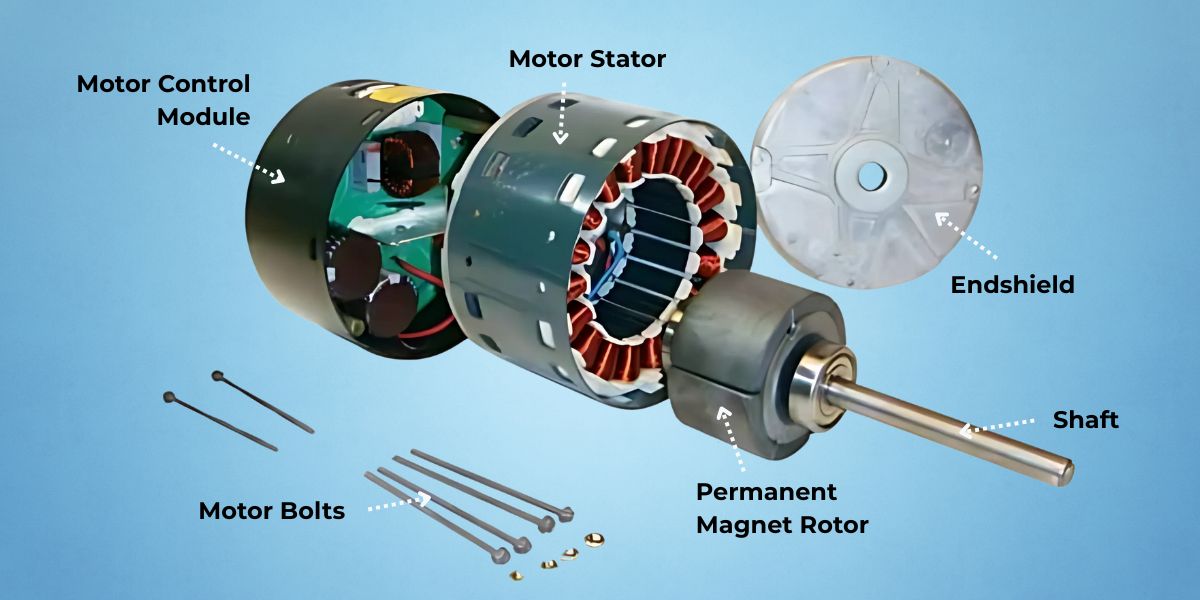
An Electronically Commutated Motor (ECM) is a high-efficiency motor technology now commonly found in modern furnaces and air conditioners. Unlike traditional motors that operate at fixed speeds, ECMs can adjust their speed and torque based on the heating or cooling needs of your home. This results in better airflow control, reduced energy consumption, and quieter performance.
Originally developed by General Electric in the 1980s, ECM motors have since become the preferred choice in many high-efficiency HVAC systems. Their ability to fine-tune performance helps improve overall system reliability and comfort.
Why Upgrade to an ECM Motor?
- Reduced energy usage
- Quieter, more consistent operation
- Improved air filtration and circulation
- Longer system life due to gentler motor ramp-up
While ECM motors have become more common in both multi-speed and variable speed systems, they truly shine when paired with the next level of HVAC innovation—variable speed blower technology.
Variable Speed Blower Motors
Continuous Comfort with Variable Speed
A variable speed blower is the most advanced option available. It uses ECM technology with a speed controller to deliver precise airflow. Instead of jumping between fixed speeds, it continuously adjusts in small increments based on thermostat input and system sensors.
This precise control allows your HVAC system to deliver just the right amount of heating or cooling at any moment. On milder days, the blower may run at a low speed for longer periods to maintain steady temperatures. On colder or hotter days, it can ramp up gradually to meet increased demand without sudden noise or temperature swings.
How It Works
Variable speed motors receive ongoing feedback from your thermostat and internal sensors about temperature, humidity, and airflow resistance. Based on this information, they modulate the blower's speed to maintain consistent comfort with maximum energy efficiency.
Benefits Beyond Temperature Control
- Better filtration: Constant airflow improves how much air passes through your HVAC filter.
- Humidity control: Continuous circulation helps dehumidify during cooling cycles.
- Healthier air: Ideal for allergy sufferers or homes with pets due to improved particulate removal.
- Quieter performance: Eliminates the noticeable start-stop cycling of lower-end systems.
Is It Worth the Upgrade?
Variable speed systems are more expensive upfront, but they provide the best performance, energy savings, and comfort available.
Benefits of Multi-Speed vs Variable Speed
Comparing Efficiency, Comfort & Air Quality
Multi-Speed Advantages:
- Lower maintenance costs
- Fuel efficiency
- Lower energy bills
- Better humidity control
- Better air quality control
Multi-speed systems don’t cycle on and off as frequently as single-stage systems, which reduces wear on components and energy use.
Variable Speed Advantages:
- More consistent heating and cooling
- Greater noise reduction
- Cleaner air in each room
- Superior fuel and electricity efficiency
Because they run continuously at low speeds and adjust to the environment, variable speed systems offer the most balanced, energy-efficient, and quiet operation available.
Blower Motor Comparison Chart – Single vs Multi vs Variable Speed
| Feature | Single-Stage | Multi-Speed | Variable Speed |
|---|---|---|---|
| Comfort Consistency | Low | Moderate | High |
| Energy Efficiency | Low | Moderate | Excellent |
| Noise Level | High | Moderate | Low |
| Air Quality | Basic | Improved | Superior |
| Humidity Control | Minimal | Better | Best |
| Initial Cost | Low | Moderate | Higher |
| Operating Cost | High | Lower | Lowest |
Cost Considerations
Multi-Speed Motor Cost
Affordability & Value
A multi-speed blower furnace generally costs less than a variable speed system, making it a smart upgrade for homeowners working within a moderate budget. It's now considered the standard for modern furnaces, offering better efficiency and comfort than single-stage units without the premium price tag.
If the noise levels, humidity control, and air quality provided by a multi-speed system meet your needs, this option offers solid value. It’s especially cost-effective in areas where electricity rates are relatively low. Additionally, multi-speed systems are widely available and familiar to HVAC installers, making installation more straightforward and potentially less expensive.
Variable Speed Motor Cost
Premium Investment
Variable speed blower systems represent the high-end choice in residential HVAC. They come with a higher upfront cost than both single-stage and multi-speed systems, but the return on investment is realized through better comfort, lower energy bills, and longer equipment life.
If you're seeking the quietest operation, most stable indoor temperatures, superior air filtration, and optimal humidity control, this is the ideal solution. The additional performance features and long-term savings can easily justify the higher initial price.
Choosing the Right Furnace Blower for Your Home
Choosing the right furnace blower motor is one of the most important decisions you can make for your home’s comfort, efficiency, and air quality. Multi-speed blowers are an affordable, energy-efficient upgrade over outdated single-stage systems. Meanwhile, variable speed blowers deliver the highest level of control, comfort, and long-term savings—making them a smart investment for homeowners who want the best possible performance.
Whether you're replacing an old system or building a new home, selecting the right blower motor helps ensure year-round comfort and reduced energy costs. Take time to evaluate your comfort preferences, local climate, and long-term goals to make the choice that’s right for you.
Shop & Save at HVACDirect.com
At HVACDirect.com, we offer affordable, high-efficiency HVAC systems shipped directly to your door. Our expert customer service team can help you choose the right system for your needs—whether it’s multi-speed or variable speed. Most orders ship free and come with top-tier warranties.
Furnace Blower Motor FAQ
Variable speed motors are the most energy efficient. They continuously adjust airflow to match demand, using only as much power as needed—making them more efficient than single-stage or multi-speed motors.
Maybe. Variable speed blowers require compatible control boards and components. Some older systems may not support the necessary electronics, so it's important to consult with an HVAC professional before upgrading.
Yes. Variable speed motors are significantly quieter because they gradually ramp up and down rather than switching on and off abruptly like other types of blowers.
Yes. Because variable speed systems run more frequently at low speeds, they constantly pull air through your system's filter—trapping more dust, allergens, and pet dander than systems that cycle on and off less often.
Both require regular filter changes and routine checks. However, variable speed systems may also require occasional inspection of the motor control board or sensors, especially after several years of continuous operation.
Related Products

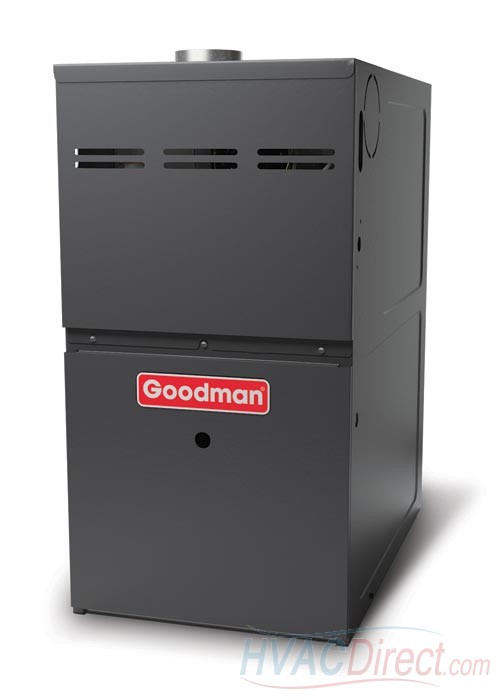
80,000 BTU 80% AFUE Multi-Speed Single Stage Goodman Gas Furnace - Upflow/Horizontal
Brand: Goodman
Price: $ 1,026.00 (In Stock)


3.5 Ton Multi-Positional Variable Speed Goodman Air Handler
Brand: Goodman
Price: $ 1,938.00 (In Stock)

Two popular choices of furnace blowers on the market today include the multi-speed blower and the variable speed blower. The type you choose largely depends on its operational efficiency and the price you want to pay. We will take a closer look at both of them.
Multi-Speed Blower Motors
 In the past, most homes had a single stage furnace blower. This means it runs either “on” or “off” with no in-between speeds. When the heat drops below the thermostat setting the furnace starts up and blows warm air throughout the house. Once your home’s temperature reaches the thermostat setting the furnace stops blowing. There are cool spots or times between the two. You can compare this to cooking a pot of soup on the stove with the burner either on or off. This is not efficient and wastes energy. During the warm months, the cooling is also inconsistent.
A multi-speed furnace motor overcomes these problems because it has two operating settings instead of just one.
A multi-speed blower basically has a speed for cool and a speed for heat. This is more efficient and the home’s comfort level is more even throughout the day and night.
Multi-speed blowers are the new standard in furnaces. When it’s time to replace your old single stage system, this is a good choice. HVAC contractors are familiar with multi-speed furnace installation and may recommend them because they cost less than variable speed blowers.
ECM Blower Motors
An electronically commutated motor (ECM) is a technological advance for home furnaces and air conditioners. It improves much of the overall performance and efficiency of an HVAC system. General Electric developed ECMs in 1985. Since then they have played a major role in a number of leading brands of furnaces and air conditions.
When you upgrade your current AC or furnace do not keep the older blower because it is not as efficient as an ECM. You will be wasting money because it will not perform up to standards with a new system. Upgrade to an ECM motor and you will enjoy lower energy bills.
Variable Speed Blower Motors
 A variable speed furnace blower motor is a step above a multi-speed blower. This new technology has an ECM motor with a speed controller. It is more like a continuous blowing approach. It provides the precise heat or cooling output your home needs at any given time day or night.
The air quality is improved in your home with a variable speed blower. This occurs because the blower circulates air even when the heat is not running. Air is continually passing through each room through the return ducts to the furnace filters that catch more dust, lint, and other debris. This is great for people with allergies or other respiratory disorders. It is also effective for homes with pets. Cleaner air means less dusting.
Benefits of Multi-Speed vs Variable Speed
 A Multi-Speed blower has three main benefits over a single stage furnace blower:
- Lower maintenance costs
- Fuel efficiency
- Lower energy bills
- Better humidity control
- Better air quality control
Maintenance costs typically are lower because it is not an on and off system. Single stage blowers come on and off more often and this is hard on working parts. It tends to wear out your system earlier and also uses more energy to cycle more often or colder days and nights.
A Variable Speed blower has additional advantages over the single stage and multi-speed blowers.
- More consistent heating and cooling
- More noise reduction
- Clearer air in each room
- Greater Fuel efficiency
- Better electricity efficiency
These advantages come about because of how the blower system works. It starts blowing at a slow speed and increases as the heating or cooling needs to increase. You don’t notice the noise as much – in fact, it is less noisy than other types of blowers. The air is continually being cleaned with a variable speed blower.
Cost is the Difference
A major decision for most homeowners is the cost of any HVAC system. How much will your budget allow for furnaces and air conditioners for a new home or a replacement system? Shop around and you will find a very competitive price – especially online.
Multi-Speed Motor Cost
A multi-speed blower furnace will cost less than a variable speed furnace. It is the new standard in blowers. If your budget won’t allow the cost of a variable speed blower this is a good choice. If the noise, humidity, and air quality levels meet your needs, this is a good choice. When the electricity rates are lower than average in your area, this is another reason to buy this system.
Variable Speed Motor Cost
The “premium” in furnace blower systems is the variable speed. It costs more than single stage and multi-speed blower systems. If you want the best, this is the way to go. If you want the lowest noise level, clean air, and more humidity control, this should be your choice. The extra benefits may be worth the extra cost.
Buy Your System Online and Save
HVACDirect.com has the most affordable HVAC costs available online. Our expert customer service team will provide the advice, products, and order service you expect. We sell directly to you at wholesale prices, Most units are shipped free of charge. Our product warranties are the best. Contact us today to make the right decision about your HVAC equipment needs.