Key Takeaways
- Your R-410A System is Legal and Serviceable: The phase-out restricts newly manufactured equipment, not the air conditioner already in your home. You can run, service, and repair it for its full useful life, and no rule requires you to replace a working unit.
- Failed Part Matters More Than the Refrigerant: Electrical repairs like capacitors, contactors, and fan motors cost the same on any system and are unaffected by the phase-out. Once a repair opens the sealed refrigerant circuit, R-410A pricing enters the equation and the math shifts.
- Rising Refrigerant Costs Favor Replacement on Older Systems: R-410A remains available for existing systems, but its cost and availability may change as HFC production and consumption are phased down. The next major federal reduction takes effect in 2029, when allowances fall from 60% to 30% of baseline levels .
Article Contents
If your air conditioner needs a repair, you may be facing a bigger question than just replacing a part. Your current AC, if you’ve had it for a while, most likely runs with R-410A refrigerant, which may be a factor in deciding whether you repair or replace your unit. You can still repair your system, but as the HVAC industry transitions away from older refrigerant like this one, you may see changes in repair availability and cost and long-term support. The right decision depends on the failed part, equipment age, system condition, component compatibility, repair history, and total cost.
What Does the R-410A Phaseout Mean for Homeowners?
Here is the reassuring part. The phase-out targets new equipment, not the system already sitting outside your house. It limits the use of R-410A, a refrigerant with a high global warming potential, in newly manufactured HVAC systems. Your air conditioner can keep running for as long as it stays safe and serviceable. Meanwhile, manufacturers have moved to lower-GWP refrigerants like R-32.
Is R-410A Banned in 2026?
R-410A is not banned from air conditioners already installed in homes. Nobody will make you tear out a working system, and your technician can keep repairing it for the rest of its useful life. The rules apply to new equipment instead. Manufacturers stopped producing and importing new R-410A residential air conditioners and heat pumps on January 1, 2025. A January 1, 2026 installation deadline was originally set for remaining inventory, but the EPA removed it in a final rule issued on May 21, 2026. Contractors can now install eligible pre-2025 R-410A equipment until those supplies run out.
Can R-410A Air Conditioners Still Be Repaired?
Yes, condensers, compressors, evaporator coils, and other R-410A parts can still be manufactured and sold if they are labeled and used for servicing existing equipment. The pressure is on supply rather than legality. The AIM Act caps annual refrigerant production, and that cap drops from 60% of the baseline to 30% in 2029, which is why prices keep rising.
What Refrigerants Are Replacing R-410A?
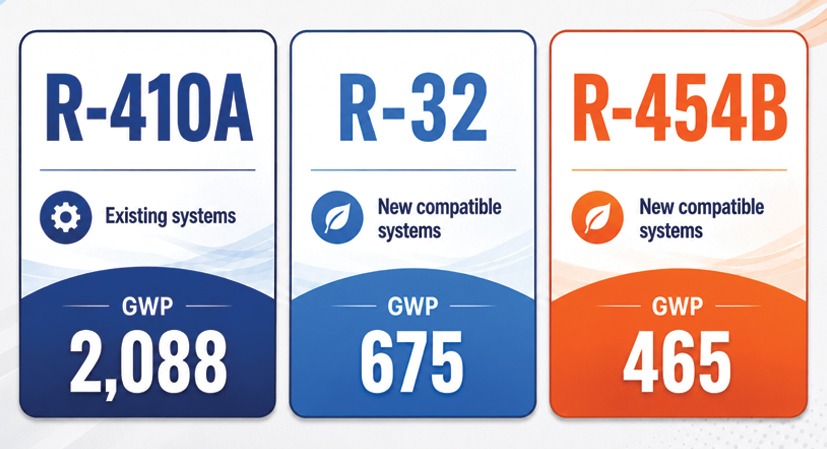
New residential systems typically use R-32 or R-454B, and the difference in global warming potential is substantial. EPA lists a 100-year GWP of 2,088 for R-410A, compared with 675 for R-32 and 466 for R-454B.
Neither is a drop-in replacement. They belong only in equipment built and approved for them, so you cannot empty out an R-410A system and refill it with something newer.
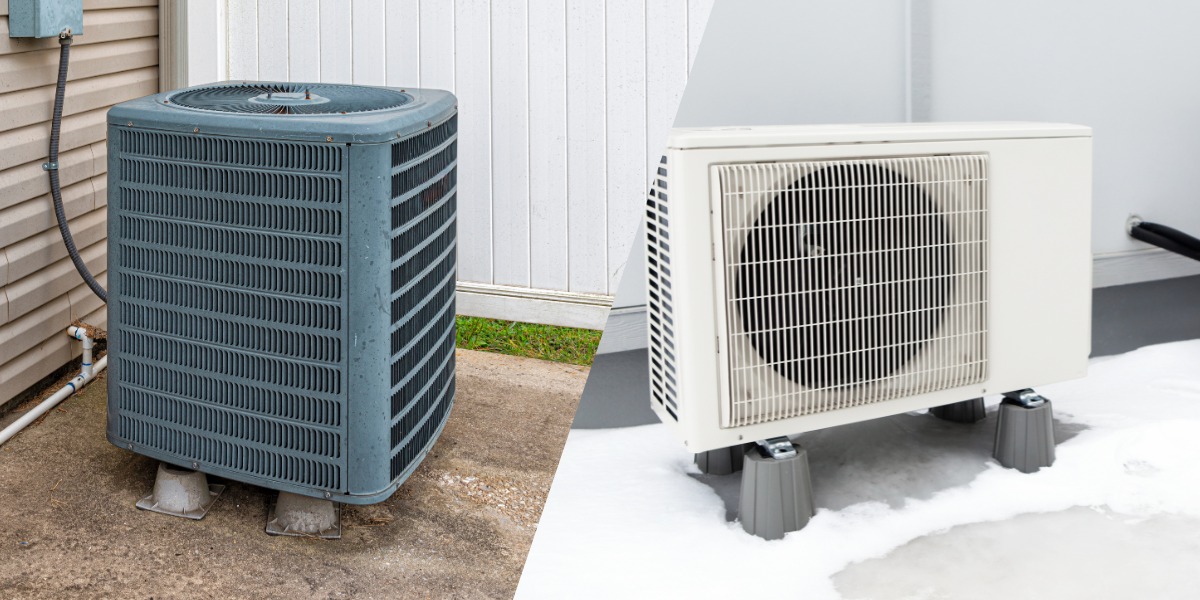
If you are unsure which refrigerant your system uses, check the data plate on the outdoor condenser or the manufacturer’s manual. You can also call HVACDirect.com’s tech team for assistance.
When Should You Repair an R-410A Air Conditioner?
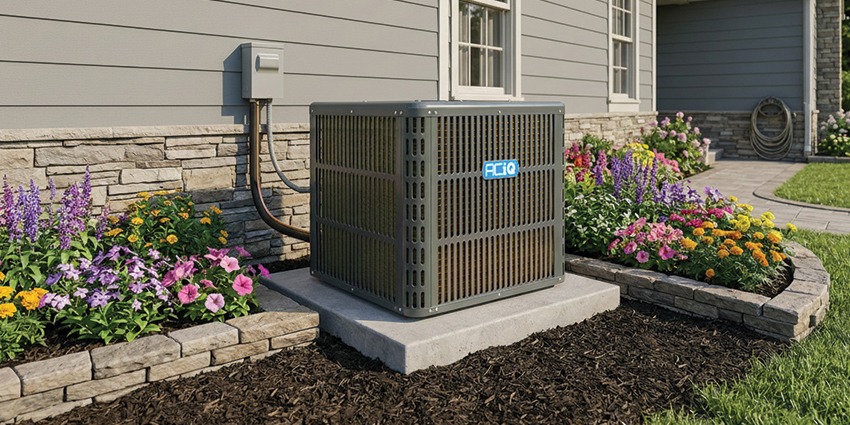
Repairing an R-410A air conditioner may be the better choice when the issue is limited and not expensive to fix, the remaining equipment is in good condition, and the repair is likely to provide several more years of operation.
The System Needs a Minor Repair
Get a few quotes before you commit. A small fix rarely justifies replacing an air conditioner that is otherwise doing its job. Failed capacitors, contactors, thermostats, control boards, and condenser fan motors all land here, and none touch the refrigerant circuit, so the R-410A question barely enters the picture.
A Compatible R-410A Component Is Available
You can often replace one failed component and keep the rest intact. The EPA permits R-410A parts, including condensing units and indoor coils, for servicing legacy equipment. The part must match your system's coil, metering device, pressure requirements, airflow, and controls. Keep in mind that R-410A parts and refrigerant will keep getting more expensive.
The Equipment Is Newer and Otherwise Reliable
If your air conditioner is under 10 years old, has been maintained, and has not given you repeated trouble, repairing is usually the better value. Check your warranty too, because remaining parts or compressor coverage can take a real bite out of the bill, though it often excludes labor, refrigerant, and diagnostic charges.
When Should You Replace an R-410A Air Conditioner?
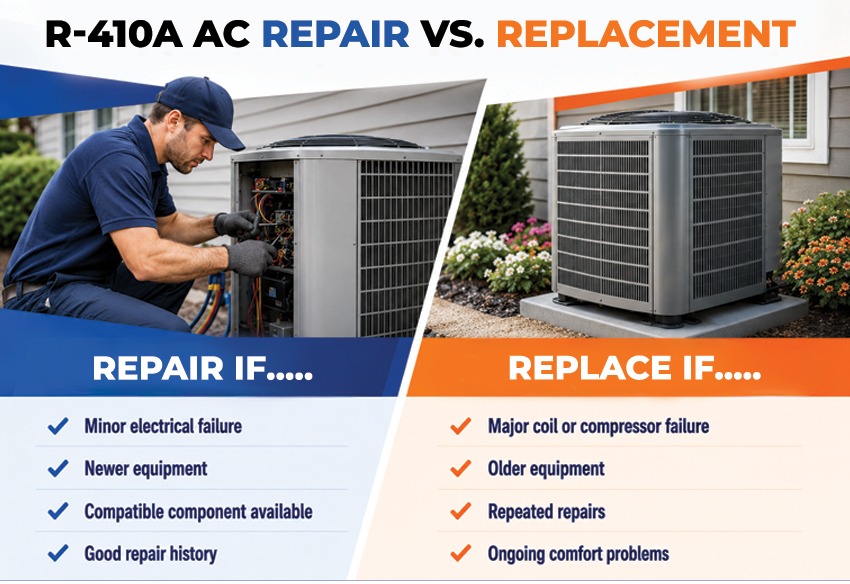
Replacing an R-410A air conditioner may provide better value when the system is older, needs an expensive sealed-system repair, has become unreliable, or no longer maintains efficient and consistent comfort.
The System Has a Major Refrigerant Leak
If your system is leaking or cooling worse than it used to, call a technician right away. They can locate the leak and tell you whether it is repairable or whether a coil needs replacing. A recharge alone does not fix the opening that let the refrigerant escape. Repair still makes sense on a newer system with an accessible leak or warranty coverage. An older unit with a leaking coil, corrosion, or repeated refrigerant loss is a different story, since each recharge costs more than the last.
The Air Conditioner Is More Than 10 Years Old
ENERGY STAR suggests considering replacement once an air conditioner or heat pump passes 10 years, particularly if it also needs frequent repairs or runs inefficiently. Age matters differently with R-410A, because a costly sealed-system repair on an older unit means investing in a refrigerant being deliberately wound down. If the compressor fails on a twelve-year-old system, you are choosing between a large bill on shrinking supply and a new R-32 or R-454B system with its full life ahead of it.
Repairs Are Becoming Frequent
A string of repairs over a short stretch usually means more components are wearing out, and with R-410A the cost curve works against you. What you paid two seasons ago understates the next few, since refrigerant and R-410A parts trend upward while labor stays flat. Review your spending across the past two or three seasons, then ask your technician whether this is an isolated failure or the first of several.
The Home Has Ongoing Comfort Problems
This one is not really about refrigerant. If the system runs constantly, short-cycles, leaves rooms warm, or struggles with humidity, the cause is often incorrect sizing, weak airflow, leaky ducts, or poor insulation, and swapping components fixes none of those. Have a technician evaluate the whole picture first. If replacement is the answer, you are moving to R-32 or R-454B anyway, so it is a good moment to get the sizing right.
Can You Replace Just the AC Condenser?
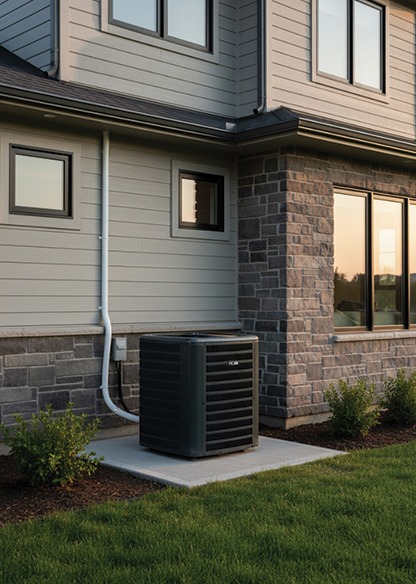
This is one of the most common questions we hear, and the answer is often yes. Replacing a single failed component counts as servicing your existing R-410A system, so a condenser can go in without touching anything else. What limits you is matching and inventory rather than any legal barrier:
- It Has to Match: The new condenser must pair correctly with your existing indoor coil, metering device, airflow, and controls, or you lose efficiency and may void a warranty.
- Service Parts Remain Available: R-410A condensers, coils, and compressors can still be made and sold for servicing existing equipment, though the pool of certified matched combinations shrinks each season.
- A Full Changeout is Still Allowed: Replacing the outdoor unit and indoor coil together counts as installing a new system rather than servicing an old one. That once faced a January 2026 cutoff, but the EPA removed it, so a complete R-410A system can still go in as long as every component was manufactured or imported before January 1, 2025.
A condenser-only swap makes the most sense when your indoor coil is healthy and the system is under roughly 10 years old. If both need replacing, you have a real choice. Pre-2025 R-410A inventory is often priced to clear, but you are buying into a refrigerant whose service cost keeps climbing, while an R-32 or R-454B system starts at the front of the supply curve instead of the back.
Replacement Vs. Repair Costs for R-410A Air Conditioners
There are two guidelines that the industry uses to weigh replacement versus repair costs.
- The 50% Rule: If the repair costs more than half the price of a new system, replacement is generally the better use of the money.
- The $5,000 Rule: Multiply the repair cost by the age of the unit in years. If the result tops $5,000, lean toward replacement. A $1,200 compressor on a 10-year-old system comes to $12,000, which is a clear signal.
- The R-410A Adjustment: Both rules assume a stable refrigerant market, so a borderline result should tip toward replacement.
Here are some typical costs for repairs and replacement. Please keep in mind that repairs cost are steadily rising as R-410A components become less and less available.
R-410A AC Repair Versus Replacement Costs
| REPAIR TYPE OR REPLACEMENT (*REPAIR COSTS INCLUDE LABOR) | TYPICAL COST (*COST WILL VARY BY LOCAL RATES) |
|---|---|
| Diagnostic or Service Call | $75 to $200 |
| Capacitor Repair | $150 to $500 |
| Contactor Repair | $150 to $500 |
| Condenser Motor Fan Repair | $400 to $900 |
| Expansion Valve Repair | $400 to $700 |
| Evaporator Coil Repair | $800 to $2,500 |
| Leak Repair and Recharge | $500 to $1,500+ |
| Condenser (AC Unit) Replacement | $1,200 to $3,000 |
| Full Central AC System Replacement | $2,700 to $14,000 |
R-410A Air Conditioner Repair or Replacement Checklist
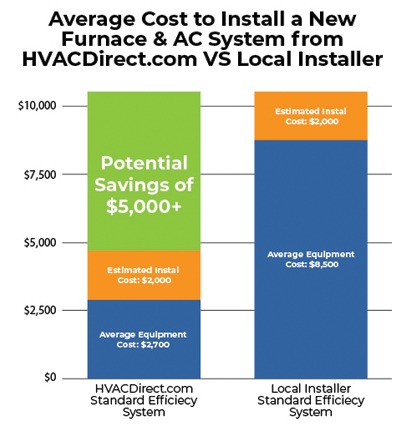
Repairing an R-410A system still makes sense for a newer unit with a single, contained failure. Past that point the math tilts toward replacement, because age, repeat breakdowns, and refrigerant loss compound against equipment running on a refrigerant that costs more every year. Before deciding, ask:
- What Failed: Identify the exact component and the underlying cause, not just the symptom.
- Is It a Sealed-System Repair: Anything that opens the refrigerant circuit costs more on R-410A and will keep climbing. Electrical failures are unaffected by the phase-out.
- Where Is the Leak, and How Much Refrigerant Will It Take: Confirm the quote includes a permanent repair rather than a recharge alone. At $40 to $90 per pound installed, a full charge can add hundreds to the total.
- Is the Replacement Part Compatible: Confirm the component is approved and matched to your existing coil, metering device, airflow, and controls.
- What Is the Total Repair Cost: Include labor, refrigerant, diagnostics, and related work, then set that number against a replacement quote.
- How Old Is the Equipment: Weigh age alongside maintenance history, overall condition, and remaining warranty coverage.
- How Many Repairs Has It Needed: Repeated failures signal more components nearing the end of their life, which makes another repair a poor investment.
- How Is It Performing Overall: Consider temperature control, humidity, noise, cycle length, and energy bills.
- What Does Replacement Include: Compare equipment, installation scope, efficiency, warranty, and expected service life on R-32 or R-454B.
These questions provide a starting point, but the final decision should be based on an inspection of the complete HVAC system.
Shop R-410A Parts and Replacement Systems on HVACDirect.com
The R-410A phase-out does not condemn every repair or force you to replace a working air conditioner. A minor fix or a single compatible component still makes sense when the rest of the system is healthy.
What changes is the moment refrigerant enters the picture. A sealed-system repair on an aging unit means paying today's R-410A prices, then paying them again at the next leak. That money usually goes further toward a new system.
We stock R-410A condensers, coils, and service parts to keep your current system running, plus complete R-32 and R-454B systems for when it is time to move on. Not sure which you need? Call our tech team and we will help you work it out.
R-410A AC Repair and Replacement FAQs
You may continue operating a working R-410A air conditioner, and there is no requirement to replace it solely because of its refrigerant. Continue routine maintenance and compare repair with replacement when a significant failure occurs.
R-410A may continue to be used to service existing equipment. Availability and pricing can change as HFC production and consumption are reduced, while recovered and reclaimed refrigerant helps support installed systems.
R-32 cannot be added to equipment designed for R-410A. Refrigerants have different operating and safety requirements, so equipment must be specifically designed and approved for the refrigerant it uses.
Replacing both the outdoor condenser and indoor evaporator coil is considered installing a new split system. The new system must meet the refrigerant rules in effect at the time of installation rather than being assembled as a new R-410A system.