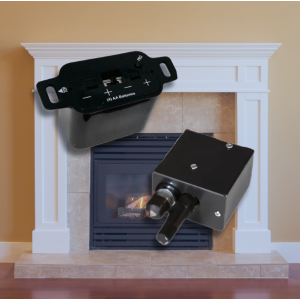
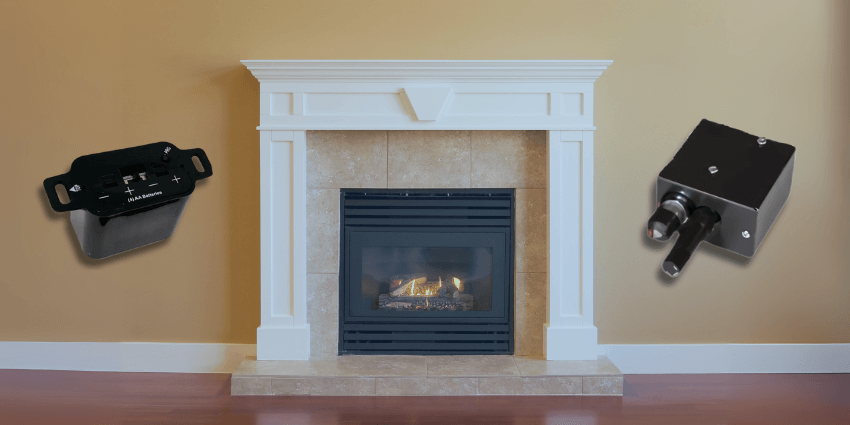
Key Takeaways
- Automatic Safety Shutdown: Both Millivolt and Intermittent Pilot systems mechanically cut gas flow if the pilot or sensor flame is lost, preventing dangerous leaks.
- Fuel & Power Efficiency: Millivolt systems run without external power and use minimal fuel, while IPI systems eliminate a standing pilot and include battery backup for outages.
- Maintenance & Reliability: Millivolt ignition is simple and widely understood by technicians, whereas IPI offers modern electronic control but may require specialized service.
Gas appliances that are safety-tested rely on switches, sensors, and valves to ignite fires and ensure safe operation if any component fails.
Understanding Gas Ignition Systems in Fireplaces and Outdoor Appliances
Two primary ignition systems used in fireplaces and outdoor gas appliances are Standing Pilot Millivolt Ignition Systems and Intermittent Pilot Ignition Systems. Each system has variations depending on the manufacturer, but the core principles remain consistent.
Standing Pilot Millivolt Ignition Systems
One of the earliest ignition systems used in gas fireplaces, stoves, inserts, and fire pits is the millivolt ignition system. To operate this system, a pilot light must first be ignited either by using a push-button igniter or by manually lighting it with a lighter or match.
How Millivolt Systems Work
The pilot flame heats one or two sensors, creating a small electrical charge. This charge travels via wires to the valve, energizing a magnet that allows gas to flow through the system. Turning on a switch opens the gas to the burner. If the pilot flame goes out, heat is removed, the electric charge dissipates, the magnet de-energizes, and the gas flow stops. This mechanism prevents unwanted gas flow if the flame is extinguished unexpectedly.
Millivolt System Quick Notes
- Proven Reliability: Used in fireplaces, furnaces, and hot water heaters for over 50 years, widely familiar to technicians.
- Easy Operation: Compatible with on/off switches or remote controls, providing convenient operation.
- Enhanced Safety: Automatically shuts down gas flow in the rare event of failure, giving users peace of mind.
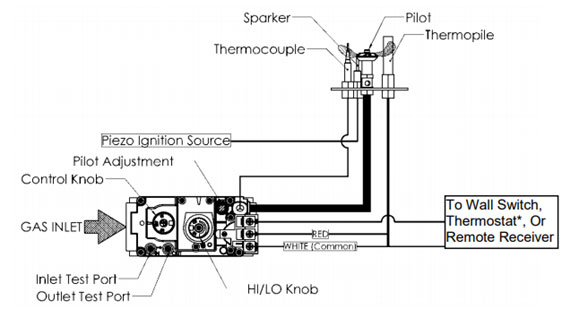
Millivolt Gas Valve Image Courtesy Of Kingsman Fireplaces
Intermittent Pilot Ignition (IPI) Systems
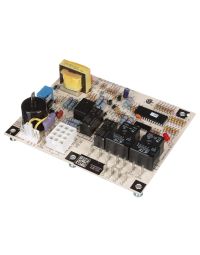
Intermittent Pilot Ignition systems, also known as Pilotless, Intellifire, IPI, IP, or Electronic Ignition systems, use electricity—either 120VAC or battery power—to function.
How Intermittent Pilot Systems Work
Upon activation via switch or remote control, an ignition sequence begins. First, the sparker ignites, sending electricity to the pilot gas valve. When spark, fuel, and oxygen combine, the pilot ignites. The pilot flame then heats a sensor, signaling the control module to deactivate the igniter and open the main burner valve, igniting the burner.
Intermittent Pilot System Quick Notes
- Fuel Efficiency: Without a standing pilot, gas is used only when the appliance is active.
- Battery Backup: Many systems include a battery backup, enabling operation during power outages.
- Complexity: Requires an experienced technician for troubleshooting and repairs.
- Safety Assurance: The system shuts off gas flow if the pilot sensor doesn't detect a flame, preventing gas leakage.
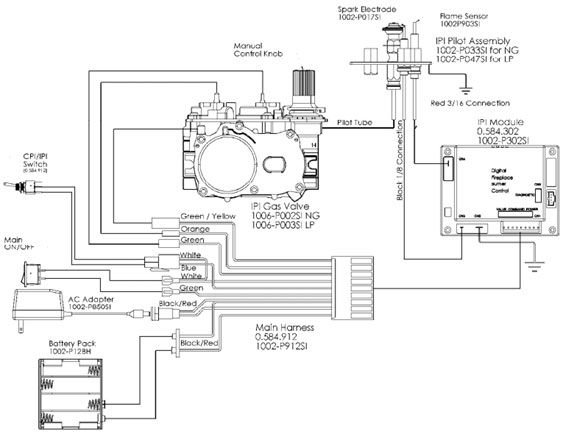
Intermittent Pilot Valve Image Courtesy Of Kingsman Fireplaces
Conclusion
Whether you choose a Millivolt or Intermittent Pilot ignition system, both offer robust safety features and reliable performance for your gas appliances. Millivolt systems excel in simplicity and long-term familiarity, while Intermittent Pilot systems maximize fuel efficiency and convenience. Evaluate your installation environment, power availability, and maintenance preferences to select the system that best fits your home or business. Always consult a qualified technician for installation and service to ensure optimal safety and operation.


- The system has been in circulation with fireplaces, furnace, hot water heaters, for 50+ years. Most installers and technicians are familiar with it. Should anything fail, it is very easy to diagnose.
- All appliances using a millivolt gas ignition system can use an on/off switch or a remote control. This allows you to use the appliance with a flip of a switch or from your recliner.
- The safety it provides, gives you piece of mind knowing that in the rare occurrence there is a failure that the unit will mechanically shut down.
 Image Courtesy Of Kingsman Fireplaces
- Without a standing pilot light you are not using fuel when not using the appliance.
- Most intermittent pilot systems have a battery back up feature that can operate the system for several months or more. This allows the unit to be used in a power outage.
- Because the system is a little more complex, an experienced tech will be need on site should the unit not work properly.
- If the pilot sensor does not sense the pilot light, the system will not work and no unwanted gas will pass through the system
 Image courtesy of Kingsman Fireplaces.