We use cookies to make your experience better. To comply with the new e-Privacy directive, we need to ask for your consent to set the cookies. Learn more.

1-800-397-1392
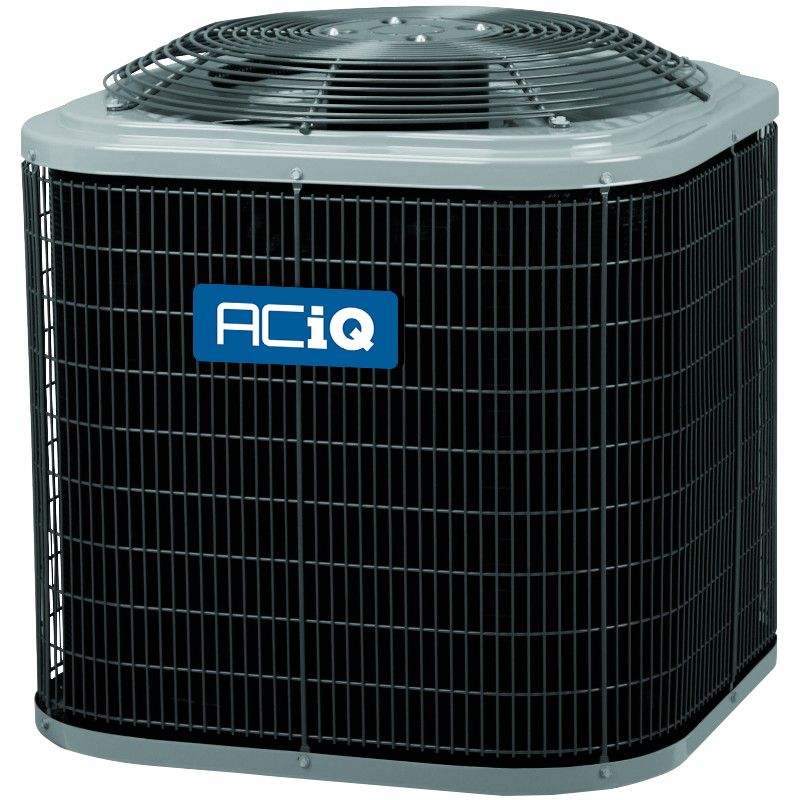
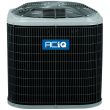
Today's Hours 8am - 11pm estThe ACiQ R4H5S60AKAAA is a standard heat pump condenser. Designed with comfort in mind and an inexpensive option for nearly any application, this condenser is considered a good all-around option for almost any application.
The ACiQ R4H5S60AKAAA heat pump condenser has an output of 5 tons, generally enough to heat and cool up to a large house in ideal climates. In many system configurations, the tonnage of the unit's paired coil or air handler will be larger in tonnage than this condenser, which maintains the efficiency of the unit. Please note that this condenser cannot function on its own, and it needs an indoor coil or air handler to work. This unit will also only heat down to around 35°F, and if you need heat any lower than this, a backup heat strip will be needed to act as straight electric heating in a compatible air handler.
The ACiQ R4H5S60AKAAA air conditioner condenser is rated at 14.3 SEER2, making it between 5-7% more efficient than standard 13.4 SEER2 units, saving you money in electric bills over the entire lifetime of your unit. In general, heat pumps will heat more efficiently than straight electric furnaces.
All ACiQ condensers come pre-charged with enough refrigerant for a 15-foot line set, making installation faster and more convenient. This pre-charged design saves installers time and reduces labor costs by eliminating the need for manual refrigerant charging. It also helps ensure the system starts with the correct amount of refrigerant, minimizing the risk of improper charging that could impact performance and efficiency. If a longer line set is required, your installer will need to add additional refrigerant to maintain optimal operation.
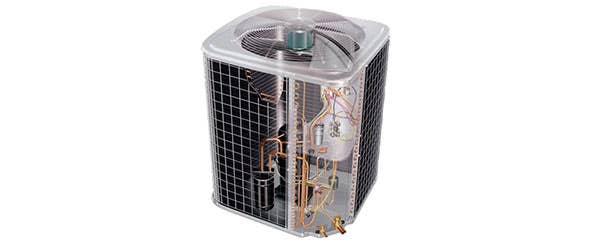
Leave fossil fuels behind with an ACiQ heat pump system. Every ACiQ heat pump condenser uses a scroll compressor to give exceptional cooling
performance and highly efficient, all-electric heat. WiFi-capable communicating condensers are also available.
ACiQ heat pumps come in a range of efficiency options to fit your budget's needs and your local weather conditions. Save up to 63% on energy costs with a newer model.

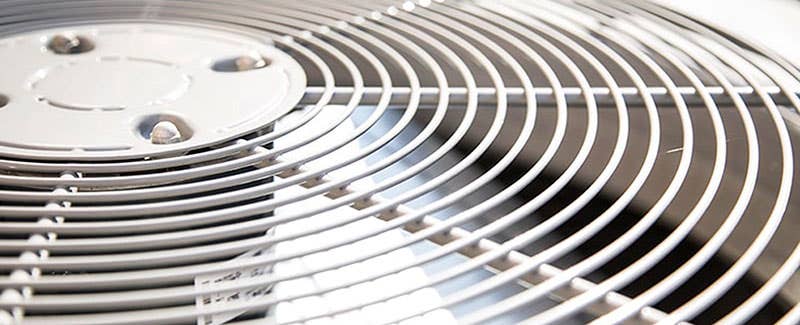
ACiQ heat pump condensers are 100% run-tested at the factory. Protective coatings on the fins and baked-on galvanized finishes mean long life even in harsh conditions. ACiQ’s extended warranty with online registration provides 10 year protection.
Multiple buyers report fast shipping, including next-day delivery in one case and two-day arrival in another, with one homeowner replacing a 20-year-old heat pump and noting the new unit runs very quiet, keeps up with demand, and was slightly more efficient. DIY installations were commonly completed over a weekend with reported savings of over $4,000 to $6,000 compared to local quotes, though some mention limited shipment tracking updates and higher operating cost if relying heavily on the backup heat coil.
 AI Generated from the text of customer reviews
Posted on
Posted on
Posted on
Posted on
Posted on
Posted on
Posted on
Posted on

ACiQ designs AC systems that are based on principles learned from nature: clean, energy-efficient, and quiet. ACiQ systems are built in a such a way that they are easily adapted to fit multiple variations a homeowner needs. ACiQ offers technology in mini-split and full split inverter system offerings that provide the smartest way to buy and save on your home’s comfort solution, so that it meets the needs of your family. ACiQ specializes in home comfort, regardless of your needs.