Your cookie preferences
We use cookies to remember your preferences and understand how shoppers use our site, helping us improve your shopping experience.
Read our privacy policy

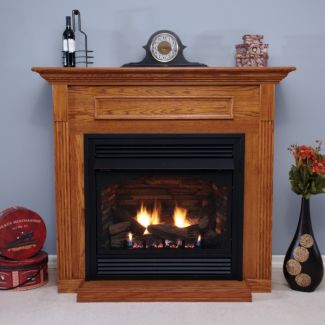
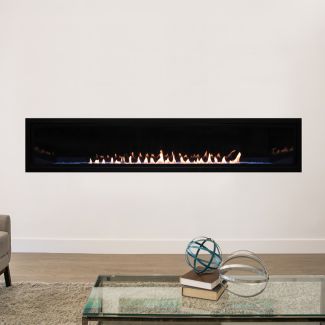
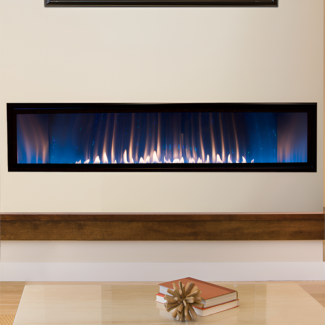


Empire gas fireplaces are natural gas and propane fireplaces made by Empire Comfort Systems, a family of American-made hearth brands based in Belleville, Illinois. The company’s roots go back to a small sheet metal shop that opened in 1911, and it started building gas heating products in 1932. Empire is also credited with creating the first vent free heater with the Oxygen Depletion Sensor, a safety feature that’s now standard across the industry. Today, the company makes traditional log fireplaces, modern linear models, multi-sided units, and inserts.
These appliances work by burning fuel across a specialized burner that makes ceramic logs, stones, or glass media glow with heat. How they handle air depends on the type: direct vent models use a sealed, two-way pipe to pull fresh air from outside and push exhaust back out, while ultra-efficient vent free models burn so cleanly they don't need a chimney or vent at all. Most systems light automatically using either a tiny standing pilot or an electronic spark ignition, and you can easily control them with a remote or thermostat that self-adjusts to keep your room perfectly cozy.
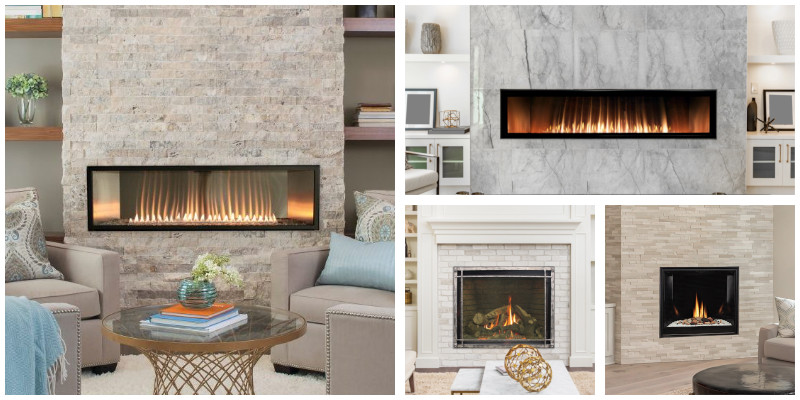

Lorem ipsum dolor sit amet, consectetur adipiscing elit. Integer vitae justo sed lorem tincidunt facilisis. Sed elementum, neque non malesuada tempor, risus erat fermentum nulla, vitae por:
Lorem ipsum dolor sit amet, consectetur adipiscing elit. Integer vitae justo sed lorem tincidunt facilisis. Sed elementum, neque non malesuada tempor, risus erat fermentum nulla, vitae por.
Empire gas fireplaces are usually worth it because they deliver the warmth and look of a real fire with almost none of the cleanup that comes with burning wood. You can enjoy them for their appearance or use them as a primary or supplementary heat source. Here’s what makes them a solid investment.
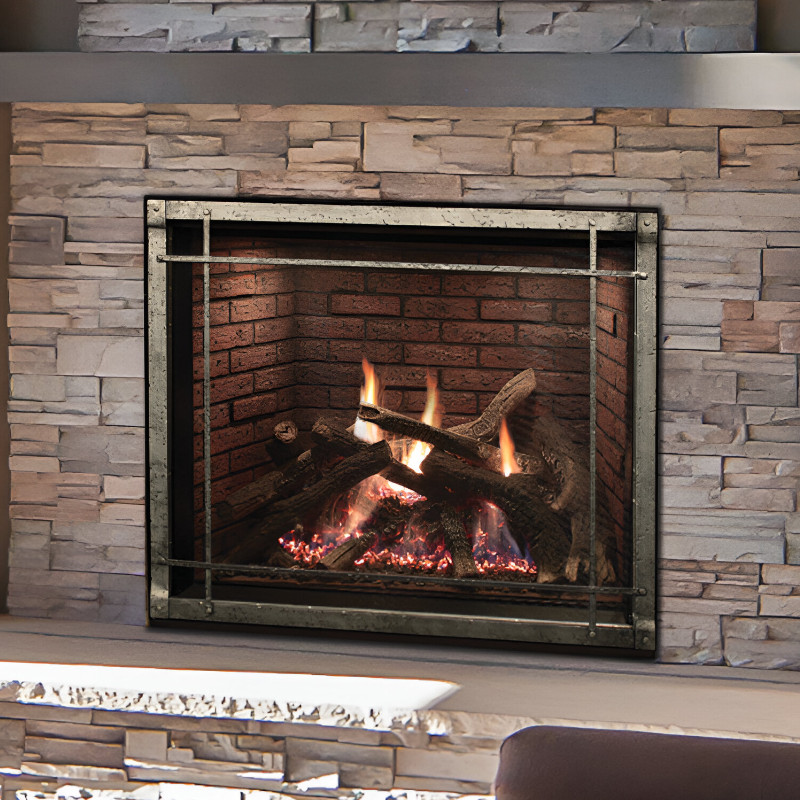
Realistic Flames: Empire puts a lot of effort into making its fires look natural. The Rushmore series uses TruFlame Technology with a dual burner system to create tall, lively flames over a glowing ember bed, while Tahoe models pair contour or Slope-Glaze burners with hand-painted ceramic fiber logs that show detailed bark, knots, and charring. Many people have a hard time telling the difference from across the room. If you’d rather have something more modern, the Boulevard linear series swaps the logs for crushed glass, rocks, or driftwood sets. Each fireplace series has its own customizable options.
Reliable Backup Heat: A gas fireplace can keep your space warm even when your furnace isn’t working because it can run without electricity. Millivolt models use a standing pilot that generates its own power, so they can typically keep running during an outage. Some intermittent pilot models, like the Boulevard SL, include a battery backup for the same reason. Some models with blowers or power vent systems, however, cannot run without electricity.
Easy Operation: Once the fireplace is properly installed and set up, everyday use can be as simple as operating a switch or compatible remote. There is no wood to split or ash bucket to empty. That makes a fire easier to enjoy on a busy weeknight.
Instant Warmth: Gas fireplaces start producing heat within moments of lighting. Models like the Rushmore 36 put out up to 40,000 BTU, which can warm a room noticeably faster than waiting on a wood fire to build. An optional blower can push that heat farther into the room. When you shut it off, it stops just as quickly, so you’re never stuck waiting for a fire to burn down.
Visual Appeal and Focal Point: Gas fireplaces provide almost immediate heating by lighting a flame with the push of a button. Higher-output models like the 40,000 BTU Empire Rushmore 36 start warming a living area within 15 to 30 minutes. An optional blower can accelerate this process by pushing heat farther into the space. The exact time it takes to heat your room, nevertheless, depends significantly on the total square footage of the space, insulation quality, ceiling height, and the specific BTU capacity of the unit.
Indoor Comfort: Rather than raising the central thermostat, a fireplace lets you heat only the rooms you are using, making it a great source of supplemental heat. Whether that lowers your total heating expense and decreases the wear and tear on your furnace (or heat pump) depends on local fuel prices and how you operate both systems.
Higher Home and Resale Value: Fireplaces remain one of the most requested features among homebuyers. A National Association of Realtors survey found that 46% of prospective buyers would be willing to pay more for a home with an attractive fireplace.
These fireplaces are also built to be upgraded with additional accessories whenever you want. Blowers, lighting kits, new liners, and remote controls can often be added later, so you don’t have to buy everything during the initial purchase. This can be beneficial if you aren’t sure what add-ons you want.
These gas fireplaces work well in nearly any room where you spend time and want extra warmth, from living rooms and family rooms to bedrooms, basements, and large open floor plans. The wide range of sizes, vent types, and installation styles makes it fairly easy to find a model that fits.
Living Rooms: The living room is a popular place to install a fireplace. It’s where people gather and spend a lot of time. One of the most popular placements for a fireplace is below a mounted TV. If you want to install a gas fireplace below a TV, the Boulevard direct vent gravity air kit can help direct the rising heat away from it and protect it from heat-related damages.
Family Rooms: Family rooms get a lot of everyday use. This makes fireplaces that are made for ease-of-use and safety important. Empire includes mesh barrier screens on many models to help keep kids and pets from touching the hot glass. A thermostat remote lets you keep the room comfortable during movie nights without anyone needing to get up and adjust the flame.
Bedrooms: A fireplace can make a bedroom feel like a retreat, especially on cold nights. Direct vent models are generally the better choice because they’re sealed off from the room’s air and don’t risk releasing dangerous byproducts into the space. Some vent free models, including select Vail models and the 10,000 BTU Boulevard SL, are bedroom-rated, but you’ll need to confirm that your local code allows them.
Basements: Basements tend to run cooler than the rest of the house, which makes them a great place for supplemental heat. A gas fireplace can turn a chilly lower level into a comfortable den, home theater, or guest space. Direct vent fireplaces are typically better than ventless ones in basements. This is because they seal combustion entirely from the living space, safely exhausting water vapor and combustion byproducts outdoors to prevent the indoor air stagnation, elevated humidity, and mold growth that ventless models often trigger below-grade.
Great Rooms: Great rooms typically feature tall ceilings and large open spaces. Spaces like these usually need a high heating capacity or a longer, bigger viewing area to fill the space. To address this issue Empire makes models like the Boulevard 60 and 72 that offer viewing areas up to 72 inches wide, while the Boulevard 72 direct vent model puts out up to 52,500 BTU.
Open Living Spaces: In an open floor plan, a multi-sided fireplace can create a striking focal point from both sides of the wall it is installed in. See-through models like the Boulevard 48 and Rushmore 40 let you enjoy the fire from two rooms, and peninsula models in the Tahoe and Vail lines show the flames from three sides. Some see-through models can even be fitted with an indoor/outdoor kit so the fire faces a patio.
A blower or heat management kit can make a big difference in larger or more open spaces, while smaller rooms may need a lower-BTU model so they don’t get too warm. Before purchasing and deciding where to install it, think about how the heat will move.
The type of Empire gas fireplace you need depends mostly on how you can vent it, how you want it to look (see-through, linear, traditional, etc.), and where in the room it’ll go. You’ll need to consider whether you need a direct vent or ventless model as well. This is especially important because ventless models are restricted or illegal in some spaces.
Built In Fireplaces: Built in fireplaces are installed inside a framed wall, giving you a finished, permanent look. Empire’s clean-face models, like the Tahoe Clean-Face Luxury, are designed so tile or stone can go right up to the edge of the opening for a more high-end look. They’re a great fit for new construction or remodels.
Direct Vent Fireplaces: These fireplaces use a sealed combustion system that brings air in from outdoors and sends exhaust back outside. Depending on the location, the vent can be installed through an exterior wall or a roof. Most of Empire’s gas fireplaces come in both direct vent and ventless models, which can be selected when purchasing on HVACDirect.com.
Vent Free Fireplaces: Vent free (ventless) fireplaces don’t need a chimney or vent pipe, which gives you more freedom with placement and can lower installation costs. They’re up to 99.9% efficient because no heat escapes to the outside. Every model includes an Oxygen Depletion Sensor, which is normally required for safety, that shuts off the gas if oxygen levels in the room drop. Ventless fireplaces are restricted in some areas, so check with your local code before purchasing.
See-Through Fireplaces: See-through fireplaces open on two sides, so one fire can warm and light up two spaces. Empire offers see-through versions of the Tahoe, Vail, Rushmore, and Boulevard. The Rushmore 40 see-through can even be installed on an exterior wall with an optional stainless steel outdoor kit, giving you an indoor and outdoor view.
Corner Fireplaces: Corner fireplaces are positioned into the awkward 45 degree angle where two walls meet. Compact options, like Empire’s Vail ventless series, are shaped to slide perfectly into these angled spots. When paired with a matching corner mantel, the unit sits flush against the wall and hides any awkward gaps, giving you a clean, built-in look.
Traditional Fireplaces: These units recreate the classic look of a wood fire with realistic log sets and brick-style liners. They are great if you want the charm of a wood-burning fireplace without the mess. Some of Empire’s traditional models also come with extra features such as Rushmore’s TruFlame dual burner to create a tall, lively flame over a glowing ember bed for an even more realistic appearance.
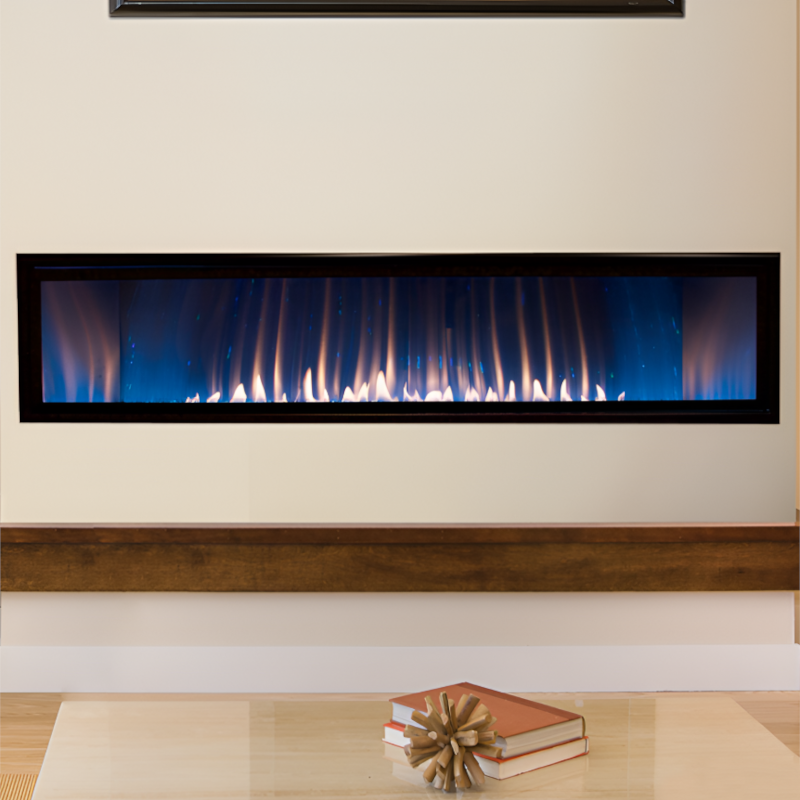
Linear Fireplaces: Linear fireplaces have a long, low viewing area that suits modern and contemporary rooms. For instance, the Boulevard series from Empire comes in 36-inch, 48-inch, 60-inch, and 72-inch widths in both direct vent and vent free versions. You can finish them with crushed glass, rocks, or log sets as well as adjustable LED underlighting on many models.
Fireplace inserts are also another option to look into if you already have a fireplace opening. For instance, Rushmore direct vent inserts can convert an existing masonry fireplace into an efficient gas fireplace without the expenses or structural changes of installing a fireplace from scratch.
The features that matter most when buying an Empire gas fireplace are those that define how it looks, how much control you have over the flame, and how well it heats the room. Features related to these three factors will shape how much you enjoy the fireplace every day.
Style: Gas fireplaces from Empire come in three main styles, including contemporary, linear, and traditional. Most series come in multiple styles, like the Tahoe series that comes in both a linear and contemporary look. You can also choose from a clean face, see through, and other frontal designs. Fireplaces can come with or without a mantel cabinet as well. This variety of styles lets you customize your fireplace to fit the aesthetic of your home.
Remote Controls: A good remote makes your fireplace much easier to live with. Empire offers simple on/off remotes, variable flame remotes, and thermostatic remotes that turn the fire on and off to hold a set temperature. Rushmore’s multi-function remote goes further, with six flame heights, six-step accent light dimming, and control of the optional blower.
Adjustable Flame: You can adjust the flame height to control the appearance and heat output for different occasions. Empire gas fireplaces are known for their wide range of controls, such as the 70% turn down range on the Rushmore series, giving you a wide range between a blazing maximum height and heat to a lower, more decorative flame. The Boulevard line comes pre-equipped at purchase with a remote that lets you click through six flame levels.
Thermostatic Controls: A thermostat keeps the room at a steady temperature by adjusting the fireplace automatically. Empire’s intermittent pilot systems use logic circuitry that anticipates heat demand, which helps reduce temperature swings in the room. Wall-mounted and programmable thermostats are available for many models if you’d prefer not to use a handheld remote.
Shape and Size: Size affects both the look of the fire and how much heat it puts out. Empire fireplaces range from compact 24-inch Vail units to 72-inch Boulevard models, and they come in single-sided, see-through, and peninsula shapes. Heating capacity ranges from under 10,000 to about 60,000 BTU. Picking the right size helps the fireplace look balanced in the room and heat it comfortably.
Realistic Logs: High-quality log sets are what make a gas fire look convincing. Empire’s ceramic fiber logs are hand-painted, and many sets include glowing embers that add depth to the fire. You can choose from styles like Birch, Driftwood, Traditional Charred, and Forest Timber, depending on the model.
Blower Options: A blower moves warm air from around the firebox into the room, so the heat reaches farther and the room warms more evenly. Many Empire series, including Tahoe, Vail, and Rushmore, offer optional blowers. Rushmore’s blower even has six different speeds. If you want a lot of control over how far the heat travels, a blower is a worthwhile and popular option to invest in.
The ignition system is also worth considering. Millivolt models use a standing pilot and typically keep working during power outages, while intermittent pilot models only light the pilot when needed, which can save gas over a full heating season.
Beyond the features, you’ll want to plan for venting, gas and electrical connections, wall construction, heating capacity, and clearances before buying an Empire gas fireplace. These details decide which models can actually be installed in your space, so it helps to work through them early.
Size, Shape, and Style: You should look at the complete fireplace display, including the opening proportions and the available decorative fronts, before purchasing. Liner choices can give the interior a brick appearance or a more contemporary reflective finish. Certain Boulevard models also offer decorative glass and lighting options for a different effect after dark. Empire gas fireplaces are highly customizable and come in a variety of sizes and shapes through each series.
Vent Requirements: Gas fireplaces come in two configurations: ventless and direct vent. Ventless fireplaces, like in their name, do not require any venting. Direct vent fireplaces run a vent outside to get rid of smoke and byproducts, usually from a roof or interior wall.
Gas Connection: Every Empire gas fireplace needs a gas line run by a licensed professional. You’ll need to know whether you’re using natural gas or propane when you order, since the fireplace is set up for one fuel type. If there isn’t a gas line near the installation spot, adding one can increase the overall project cost.
Electrical Requirements: Many Empire fireplaces need 120V power for intermittent pilot ignition, blowers, and lighting kits, though if you do not have these features, they can run without electricity. Millivolt models can run without household power, but accessories like blowers and lights still need an outlet. Plan the electrical work alongside the gas line so both are ready when the fireplace is installed.
Wall Construction: The depth of your wall can limit which models will fit. The Boulevard SL is only about 5 ½-inch deep and can be fully recessed in a 2 x 6 stud wall, while the Tahoe Luxury clean-face models need a little over 22 inches of depth. Your installer may need to build a chase or bump-out for deeper units.
Fuel Availability: Natural gas is usually more convenient and less expensive to run if your home already has service. Propane works well in rural areas or homes without a natural gas line, but you’ll need a tank and regular deliveries. Most Empire models are available in both versions, which can be chosen during purchase.
Heating Capacity: These fireplaces typically come in heating capacities up to 60,000 BTU. Make sure you don’t undersize or oversize your fireplaces, since this can cause a room to feel too hot or too cold. A smaller 10,000 BTU fireplace will cover roughly 200 to 400 square feet. A 60,000 BTU fireplace can usually cover around 2,000 square feet, depending on the room layout, insulation quality, number of windows, and the climate you live in.
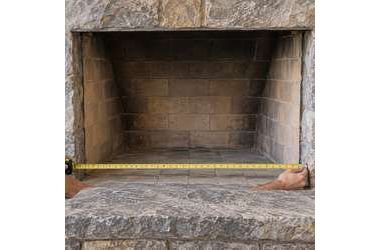
Fireplace Dimensions: Check the framing dimensions in the manual before construction begins, since they’re often larger than the fireplace itself. For example, the Boulevard 72 direct vent needs a framed opening over 91 inches wide. Building the wall to the wrong size can lead to costly rework.
Clearance Requirements: Every model has specific clearances to combustible materials, including mantels, walls, and ceilings. Empire’s manuals also warn against hanging stockings, greeting cards, or decorations on the fireplace, since the heat can ignite them. Following the required clearances is essential for safety and for keeping your warranty valid.
Local codes can affect your options too. Some areas limit or ban vent free fireplaces, especially in bedrooms and bathrooms, so check with your local building department before you buy.
Most Empire gas fireplaces cost roughly $1,800 to $10,000+ for the unit itself. Installation, venting, and gas line work can add a significant amount to that. Your total depends on the model, size, vent type, and how complex the installation is. Keep in mind that the prices below are general estimates. They can change over time and vary depending on where you live and local labor and fuel rates.
Equipment Cost: The fireplaces typically cost between $1,500 and $8,000, though a few models cost more. The one expensive fireplace on HVACDirect.com is just over $10,000 and is the Empire Boulevard 72-inch Linear Direct Vent model, while the most affordable is the Empire Vail 26-inch Ventless one. The cost varies by model, style type, heating capacity, and add-on features.
Operation Cost: Gas fireplaces are usually one of the least expensive types to run. A 40,000 BTU fireplace burns about 0.4 therms of natural gas per hour on high, which often works out to roughly 40 to 80 cents per hour depending on local rates. On propane, the same fireplace uses about 0.44 gallons per hour, which may cost $1 to $1.50 or more per hour. Turning the flame down or using a thermostat can lower these numbers.
Venting Cost: Direct vent fireplaces need vent pipe, a termination cap, and any required elbows or extensions, which often add several hundred dollars to over $1,000 depending on the length and complexity of the run. Vent free fireplaces don’t need venting at all, which can make them less expensive to install.
Maintenance Cost: We recommend having your gas fireplace inspected before first use and at least once a year after that. An annual service visit typically runs around $100 to $250 and includes checking the pilot, burner, safety controls, and vent. Replacement parts like thermocouples, batteries, or gaskets are usually inexpensive if needed.
You almost always need a permit to install a traditional fireplace, and standalone permit fees typically cost between $100 and $500. The exact permit required depends entirely on the fuel type, as traditional setups require separate building, mechanical, plumbing, or electrical approvals.
HVACDirect.com is a great place to buy Empire gas fireplaces because we offer competitive pricing, a wide selection of different products, fast and free shipping, products from the top brands, and knowledgeable support to help you choose the right model. Whether you’re replacing an old fireplace or building a new one, we can help you find the right fit. Here’s why homeowners shop with us.
Competitive Pricing: You can compare hundreds of products online from the comfort of your own home without any sales pressure. We offer frequent sales and discounts. Our 110% Lowest Price Guarantee means that we will match any competitor price by 10% lower.
Wide Selection of Products: We carry a wide range of Empire fireplaces, including Tahoe, Rushmore, Boulevard, Vail, and Loft models. You’ll find direct vent and vent free options in traditional, linear, and multi-sided styles, along with inserts for existing fireplaces. We also stock many of the liners, log sets, remotes, and trim kits needed to complete your installation.
Trusted Brands: Empire has been building gas heating products since 1932 and is known for American-made quality. Along with Empire, we carry other trusted hearth brands so you can compare options side by side. Every brand we carry stands behind its products with manufacturer warranties.
Fast Shipping: We ship quickly from our warehouses (located throughout the United States) so you can get your fireplace installed without long delays. We do not ship to Hawaii or Alaska. Shipping is also usually free and we have shipping options like adding a lift gate to make the delivery even more easy.
Wholesale Pricing: By selling wholesale and skipping the middleman, you can avoid the markups associated with them. We also offer financing products, such as Bread Pay, to help spread out the cost.
Expert Support: Our team can help you compare models, check vent requirements, and figure out which accessories you’ll need. If you’re unsure whether direct vent or vent free makes more sense for your home, we can walk you through the pros and cons. Our decades of experience in the heating and cooling industry help us assist you with both pre- and post-sales questions.
Our website is designed to make your shopping experience easier. You can easily filter Empire gas fireplaces by brand, heating capacity, size, and type with just the click of a mouse. On each product page, we list recommended compatible accessories as well.

Not necessarily. Many of the fans we offer are energy-efficient and can actually reduce load on your HVAC system by exhausting hot or humid air before your AC must work harder. This can improve system efficiency and long-term cost-effectiveness.
For minimal noise, choose a larger-diameter fan so it can run at lower speed while still moving sufficient air. Also ensure proper installation (tight hardware, clean blades, minimal obstructions) for best results.
We offers a wide selection—from compact bathroom exhaust fans to ceiling models to whole-house systems. A good start is assessing the scope of the space (single room vs entire home), airflow requirements, ducting configuration, and whether you need inline or dedicated ventilation. Our experts can help you calculate the proper CFM (cubic feet per minute) and recommend the perfect unit for your specific application. Send us an email or Contact our customer service team and we'll be happy to help you out.
Not usually. Many fans are energy efficient and only run when needed. Some models even integrate with sensors (humidity, motion) so they turn on and off automatically.
You can use it all year. In summer it removes humid air; in winter it can help distribute warm air or manage air changes in sealed homes. Many homeowners install fans with sensors to activate only when needed.
For optimal performance, clean your fan blades and grille every 6–12 months. Dust and debris can restrict airflow and increase noise. Some models feature easy-access panels that make maintenance simple and quick.