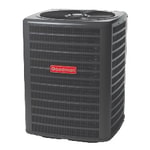
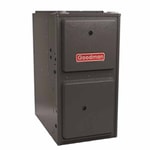
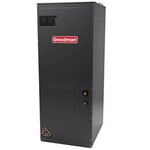
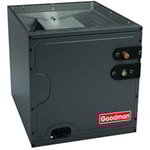
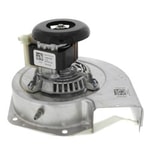
Goodman AC Units, Furnaces, and Heat Pumps

Goodman is one of the most trusted HVAC manufacturers in the U.S., offering reliable and affordable heating and cooling solutions. At HVACDirect.com, you can buy Goodman furnaces, air conditioners, heat pumps, and complete HVAC systems online with fast shipping and expert support.

Why Choose Goodman HVAC Units?

Goodman HVAC units are known for durability, energy efficiency, and value. Whether you’re replacing an older system or installing new equipment, Goodman furnaces and AC units provide dependable comfort backed by strong manufacturer warranties.

  • High-efficiency Goodman furnaces and AC units
  • Multiple sizes and configurations available
  • Excellent value for residential heating and cooling
  • Strong manufacturer warranty support

Goodman Furnace & AC Systems

Goodman furnace and air conditioner systems are a reliable, cost-effective solution for complete home comfort.

Shop Goodman Furnace & AC Systems
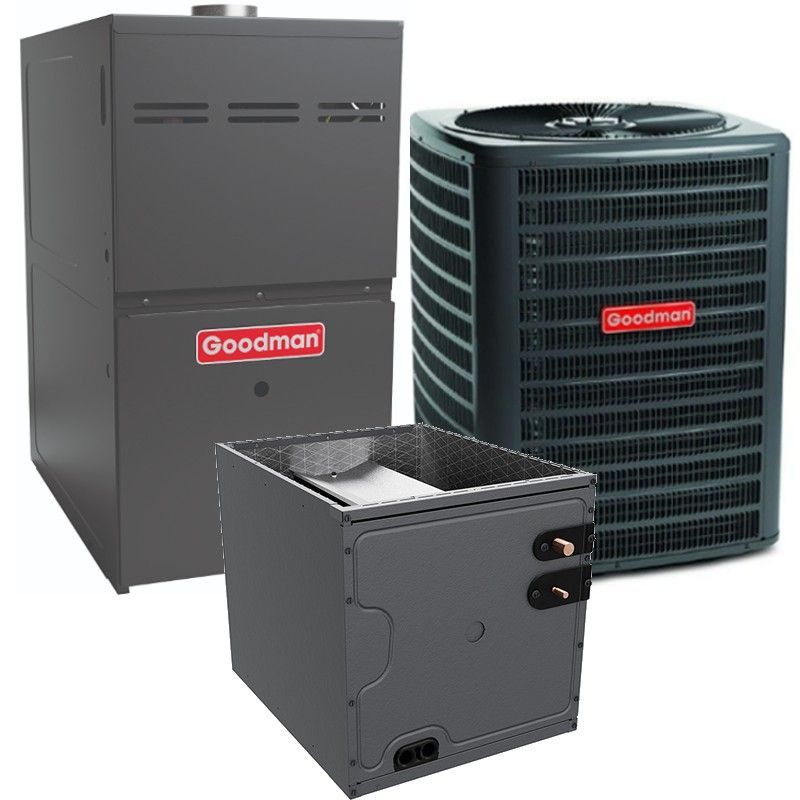
Goodman furnace and air conditioner systems

Goodman Furnaces

Goodman furnaces deliver reliable heating performance for homes of all sizes. Available in multiple efficiency ratings and configurations, Goodman gas furnaces are a popular choice for homeowners looking for dependable and cost-effective heating solutions.

Shop Goodman Furnaces
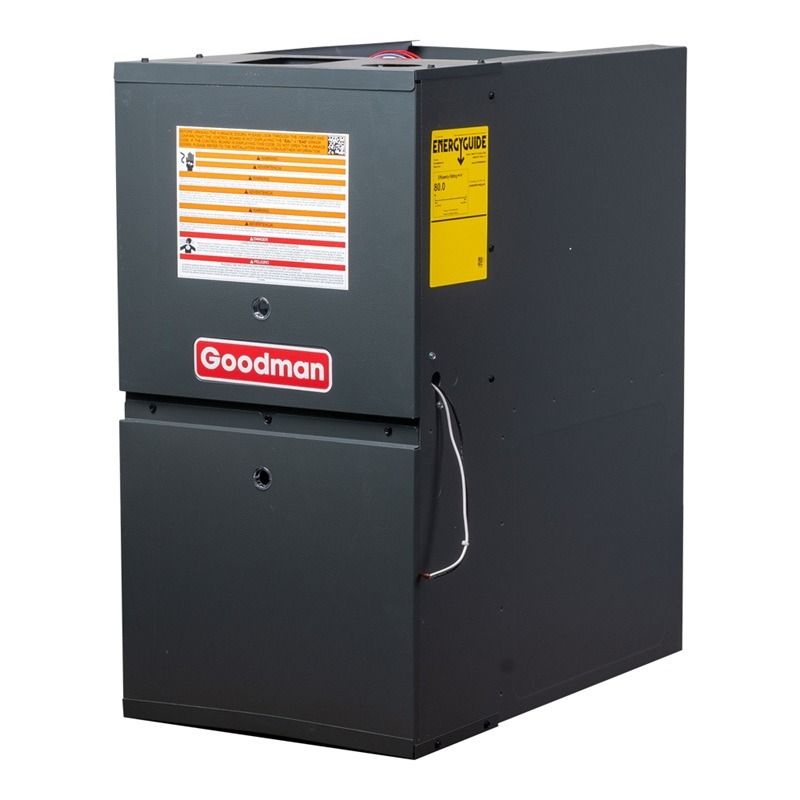
Goodman furnaces

Goodman Air Conditioners

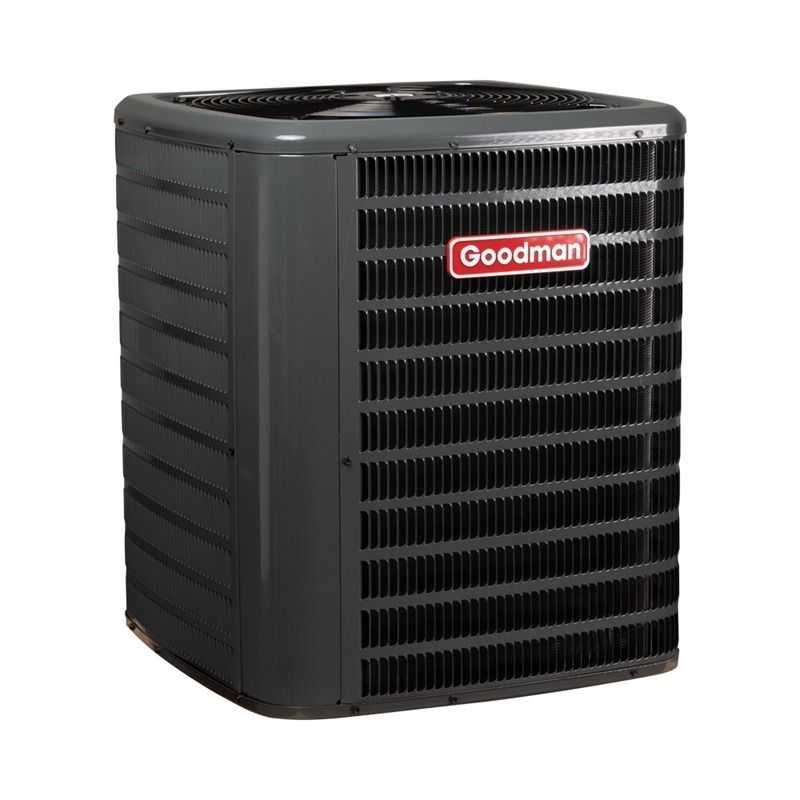
Goodman air conditioner units provide powerful and efficient cooling during hot weather. Designed for long-term reliability, Goodman AC systems are available in a range of sizes to meet different home cooling needs.

Shop Goodman AC Units
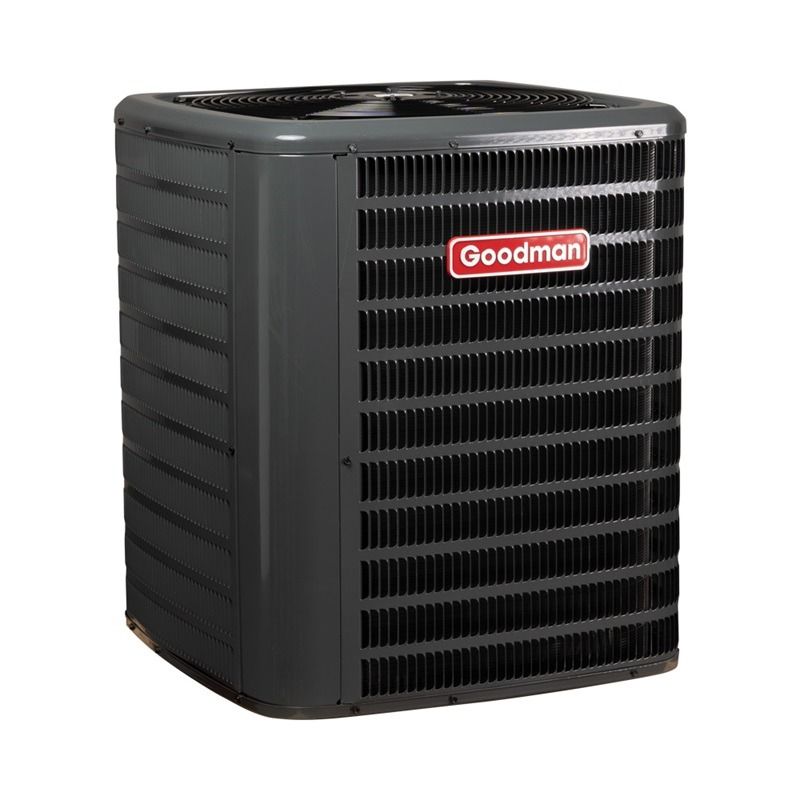
Goodman Air Conditioners

Goodman Air Conditioner Systems

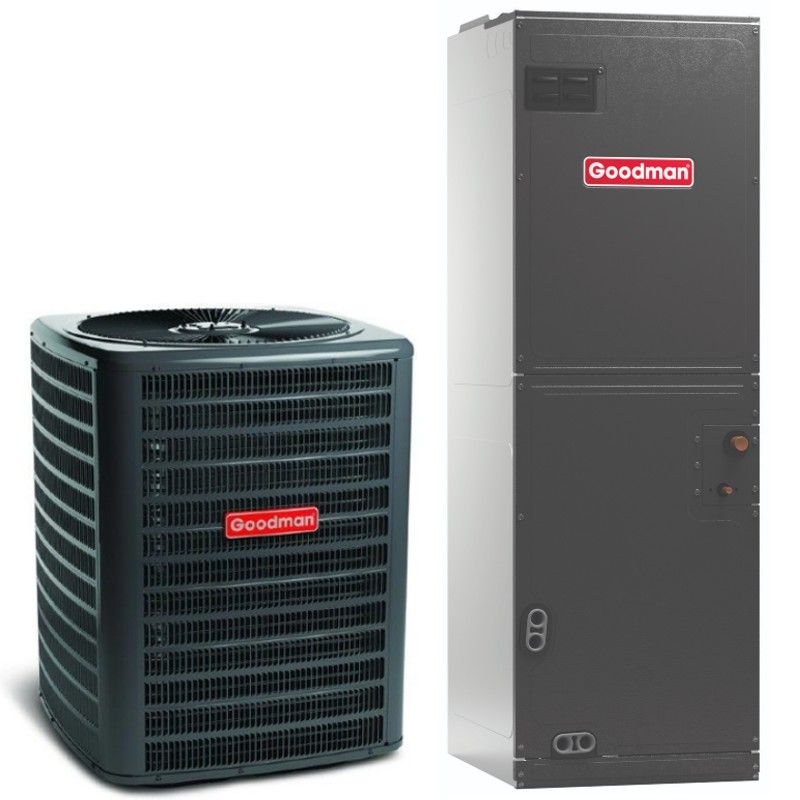
Goodman AC systems consist of a condenser and air handler. They are great for homes that only need air conditioning.

Shop Goodman AC Systems
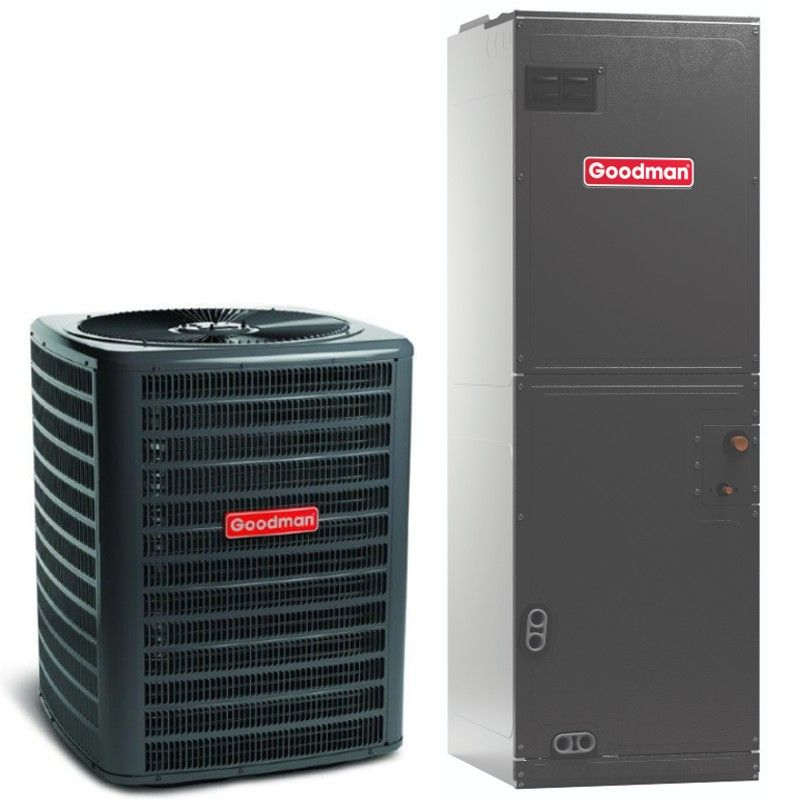
Goodman Air Conditioner Systems

Subcategories

Goodman HVAC Systems

Founded in 1975 and acquired by Daikin in 2012, Goodman manufactures residential and light-commercial HVAC systems that are known for affordable pricing, broad model availability, and warranties of up to 10 years on select registered equipment. Backed by decades of engineering experience and the manufacturing resources of Daikin, Goodman products are recognized for durability, warranty coverage, and performance in residential and light-commercial applications.

Goodman HVAC systems are available through HVACDirect.com at wholesale pricing, with distribution warehouses located throughout the continental U.S. for fast delivery. Unlike general online retailers, HVACDirect.com specializes in heating and cooling equipment, so customers have access to experienced HVAC professionals who can help answer questions about system sizing, equipment compatibility, matched components, and what is included with an order. If you are unsure which Goodman system fits your home or whether the equipment you are considering will work together, the support team can help you review the details before you buy and prepare for professional installation.
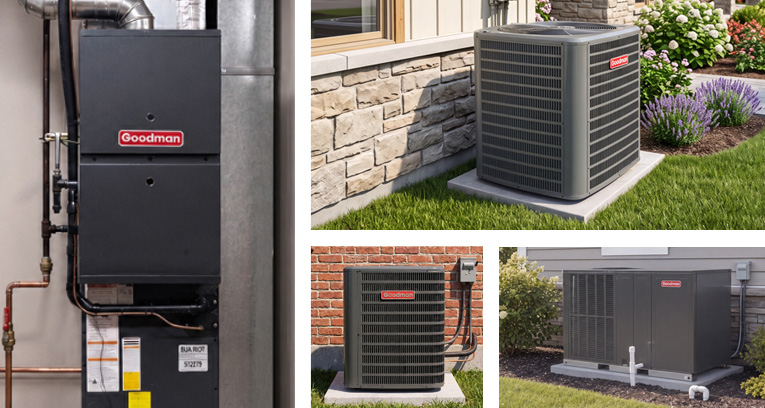
Founded in 1975 and acquired by Daikin in 2012, Goodman manufactures residential and light-commercial HVAC systems that are known for affordable pricing, broad model availability, and warranties of up to 10 years on select registered equipment. Backed by decades of engineering experience and the manufacturing resources of Daikin, Goodman products are recognized for durability, warranty coverage, and performance in residential and light-commercial applications.

Goodman HVAC systems are available through HVACDirect.com at wholesale pricing, with distribution warehouses located throughout the continental U.S. for fast delivery. Unlike general online retailers, HVACDirect.com specializes in heating and cooling equipment, so customers have access to experienced HVAC professionals who can help answer questions about system sizing, equipment compatibility, matched components, and what is included with an order. If you are unsure which Goodman system fits your home or whether the equipment you are considering will work together, the support team can help you review the details before you buy and prepare for professional installation.

Is Goodman a reliable HVAC brand?

Goodman is regarded as a trusted HVAC brand for homeowners and contractors, with proven performance, affordability, and industry-backed warranties. Its reliability comes from a combination of product testing, service-friendly construction, a wide equipment range, and the manufacturing resources of parent company Daikin. Below are other factors that help Goodman stand out from its competitors:

  • Exceptional Value: Goodman has built its reputation around affordable residential and light-commercial HVAC equipment with options across air conditioners, heat pumps, furnaces, packaged systems, air handlers, and coils. This broad product range allows buyers to choose a complete matched system or replace only the equipment their project requires.
  • Multiple Quality Checks Before Shipping: Goodman operates from manufacturing facilities certified to ISO 9001 quality standards and ISO 14001 environmental standards. Each Goodman product is tested three times before leaving the assembly line, including an actual run test designed to identify potential problems before the equipment ships.
  • Industry-Leading Warranty Coverage: Some Goodman HVAC systems include enhanced limited warranty coverage that adds long-term value for homeowners. Depending on the model, coverage may include a Limited Lifetime Compressor or Heat Exchanger Warranty, a 10-Year Unit Replacement Limited Warranty, and a 10-Year Parts Limited Warranty. Eligible products generally must be registered within 60 days of installation to receive enhanced benefits, although coverage and registration requirements vary by model and location.
  • Backed by Daikin: As part of Daikin, Goodman benefits from the resources of one of the world’s largest HVAC manufacturers. The 4.2-million-square-foot Daikin Texas Technology Park brings Goodman manufacturing, engineering, logistics, and customer support together in one facility. Select premium Goodman systems also include technologies such as ComfortBridge for system communication and diagnostics and Copeland scroll compressors for staged or variable-capacity operation.
  • Service-Friendly Component Access: Many Goodman systems are designed with practical service features such as single-panel access to controls, accessible service valves, and easy-to-reach gauge ports. These details can make routine diagnostics, refrigerant checks, and component service more straightforward for HVAC technicians.
  • Durable Cabinet Construction: Goodman uses heavy-gauge steel cabinets and durable painted finishes on many systems to help protect internal components from outdoor exposure. Most of these cabinets have even been tested to withstand 500 hours of salt-spray exposure. Specific construction varies by model, but the brand consistently emphasizes practical cabinet protection rather than decorative exterior design.
  • Nationwide Parts & Service Availability: Goodman supports a broad network of independent HVAC dealers and distributors across the U.S. Homeowners can use Goodman’s Dealer Locator to find local service providers, while licensed technicians can work with local distributors and Goodman technical support when replacement parts or additional diagnostic assistance are needed.
  • Contractor-Friendly Design: Goodman includes installation-focused features on many models, such as factory-installed filter driers, outdoor units pre-charged for up to 15 feet of refrigerant tubing, and multi-position indoor equipment for different installation layouts. Select ComfortBridge-equipped systems also allow technicians to complete commissioning and diagnostics through Bluetooth using the CoolCloud app.

The Goodman systems currently available on HVACDirect.com range from 13 to 17 SEER2 for air conditioning and 80% to 97% AFUE for gas heating, giving buyers several efficiency and equipment configurations to compare. Looking beyond the brand name to the exact model, matched components, installation position, and warranty terms helps buyers choose the Goodman system that best fits their home and budget.


What HVAC systems does Goodman make?

Goodman makes seven primary HVAC product categories: air conditioners, heat pumps, furnaces, air handlers, coils, packaged units, and complete split systems for residential and light-commercial applications. These products can be combined in several ways to provide heating only, cooling only, or year-round heating and cooling for single-family homes, manufactured homes, small offices, and other light-commercial spaces.

Goodman heating only systems & units

  • Goodman Gas Furnaces: Goodman offers 80% AFUE and high-efficiency 90%+ AFUE gas furnaces for homes with natural gas or propane service. Depending on the model, buyers can choose from single-stage, two-stage, or modulating heat output, along with multi-speed or variable-speed blower motors for different levels of comfort and efficiency.
  • Goodman Electric Furnaces: For homes without natural gas, Goodman modular blowers and air handlers can be paired with electric heat kits to provide electric resistance heating. These configurations are commonly used in all-electric homes and can also be matched with central air conditioning equipment for a complete heating and cooling system.

Goodman cooling only systems & units

  • Goodman Air Conditioners: Goodman central air conditioners remove heat and humidity from the home through a split system consisting of an outdoor condenser and compatible indoor equipment. Available models range from straightforward single-stage units to higher-efficiency systems with more advanced compressor operation and comfort controls.
  • Goodman Air Handlers: Air handlers contain the blower and indoor coil needed to move conditioned air through the home's ductwork. They are commonly paired with Goodman air conditioners or heat pumps and are available in different configurations, including multi-positional options for upflow, downflow, or horizontal installations.
  • Goodman Evaporator Coils: Evaporator coils serve as the indoor heat-transfer component of a split HVAC system. Goodman offers different sizes, cabinet styles, and airflow configurations for use with compatible air conditioners, heat pumps, and furnaces.
  • Goodman Coil Systems: Goodman coil systems combine compatible indoor equipment for projects that do not require a complete indoor and outdoor HVAC package. Available configurations may include furnace-and-coil and heat-pump-and-coil combinations for system replacements or custom equipment setups.
  • Goodman Air Conditioner Systems: Complete air conditioner systems pair an outdoor Goodman condenser with compatible indoor equipment, such as an air handler and evaporator coil. These systems provide central cooling and are commonly used in homes with a separate heating source or no need for a gas furnace.

Goodman heating & cooling systems & units

  • Goodman Heat Pumps: Heat pumps provide both heating and cooling by reversing the refrigeration cycle. During summer, they move indoor heat outside, while during winter, they transfer available outdoor heat into the home, making one outdoor unit capable of providing year-round comfort.
  • Goodman Split Systems: Split systems combine indoor and outdoor units for whole-home climate control. These systems offer flexibility, efficiency, and reliable temperature management across seasons.
  • Goodman AC & Furnace Systems: These complete systems combine an outdoor air conditioner with an indoor gas furnace and evaporator coil. The air conditioner provides summer cooling, while the furnace supplies gas heat during colder weather and uses its blower to circulate conditioned air.
  • Goodman Heat Pump Systems: Complete heat pump systems pair an outdoor heat pump with compatible indoor equipment, such as an air handler or evaporator coil. Because a heat pump can reverse the refrigeration cycle, one system can provide both heating and cooling.
  • Goodman Dual-Fuel Systems: Dual-fuel systems combine an electric heat pump with a gas furnace. The heat pump can provide heating during milder conditions, while the furnace takes over when gas heat is needed during colder weather.
  • Goodman Mobile Home HVAC Equipment: Goodman equipment is available for manufactured and mobile homes, including air conditioner systems, heat pump systems, coil systems, packaged units, and standalone outdoor equipment. These properties may have different airflow, ductwork, and installation requirements than conventional site-built homes.
  • Goodman Multi-Tenant Systems: Goodman wall-mounted split systems provide individual heating and cooling for apartments and other multi-tenant properties. These systems allow separate living spaces to have dedicated climate control rather than relying on one central system for an entire building.
  • Goodman Packaged HVAC Units: Goodman packaged units place the major heating and cooling components inside one outdoor cabinet, eliminating the need for separate indoor and outdoor equipment. These systems are commonly used when indoor mechanical space is limited or when a property is already designed for rooftop or ground-level packaged equipment.

Goodman also offers replacement parts for existing air conditioners, furnaces, heat pumps, and other equipment. Replacement components should be selected using the exact equipment model and original part number, since parts that look similar may not be compatible with every Goodman system.


Which spaces are ideal for Goodman HVAC systems?

Goodman HVAC systems are commonly used in residential properties such as single-family homes, apartments, townhomes, manufactured homes, and rental units. They are also suitable for light commercial spaces, including small offices, retail locations, workshops, and similar buildings with moderate heating and cooling needs. The best application depends on the property’s size, layout, ductwork, climate, and existing equipment.

Goodman HVAC systems for residential spaces

Goodman HVAC systems are ideal for single-family homes, replacement systems, rental properties, manufactured homes, and budget-conscious HVAC upgrades.

  • Single-Family Homes: Goodman systems are commonly used for both new installations and replacement projects in single-family homes. For example, a homeowner with a compatible furnace that is still in good condition can replace aging cooling equipment with a matched Goodman R-32 air conditioner and evaporator coil, while a complete Goodman furnace and AC system may make more sense when both heating and cooling equipment are nearing the end of their service life. Goodman also offers heat pump and packaged system options for homes with different fuel sources, climates, and equipment layouts.
  • Apartments and Condos: Goodman offers compact systems for apartments, condos, townhomes, and multifamily properties where indoor equipment space may be limited. One example is a Goodman wall-mount split system that pairs an outdoor condenser with a compact AWST air handler that can be installed vertically or mounted in a wall recess while still serving a ducted space. Goodman also offers multifamily heat pumps in smaller residential capacities, giving property owners options for both replacing aging equipment in individual units and specifying systems for new multifamily construction.
  • Mobile and Manufactured Homes: Goodman offers HVAC equipment for manufactured and mobile home applications, including air conditioner systems, heat pump systems, coil systems, and packaged units. These options help accommodate the different ductwork, airflow, and installation layouts found in manufactured housing.
  • Basements and Additions: Finished basements, converted living areas, and home additions may require additional heating and cooling when the existing central system cannot adequately serve the new space. Depending on the property layout, buyers may need to expand the existing HVAC system, replace it with properly sized equipment, or install a separate solution for the added area.
  • Rental Properties: Goodman systems can be a practical option for landlords and property managers replacing aging equipment in single-family rentals, duplexes, and other residential properties. The availability of complete systems, standalone replacement equipment, and Goodman replacement parts gives property owners multiple options when repairing or upgrading an existing HVAC setup.
  • Townhomes and Duplexes: Townhomes and duplexes often have limited mechanical space and may require separate HVAC systems for each residence. Goodman split systems, heat pumps, and compact equipment configurations can provide independent whole-home comfort while working within tighter installation areas. Heat pumps are especially useful in moderate climates, while AC and furnace systems can provide stronger winter heating in colder regions.

The best Goodman system for a residential property depends on the combination of home layout, existing equipment, fuel source, and local climate. Buyers should identify those factors first, since the right choice for a cold-climate single-family home, such as a traditional furnace and AC system, may be very different from the best system for a manufactured home or apartment in a warmer region, such as an all-electric heat pump.

Goodman HVAC systems for commercial spaces

In addition to residential homes, Goodman systems are frequently installed in light-commercial spaces such as offices, retail shops, churches, restaurants, workshops, service businesses, and multi-family common areas. Depending on the building, Goodman split systems, heat pumps, furnaces, and packaged units can provide heating and cooling for properties that do not require large-scale commercial HVAC equipment.

  • Small Offices: Goodman systems can provide consistent heating and cooling for private offices, reception areas, conference rooms, and other small business spaces. Split systems and heat pumps are practical for buildings with existing ductwork, while packaged equipment may suit properties with limited indoor mechanical space.
  • Retail Shops: Stores and small showrooms need reliable temperature control throughout open sales floors, checkout areas, stockrooms, and employee spaces. Goodman air conditioners, heat pumps, and packaged units can support year-round comfort while offering different system configurations based on the building’s fuel source and existing HVAC layout.
  • Restaurants and Cafes: Goodman systems can help condition dining rooms, waiting areas, offices, and other light-commercial spaces within restaurants and cafes. Because food service buildings often have changing occupancy levels and heat-generating equipment, the system must be sized around the actual cooling load and used alongside any required kitchen hood, exhaust, makeup air, and ventilation systems.
  • Workshops and Service Centers: Repair shops, small production areas, and service businesses often experience changing heat loads from equipment, open doors, and varying occupancy. Goodman systems can provide central heating and cooling for these spaces, although buyers should account for high ceilings, poor insulation, dust, and frequent door openings when sizing equipment.
  • Churches and Community Spaces: Worship areas, meeting rooms, classrooms, and fellowship halls may sit partially empty during the week and fill quickly during services or events. Properly selected HVAC equipment can help manage these large swings in occupancy while maintaining comfort across spaces that may have different schedules and usage patterns.

Occupancy changes, business hours, ceiling height, outdoor air requirements, heat-producing equipment, insulation, and the number of separate comfort zones can all affect which system configuration will perform well in the space. Before choosing Goodman equipment for a light-commercial property, buyers should evaluate more than square footage alone. 


Does Goodman offer warranty coverage for their HVAC systems?

If you register online within 60 days of installation, you typically qualify for a 10-year parts warranty and either a lifetime compressor or lifetime heat exchanger warranty, depending on the type of HVAC system purchased. Some high-efficiency models may also include a 10-year unit replacement warranty, providing long-term value and protection. If you do not register the equipment, the warranty defaults to a 5-year parts warranty and a 20-year heat exchanger warranty. All warranties are only valid if installation is completed by a licensed technician.


How long do Goodman HVAC systems last?

With proper installation and routine maintenance, Goodman HVAC systems typically last 10 to 15 years, and some well-maintained systems can continue operating for 20 years or more. Airflow is one of the biggest lifecycle factors: Goodman recommends replacing filters every 30 to 90 days and notes that a clogged filter can increase air conditioner energy consumption by up to 15%, forcing the system to work harder. The outdoor unit also needs several feet of clear airflow and should be kept free of leaves, grass clippings, and other debris, since restricted heat transfer can increase operating pressure and place added strain on the compressor. Correct sizing and installation matter just as much, since restricted airflow, mismatched indoor and outdoor components, or an incorrect refrigerant charge can increase run time and accelerate wear on compressors, motors, and other major components. Factors such as climate, usage patterns, maintenance history, and installation quality can all impact the lifespan of an HVAC system.


Are Goodman HVAC systems energy efficient?

Goodman offers HVAC systems across a wide range of efficiency levels, allowing homeowners to balance upfront cost with long-term energy use. Depending on the model, Goodman air conditioners and heat pumps can exceed 20 SEER2, with select inverter-driven systems rated up to 22.5 SEER2, while gas furnaces reach up to 97% AFUE. More common options on HVACDirect.com include air conditioners from about 13.4 to 16 SEER2, furnaces at 80%, 92%, 96%, and 97% AFUE, and heat pumps ranging from standard single-stage models to higher-efficiency two-stage and inverter-driven systems. Packaged gas/electric units are also available with combined ratings such as 13.4 SEER2 and 81% AFUE. Buyers should compare the complete matched system because final efficiency ratings depend on how the outdoor unit, indoor coil, furnace, or air handler work together, not simply on one component.


Why buy Goodman HVAC systems from HVACDirect.com

When shopping for Goodman HVAC systems online, HVACDirect.com is a trusted source offering convenience, value, and expert support. We make it easier to see prices, review system options, and get expert help before placing a large order.

  • Competitive Pricing: HVACDirect.com sells Goodman equipment directly online, helping reduce layers of traditional middleman markup. Homeowners can see prices upfront and compare different systems without sitting through an in-home sales appointment.
  • Large, In-Stock Inventory: HVACDirect.com carries Goodman air conditioners, furnaces, heat pumps, complete systems, packaged units, coils, air handlers, and replacement parts. This broad selection gives buyers more options whether they are replacing one compatible component, upgrading an entire system, or planning a new installation.
  • Fast, Free Shipping: In-stock items typically ship within 1 to 3 business days and usually arrive within 5 to 10 business days total, depending on the delivery location. HVACDirect.com offers free shipping on most qualifying purchases within the 48 contiguous states, while the shipping timeframe listed on each product page can help buyers plan around their installation date. HVACDirect.com uses warehouse locations across the continental U.S. to help move equipment closer to customers and shorten shipping distances. This can be especially helpful when a failed HVAC system needs to be replaced quickly.
  • Professionally Matched Systems: HVACDirect.com offers complete Goodman system combinations that pair compatible condensers, coils, furnaces, and air handlers. This makes it easier to compare complete configurations rather than trying to determine on your own whether separately selected components are designed to work together. Buyers can compare Goodman systems, efficiency ratings, sizes, equipment combinations, and prices online at no cost. Everything is laid out before the purchase, making it easier to understand how one option differs from another.
  • HVAC Experts Available: Many members of the customer service team have years, and in some cases decades, of HVAC experience. Homeowners can ask questions about sizing, system types, equipment compatibility, and product differences before ordering, which is especially valuable when replacing a major system online.
  • Trusted by Hundreds of Thousands of Customers: HVACDirect.com has earned an overall rating of 4.8 out of 5 stars from more than 30,000 customer reviews. That volume of feedback gives buyers a much broader picture of the ordering experience than a handful of testimonials or manufacturer claims.

Our HVAC-experienced customer service team can build a cart with the recommended equipment and email it to you for review before anything is purchased. For homeowners who do not buy HVAC equipment every day, being able to compare systems, prices, and included components online with expert help available can make a major purchase easier to understand.
Recent Posts

How Can an A2L Mitigation Board Help You Replace Only Your AC Condenser?
When an older R-410A outdoor condenser fails, replacing the entire HVAC system is not always the only option. If the indoor evaporator coil or air handler is still in usable condition, an A2L refrigerant detection and mitigation kit may allow that indoor equipment to remain in place while the...
Read more
Can I Replace Just My Outdoor AC Unit?
When the outdoor portion of a central air conditioner fails, replacing only that unit can sound like the simplest and least expensive solution. Sometimes it is. However, a central split system is not a collection of interchangeable parts. The outdoor condenser and the indoor evaporator coil work...
Read more
R-410A air conditioner with repair or replace messaging for homeowners
Should You Repair or Replace an R-410A Air Conditioner?
Not sure whether to repair or replace your R-410A air conditioner? Compare system age, repair type, refrigerant costs, compatibility, and overall condition to determine which option makes the most sense. Existing R-410A systems can still be serviced, but major repairs may change the long-term value...
Read more
HVACDirect.com banner promoting central zoned mini split systems as the best replacement for old HVAC, highlighting whole-home heating and cooling with an extra zone
Upgrade Your Old Central AC: Why a Central Zoned Mini Split Is the Perfect Replacement
Upgrading from an old central AC system? A central zoned mini split is the smart replacement that combines the familiar comfort of ducted air with the flexibility of ductless zones. With one powerful outdoor unit, you can heat and cool your main living areas plus add independent comfort to garages,...
Read more

Call Now and Get a Free Quote Today! 1-800-397-1392

FAQs about Goodman HVAC systems

Goodman HVAC systems are manufactured by Goodman Manufacturing, part of Daikin Group. Daikin acquired Goodman in 2012 and is a major global manufacturer of residential and commercial heating and cooling equipment. For homeowners, this means Goodman operates with the manufacturing resources and HVAC experience of a much larger parent company while continuing to offer its own lineup of air conditioners, furnaces, heat pumps, and packaged systems.

Licensed HVAC professionals should install Goodman systems to ensure proper setup, safety, and code compliance. Installation can involve high-voltage electrical work, gas connections, refrigerant lines, condensate drainage, system startup, and local permits, while anyone working on the refrigerant circuit must have the required EPA certification.

Homeowners can also use the HVACDirect.com Installer Network to search by ZIP code or location for local HVAC professionals who can install their Goodman equipment.

You should repair a Goodman HVAC system when it shows signs of reduced performance but is still relatively young and otherwise in good condition. Common indicators include unusual noises, inconsistent temperatures, weak airflow, higher energy bills, or frequent cycling on and off. If your system is over 10 to 15 years old, requires frequent repairs, or has declining efficiency, it may be time to consider replacement.

The type of repair matters too. Replacing a capacitor, contactor, thermostat, or other smaller component may make sense on an otherwise dependable system, while a failed compressor, leaking coil, cracked heat exchanger, or repeated refrigerant leak deserves a closer look at the system’s age and remaining warranty coverage. Homeowners should also compare how many repairs the system has needed over the last two or three years rather than judging the latest repair bill by itself.

Goodman HVAC system total costs vary based on the equipment type, size, efficiency level, local labor rates, and installation requirements, often starting at just over $1,000 and passing $10,000. Here’s a typical breakdown of potential costs:.

  • Typical Equipment Costs: Goodman gas furnaces can start around $1,100, AC condensers commonly range from about $1,600 to $2,800, and complete furnace and AC systems often cost about $3,500 to more than $6,500. Complete heat pump systems may range from roughly $3,700 to over $10,000, while packaged systems generally start around $4,000 to $5,000 or more.
  • Installation and Labor Costs: Professional installation typically adds $1,200 to $4,500 to the total project cost, generally accounting for 35% to 45% of the overall invoice. Professional installation is added separately and varies by system type, local labor rates, and project complexity. Permits, electrical upgrades, refrigerant line work, ductwork changes, equipment removal, and difficult access can all increase the final cost.
  • Operating Costs: Monthly costs depend on system efficiency, local utility rates, climate, home size, and usage. A central Goodman AC or heat pump may typically cost about $40 to $150 per month to operate during active heating or cooling seasons, although larger systems, extreme weather, and higher local electricity rates can increase costs. Gas furnace expenses depend on local natural gas prices and heating demand. System efficiency, home size, insulation, thermostat settings, and climate all affect the final amount.

Additional costs may also include thermostats, equipment pads or mounting brackets, line sets, drain accessories, surge protection, and other installation materials required for the specific Goodman system.

Yes, HVACDirect.com allows homeowners to purchase Goodman systems directly without a contractor license or EPA certification. Buying the equipment and installing it are two different things, however. Goodman systems are designed for installation by qualified HVAC technicians, and refrigerant work must be completed by a properly certified technician. Because equipment sales are not state-regulated, online distributors and specialty retailers allow homeowners to buy complete systems directly.

Before installing a Goodman HVAC system, make sure the unit is the right size for your home so it can heat and cool efficiently. Check that your home's electrical system matches the unit's power requirements and that the installation area has enough space and proper ventilation. It's also a good idea to inspect existing ductwork and refrigerant lines to see if any upgrades are needed. Following Goodman's installation guidelines and local building codes can help ensure the system runs safely and performs as expected. The expert support team at HVACDirect.com can help you identify the best system for your existing setup to ensure you purchase the proper equipment.

You can determine the age of a Goodman HVAC system by locating the model and serial number on the unit’s rating plate. On many modern Goodman units with a 10-digit serial number, the first two digits indicate the year and the next two indicate the month. For example, a serial number beginning with 1807 generally points to July 2018.
blockboard tech