Your cookie preferences
We use cookies to remember your preferences and understand how shoppers use our site, helping us improve your shopping experience.
Read our privacy policyGoodman gas furnaces are available in popular heating capacities from 30,000 to 120,000 BTU, with efficiency options including 80% AFUE, 92% AFUE, 96% AFUE, and 97% AFUE models. Use the filters on this page to compare Goodman furnaces by BTU size, airflow direction, cabinet width, burner stage, and Low NOx or Ultra-Low NOx requirements.
For replacement projects, the most important choices are furnace size, airflow direction, cabinet width, fuel type, and efficiency rating. If you are matching an existing system, check the model number, installation orientation, venting type, and available cabinet space before ordering.
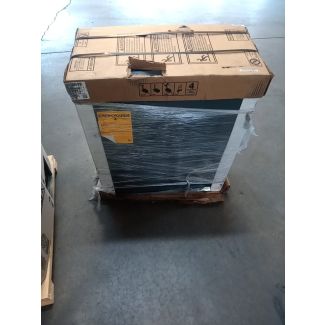

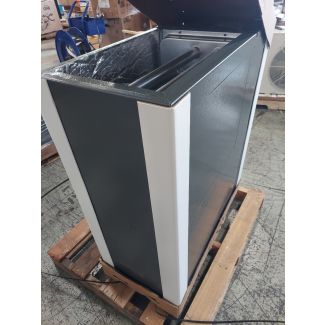
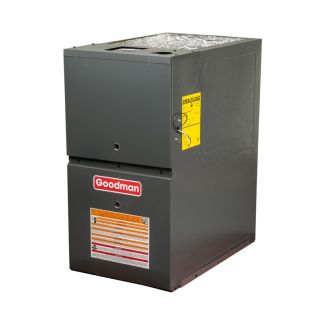
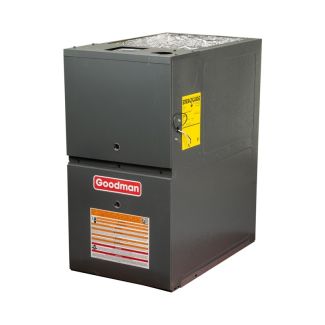
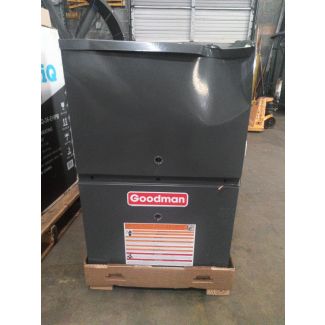
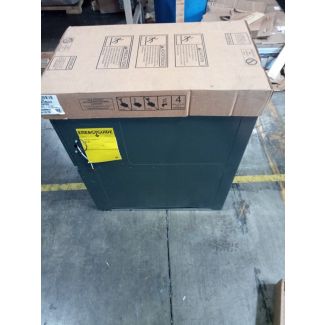
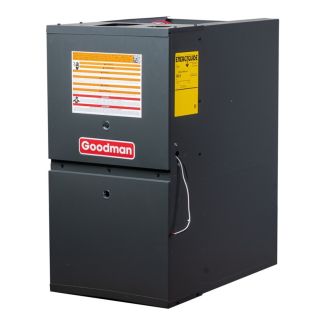
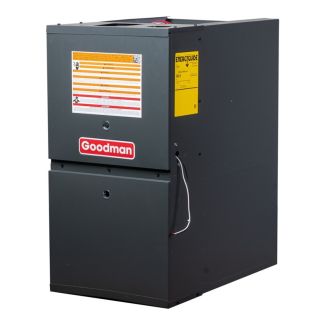
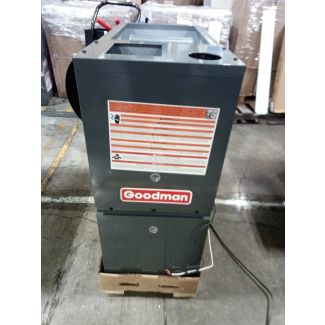
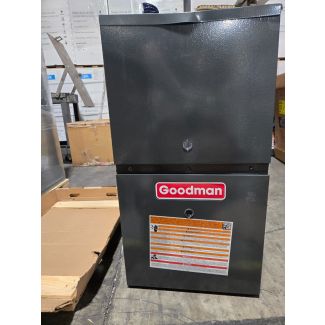
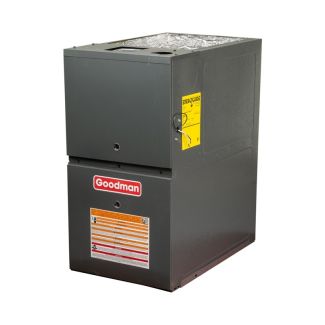
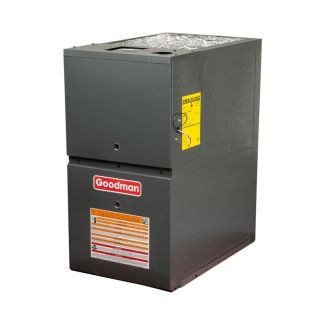
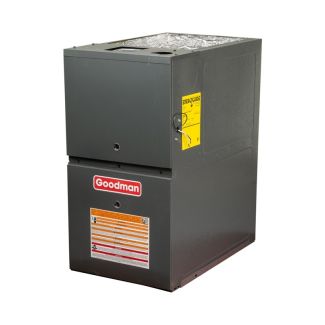
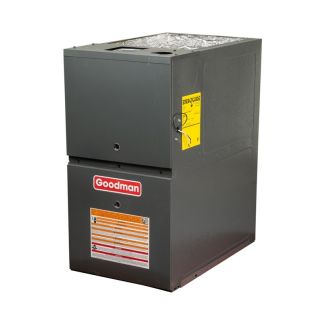
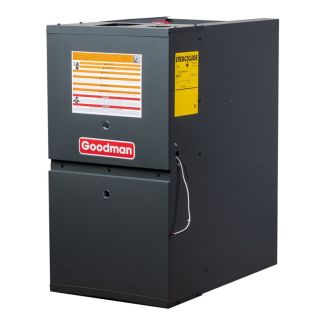
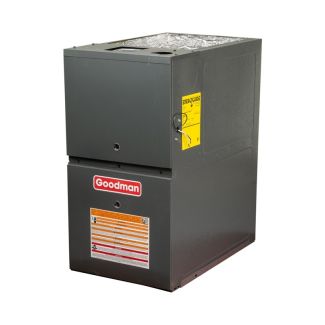
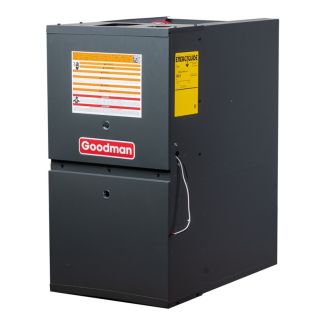
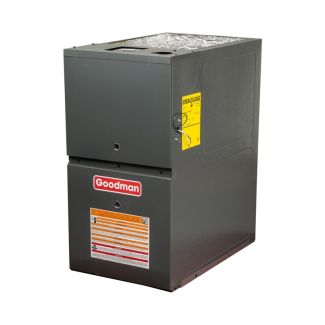
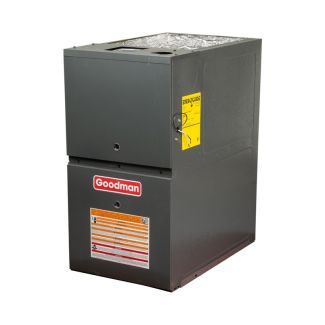
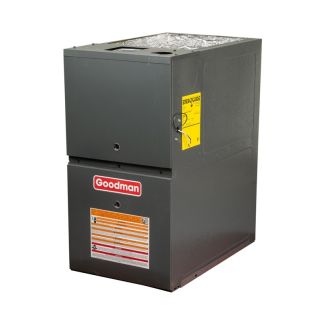
Goodman furnaces are largely residential heating systems engineered to generate heat through forced air distribution. Depending on the model, these furnaces work by generating heat using natural gas, propane, or electric heating elements. Gas and propane furnaces burn fuel inside a heat exchanger, while electric furnaces use internal electric heating elements to produce warm air. In all cases, a multi-speed or variable-speed blower motor circulates air across the heating components and distributes conditioned air through the home's ductwork to maintain indoor comfort.
High-efficiency condensing furnaces typically include condensate drains that remove moisture produced during the heating process. If these drains become clogged with dust, debris, or buildup, the blockage can reduce system efficiency, trigger safety limit switches, and lower overall heating performance.
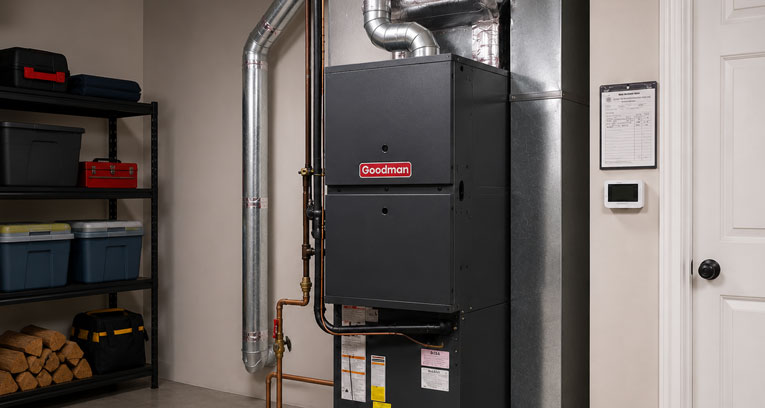
Goodman furnaces are largely residential heating systems engineered to generate heat through forced air distribution. Depending on the model, these furnaces work by generating heat using natural gas, propane, or electric heating elements. Gas and propane furnaces burn fuel inside a heat exchanger, while electric furnaces use internal electric heating elements to produce warm air. In all cases, a multi-speed or variable-speed blower motor circulates air across the heating components and distributes conditioned air through the home's ductwork to maintain indoor comfort.
High-efficiency condensing furnaces typically include condensate drains that remove moisture produced during the heating process. If these drains become clogged with dust, debris, or buildup, the blockage can reduce system efficiency, trigger safety limit switches, and lower overall heating performance.
Goodman is known for value-focused furnaces with broad availability, strong warranty coverage, and long service life when properly installed and maintained. With proper installation and maintenance, Goodman furnaces can last 15 to 20 years.
Strong Warranty Coverage: Goodman offers more robust manufacturer protections in the industry, including a commonly-held 10-year parts limited warranty and a lifetime heat exchanger limited warranty upon online product registration within 60 days of a licensed installation. However, not all Goodman furnaces carry the same heat exchanger warranty. Some offer lifetime coverage, while others offer limited-term coverage. More importantly, the warranty is void if the furnace is not installed by a licensed technician.
Exceptional Value: Throughout its history, the brand has focused on a "no-nonsense" design philosophy that eliminates unnecessary electronic add-ons, providing a lower upfront cost than premium brands while delivering comparable heating capacities.
Backed by Daikin: Since being acquired by global HVAC leader Daikin in 2012, Goodman furnaces are built inside a U.S. manufacturing facility that enforces rigorous quality-control benchmarks and tight manufacturing tolerances.
High-Efficiency Models Available: The furnace lineup features advanced condensing options reaching up to 98% AFUE ratings, utilizing self-calibrating gas valves and variable-speed electronically commutated blower motors (ECM) to dramatically reduce seasonal utility bills.
Durable Heat Exchanger Design: Most Goodman furnaces utilize a patented, heavy-gauge aluminized-steel tubular heat exchanger constructed with specialized wrinkle-bend technology to maximize thermal heat transfer and resist structural stress.
Easy Serviceability: Because Goodman is a high-volume, widely installed brand across North America, its internal components are non-proprietary and universally accessible, ensuring that local technicians can easily source replacement parts and execute routine maintenance without supply-chain delays.
Ultimately, these engineering choices make Goodman a safe investment for homeowners who prioritize long-term equipment reliability over high-end brand markups. By anchoring their product line with a Daikin manufacturing foundation and backing it with extensive structural warranties, the brand ensures your property stays efficiently heated season after season without breaking your budget.
Goodman makes gas furnaces, electric furnaces, and furnace-and-AC system bundles. Goodman also offers select blower and air handler models that can be paired with electric heat kits to provide all-electric heating for homes without access to natural gas or propane. Goodman furnace types include single-stage gas, two-stage gas, modulating gas, and electric options. Goodman furnaces are also offered in a variety of heating capacities (BTUs), AFUE efficiency ratings, upflow configurations, downflow layouts, and horizontal configurations.
Goodman gas furnaces are available in single-stage, two-stage, and modulating models. Homeowners can select from distinct thermal firing assemblies engineered to meet structural comfort constraints while balancing equipment budget limitations.
Single Stage Gas Furnaces: Operate at full heating capacity whenever heat is needed, offering dependable performance and excellent value for budget-conscious homeowners.
Two Stage Gas Furnaces: Can operate at a lower heating output during milder conditions and full capacity when additional heat is required, helping improve comfort and efficiency.
Modulating Gas Furnaces: Continuously adjust heating output to closely match the home's heating demand, providing precise temperature control, enhanced comfort, and maximum efficiency.
Selecting the appropriate layout depends on regional climate severity and installation space constraints. 80% AFUE models typically use metal venting, while 90%+ condensing models use PVC venting.
Goodman electric furnaces use internal electric heat kits to provide all-electric heating, which provides full residential climate control without relying on natural gas or propane lines. These all-electric heating systems provide electric resistance heat for homes without gas or propane. Many models offer heating capacities ranging from 5 kW to 20 kW and can be paired with a compatible central air conditioner or heat pump to create a complete ducted, year-round heating and cooling system.
Goodman propane furnaces provide reliable heating for homes without access to natural gas service, making them a popular option in rural areas and off-grid locations. Many Goodman gas furnaces can be converted from natural gas to propane with an approved LP conversion kit. These furnaces deliver dependable forced-air heating while utilizing existing ductwork and can be paired with central air conditioning systems for year-round comfort.
Goodman furnace and AC systems combine heating and cooling components into one matched package. These paired bundles are featured in full layouts to eliminate equipment mismatch issues during residential upgrades. The physical system architecture connects an indoor gas or electric furnace cabinet to a matching evaporator coil, while an outdoor central air conditioning condenser hooks into the same internal coil through a dedicated copper line set.
The most important Goodman furnace features include AFUE efficiency, heating stage, blower motor type, BTU capacity, fuel type, and cabinet configuration. Understanding these criteria helps homeowners choose a system that fits their home’s heating load, regional winter climate, available utilities, and installation requirements.
AFUE Efficiency Rating: The Annual Fuel Utilization Efficiency percentage dictates what ratio of consumed fuel converts into direct indoor heat, dividing Goodman gas models into baseline 80% standard efficiency units and more cost-cutting, high performance 92% to 97% condensing setups.
Multi Speed & Variable Speed: Multi-speed blowers operate at several preset airflow settings, while variable-speed systems continuously adjust airflow to improve comfort, humidity control, and energy efficiency.
Heating Stage: This mechanical attribute describes the burner assembly layout, which spans from simple single stage gas valves running at full capacity to advanced two stage and continuous modulating assemblies that scale fuel combustion based on real time home heating losses.
Blower Motor Type: Depending on the model, Goodman furnaces use either multi-speed or variable-speed blower motors. Variable-speed motors operate more quietly, consume less electricity, and deliver more consistent airflow throughout the home.
BTU Capacity: This metric quantifies the total raw thermal hourly output of the heating system. Furnace capacity ranges from approximately 40,000 BTUs to 120,000 BTUs, allowing homeowners to properly size equipment based on square footage, insulation levels, and local climate conditions.
Fuel Type: Goodman offers natural gas, propane-convertible, and electric furnace models. Selecting the proper fuel type depends on available utilities, local energy costs, and the home's heating requirements.
Cabinet Configuration (Upflow, Downflow, Horizontal): The directional layout of the furnace chassis must correspond perfectly with the physical space constraints of the property, offering dedicated upflow or downflow vertical models for basements and utility closets, or multi positional horizontal configurations designed to slide smoothly into tight attic knee walls and crawlspaces.
Balancing these design traits correctly prevents premature hardware breakdowns and maximizes ongoing energy savings. High-efficiency condensing furnaces require proper PVC venting and drainage to prevent damage, which can result in corrosive water pooling inside the cabinet and cause permanent damage.
Goodman furnace size depends on square footage, insulation, ceiling height, and climate. Selecting an appropriately scaled system ensures consistent indoor comfort while preventing short cycling behaviors that accelerate mechanical component wear.
30,000 and 40,000 BTU Goodman Furnaces: These entry-level capacities typically heat 600 to 1,200 square feet, providing an excellent thermal fit for compact single story floor plans, newly constructed home additions, and isolated garage workshop conversions.
60,000 BTU Goodman Furnaces: This mid range setup efficiently heats 900 to 1,650 square feet of area, making it the most common choice for standard multi bedroom ranch style homes or multi zone townhomes located in moderate winter environments.
80,000 BTU Goodman Furnaces: This versatile output capacity targets 1,200 to 2,200 square footage of structural footprint, delivering stable forced air heating for average sized two story family residences and properties featuring traditional open concept layouts.
100,000 BTU Goodman Furnaces: This high output setup is engineered to manage 1,500 to 2,700 square feet of residential interior, making it ideal for sprawling multi level properties, older structures with expansive peripheral window spaces, and finished basement layouts.
120,000 BTU Goodman Furnaces: This maximum capacity commercial and residential chassis conditions 1,800 to 3,300 square footage of space, serving as the primary climate solution for large estate properties, drafty historic buildings, and multi-family residential structures.
150,000 BTU Goodman Furnaces: 3,000 to 5,000 square feet is the massive capacity that this 150K Goodman range can heat for large residences, multi-story buildings, or light commercial spaces (like small warehouses, churches, or retail shops).
While interior square footage establishes your foundational heating baseline, climate zone, wind exposure, insulation, and ceiling height all affect final furnace sizing. Localized factors like wind exposure levels, total window surface orientation, and ceiling height variances will alter actual real world thermal loss metrics significantly.
Goodman furnaces cost between $1,100 and $3,900 for standalone equipment, depending on the heating capacity and design configuration. Wholesale standalone pricing scales across all standard sizes to accommodate different residential square footage requirements.
30,000 BTU Goodman Furnaces: $1650+ to $1,800 is the price range for Goodman 2.5 ton furnaces, which service compact areas and home additions well.
40,000 BTU Goodman Furnaces: These entry level units cost between $850+ and $1,750+. They provide targeted forced air heating for small layouts or newly added residential spaces.
60,000 BTU Goodman Furnaces: The pricing for these mid-range layouts spans from $950 to $2,800+. They are built to supply comfortable climate control for standard townhomes and smaller single story houses.
80,000 BTU Goodman Furnaces: This versatile tier ranges from $1,000 to $2,600+. Homeowners commonly install these models to manage properties with average multi-bedroom floor plans.
100,000 BTU Goodman Furnaces: The baseline cost for these high capacity units runs between $1,500 and $2,200+. They deliver high volume airflow necessary for multi level buildings and larger footprints.
120,000 BTU Goodman Furnaces: These maximum size residential models cost between $1,700 and $2,500+. They generate heavy duty heat output to keep expansive properties warm through long freezing winter cycles.
150,000 BTU Goodman Furnaces: To provide appropriate cooling and heating for multi-story buildings and commercial retail areas, $3300+ is the starting number for a Goodman 150K furnace through HVACDirect.com’s Build Your Own Furnace & AC System.
Overall equipment expenses scale up when choosing a higher AFUE efficiency rating, and final project costs are heavily influenced by the selected blower motor type, the chosen natural gas or propane fuel type, and the layout installation complexity.
Installing a Goodman furnace requires checking orientation, venting, ductwork, fuel, and code compliance. Addressing these core utility and mechanical parameters during the planning phase prevents unexpected operational delays and ensures ongoing system reliability.
Installation Orientation: The technician must confirm if the job site requires an upflow, downflow, or dedicated horizontal equipment layout. Selecting a multi positional Goodman chassis allows for flexible physical routing within tight attic knee walls, vertical utility closets, or standard basement layouts.
Venting Requirements: The structural exhaust infrastructure must perfectly align with the system's efficiency tier. Standard 80% AFUE non condensing systems utilize traditional venting to reject high temperature gases, while 90%+ high efficiency condensing units demand dedicated plastic PVC pipe venting networks to safely handle low temperature exhaust.
Ductwork Compatibility: The pre-existing structural ductwork must accommodate the specific airflow metrics generated by the new indoor blower motor. Insufficient duct sizing or crushed distribution paths generate severe static pressure, causing premature heat exchanger cracking and persistent high limit safety switch trips.
Fuel Connection: The burner manifold setup must match the local property utility supply, whether utilizing standard municipal natural gas or liquid propane storage tanks. Operating a propane setup requires installing a certified manufacturer propane conversion kit to safely modify the gas valve pressure and burner orifice sizes.
Thermostat Compatibility: The control wiring layout must support the exact internal stage requirements of the gas valve and blower assembly. Traditional single stage units connect via standard 24V thermostats, whereas advanced multi stage and modulating Goodman equipment function best when paired with specialized communicating thermostats to optimize energy management routines.
AC System Pairing: To establish a balanced dual seasonal HVAC footprint, any existing or new cooling equipment must match the internal airflow capacity of the furnace cabinet. Mounting a modern outdoor split condenser alongside a mismatched, degraded indoor evaporator coil will trigger severe refrigerant pressure spikes and can invalidate the factory parts limited warranty.
Condensate Drainage: High efficiency Goodman systems generate considerable water runoff through standard combustion moisture extraction. High-efficiency models need proper condensate drainage and venting to prevent moisture buildup.
Local Code Compliance: Every installation step must strictly conform to municipal building ordinances, national fuel gas safety standards, and regional environmental regulations. Securing the necessary local mechanical permits and verifying structural clearances ensures a safe operation that fulfills your homeowner insurance eligibility mandates.
Addressing these technical components comprehensively ensures that your forced air system maintains peak operational efficiency while safeguarding your property from common structural hazards. Taking the time to properly evaluate each variable before completing the hardware installation protects your upfront financial investment and guarantees balanced, reliable indoor climate management for years to come.
Goodman furnaces achieve competitive energy efficiency levels that span across a wide spectrum of Annual Fuel Utilization Efficiency (AFUE) ratings and are available in 80% to 97% AFUE models. The brand separates its forced-air heating lineup into two distinct categories: standard baseline 80% AFUE non-condensing units that route warm exhaust through traditional metal flues, and high-efficiency 92% to 97% AFUE condensing systems that capture latent heat via a secondary heat exchanger and vent cold moisture through plastic PVC lines. By incorporating variable-speed electronically commutated blower motors (ECM) and multi-stage or modulating gas valves, their high-efficiency equipment scales electrical consumption down and fine-tunes gas combustion profiles in real time. This technical configuration minimizes cyclical temperature swings, optimizes electrical usage, and significantly lowers monthly utility expenses compared to older legacy heating systems.
Goodman furnaces include manufacturer warranty coverage that varies by model and registration status, establishing long-term equipment security provided the hardware is registered appropriately. When installed by a licensed technician according to local mechanical codes and registered online within 60 days of the installation date, many Goodman gas furnaces include 10-year parts coverage and limited heat exchanger protection when registered. Select high-efficiency systems within their premium tier also include a 10-year unit replacement limited warranty, which dictates that Goodman will provide a completely new, equivalent furnace chassis if the primary heat exchanger fails within the first decade of operation. Failing to register the furnace on time, within the initial 60-day window, may reduce warranty coverage to a base 5-year parts limited warranty and a 20-year heat exchanger warranty, while also entirely forfeiting any specialized unit replacement guarantees.
Buying from an authorized wholesale distributor like HVACDirect.com can reduce equipment cost and simplify product selection. Homeowners and independent HVAC contractors choose to source their forced-air systems from our platform to leverage several structural and commercial advantages.
Wholesale Direct Pricing: By bypassing traditional local distributor markup chains, our platform delivers equipment directly from the factory floor to your property, saving you thousands of dollars on baseline hardware expenses compared to local retail service quotes.
Massive In-Stock Inventory: We maintain full warehouses stocked with a wide range of furnace sizes and efficiency levels, ensuring that whether your project requires a 40,000 BTU vertical unit or a heavy-duty 120,000 BTU horizontal chassis, it is available for immediate fulfillment.
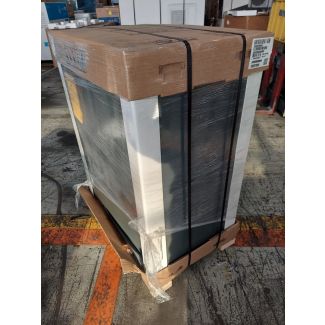
Free, Fast Freight Shipping: All full-size furnace orders are packaged with professional protective wrapping and shipped directly to your residential driveway or local job site completely free of charge, minimizing structural transit delays.
Expert Sizing & Technical Support: Our dedicated, US-based customer care staff includes seasoned HVAC specialists available via phone or live chat to help you audit your structural square footage, cross-reference local utility code requirements, and select the correct equipment bundles.
Fully Configured System Bundles: We offer pre-matched equipment arrangements that perfectly pair Goodman indoor heating cabinets with matching evaporator coils and outdoor condensers, taking the guesswork out of component matching and protecting your manufacturer warranty validation.
Ultimately, sourcing your equipment through our platform simplifies the residential heating upgrade process from initial sizing calculations to final delivery. Wholesale pricing, technical support, and matched system bundles help simplify the purchase process, and we make it practical to secure a high-efficiency Goodman heating framework without the inflated retail price tag.
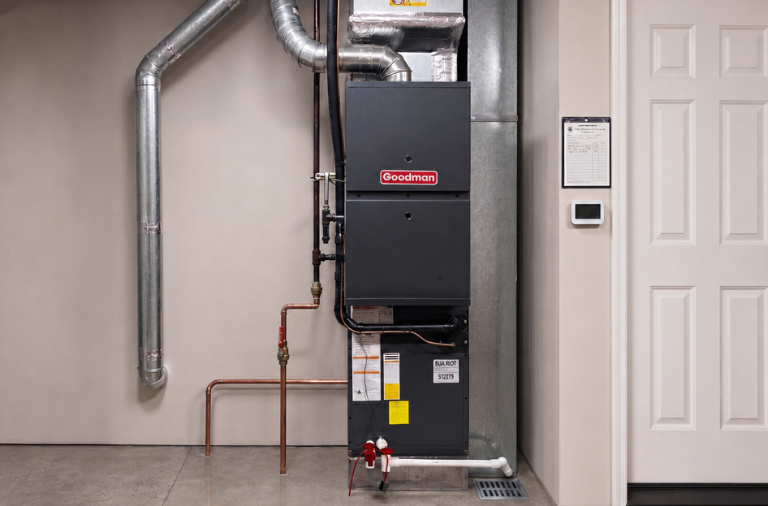
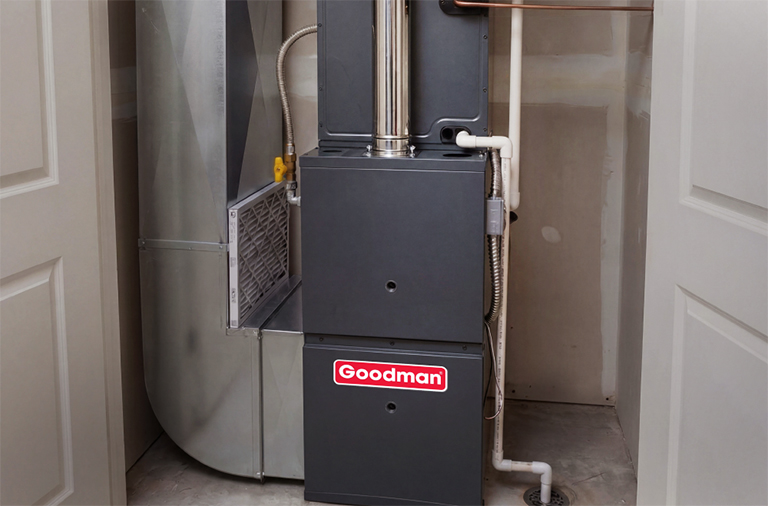
Yes, Goodman is widely known for value-focused residential heating. Rather than inflating equipment costs with proprietary tech gimmicks, Goodman focuses its engineering on robust, universally serviceable internal components—such as heavy-gauge aluminized-steel heat exchangers and energy-efficient multi-speed or variable-speed ECM blower motors. Goodman offers models across common BTU ranges and AFUE levels, and they deliver the exact same regional heating capacities (spanning from 40,000 to 120,000 BTUs) and high efficiency tiers (up to 97% AFUE) as premium brands, but at a fraction of the upfront capital cost.
Furthermore, when properly registered online within 60 days of a licensed installation, their hardware is protected by an industry-leading 10-year parts limited warranty and a lifetime heat exchanger limited warranty, making it one of the safest investments for homeowners looking to maximize their long-term HVAC ROI.
Yes, a Goodman furnace can absolutely be paired with an AC unit to form a complete, year-round central heating and cooling system. In fact, pre-matched combination systems are standard in residential HVAC, utilizing the furnace’s integrated blower motor to circulate cool air through the shared ductwork during the summer months. To create a functional dual-season framework, a complete installation requires pairing three core components: an indoor furnace chassis, an indoor evaporator coil that sits on top of or beneath the furnace plenum, and an outdoor central air conditioner condenser.
Goodman gas furnaces are manufactured to run on natural gas right out of the box. Many models can be converted to run on liquid propane (LP) with a certified kit. To switch fuel sources, a technician must install a certified manufacturer propane conversion kit. This process involves changing the burner orifices and adjusting the gas valve pressure to accommodate the higher energy density of propane fuel safely.
These terms describe the direction heated air moves through the furnace and ductwork. Goodman manufactures multi-positional furnace cabinets, meaning a single chassis can often be rotated to fit different spatial orientations depending on your home's layout.
Matching the orientation to your property's physical layout ensures proper static pressure, seamless condensate drainage for high-efficiency models, and safe venting pathways.
Check Goodman furnace filters monthly and replace them based on filter type and usage. Manufacturer installation manuals and technical guidelines outline the baseline replacement schedules for standard household usage:
Operating your system with a heavily loaded, clogged filter restricts necessary return airflow. This restriction increases static pressure, reduces heating efficiency, and traps excess heat within the primary heat exchanger. Over time, it can trigger the high-limit safety switches and contribute to premature component wear.
Goodman gas furnaces are engineered and utilized primarily for residential spaces, providing forced-air heating for single-family homes, townhouses, and smaller multi-family configurations. Their equipment catalog scales across standard residential capacities ranging from 40,000 BTUs to 120,000 BTUs, packaged in physical cabinet widths and multi-position layouts meant to fit into standard residential basements, attics, crawlspaces, or utility closets.
While Goodman units are sometimes deployed in light, low-demand commercial settings that mirror a standard residential footprint—such as a compact small-business office or standalone retail shop—they are not designed to handle heavy-duty commercial spaces like large warehouses, industrial plants, or sprawling office complexes. Larger commercial spaces usually require dedicated commercial HVAC equipment.
Yes, you can absolutely purchase a Goodman furnace without a contractor license. No professional credentials, wholesale certifications, or trade licenses are required to buy the hardware directly from our platform. However, purchasing Goodman furnaces does not allow novice homeowners to install them.
Yes, Goodman furnaces require specific venting methods, and the type of piping you must use depends entirely on the efficiency tier (AFUE rating) of the specific furnace model. The venting requirements fall into two distinct structural categories:
It is important to never mix venting systems. Standard 80% AFUE models typically require metal venting, while high-efficiency condensing models require PVC venting. Additionally, high-efficiency condensing furnaces must never be common-vented into a shared metal chimney system with standard water heaters.
Yes, a Goodman furnace can absolutely work with your existing ductwork, provided that the physical and technical specifications of the new unit match your home's airflow requirements. Goodman furnaces may work with existing ductwork if the size, airflow, and layout are compatible. To ensure a seamless fit that preserves system efficiency and avoids expensive field modifications, several critical factors must be evaluated. Incorrect duct sizing can restrict airflow, raise utility costs, and strain components.



