We use cookies to make your experience better. To comply with the new e-Privacy directive, we need to ask for your consent to set the cookies. Learn more.

1-800-397-1392
Closed Until MondayExperience superior heating and cooling capabilities with our 18,000 BTU/ 1.5 Ton mini split systems. Whether you require a single zone or dual zone setup, these systems provide exceptional comfort and energy efficiency. With the ability to cover up to 900 square feet, our 18,000 BTU/ 1.5 Ton mini splits offer the perfect solution for cooling one larger space or two smaller spaces while maintaining optimal climate control. Explore our collection and discover the ideal cooling solution for your needs.
Shop By Zone
Shop By Brand









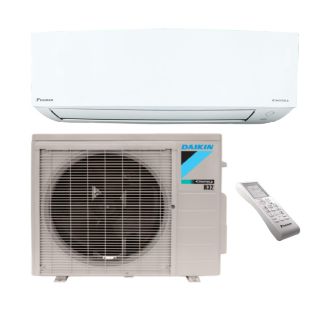
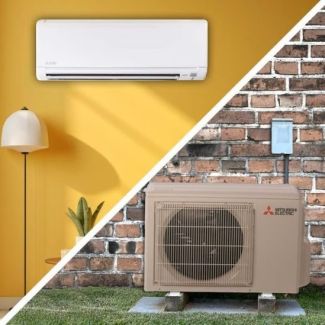
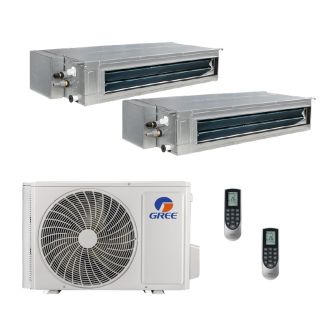

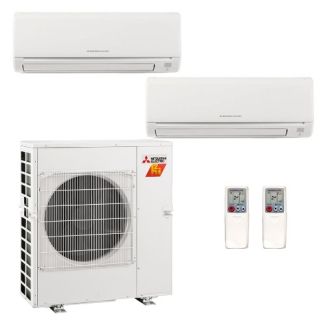
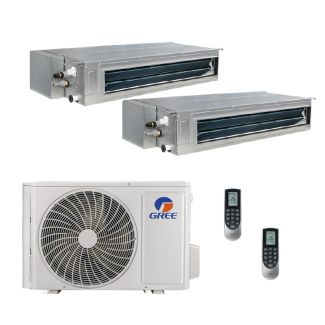
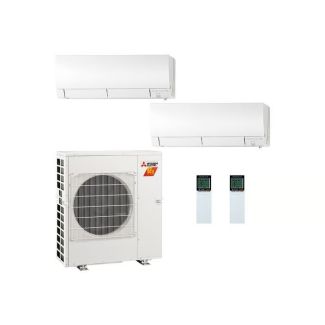
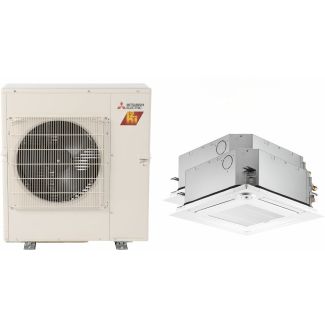
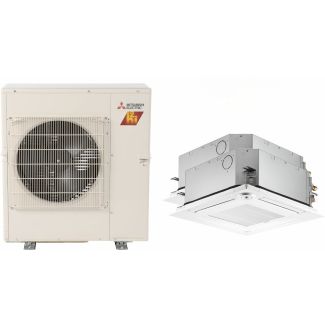
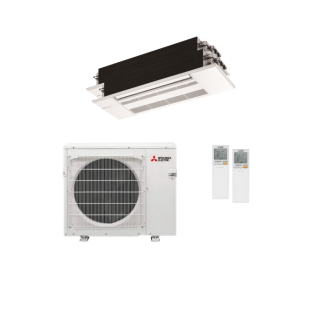
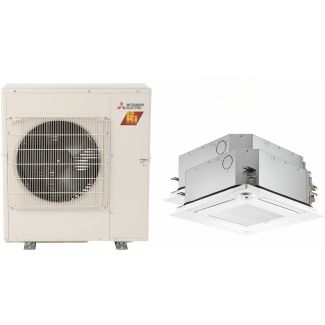



An 18,000 BTU, or 1.5 ton, mini split is a high-efficiency ductless heating and cooling system designed for medium to large spaces, ranging from 600 to 1,000 square feet. They are ideal for living rooms, large master bedrooms, garages, or additions, and provide quiet, zone-specific comfort.
These systems work by transferring heat between indoor and outdoor units via refrigerant lines. Most modern systems use inverter compressors that continuously adjust output for more efficient heating and cooling. Some standard or budget-friendly models are fixed-speed, meaning they operate at 100% capacity before shutting down and repeating the cycle.
Ideal spaces for 1.5 ton mini splits are around 600 to 1,000 square feet with 8- to 9-foot ceilings, good insulation, and moderate sun exposure. These systems can be used in single zone or multi zone configurations, depending on the model.
Open‑Concept Living Rooms: Wide, connected areas, often combining living, dining, and kitchen zones, benefit from the strong, even airflow of an 18,000 BTU system. These layouts often lack interior walls that would interrupt or trap airflow, and are ideal for single 18k systems that have sufficient capacity to handle them.
Finished Basements: An 18,000 BTU unit can effectively manage temperature and humidity across these expansive, enclosed spaces when insulation and moisture control are adequate. These systems are good solutions since basements often have fewer windows, but larger, more open layouts than the rest of the house.
Garages or Workshops: These systems provide year-round comfort to insulated garages and hobby spaces, which often do not have ductwork, are far from the central system, and tend to heat up and cool down quickly.
Large Master Suites: Oversized bedrooms often require more cooling power than standard rooms, especially since people prefer cooler temperatures when sleeping, making an 18k BTU mini split a good choice. These systems are also well suited for bedrooms because they operate quietly and offer precise temperature control.
Environmental factors of these spaces, including poor insulation, excessive sun exposure, high ceilings, or frequent heat‑producing activities, can reduce the performance and efficiency of an 18,000 BTU ductless mini split system. In these instances, you may need to size up to a larger capacity unit or address potential insulation issues before installation.
Yes, many 18,000 BTU systems are efficient and feature high SEER2 ratings, ranging from 18 to 22+. A seasonal energy efficiency ratio (SEER2) rating measures an air conditioner or heat pump's cooling efficiency over a typical season. If the mini split features a high SEER2 rating, it will be more energy efficient.
These systems typically offer superior efficiency when compared to traditional window or central AC units. Most modern 18k BTU mini splits use inverter-compressor technology to vary their output speed based on demand, rather than repeatedly cycling on and off at full capacity, which lowers power consumption and allows for precise climate control.
Usually 1.5 ton mini splits consume between 1,200 and 2,000 watts during normal operation, averaging around 1,500W to 1,700W for cooling. Heating mode operation can increase consumption, occasionally pushing up to 2,500 watts depending on efficiency and outdoor temperature conditions. Estimated electricity costs for operation range from $50 to $120 per month, depending on local electricity rates, outdoor temperatures, and system efficiency.
These systems typically require a dedicated 220V to 240V circuit with a 20‑amp breaker, and 10/2 or 12/2 wire gauge to ensure it receives stable, sufficient power for both startup and continuous operation. Exact electrical requirements vary by model, but the specifications below reflect the typical requirements for 18k mini split systems.
Voltage: The dedicated circuit should be 220V or 240V, as these systems draw more power than standard household 120V circuits can safely provide. This higher voltage ensures stable compressor operation and reduces amperage load on the wiring, improving long‑term reliability.
Amperage/Breaker Size: These units require 20A to 30A breakers, depending on efficiency and heat demands. 20A is common for many 1.5 ton BTU mini splits, though some models may require a 25A or 30A breaker based on manufacturer specifications.
Wattage: During operation, 18k BTU mini splits consume 1,300 to 2,500 watts, but this can vary depending on each unit’s efficiency and load. High‑efficiency inverter systems often run at the lower end of this range because they modulate power instead of cycling on and off.
Wire Gauge: Wire gauge requirements vary by manufacturer specifications and local electrical code, though 10/2 and 12/2 AWG are common. Your local electrical codes may require upsizing wire gauge for longer runs to prevent voltage drop and maintain safe operating conditions.
Every mini split system has different electrical requirements, including Minimum Circuit Ampacity (MCA) and Maximum Overcurrent Protection (MOP), listed on the unit’s nameplate. Always check and follow the details on the unit’s specifications card and ensure all electrical work is handled by a licensed professional, even if you plan to do the installation yourself.
Yes, a 1.5-ton mini split can be installed either as a DIY project or by a professional. The decision will be dependent on the system type and the homeowner’s experience with refrigerant handling and mounting requirements.
DIY Installation: Some brands offer 18,000 BTU mini split DIY kits with pre-charged refrigerant lines. If you’re planning to install the system yourself, consider the line set, communication cable connection, and drainage work that needs to be completed.
Professional Installation: Professional installation of 18,000 BTU systems eliminates most of the hassle associated with installs since licensed technicians can obtain the permits and safely handle the refrigerants necessary for the job. Professional installation can also help protect warranty coverage.
Many installations require HVAC and electrical permits, and EPA certification is required for handling refrigerants. Be sure to consult a licensed electrician for any electrical requirements for every installation, even if you are DIYing the install.
The cost of 18k BTU mini splits ranges from $3,200 to $5,500, depending on installation and equipment prices. Here’s a breakdown of some typical costs:
Equipment Cost: $800 to $2,500, depending on the brand, model, number of zones, and efficiency rating.
Installation and Labor Cost: $1,000 to more than $3,000 for professional installation, depending on local labor rates and any materials needed. If you do the installation yourself, there will be no added costs for labor.
Operation and Maintenance Cost: $65 to $105 per month in electricity. Maintenance costs are minimal due to the unit’s washable filters and self-cleaning features.
These systems have additional costs, including required permit costs which vary by city and state, but usually range from $250 to $400. If you DIY the install, you may also need to purchase critical accessories like wall sleeves, line set covers, or mounting hardware, which can add another $50 to $200 to your spending.
Indoor unit styles available for 18,000 BTU mini split systems include wall mounted, ceiling cassette, floor mounted, ceiling mounted, and concealed ducted air handlers.
Wall Mounted: The most popular and widely compatible option for 18,000 BTU systems, these air handlers are installed high on a wall. They deliver strong directional airflow and are ideal for living rooms, bedrooms, offices, and open‑concept spaces.
Ceiling Cassette: These units sit flush into the ceiling, offering a clean, low‑profile appearance. They distribute air in four directions, making them perfect for large rooms, commercial spaces, and areas where wall space is limited.
Floor Mounted or Ceiling Mounted: These versatile units can be installed low on a wall near the floor or mounted horizontally on the ceiling. They’re ideal for rooms with slanted ceilings, limited wall space, or unconventional layouts. Their flexible placement options make them a smart solution for remodels, sunrooms, and bonus rooms.
Concealed Duct: A good choice for placement inside attics, crawl spaces, or ceiling cavities, these hidden units deliver air through short duct runs. This style is perfect for homeowners who want a nearly invisible system or need to condition multiple small rooms from a single air handler.
The air handler options for 18k BTU mini splits provide flexible installation options and efficiency for any medium space in need of comfort control. They can be installed in up to three zones and, depending on the model, potentially allow homeowners to mix and match air handler types to fit the needs of each space.

Aim for a SEER2 rating of 18 to 22+ and an EER2 rating of 10.5 to 12.5+. High-efficiency units often exceed 20 SEER2, offering significant savings in warm climates, while 16 to 18 SEER2 is sufficient for modern climates. If you need a mini split for short-term use, as in rentals or to supplement your current system, a lower SEER2 rating of 16 to 18 will work. A mid-range SEER2 rating, around 20, is usually the best value for its cost. A high SEER2 of 25 is ideal for harsh climates and offers some of the highest efficiency available.
Yes, these systems commonly provide both heating and cooling, acting as year-round heat pumps and often offering inverter technology for energy savings. There are cooling-only models, so be sure to verify the system specifications before purchasing.
Look for an HSPF2 rating of 9.0 or higher. While the minimum requirement for many ductless systems is 8.5, high-efficiency models often fall between 9.0 and 10.5, offering significantly lower heating costs. If you need a mini split for short-term use or to supplement your current system, a lower HSPF2 rating will work. A mid-range HSPF2 rating is usually the best value for its cost. A high HSPF2 is necessary for harsh climates and often the most energy-efficient systems.
Whether you need a DIY or standard system depends on your budget, installation experience, and whether you want to handle parts of the project yourself or have everything professionally installed. Choose a DIY system for ease of installation with pre-charged lines and no specialized tools. Choose a standard unit if you have professional installation available, which can offer less work for you and lower upfront hardware costs.
Yes because in the HVAC industry, one ton of cooling equals 12,000 BTUs per hour, so a 1.5 ton system provides 18,000 BTUs of cooling capacity.
When it comes to 18,000 BTU mini split systems, ACiQ stands out for delivering one of the best overall values, combining competitive pricing, strong warranty coverage, modern inverter technology, and a trusted support team through HVACDirect.com. Premium brands like Mitsubishi, Daikin, and LG are considered top-tier because of their long-term reliability, quiet operation, advanced efficiency, excellent warranty support, and their performance in extreme temperatures. For homeowners looking for DIY-friendly options, Stealth and MRCOOL offer systems designed for easier installation while still providing strong performance and energy efficiency.
These systems often last 15 to 20 years with proper installation and regular maintenance. These units also often last longer than traditional central AC units due to inverter technology, which reduces mechanical stress, and their lack of leaky ductwork.
Most 18,000 BTU mini splits are designed as heat pumps, providing both heating and cooling for spaces up to 1,000 square feet. These inverter-driven systems use electric heat pump technology to move heat, offering efficient year-round climate control for residential or commercial applications.
Yes, an 18,000 BTU mini split system can effectively dehumidify with its “Dry Mode,” as it is a fundamental part of its cooling process. They are ideal for reducing humidity in large areas or zones without relying on bulky portable units, but are not as efficient as dedicated dehumidifiers.

