Your cookie preferences
We use cookies to remember your preferences and understand how shoppers use our site, helping us improve your shopping experience.
Read our privacy policyExperience superior heating and cooling capabilities with our 30,000 BTU/ 2.5 Ton mini split systems. Whether you require a single zone or a four zone setup, these systems provide exceptional comfort and energy efficiency. With the ability to cover up to 1,500 square feet, our 30,000 BTU/ 2.5 Ton mini splits offer the perfect solution for cooling one larger space or up to four smaller spaces while maintaining optimal climate control. Explore our collection and discover the ideal heating and cooling solution for your needs.
Shop By Zone
Shop By Brand








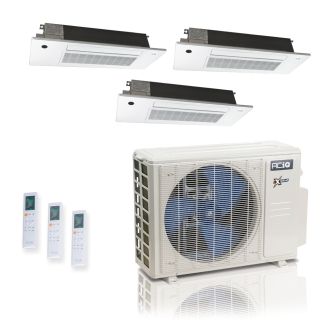


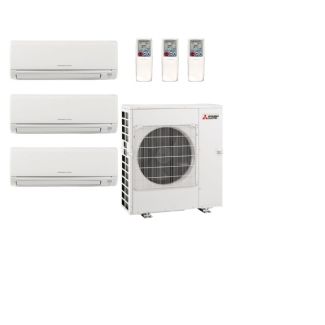
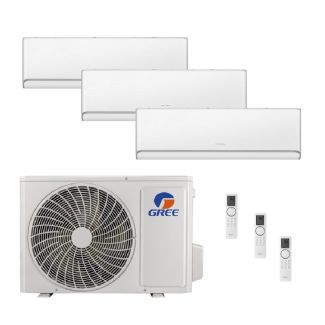
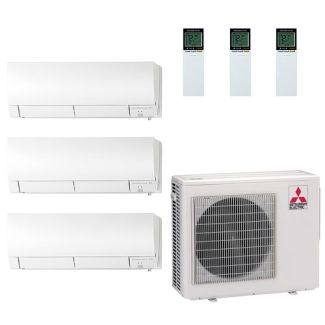
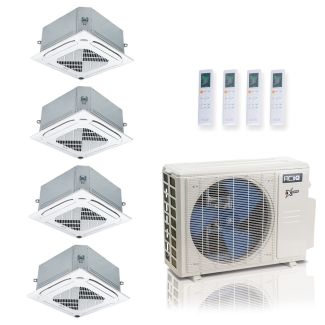
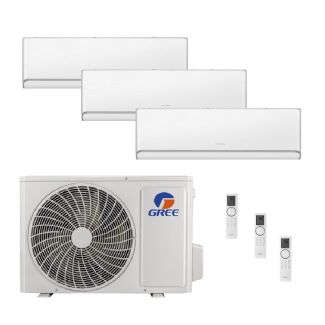
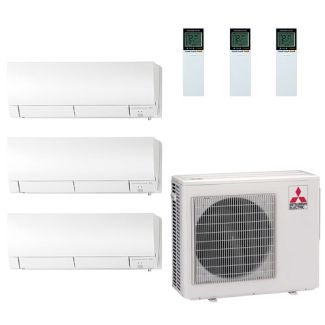
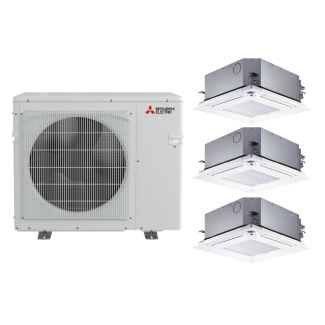
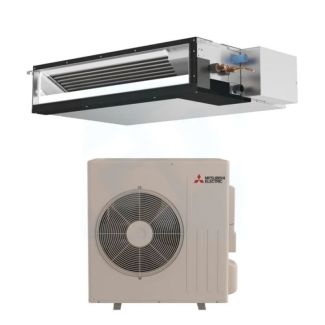


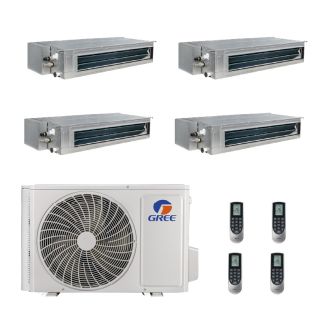
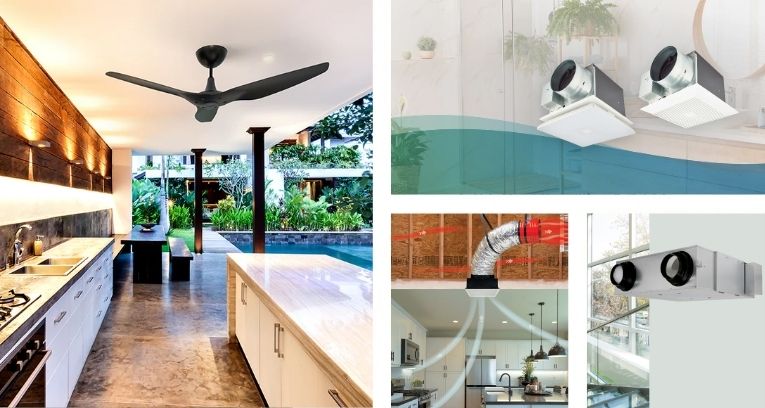

A 30,000 BTU mini split system is a high-capacity, ductless heating and cooling unit designed for large open areas or can be used for four separate rooms or zones without ductwork. In the HVAC industry, a 30,000, or 30k, BTU unit is equivalent to a 2.5 ton system, based on the standard conversion where 12,000 BTUs equal 1 ton of cooling capacity.
30k BTU mini split systems move refrigerant between an outdoor condenser and up to 4 indoor air handlers, to cool individual spaces. Many models are available as heat pumps, allowing the system to provide both heating and cooling from the same unit. Some mini splits also include variable-speed inverter compressors, which automatically adjust output based on demand to maintain more consistent temperatures and improve energy efficiency.
A 30,000 BTU, or 2.5 ton, mini split is generally appropriate for well-insulated spaces between 1,250 and 1,750 square feet with standard 8-foot ceilings, good insulation, limited heat gain from direct sun exposure, and well-sealed windows. As either single or multi zone (up to 4 spaces) systems, they work well in the following spaces:
Open-Concept Living Areas: Combined living, dining, and kitchen spaces in residential or mixed-use settings often fall in the range where a single 30,000 BTU system can cover the full open floor plan either as one or multiple zones.
Basement Guest Rooms and Apartments: Because of their higher capacity, 30k BTU systems can effectively heat and cool a finished basement apartment, guest suite, or lower-level living area. A multi zone setup with up to 4 indoor units also allows separate control for bedrooms, living spaces, offices, or workout rooms while helping reduce energy use in unoccupied areas.
Detached Garages or Workshops: A 30k mini split is excellent for two- to three-car garages, workshops, or metal buildings that need extra heating and cooling power to offset poor insulation. Multi zone configurations can heat and cool separate work bays, storage rooms, or office spaces from one outdoor unit without requiring ductwork.
Small-to-Medium Commercial Spaces: A 30,000 BTU mini split can sufficiently heat and cool professional suites with a reception area, conference room, private offices, or partitioned workspaces. Multi zone systems with up to 4 indoor units give employees and customers individualized comfort control throughout the space.
Multiple Rooms and Additions: 2.5 ton mini split systems are available in both single zone and multi zone configurations. This allows one outdoor unit to support up to 4 indoor air handlers for spaces like bonus rooms, offices, bedrooms, sunrooms, or additions that need independent temperature control.
Environmental factors such as vaulted ceilings, poor insulation, high humidity, and large south-facing windows with excessive air leakage can significantly reduce system efficiency and drive up your energy bills. You should take these factors into account when sizing your system.
Yes, 30,000 BTU mini split systems are very energy efficient, often outperforming central air systems by avoiding ductwork energy losses and conditioning spaces more directly. Many, but not all, models use inverter compressors that can adjust speed based on demand, instead of constantly turning on and off, which helps keep temperatures more consistent and reduces energy use. SEER2 measures seasonal cooling efficiency, with most 30k systems ranging from 16 to 22+, compared to a federal minimum of about 14.3, while EER2 measures performance during the hottest days, with strong systems rating between 10 and 14. For heating, heat pump models are rated by HSPF2, with typical systems ranging from 8 to 10 and high-efficiency models exceeding 10.
A 30,000 BTU mini split typically consumes between 2,200 and 2,800 watts at full capacity, drawing approximately 10 to 20 amps. Once the room gets to the right temperature, the inverter can lower the power usage to just 500 to 800 watts. Estimated annual operating costs generally range from $200 to $400 for cooling and $600 to $900 for heating. A 30,000 BTU mini split’s efficiency and your energy rates affect how electricity will be used and how much you pay.
A 30k mini split needs its own dedicated electrical circuit from your main panel to the outdoor unit, along with proper wiring between the indoor and outdoor components. Below are some general guidelines, though you need to follow whatever is listed on your specific model, as these will vary:
Voltage: The system typically requires a high-voltage, 208/230V, single-phase power supply, rather than 110/120V residential outlets, although this can vary. Check your model’s manual for the specific requirement.
Breaker Size: Installation requires a dedicated 2-pole breaker, commonly rated between 30A and 60A to handle the load of a 30,000 BTU unit.
Dedicated Circuit: The unit must be connected to its own dedicated circuit breaker to prevent overloading the home's electrical panel.
Amperage Draw: The unit typically draws between 10A and 20A during regular operation, though the breaker size must accommodate higher startup loads.
Wiring Gauge: Installation usually requires 10/3 AWG copper wiring, though wiring sizing will differ per unit depending on distance and total amperage specifications.
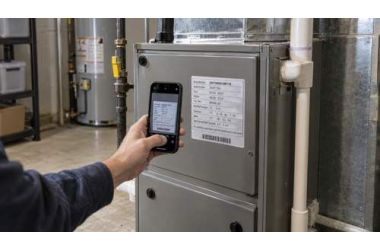
Your electrician will check the Minimum Circuit Ampacity (MCA) and Maximum Overcurrent Protection (MOP) listed on the unit’s nameplate before starting any electrical work. These values tell them exactly how to size the breaker for each outdoor unit, and incorrect sizing can pose safety risks or lead to frequent breaker trips.
Both DIY and professional installation options are available for 30,000 BTU mini split systems, and the right choice depends on your budget, experience, and how much of the work you want to handle yourself.
30,000 BTU Mini Split DIY Installation: Homeowners can install systems specifically designated as DIY 30,000 BTU mini splits, which use pre-charged quick-connect line sets that do not require specialized vacuum pumps or refrigerant handling. This option can significantly reduce labor costs but still requires proper mounting, line routing, and a licensed electrician for the wiring.
30,000 BTU Mini Split Professional Installation: Standard 30,000 BTU units require a licensed HVAC technician to flare the copper lines, vacuum the system to remove moisture, and release the refrigerant charge.
Regardless of the model, you will typically need mechanical and electrical permits and a licensed electrician to run the circuit, as 30,000 BTU units involve high-voltage power and pressurized refrigerant.
Based on 2026 market data, the total cost range for a 30,000 BTU ductless mini split system ranges from $2,500 to $9,500+ after factoring in equipment, labor, and installation costs. The price will vary based on local installation and labor rates, model brand and efficiency, number of zones, and whether your model is standard or DIY.
Equipment Cost: $2,000 to $6,000+ for the unit itself, depending on the brand, efficiency rating, indoor unit type, and whether your model is single or multi zone.
Installation and Labor Cost: $500 to $2,500+ for a professional install, depending on line set length and electrical complexity as well as local rates. DIY systems will have no labor costs, but will require your own time to install.
Operation and Maintenance Cost: Most modern mini splits have washable filters and self-cleaning modes, which help reduce maintenance costs, though professional annual cleaning typically costs $100 to $300+ depending on any needed repairs. Operating a 30,000 BTU mini split usually costs between $30 and $90 per month, depending on usage, the size of the space being air conditioned, and your local electricity rates.
Additional critical costs include $150 to $500 for permits and approximately $100 to $400 for accessories, such as plastic line set covers, mounting brackets, or a condenser pad if not included with the system.
Wall mounted units are the most common indoor unit type for 30,000 BTU mini splits, while concealed duct systems are the least common due to their higher installation complexity and cost.
Wall Mounted Units: Wall mounted heads are the most common indoor unit style for 30,000 BTU mini splits, installed high on the wall to distribute heated or cooled air horizontally across the space. They are widely available at this capacity range and suited to most residential and light commercial applications.
Floor Mounted Units: Floor mounted heads for 30,000 BTU systems are installed near floor level (or mounted on the wall or ceiling if universal) and work well in spaces with sloped ceilings, large window areas, or limited usable wall space above furniture height. They deliver heated or cooled air upward and outward into the room without requiring overhead installation.
Ceiling Cassette Units: 30k BTU system ceiling cassettes are recessed into the ceiling behind a flush panel and distribute in two or four directions at the same time. This makes them a practical choice for larger open-plan spaces, offices, and retail environments where both even airflow coverage and a clean look are important.
Slim Ceiling Cassette Units: Slim ceiling cassette units are installed into the ceiling and push air out in multiple directions like the standard ones, but are smaller, helping a 30,000 BTU system evenly heat and cool larger rooms without taking up wall space.
Concealed Duct Units: 2.5 ton concealed duct units are placed above the ceiling and supply air through standard supply grilles with short duct runs. They are often chosen for areas you want to hide all of the equipment.
If you’re installing a single zone system, choose the option that best fits your space. If you’re installing a multi zone mini split, you can choose a system that has all of the same type of indoor air handler or one that supports multiple types if needed.

For a 30,000 BTU mini split, lower-efficiency systems around 14 to 16 SEER2 are usually more affordable upfront and can work well for rental properties, occasional-use spaces, or short-term ownership. Mid-range systems around 16 to 20 SEER2 are often the best balance of purchase price and long-term energy savings for most homeowners. High-efficiency inverter models above 20 SEER2 are ideal for hot climates, homes with heavy daily usage, or areas with high electricity costs where maximizing efficiency matters most. For EER2, which measures performance during extreme heat, a rating of 10 or higher is generally a strong target for real-world cooling efficiency.
Yes, most 30,000 BTU mini splits are heat pumps, meaning they can provide both air conditioning in the summer and primary heating in the winter. However, there are cooling-only models that provide only cooling, so make sure to check the model to see which type it is before buying.
For efficient winter performance, aim for an HSPF2 rating of 8.5 to 10.0+. If you live in a very cold climate, prioritize units labeled "Hyper Heat" or "Cold Climate" which maintain high ratings at low temperatures.
Both standard and DIY 30,000 BTU mini split systems are available, and the right choice depends on your budget, installation experience, and whether you want to handle parts of the project yourself or have everything professionally installed.
No matter which option you choose, most installations require proper electrical work and permits to meet local building codes, which vary by city.
Yes, a 30,000 BTU mini split is equivalent to a 2.5 ton system; they have the same capacity and can be used interchangeably. Tonnage for heating and cooling equipment refers to cooling capacity; one ton equals 12,000 BTU per hour of cooling output.
Several manufacturers offer well-regarded 30k (2.5 ton) mini split systems, including ACiQ, Mitsubishi, Daikin, and LG, which are known for strong performance, efficiency, and warranty support. Stealth and MRCOOL provide more DIY-friendly options.
Yes, 30k BTU systems last about 15 to 20 years, with higher-efficiency, well-maintained systems lasting about 25 years.
Mini split systems in the 2.5 ton range are available as cooling-only units or as heat pump models. Cooling-only systems do just that, but heat pump models can reverse the refrigerant cycle to provide both heating and cooling, so it’s worth checking what type you’re buying.
Yes, when a 30k mini split is operating in cooling mode, the indoor coil is below the dew point of the incoming air, so moisture will condense on the coil surface and drip away, reducing indoor humidity. Most units also have a special “Dry Mode” to help remove moisture from the air without dropping the room temperature too much.



