
Key Takeaways
- Mini splits are ideal for rooms without ductwork and unconventional spaces like garages, RVs, or additions.
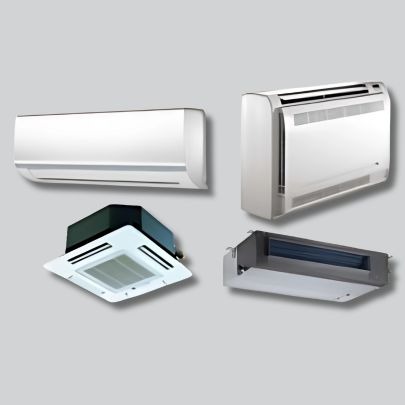
- Indoor units include wall-mounted, ceiling cassette, floor-mounted, and concealed duct options to match your room layout.
- Sizing your system correctly based on square footage and climate is essential for performance and energy savings.
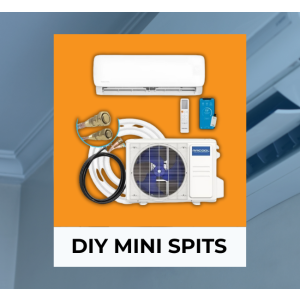
- DIY mini split systems are available for single-zone applications and offer an easy installation path with pre-charged lines.
- Whole-home systems require careful planning with multiple air handlers and condensers tailored to each room's needs.
Mini splits are one of the most efficient, flexible HVAC systems you can install. Whether you're conditioning a single room, adding onto your home, or upgrading your entire HVAC strategy, mini splits may be the perfect solution. Here are five key things you should know before making your decision.
1. What are Mini Splits Used For?
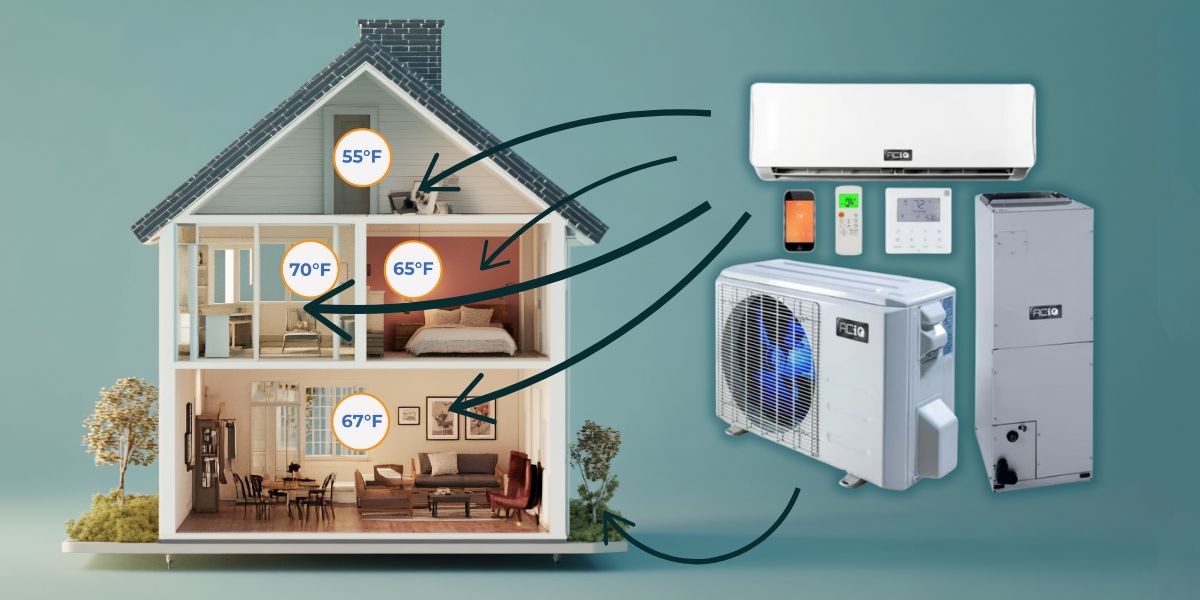
Many homes will use a mini split for a section of the home that does not have central HVAC attached. This could be an addition added on after the central system was installed, or perhaps a porch area or separate building where ducting isn’t possible. As mini splits grow in popularity, more homes have started using them to heat and cool the entire house.
Other uses include:
- Boats
- Mobile homes
- RVs
- Shipping containers
Their compact size and high energy efficiency make them perfect for unconventional spaces.
2. What Kinds of Mini Splits are There?
Mini splits come in quite a few different shapes and sizes. First, know that there are two main parts to a mini split system — the air handler (which goes inside) and the condenser (which sits outside).
Types of Air Handlers:
- Wall Mounted
- Floor Mounted
- Ceiling Cassette
- Concealed Duct
- Ceiling Suspended
- Multi-positional
Types of Condensers:
- Cooling-only version
- Heat pump version
- Super heat (hyper heat, hypertek, extra low temp) version
Sizes range from 6,000 BTU to 48,000 BTU.
Explore your options: DIY Mini Split Systems, Single Zone Mini Splits, Multi-Zone Mini Splits

3. What Size Do I Need?
To accurately determine the size you need, measure the square footage of the room—or each room if you plan to condition your whole house. Your location is also important; for example, Texas and Tennessee may require different sizing.
Use this tool to help calculate your size: Mini Split Sizing Guide
Keep in mind:
- 12,000 BTU = 1 ton of cooling
- Heat pump mini splits use the same BTUs for both heating and cooling
4. Can I Install It Myself?
Yes, but only if you choose a DIY mini split system. These units come with pre-charged line sets and don’t require specialized HVAC tools. Currently, DIY systems are only available in single-zone applications.
It is not recommended to install a non-DIY system yourself, as they require vacuum pumps and licensed refrigerant handling.
Benefits of DIY mini splits:
- Pre-charged for easier setup
- No need for brazing, vacuum pumps, or EPA license
- Comes with detailed instructions
Learn more: DIY Mini Split Systems
5. How to Get Started
Here’s an example of how to set up a mini split system for a 2,000-square-foot home in Ohio, where heating is a priority due to the colder climate. The home includes:
- 3 bedrooms (150, 150, and 200 sq ft)
- 2 bathrooms (50 sq ft each)
- Laundry room (50 sq ft)
- Living room (500 sq ft)
- Kitchen (300 sq ft)
- Garage (650 sq ft)
This system would require three 36,000 BTU condensers (MXZ-4C36NA2-U1).
Bedroom 1 (150 sq ft)
Install the 9,000 BTU Ceiling Cassette – SLZ-KA09NAR1. This unit is perfect for small to mid-sized bedrooms, offering even air distribution without taking up wall space. Requires a PAR-40MAAU thermostat.

Bedroom 2 (150 sq ft)
Install the 9,000 BTU Floor Mounted Unit – MFZ-KJ09NA. Ideal for lower wall installation when ceiling space is limited, with remote control operation.
Bedroom 3 (200 sq ft)
Install the 12,000 BTU Ceiling Cassette – SLZ-KF12NA. Great for larger or colder bedrooms needing more airflow coverage.
Bathrooms and Laundry Room
Use a 9,000 BTU Concealed Duct Unit – SEZ-KD09NA4R1.TH to condition multiple small spaces, controlled by a PAR-40MAAU thermostat.
Living Room and Garage
Install a 24,000 BTU Wall-Mounted Unit – MSZ-GL24NA-U1 in each large space. Strong airflow and efficiency for bigger open rooms.
Kitchen
Install the 18,000 BTU Wall-Mounted Unit – MSZ-FH18NA2. Responsive airflow, dual vanes, and air filtration make it ideal for kitchens.
Necessary Connections
The beauty of these systems is in their simplicity. Simply connect power to the condenser and run a control wire from the condenser to each air handler. You’ll also need to run a refrigerant line set from each air handler to the condenser and attach a drain line to remove condensation (condensate pump may be needed for inclined draining). Each air handler may require a specific adapter piece to fit the condenser’s connection port (adapter piece).
| Room | BTU Size | Air Handler Type |
|---|---|---|
| Bedroom 1 | 9,000 BTU | Ceiling Cassette (SLZ-KA09NAR1) |
| Bedroom 2 | 9,000 BTU | Floor Mounted (MFZ-KJ09NA) |
| Bedroom 3 | 12,000 BTU | Ceiling Cassette (SLZ-KF12NA) |
| Bathrooms & Laundry | 9,000 BTU | Concealed Duct (SEZ-KD09NA4R1.TH) |
| Living Room & Garage | 24,000 BTU | Wall Mounted (MSZ-GL24NA-U1) |
| Kitchen | 18,000 BTU | Wall Mounted (MSZ-FH18NA2) |
Conclusion
Mini splits offer a versatile HVAC solution that doesn’t require ductwork while zoning your home for precise temperature control. We hope the example above helps you understand the various uses and configurations so you can apply these concepts to your own project.
Just to recap the main points:
- Mini splits are great for homes and unconventional spaces
- They offer many flexible air handler and condenser options
- Sizing is important and must be matched carefully
- DIY systems are available but only for single-zone applications
- Planning your full layout ensures long-term comfort and success
Need help building your mini split system? Call 1-888-670-5503 or visit HVACDirect.com today!
Related Products

MRCOOL DIY 4th Gen 12,000 BTU 22 SEER Ductless Mini Split AC and Heat Pump with Wireless-Enabled Smart Controller
Brand: MRCOOL
Price: $ 1,738.00 (In Stock)

MRCOOL DIY 4th Gen 18,000 BTU 22.5 SEER2 Ductless Mini Split AC and Heat Pump with Wireless-Enabled Smart Controller
Brand: MRCOOL
Price: $ 2,156.00 (In Stock)

MRCOOL DIY 4th Gen 24,000 BTU 20 SEER Ductless Mini Split AC and Heat Pump with Wireless-Enabled Smart Controller
Brand: MRCOOL
Price: $ 2,502.00 (In Stock)

What are Mini Splits Used For?
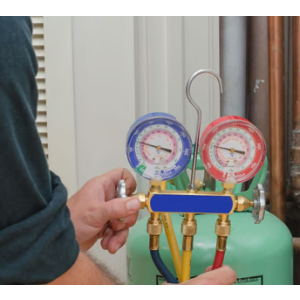
Many homes will use a Mini split for a section of the home that does not have central HVAC attached. This could be an addition added on after the central system was installed, or perhaps a porch area or separate building where ducting isn’t possible. As Mini splits grow in popularity, more homes have started using them to heat and cool the entire house.
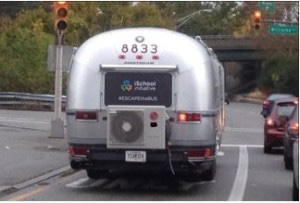
There are other uses that are a little more unconventional. People install them on boats, mobile homes, RVs, and even shipping containers.
What Kinds of Mini Splits are There?
Mini splits come in quite a few different shapes and sizes. First you should know that there are two main parts to a Mini split—the air handler (which goes inside) and the condenser (which sits outside). Here is a list of the different types of air handlers:
- Wall Mounted
- Floor Mounted
- Ceiling Cassette
- Concealed Duct
- Ceiling Suspended
- Multi-positional
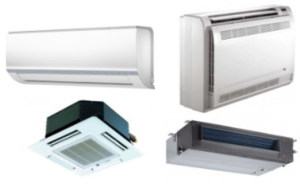
The outdoor condenser has three main types: the cooling-only version, the heat pump version, and a “super heat” version (also known as hyper heat, hypertek, or extra low temp) designed to work in outdoor temperatures as low as 15° below 0. Sizes range from 6000 Btu to 48000 Btu.
What Size Do I Need?
To accurately determine the size you need, measure the square footage of the room—or each room, if you plan to condition your whole house. Your location is also important; for example, Texas and Tennessee may require different sizing.
An online calculator like this one can help you determine the required BTU for your space. Keep in mind that a heat pump mini split uses both heating and cooling Btu (roughly 12000 Btu per ton of cooling).
Can I Install It Myself?
You can get a mini split system that you install yourself—but it must be a DIY System. Currently, DIY systems are only available in single zone applications. It’s not recommended to install a system without a pre-charged line set since special tools are required, unlike the simple tools used for a DIY system.
While the up-front cost may seem intimidating, you’ll appreciate the energy savings down the road.
How to Get Started
Below is an example setup for a mini split system using different air handlers for various spaces.
House Details: A 2000-square-foot house in Ohio with:
- 3 bedrooms (150, 150, and 200 square feet)
- 2 bathrooms (50 square feet each)
- Laundry room (50 square feet)
- Living room (500 square feet)
- Kitchen (300 square feet)
- Garage (650 square feet)
Due to Ohio’s colder climate, heating is a priority. A single condenser won’t suffice for a house this size, so we’ll use three 36,000 Btu condensers (MXZ-4C36NA2-U1).
The Layout
Bedroom 1 (150 sq ft): Install a 9000 Btu ceiling cassette (SLZ-KA09NAR1). These models disperse air evenly, come with a condensate pump, and offer an option to add a 6” fresh air pipe. They require a wall thermostat (PAR-40MAAU).
Bedroom 2 (150 sq ft): Due to closely spaced ceiling supports and many windows, use a 9000 Btu floor-mounted unit (MFZ-KJ09NA). This unit is similar to a wall-mounted unit but positioned lower. It typically comes with a remote control.
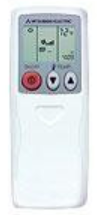
Bedroom 3 (200 sq ft): Since this room gets cold easily, install a 12000 Btu ceiling cassette (SLZ-KF12NA).
Bathrooms and Laundry Room: Use a 9000 Btu concealed duct unit (SEZ-KD09NA4R1.TH). These units allow one air handler to condition multiple small spaces, although they require their own wall thermostat (PAR-40MAAU).
Living Room and Garage: Both spaces can be served by a 24000 Btu wall-mounted air handler (MSZ-GL24NA-U1).
Kitchen: Install an 18000 Btu wall-mounted air handler (MSZ-FH18NA2) that can sense human presence and split airflow in two directions.
Necessary Connections
The beauty of these systems is in their simplicity. Simply connect power to the condenser and run a control wire from the condenser to each air handler. You’ll also need to run a refrigerant line set from each air handler to the condenser and attach a drain line to remove condensation (condensate pump may be needed for inclined draining). Each air handler may require a specific adapter piece to fit the condenser’s connection port (adapter piece).
Conclusion
Mini splits offer a versatile HVAC solution that doesn’t require ductwork while zoning your home for precise temperature control. We hope the example above helps you understand the various uses and configurations, so you can apply these concepts to your own project.
Just to recap the main points:
- Mini splits are great for all sorts of homes.
- They offer many flexible options.
- Decide whether you need a professional or can install it yourself.
- Ensure you have all the necessary hookup parts.
- If you need help, call a professional like us at hvacdirect.com or 1-800-397-1392.