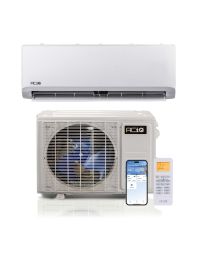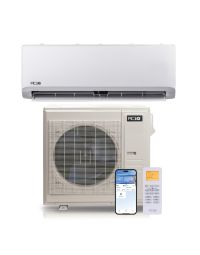
Key Takeaways
- Higher SEER2 = Real Monthly Savings: The ACiQ Standard has a higher SEER2 rating than the Essentials, meaning it uses less electricity to deliver the same comfort.
- Both Lines Beat Central Air: Whether you choose Essentials or Standard, you get a system that outperforms traditional ducted HVAC systems in efficiency, flexibility, and long-term operating costs.
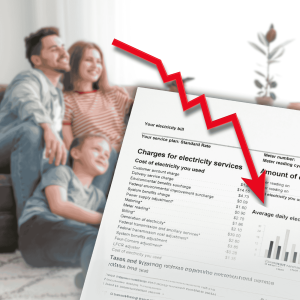
- The Upgrade Pays for Itself: The higher upfront cost of the ACiQ Standard is recovered through lower monthly energy bills.
Article Contents
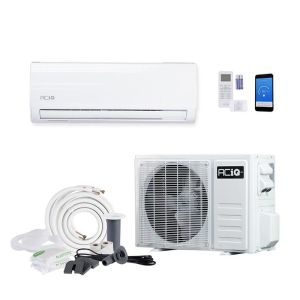
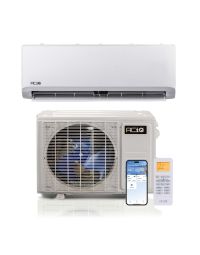
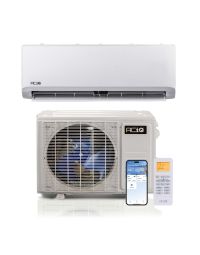
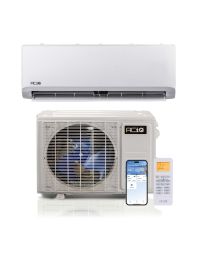
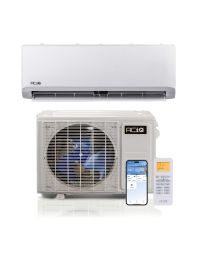
If you are shopping for an ACiQ mini split and trying to decide between the Essentials and Standard lines, both cost and energy savings are probably among your biggest concerns. Both will lower your electricity bills compared to traditional heating and cooling systems. However, they’re not equal, and one will save you more money in the long run because of its higher SEER2 rating.
What Causes High Energy Bills and How ACiQ Mini Splits Fix Them?
Before comparing the two lines, it helps to understand what drives heating and cooling costs up in the first place. Most high-energy bills come down to the same handful of problems.
Common Causes of High Heating and Cooling Costs
These are the most common reasons homeowners overpay for heating and cooling every month:
- Poor System Sizing: A unit too small runs constantly while one too large short-cycles. Both waste electricity and prevent the system from reaching peak efficiency.
- Ductwork Energy Loss: Central air systems lose up to 30% of their energy through leaky ductwork before conditioned air reaches the room.
- Low Efficiency Ratings: A low SEER2 rating means more electricity consumed per cycle regardless of how well you use the system.
- Poor Maintenance: Dirty filters and neglected coils can reduce efficiency by up to 30%.
- Running the System Wrong: Conditioning empty rooms and setting extreme temperatures waste energy every time.
ACiQ mini splits are built to address most of these issues directly.
How ACiQ Essentials and Standard Keep Energy Bills Low
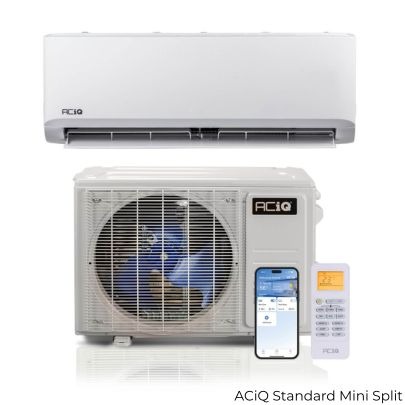
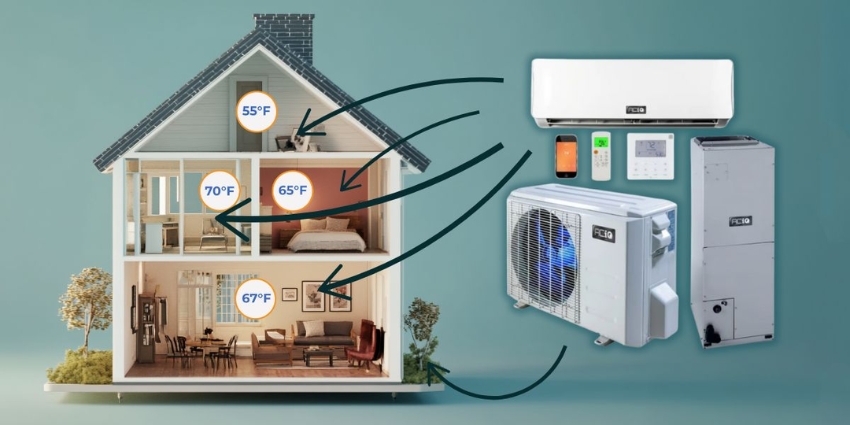
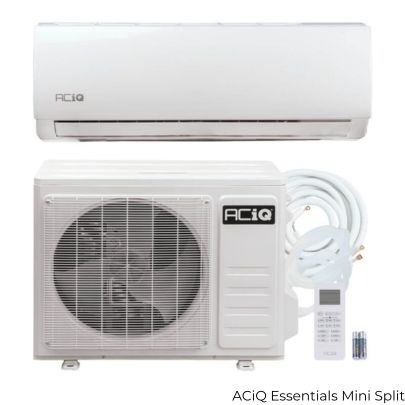
ACiQ Essentials and Standard mini splits tackle these issues through ductless design, zoning, inverter technology, and higher efficiency ratings .
- Ductwork Energy Loss is Eliminated Completely: Both systems are ductless, eliminating up to 30% of energy loss found in traditional central air systems.
- Available in Multiple Sizes: Essentials and Standard systems come in a range of sizes and configurations, including single- and multi-zone options.
- Zoned Cooling Control: Condition only the rooms you use, reducing runtime and lowering energy use.
- Inverter Technology: Compressors adjust output continuously instead of cycling on and off, reducing energy spikes and wear.
- Higher Efficiency Ratings: Both lines offer higher SEER2 ratings than traditional systems, with the Standard Series providing the highest efficiency.
The biggest impact on your energy bill comes from how efficiently the system runs and how much energy is lost. By eliminating ductwork and improving system performance, both ACiQ lines reduce wasted energy, while higher SEER2 systems like the Standard Series increase those savings even further over time.
How Much Can a Higher SEER2 Rating on a Mini Split Save You?
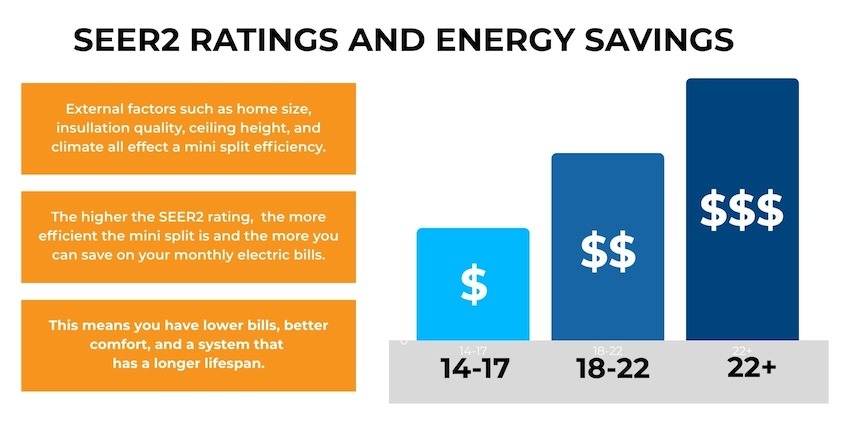
SEER2 is not just a spec on a product page. It is a direct multiplier on your monthly energy costs, and the gap between a baseline system and a high-efficiency one is bigger than most homeowners expect. The higher the SEER2 rating, the more efficiently your system uses electricity to produce cooling. Lower-rated systems run longer and use more electricity to maintain the same temperature.
Standard vs High-Efficiency Electricity Usage Cost Comparison
Mini split energy use depends on both system size and efficiency. A small single-zone unit may only use 500 to 700 watts to heat and cool one room, while larger systems require more power to deliver higher cooling output across multiple rooms.
To make a fair comparison, the example below compares two systems that produce the same 42,000 BTU of cooling for a whole house, running an average of three hours per day at the national average electricity rate of $0.17 per kWh.
| UNIT* | HOURLY POWER DRAW** | DAILY CONSUMPTION | DAILY DOLLAR AMOUNT | MONTHLY COST | 6-MONTH SEASONAL COST |
|---|---|---|---|---|---|
| Traditional Unit (14.3 SEER2) | 42,000 BTU / 14.3 SEER2 = 2,937 Watts | 2,937 Watts × 3 hours of daily usage = 8.81 kWh | 8.81 kWh × $0.17 = $1.50 per day | $1.50 × 30 = $45/month | $270.00 |
| High-Efficiency Unit (28.0 SEER2) | 42,000 BTU / 28 SEER2 = 1,500 Watts | 1,500 Watts × 3 hours of daily usage = 4.50 kWh | 4.50 kWh × $0.17 = $0.77 per day | $0.77 × 30 = $23.10/month | $138.60 |
*This example is not specific to any ACiQ system.
**This example uses simplified calculations for comparison. Actual energy usage and costs will vary based on system sizing, climate, insulation, usage patterns, and local electricity rates.
A 28 SEER2 system pays for itself through efficiency. Compared to the regional minimum of 14 SEER2, you are effectively cutting your seasonal cooling costs in half. That’s about a 50% savings.
SEER2 Quick Savings Formula
You do not need a calculator to estimate what an upgrade is worth. Use this simple formula: % Savings = 1 - (Old SEER2 / New SEER2).
For example, the ACiQ Essentials 9,000 BTU runs at up to 20 SEER2 and the Standard runs at up to 24.5 SEER2:
- 1 - (20 / 24.5) = about 18% less electricity consumed every month
On a $150 monthly cooling bill, that is about $20 to $25 saved each month, roughly $100 to $150 per season, and hundreds of dollars over the life of the system. With energy costs continuing to rise, those savings only grow over time.
Selecting the Right Size ACiQ Essentials or ACiQ Standard Mini Split for the Most Savings
Choosing the right size is just as important as choosing the right line. An undersized system overworks, and an oversized system short cycles. Both prevent the unit from reaching its rated SEER2 efficiency.
The chart below compares SEER2 ratings across shared sizes for both single- and multi-zone systems .
| TYPE | SIZE | COVERAGE | ACiQ ESSENTIALS SEER2* | ACiQ STANDARD SEER2* |
|---|---|---|---|---|
| Single-Zone | 9,000 BTU | 300 - 400 sq. ft. | Up to 20 SEER2 | Up to 24.6 SEER2 |
| Single-Zone | 12,000 BTU | 500 - 600 sq. ft. | Up to 20.5 SEER2 | Up to 24 SEER2 |
| Single-Zone | 24,000 BTU | 850 - 1,100 sq. ft. | Up to 21 SEER2 | Up to 23.5 SEER2 |
| Single-Zone | 36,000 BTU | 1,500 - 1,700 sq. ft. | Up to 19 SEER2 | Up to 18 SEER2** |
| Multi-Zone | 18,000 BTU | 650 - 800 sq. ft. | Up to 23 SEER2 | Up to 22.9 SEER2 |
| Multi-Zone | 24,000 BTU | 850 - 1,100 sq. ft. | Up to 23 SEER2 | - |
| Multi-Zone | 27,000 BTU | 1,200 - 1,500 sq. ft. | - | Up to 25 SEER2 |
| Multi-Zone | 36,000 BTU | 1,500 - 2,000 sq. ft. | - | Up to 24 SEER2 |
| Multi-Zone | 48,000 BTU | 2,000 - 2,500 sq. ft. | - | Up to 24 SEER2 |
| Multi-Zone | 55,000 BTU | 2,500 - 3,000 sq. ft. | - | Up to 22 SEER2 |
*Actual coverage may vary based on insulation, ceiling height, and local climate. SEER2 will vary by voltage and refrigerant.
**Note on Single Zone 36,000 BTU: It is normal for the Standard SEER2 to be lower than the Essentials at this specific high-capacity size due to different compressor configurations used for 3-ton single-zone units.
Why Homeowners Should Upgrade to an ACiQ Standard Mini Split
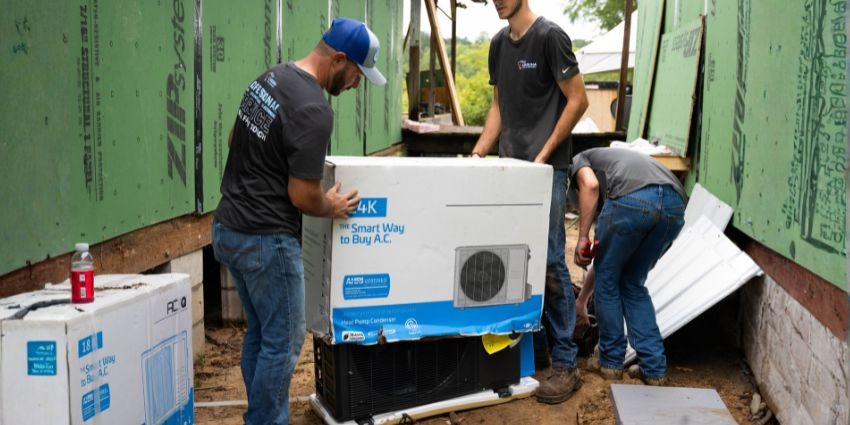
If you’re deciding between these two, the Standard Series is usually the smarter long-term investment. While the Essentials is a reliable system that will outperform older central air systems, the Standard is designed to deliver a more premium experience with greater efficiency and comfort.
- You’ll Save More Every Month: In the sizes most homeowners need, the Standard is more efficient. With a higher SEER2 rating, it uses less electricity to maintain comfort, helping offset the upfront cost over time.
- Better Performance in Extreme Weather: The Standard series operates in temperatures as low as -13°F and as high as 122°F. The Essentials series operates efficiently down to -5°F, making the Standard a better choice for extreme climates.
- More Power for Whole-Home Coverage: The Standard line offers higher capacities up to 55,000 BTU, making it ideal for larger homes and multi-zone applications.
At the end of the day, both systems are built to last. The decision comes down to how much you want to save on your electric bill and how much you value a more consistent, set-it-and-forget-it level of comfort.
What Other Factors Affect Your Mini Split's Efficiency?
SEER2 is the biggest factor you control at the time of purchase, but real-world efficiency is also influenced by everyday conditions. Here are the key factors to keep in mind:
- Insulation Quality: Poor insulation increases runtime beyond what the system was designed for.
- Ceiling Height: Rooms taller than 8 feet may require up to 20% more BTUs and can cost more to condition if not properly sized.
- Doors and Windows: Each opening is a source of heat transfer. Energy-efficient windows and proper sealing help reduce system workload.
- Heat-Generating Appliances: Kitchens, electronics, and lighting add heat, increasing the demand on your system.
- Unit Placement: Poor indoor unit placement can lead to uneven cooling and longer runtimes.
The ACiQ Standard’s higher SEER2 rating gives it more flexibility to handle these variables without significantly increasing your energy costs. Lower-efficiency systems have less margin, meaning the same conditions can result in higher monthly bills.
Is Upgrading to the ACiQ Standard Mini Split Worth It?
For most homeowners, the answer is yes. The Essentials is a capable system that will lower your energy bills, but the Standard does everything the Essentials does while using less electricity to do it. The upfront cost difference is real, but so is the monthly return, and the upgrade pays for itself over time. If you are already considering an ACiQ mini split, the step from Essentials to Standard is one of the best efficiency investments you can make.