Key Takeaways
- Assess your current HVAC setup: Understanding your mobile home’s existing system—fuel source, capacity (BTU/tonnage), and comfort level—provides a crucial baseline for selecting a compatible and efficient upgrade.
- Match the right system type to your goals: Whether sticking with heat-only, upgrading to a full central system, or exploring ductless mini-splits, your choice should reflect your home's layout, climate, and energy efficiency priorities.
- Shop smart with expert support: Once you’ve identified your needs, working with a knowledgeable provider like HVACDirect.com ensures you get mobile-home-approved equipment, expert guidance, and wholesale pricing that can save you hundreds or even thousands.
Introduction: Making Smart HVAC Decisions for Mobile Homes
Understanding Your Home’s Heating and Cooling Needs
Upgrading the furnace system in your mobile or manufactured home can feel overwhelming. These homes have unique requirements, and not all HVAC systems are compatible. To help you through the process, our HVACDirect.com experts have outlined a comprehensive step-by-step guide. By answering each question along the way, you’ll gain clarity on what you currently have, what you need, and how to make the best purchasing decision—potentially saving hundreds or even thousands of dollars.
Step 1: What Do You Have Now?
Establishing a Baseline For Your Heating and Cooling System
Begin by identifying the type of system currently installed in your mobile home. Even if you plan to upgrade, knowing what you already have will make comparing systems easier and help you make informed decisions.
- What’s your fuel source? (Electric, natural gas, propane, or oil)
- Do you currently have a full central air conditioning system, or just heating or cooling only?
- What are the current tonnage and BTU ratings of your unit?
- How well does your existing system perform in terms of comfort and efficiency?
Double-check Your Tonnage and BTU Requirements
- Look up the model number on your current unit and search for its specs online.
- Use an online HVAC sizing guide to cross-reference your home's actual needs.
If your findings don’t match, we recommend contacting an expert at HVACDirect.com.
Sizing Chart – BTU & Tonnage Calculator
| BTU Rating | Tonnage | Room Size |
|---|---|---|
| 6000 BTU | 0.5 Ton | 200-300 square feet |
| 9000 BTU | 0.75 Ton | 300-450 square feet |
| 12000 BTU | 1 Ton | 500-600 square feet |
| 18000 BTU | 1.5 Ton | 650-800 square feet |
| 24000 BTU | 2 Ton | 850-1100 square feet |
| 30000 BTU | 2.5 Ton | 1100-1450 square feet |
| 36000 BTU | 3 Ton | 1500-1700 square feet |
| 48000 BTU | 4 Ton | 1750-2100 square feet |
Step 2: Are You Switching System Types?
Evaluating Your Comfort Goals
After assessing your current setup, determine whether you're sticking with it or looking for something new. Ask yourself:
- Am I happy with the current level of comfort?
- Do I want to add cooling to a heat-only system—or vice versa?
System Types Explained
If you're switching system types, your two most common options are:
Heat Pump Systems: These offer both heating and cooling by moving air in and out of your home. They're highly efficient but may require a backup heat source in colder climates (below 35°F).
Furnace and AC Systems: The classic pairing of a furnace and condenser offers reliable comfort, especially in colder regions where gas furnaces provide strong heating performance.
Step 3: Do You Have Room for a Split System?
Understanding Split vs Packaged HVAC Units
HVAC systems for mobile homes can be installed as split systems or packaged units:
- Packaged Units: All-in-one systems that sit outside or on the roof—easier to install but less efficient.
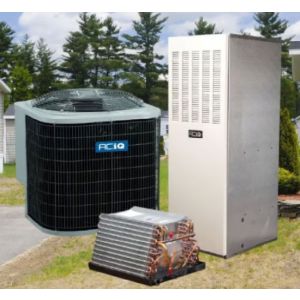
- Split Systems: Outdoor condenser paired with an indoor furnace or air handler—more efficient but require more space.
If you have the interior space, a split system is the better long-term investment due to higher energy efficiency.
Step 4: Is Your Home Ducted or Ductless?
Know How your Air Moves
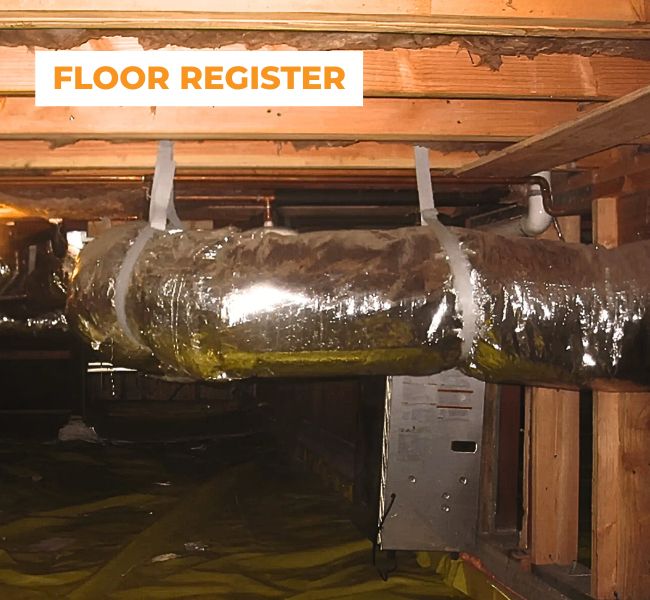
Most mobile homes include ductwork. However, some newer models are ductless and need a different approach. Unlike traditional ductwork that often runs in walls, mobile home ductwork frequently runs below the floor, along a central "underbelly," and is smaller in diameter.:
- Ducted: Compatible with traditional HVAC systems.
- Ductless: Best served by a mini-split system that offers both heating and cooling in one unit.
Ductless mini-splits have a higher upfront cost but deliver outstanding energy efficiency and utility savings over time.
Step 5: Don’t Overlook These Easy-to-Miss Factors
Details that impact performance and compatibility
- Use mobile home-compatible components: Standard residential systems won't always work. Look for mobile/manufactured-rated units.
- Venting and ductwork are different: Mobile homes use narrower ducts and require specially sized blowers.
- Don’t forget the roof jack: For gas furnaces, you’ll need a proper roof jack to vent exhaust safely and legally.
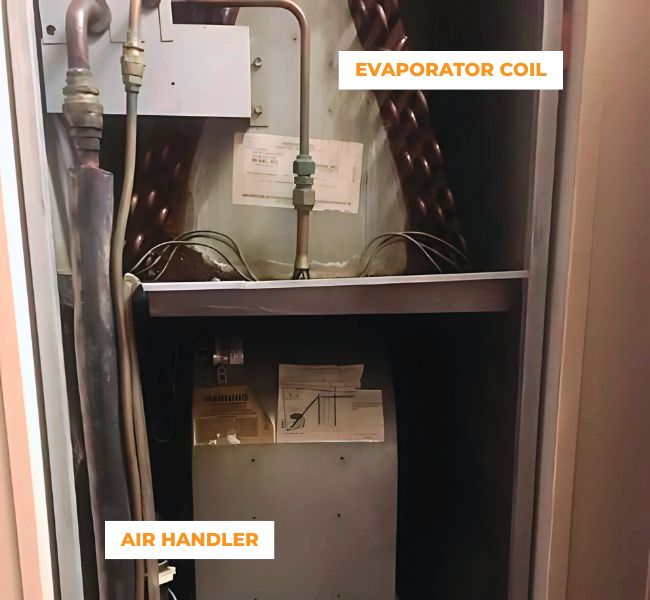
- Need a coil cabinet? If you're installing central AC, check if your system includes a cabinet for the evaporator coil—an essential piece for preventing condensation issues.
Step 6: Talk to a Professional, Then Shop Smart
Put your research to work
Now that you've gathered all the critical information, you’re better prepared to talk to a HVAC advisor. Use your answers and notes to verify their recommendations. This way, you’re in control of your comfort and your budget.
Shop Online with Confidence
Once you know what you need, purchasing from an online HVAC retailer like HVACDirect.com ensures you get:
- Access to a wide range of mobile home HVAC systems
- Transparent pricing without sales pressure
- Expert support via chat or phone
- Quick shipping and tracking tools
Conclusion: The HVACDirect.com Advantage
Your best partner for mobile home HVAC upgrades
Whether you’re upgrading an outdated furnace or switching to a more efficient, dual-purpose HVAC system, understanding your current setup and desired outcome is essential. This guide has walked you through every consideration—from sizing and compatibility to system type and installation details.
At HVACDirect.com, we carry the systems you need, backed by the expertise to help you choose wisely. Save money, improve comfort, and shop with confidence. Get started today—our pros are here to help!
Related Products

2 Ton 13.4 SEER2 10KW Mobile Home Air Conditioner & Electric Furnace System with Coil - R32
Brand: ACiQ
Price: $ 3,3032.00 (In Stock)
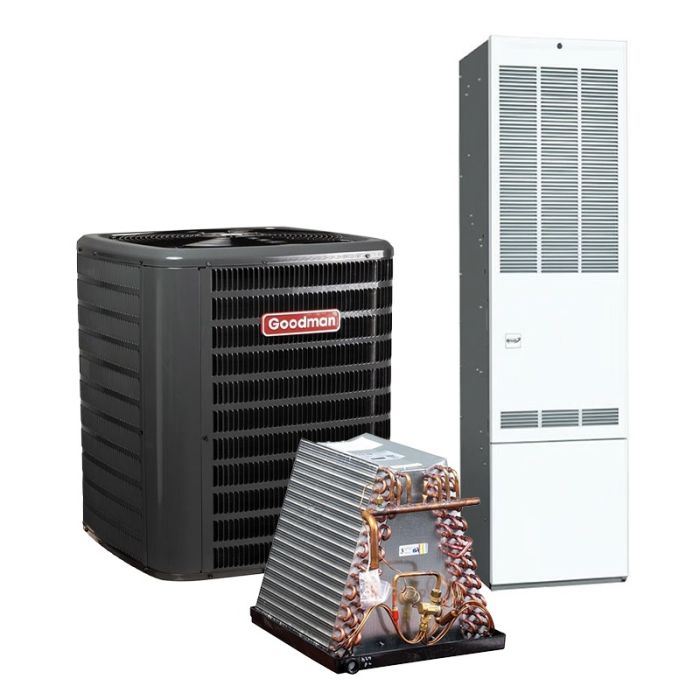
Goodman 2.5 Ton 13.4 SEER2 80% AFUE 56,000 BTU Mobile Home Air Conditioner and Gas Furnace System with Coil - R33
Brand: Goodman
Price: $ 3,871.00 (In Stock)
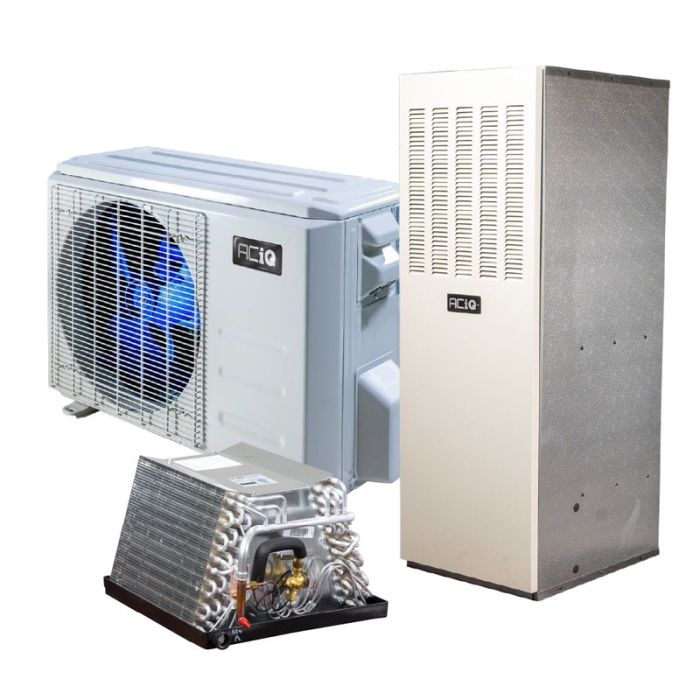
ACiQ 2 Ton 19.4 SEER 10KW High Efficiency Mobile Home Heat Pump & Electric Furnace System | Inverter
Brand: ACiQ
Price: $ 3,933.00 (In Stock)


There’s a lot to consider when updating your mobile home furnace system. To get started in understanding how to approach the buying process, our experts have put together this guide of questions and considerations. Write down the answers as you go and at the end you’ll have your list for what you need.
What do you have now?
Starting with your current system will allow you to have a baseline understanding of how your home is heated today. Even if you want to change or improve your heating, knowing what you’re currently using will help with targeting your search for a new system:
- What’s your fuel source? (Electric, natural gas, propane, oil?)
- Do you have a full central air conditioning system or just heating or cooling only?
- What are the tonnage and BTU requirements for your house?
- How well did your current system keep your home comfortable?
It’s recommended to get two sources of info on tonnage and BTU requirements so that you can double-check them to ensure accuracy:
- Check the specs on your current unit. You can lookup the model number online to see the tonnage and BTU specs, and on many units it is printed right on the plate.
- Use an online sizing guide to double-check your home’s requirements. You can easily find out what kind of unit you need by visiting our own Sizing Guide here.
The hope is that the sizing guide info and the specs on your current unit will match. If they don’t, we recommend you talk to a professional, such as a local installer or a representative at an equipment dealer, like HVACDirect.com
Are you changing to a new type of system?
After you’ve determined what you have today, you’ll need to determine what you want:
- Are you happy with what you have now?
- Do you want to change from heating-only or cooling-only and add a full central air conditioning system?
If you are going to keep the same as you have now, then your hunt is easy … plug in the specs and go shopping for a new system!
Different System Types: Heat-Only, Cool-Only, or a Full Central AC System?
It’s important to think hard about this one, as we always recommend putting in central air and heating together – you'll save on the installation and equipment by doing it all at once. If you want air conditioning as well as heating, take a look at both heat pumps and traditional AC/furnace systems.
Heat Pump Systems
Contrary to their names, heat pumps provide cool air in the summer by moving hot air out of the house to the outside. In the winter they do the opposite, moving warm air into the home. They are extremely energy-efficient compared to traditional air conditioning condensers, but require a backup heating source where outdoor temperatures drop below 35°F. This can be electric heat strips, gas, propane, or oil heat.
Furnace and Air Conditioning Systems
These systems provide heating and cooling via the traditional combination of a furnace, coil, and condenser. They are the most common in the Northern half of the US since the gas furnaces are able to efficiently keep homes warm and comfortable in the cold winter months.
Do you have room for a split system?
Mobile home HVAC systems can come as either a packaged unit or a split system. Packaged units contain all the heating and cooling elements in one large unit that can either sit on the ground outside or on the roof. A split system means that the heat pump or AC condenser sits outside while the furnace and air handler are inside.
Packaged units are easier to install than split systems, but if you have the room, we do recommend a split system since it is more energy-efficient.Does your home have ductwork or is it ductless?
Most mobile and manufactured houses have full ductwork that allow for both heating and cooling. There are, however, some newer and higher-end models available that do not have ductwork. For these models, you’ll want to consider a mini-split system. Able to handle both heat and air, ductless mini-splits do come with a bit of a higher initial price tag, but they are so energy-efficient that you’ll easily make up the costs and really save on your energy bills.
If your home is ducted, you can select any of the “traditional” mobile home heating and cooling units mentioned above.
Don’t Forget: Forgotten Factors in Mobile Home HVAC Shopping
When we asked our techs what things most homeowners overlook when shopping for a mobile home heating or cooling system, their answers came quick:
Ensure the components you’re buying are made for mobile or manufactured homes.
Venting and duct work for mobile homes is different than that of a regular home. The duct work is narrower and smaller so the blower fans are very different. Ensure everything you’re purchasing is made for your home.
If you have a gas furnace, don’t forget the roof jack.
Roof jacks are used to cover and extend the venting outside of the house through the roof for gas furnaces because space is just too tight inside to give the furnace proper clearance for necessary ventilation. When measuring what you need, don’t forget what you need inside the house (from the top of the furnace), plus what you need to extend beyond the roof. Also take into consideration the pitch of your roof.
If you have central air conditioning, make sure you have a coil cabinet.
The evaporator coil is what does all the work in making your heating and cooling system efficient. If you have a central air conditioning system, you need an insulated cabinet so that condensation doesn’t form. Many mobile home AC and furnace options come complete with a cabinet, but it’s important to check before you purchase. It seems simple, but is easy to forget!
Now that you’ve gone through these questions, you’re ready to go out and find the right system. As a rule of thumb, we always recommend that you have a professional come out and determine what you need. If you’ve done your homework (noted above) then you’ll be able to discuss their findings with them and ask the right questions. Then, once you know exactly what you need, purchase your system from an HVAC equipment provider, like HVACDirect.com in order to save on unit costs, and then have your installer put the system in.