Your cookie preferences
We use cookies to remember your preferences and understand how shoppers use our site, helping us improve your shopping experience.
Read our privacy policy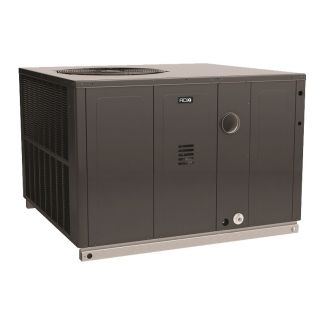
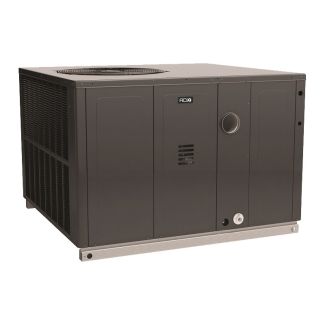
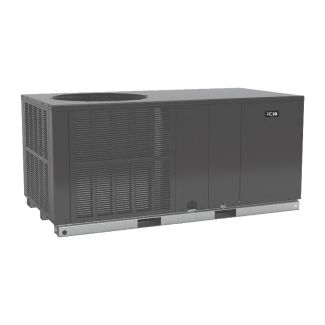
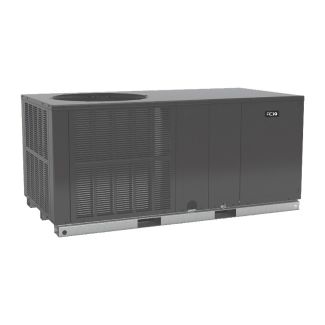
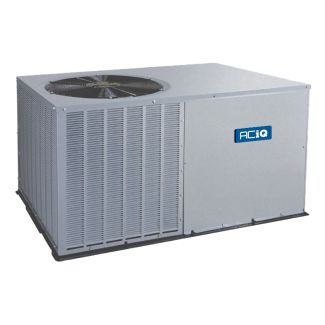
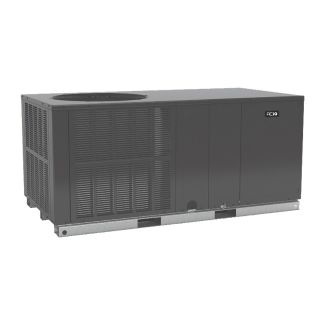
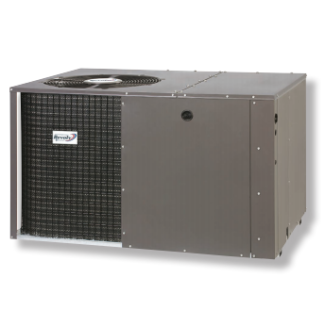
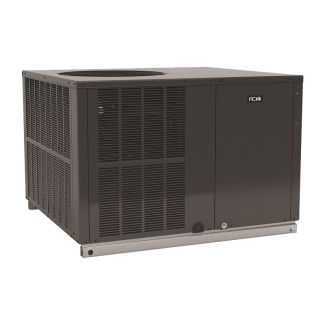
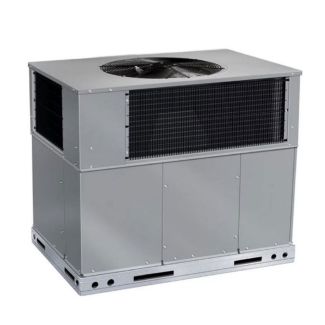

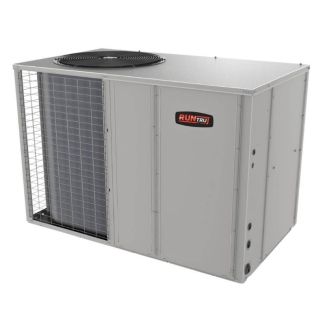
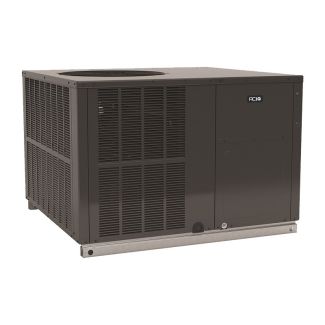
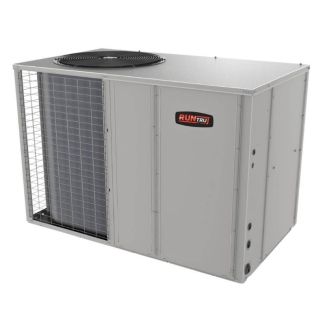
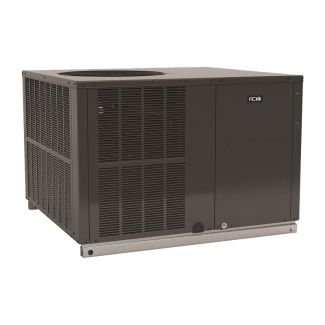
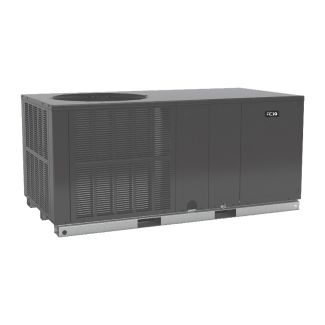
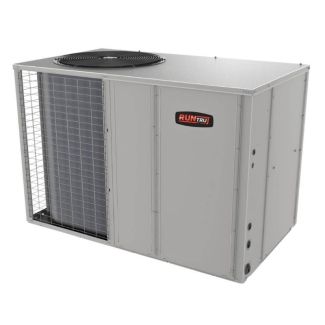
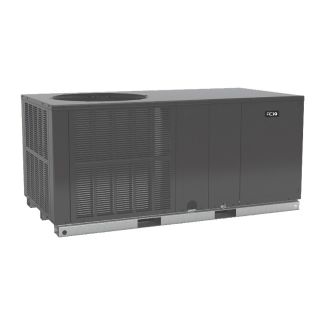
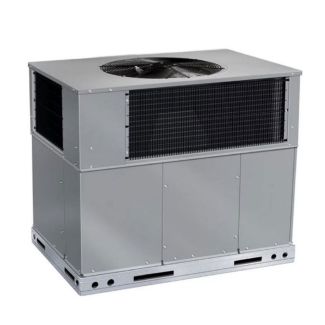
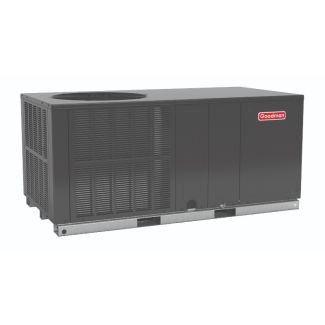
Mobile home AC and heating packaged units are self-contained heating and cooling systems specifically designed to provide whole-home heating and cooling for manufactured and mobile homes from a single outdoor cabinet. Unlike traditional split systems that use separate indoor and outdoor equipment, packaged units combine the major cooling and heating components into one factory-assembled unit.
These systems work by pulling air from the mobile home's return ductwork, conditioning that air through either an air conditioner, heat pump, or gas heating section, and then delivering the treated air back into the home through the supply ductwork. Most mobile home packaged systems use horizontal airflow and are installed at ground level beside the home, although some may be installed on rooftops or elevated platforms depending on site conditions.
Mobile home AC and heating packaged units are self-contained heating and cooling systems specifically designed to provide whole-home heating and cooling for manufactured and mobile homes from a single outdoor cabinet. Unlike traditional split systems that use separate indoor and outdoor equipment, packaged units combine the major cooling and heating components into one factory-assembled unit.
These systems work by pulling air from the mobile home's return ductwork, conditioning that air through either an air conditioner, heat pump, or gas heating section, and then delivering the treated air back into the home through the supply ductwork. Most mobile home packaged systems use horizontal airflow and are installed at ground level beside the home, although some may be installed on rooftops or elevated platforms depending on site conditions.

The main benefits of mobile home packaged HVAC units include simplified installation, reduced indoor equipment requirements, and centralized heating and cooling from a single system. Because the major HVAC components are integrated into one outdoor cabinet, these systems can save valuable indoor space while providing reliable year-round comfort.
Mobile home packaged units continue to be a preferred HVAC solution because they combine convenience, efficiency, and space-saving design into a single piece of equipment. When properly sized and installed, they can provide dependable comfort for many years.
These units can work in many manufactured home applications, but some installation scenarios are particularly well-suited for these all-in-one HVAC systems, including homes replacing an existing packaged unit, homes with limited indoor HVAC space, and single-, double- and triple-wide mobile homes.
Proper equipment selection becomes increasingly important as home size grows and efficiency ultimately depends on factors such as insulation quality, duct leakage, climate zone, window performance, sun exposure, and proper HVAC sizing. A load calculation remains the best way to determine actual system requirements for your space.
Your space and needs determine what tonnage you will need and common mobile home packaged systems sizes are 2 ton, 2.5 ton, 3 ton, 3.5 ton, 4 ton, and 5 ton capacities. Selecting the correct tonnage is important because an oversized or undersized unit can negatively affect comfort, humidity control, efficiency, and equipment longevity.
Selecting the correct tonnage is one of the most important HVAC buying decisions. A professional inspection remains the most accurate method for determining the proper system size for any mobile home.
Choosing the proper packaged-unit configuration is just as important as choosing the correct capacity, with systems designed to accommodate different fuel sources, comfort preferences, and installation requirements.
Always verify airflow direction and duct connection compatibility before purchasing. Understanding fuel availability, climate conditions, and existing HVAC infrastructure will help determine which packaged system type offers the best long-term solution.
Features such as the compressor type, blower motor technology, heating capability, and cold weather performance matter most when buying these units.
When comparing products, focus on the features that align with your climate, comfort expectations, and long-term energy goals.
Several important considerations extend beyond simple capacity and product type, including your existing system type, heating capacity, mobile home compatibility, and efficiency. Consider the following:
Taking time to evaluate these buying factors can help prevent costly installation issues and improve overall satisfaction with your new system.
HVACDirect.com carries several trusted brands that manufacture mobile home packaged HVAC systems. Each offers unique advantages depending on budget, efficiency goals, and application requirements.
Whether your priority is affordability, replacement compatibility, or brand reputation, these manufacturers offer proven options for manufactured-home HVAC applications.
The total cost of a mobile home packaged HVAC system includes more than just the equipment itself. Buyers should consider equipment pricing, installation expenses, operating costs, and long-term maintenance requirements.
The required permits for a mobile home packaged AC and heating unit installation typically cost between $75 and $300+, so be prepared for that additional spend when determining your total budget.
HVACDirect.com has become a trusted online destination for packaged HVAC systems because it combines competitive pricing, product selection, and technical resources in one location. The following advantages make us a popular choice for mobile-home HVAC purchases.
For buyers seeking trusted brands, competitive pricing, and extensive HVAC expertise, HVACDirect.com offers a convenient one-stop source for mobile home packaged systems.

Most quality mobile home packaged units last approximately 15 to 20 years when properly maintained. Factors such as climate, installation quality, maintenance practices, and operating conditions all influence longevity. Regular filter changes, annual inspections, and timely repairs can significantly extend system life. Systems exposed to coastal environments or heavy usage may require replacement sooner.
Most residential packaged HVAC systems operate on 208/230-volt electrical service. Larger units, electric heat kits, and certain specialty configurations may have additional electrical requirements depending on heating capacity. Always verify the manufacturer's electrical specifications before installation. A licensed electrician can confirm that the home's electrical service is adequate.
Yes, professional installation is strongly recommended because packaged units involve refrigerant systems, electrical connections, ductwork, airflow requirements, and in some cases gas piping. Improper installation can reduce efficiency, increase operating costs, and potentially void warranty coverage. Professional installation also helps ensure code compliance and safe system operation.
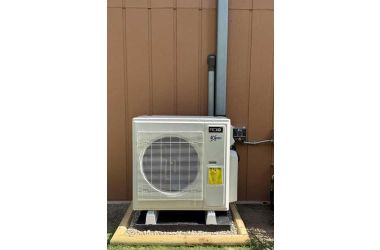
Most mobile home packaged units are installed on a concrete slab, equipment pad, or support platform beside the home. Some installations may use rooftop mounting depending on site conditions and local requirements. Horizontal duct connections typically connect directly to the home's HVAC ductwork. Adequate service clearances must be maintained around the cabinet.
Most packaged units are factory charged with refrigerant for standard applications. However, installation requirements vary by manufacturer and application. Technicians typically verify refrigerant levels during startup to ensure proper operation. Always follow manufacturer installation instructions for final commissioning procedures.
The most accurate sizing method uses a Manual J load calculation performed by an HVAC professional. While square footage provides a rough guideline, factors such as insulation, windows, climate, duct leakage, ceiling height, and occupancy all affect sizing requirements. Mobile home packaged systems commonly range from 2 to 5 tons. Proper sizing improves efficiency, comfort, and equipment lifespan.
Routine maintenance includes changing air filters every 1 to 3 months, cleaning condenser coils, inspecting electrical components, checking refrigerant performance, and verifying airflow. Annual professional maintenance is recommended. Homeowners should also keep vegetation and debris away from the outdoor cabinet. Preventive maintenance helps preserve efficiency and reliability.
Warranty coverage varies by manufacturer but often includes 10-year limited parts warranties when the equipment is properly registered. Compressors and heat exchangers may carry separate coverage terms depending on product type. Always review model-specific warranty documentation before purchase. Professional installation may be required to maintain warranty eligibility.
Some high-efficiency packaged heat pumps and HVAC systems may qualify for utility rebates, manufacturer promotions, or regional energy-efficiency incentives. Eligibility varies by location, equipment efficiency rating, and program requirements. Homeowners should verify current incentive availability before purchasing. Local utility companies often provide rebate information.
In some situations, yes. However, replacing a split system with a packaged unit may require modifications to ductwork, electrical infrastructure, equipment location, and airflow design. Feasibility depends on the home's layout and HVAC configuration. An HVAC professional can evaluate whether conversion is practical and cost effective.
Replacement is often recommended when a system reaches 15 to 20 years of age, experiences frequent repairs, develops major component failures, or becomes significantly less efficient than modern equipment. Rising energy bills and inconsistent comfort are also common warning signs. Upgrading to a newer packaged system can improve reliability, efficiency, and overall home comfort.



