Key Takeaways
- Compare Multiple Heating Options: Boilers, furnaces, and heat pumps each offer distinct advantages. Boilers deliver consistent radiant heat, furnaces provide fast whole-home heating, and heat pumps offer efficient year-round comfort.
- Understand Energy Efficiency Ratings: Check the AFUE rating for furnaces or SEER/HSPF for heat pumps to ensure maximum efficiency and long-term savings on your energy bills.
- Rely on Expert Guidance: With over 75 years of industry experience, HVACDirect.com helps homeowners choose reliable, cost-effective heating systems tailored to their climate and comfort needs.
When deciding on a heating system for your house, it can be very helpful to know your options and have resources available that can provide you with expert opinions and help answer your questions. HVACDirect.com is one of the best suppliers of heating appliances in their industry. Their expertise is backed by over 75 years of collaborative experience among their employees. While there are several heating systems to choose from for your home — Boilers and radiant heat systems, furnaces, and heat pumps — our experts can help you choose the best suitable option for your needs. When looking for the best heating system for your house, check out HVACDirect.com and let us help you make the right decision for this valuable investment.
Boilers and Radiant Heat Systems
How Boilers Work and Why They’re Different
 While sometimes boilers and furnaces are referred to as the same thing, these are actually two very different types of heating systems used in the home.
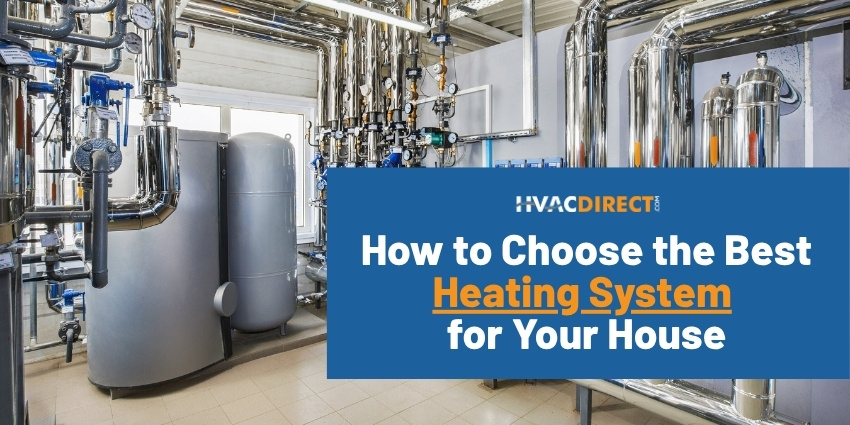
Boilers utilize either natural gas, electricity, or propane as a fuel source to heat water in its system, although the water never actually does come to a boil as one would imagine.
The hot air created by a boiler is carried throughout the home utilizing a radiant heating system such as traditional radiators, baseboard heaters, or aluminum panels in the dwelling’s walls, floors, or ceilings.
While sometimes boilers and furnaces are referred to as the same thing, these are actually two very different types of heating systems used in the home.
Boilers utilize either natural gas, electricity, or propane as a fuel source to heat water in its system, although the water never actually does come to a boil as one would imagine.
The hot air created by a boiler is carried throughout the home utilizing a radiant heating system such as traditional radiators, baseboard heaters, or aluminum panels in the dwelling’s walls, floors, or ceilings.
Advantages of Radiant Floor Heat
Utilizing radiant floor heat is a popular option which works most effectively when tile flooring is the floor covering of the home. Radiant floor heat is transferred without the use of air ducts. When utilizing a boiler or a radiant heat system, your home can achieve maximum heat efficacy without having to circulate allergens throughout the home. While furnaces are usually a better option for energy efficiency, older boilers which are still functional can be retrofitted by professional installers to help increase energy efficiency.
Furnaces
How Furnaces Operate and Fuel Options
One of the most popular heating options for today’s home is either the gas furnace or electric furnace system. These systems work by blowing heated air through the duct systems of the home. Another term used to refer to furnaces is a forced air heating system. These furnace control systems can run on different types of fuel. The most common sources of energy currently available for furnaces are electricity, natural gas, and oil.
Understanding Furnace Efficiency
While these systems are generally more energy efficient, their operating costs may vary depending on energy costs, fuel rates, and electricity prices. One tip for selecting the best furnace for your home is to check the AFUE rating. If it is at least 80, you have a typical energy-efficient system. The higher the AFUE rating of the furnace is, the more likely you will be to save on heating costs; however, you may have to pay a little more out of pocket when making your initial investment.
Heat Pumps
How Heat Pumps Work
Heat pumps are another type of heating source in the home. These units use refrigerant to absorb heat from outside sources such as the ground, air, and even bodies of water, and then utilize an exchanger to transfer the hot air into the home. Heat pumps are most commonly designed to draw thermal energy from the ground or ambient air.
Benefits of Heat Pumps for Homeowners
This method of heating is becoming increasingly popular for homeowners in modern days. Ground source and air source heat pumps usually are more pricey than other heating options for the home, but for homeowners that live in temperate climates, they can provide large energy savings advantages.
Your #1 Choice for all of Your Heating Needs
Trust HVACDirect.com for Expert Guidance
HVACDirect.com knows that when you trust them with your important heating appliance decision, you are putting the comfort of your family in their hands. These systems provide comfort to your families in the cold months and the costs associated with operating heat systems heavily can be substantial. It is imperative for a homeowner to be able to make a well-informed, educated decision when deciding on this investment to ensure that their system will be the best option for them and last for a long time. Our prices are competitive, and we offer our experience to help customers make the best decision for their heating options in their home.