Key Takeaways
- Plan Your Zones & Placement: Place each air handler thoughtfully, keep indoor-to-outdoor runs about 50 ft or less, and plan up to 5 zones per condenser (8–9 with branch boxes).
- Have the Right Components Ready: You’ll need a code-required disconnect and electrical whip, control wire for each head, line sets, a condensate drain or pump, and a condenser pad or wall bracket—plus optional line-set covers.
- DIY vs. Pro Installation: DIY systems are possible, but consult a certified HVAC technician for complex layouts—especially when planning more than five zones.
Have you been considering a mini split system for your home but are unsure how to complete setup? Our multi-zone mini split installation guide will tell you exactly what you need for your new system. Mini splits are a great option to cool and heat your home efficiently and don't require a lot of prep, so following this guide will make it easy for you to get ready for installation. The HVAC experts at HVACDirect.com are here to help clear up some common questions about multi-zone and DIY mini split systems and what you will need to install them. Let's start with why you should choose a multi-zone mini split for cooling and heating.
How Do Multi Zone Mini Splits Work?
Room-by-Room Comfort with Zoned Air Handlers
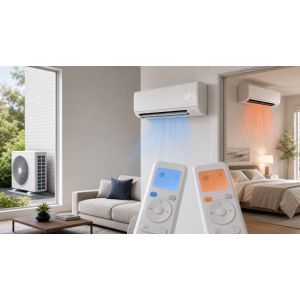
Ductless mini splits provide excellent climate control over zones in your house. Since you can have an air handler in each room, you can set the temperature to whatever its user prefers.
Smart Controls (Cielo Breez) & App Management
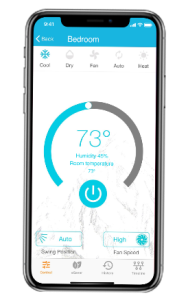
You can even control all the zones from your phone provided you have connected a WiFi-capable thermostat like the Cielo Breez.
High Efficiency Without Ductwork
Another reason to get a mini split is the high efficiency they can achieve. One reason is that they eliminate the need for ductwork where your efficiency is leaking out the cracks.
Variable Capacity & Quiet Operation
The inverter technology in mini splits allow them to vary their capacity so that you are never putting too much energy into cooling or heating when it is not needed. This also makes them very quiet.
What to Do to Set Up Zoning
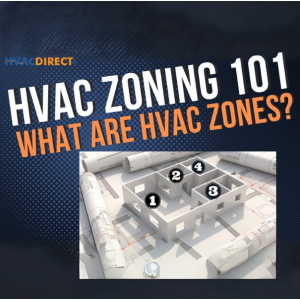
Indoor Unit Placement: Picking Locations for Each Air Handler
When purchasing a mini split for your whole home, you will need to consider where to place each air handler and the condenser that sits outside.
Outdoor Condenser Location & Distance Limits
Typically, the furthest you want the air handler to be from a condenser is 50 feet.
How Many Zones?
The leading condensers can connect to up to five zones without additional parts and up to eight or nine zones if you use branch boxes.
When to Consult a Pro for Complex Layouts
We recommend asking a tech about anything over five zones. If you're not sure, give us a call here at HVACDirect.com and our certified HVAC technicians will help you out.
How to Hook Up Your Mini Split (Installation Components)
Electrical Requirements: Disconnect & Electrical Whip
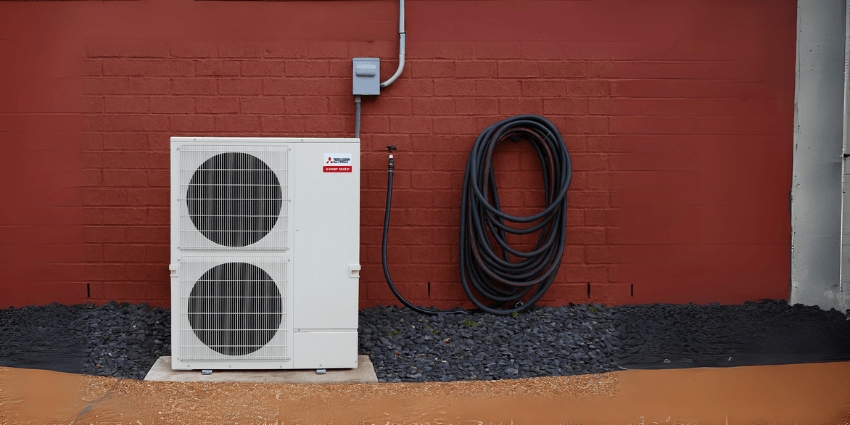
For a mini split condenser, you will need the same items as for a central air condenser. A disconnect is required by law, and you will also need an electrical whip to run the electricity from the disconnect to the condenser.
Control Wiring
The air handlers are all powered directly from the condenser, so you will need to find the length between each air handler to the condenser and cut the control wire down accordingly.
Line Sets & Refrigerant Piping
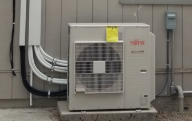
Each air handler also requires a line set to run refrigerant back and forth to the condenser. You will need the correct length for those as well.
Condensate Management
The air handlers produce condensation during operation, so you will need a way to remove that either by gravity and a drain line or a condensate pump.
Condenser Mounting Options
Lastly, you will need something to set the condenser on. The most common options are a wall bracket or plastic pad.
Optional Accessories: Line-Set Covers
A great optional accessory are line set covers. These protect your line sets from the elements and provide a more appealing look on the side of your home.
Multi-Zone Mini Split Installation Checklist & Next Steps
Quick Checklist
So, what do you need for a multi-zone mini split?
- You need rooms to heat and cool and places in the rooms to put an air handler
- A condenser, air handlers and all the hook-up items
- A professional to put it in for you (unless you chose a DIY mini split system)
Comfort & Savings
As you can see, it's not rocket science. With a little preparation, anyone can have a mini split in their home and save money in the long run on your energy costs. Plus, you'll be very comfortable in the process!
Shop Multi-Zone Mini Split Systems at HVACDirect.com
Installing a multi-zone mini split doesn’t have to be complicated. By understanding how they work, planning your zones, preparing the right components, and ensuring proper installation, you’ll set yourself up for long-term comfort and efficiency. The right system not only saves energy but also customizes comfort in every room of your home.
If you're shopping for a mini split system, HVACDirect.com has a large selection. You can order a Mitsubishi mini split multi-zone system, MRCOOL mini splits and other leading brands. We have the lowest prices and free shipping to help you save on efficient heating and cooling.
Multi-Zone Mini Split Frequently Asked Questions
You will need one air handler for every room you want heated or cooled. However, if you have infrequently used rooms, or open spaces that can be heated or cooled by a nearby mini split, a separate indoor unit isn't necessary. This can lower installation costs and monthly utilities.
Many multi-zone systems can connect one outdoor condenser to as many as nine indoor air handlers. If you need more than nine zones, you’ll typically add a second outdoor unit.
A common guideline is to keep each indoor unit within about 50 feet of the outdoor condenser, though exact maximum line-set lengths vary by brand and model. Check your system specifications before purchasing.


 What to Do to Set Up Zoning
When purchasing a mini split for your whole home, you will need to consider where to place each air handler and the condenser that sits outside. Typically, the furthest you want the air handler to be from a condenser is 50 feet. The leading condensers can connect to up to five zones without additional parts and up to eight or nine zones if you use branch boxes. We recommend asking a tech about anything over five zones. If you're not sure, give us a call here at HVACDirect.com and our certified HVAC technicians will help you out.
How to Hook Up Your Mini Split
For a mini split condenser, you will need the same items as for a central air condenser. A disconnect is required by law, and you will also need an electrical whip to run the electricity from the disconnect to the condenser. The air handlers are all powered directly from the condenser, so you will need to find the length between each air handler to the condenser and cut the control wire down accordingly.
Each air handler also requires a line set to run refrigerant back and forth to the condenser. You will need the correct length for those as well. The air handlers produce condensation during operation, so you will need a way to remove that either by gravity and a drain line or a condensate pump. Lastly, you will need something to set the condenser on. The most common options are a wall bracket or plastic pad.
A great optional accessory are line set covers. These protect your line sets from the elements and provide a more appealing look on the side of your home.
What to Do to Set Up Zoning
When purchasing a mini split for your whole home, you will need to consider where to place each air handler and the condenser that sits outside. Typically, the furthest you want the air handler to be from a condenser is 50 feet. The leading condensers can connect to up to five zones without additional parts and up to eight or nine zones if you use branch boxes. We recommend asking a tech about anything over five zones. If you're not sure, give us a call here at HVACDirect.com and our certified HVAC technicians will help you out.
How to Hook Up Your Mini Split
For a mini split condenser, you will need the same items as for a central air condenser. A disconnect is required by law, and you will also need an electrical whip to run the electricity from the disconnect to the condenser. The air handlers are all powered directly from the condenser, so you will need to find the length between each air handler to the condenser and cut the control wire down accordingly.
Each air handler also requires a line set to run refrigerant back and forth to the condenser. You will need the correct length for those as well. The air handlers produce condensation during operation, so you will need a way to remove that either by gravity and a drain line or a condensate pump. Lastly, you will need something to set the condenser on. The most common options are a wall bracket or plastic pad.
A great optional accessory are line set covers. These protect your line sets from the elements and provide a more appealing look on the side of your home.
 Recap
So, what do you need for a multi-zone mini split?
Recap
So, what do you need for a multi-zone mini split?
- You need rooms to heat and cool and places in the rooms to put an air handler
- A condenser, air handlers and all the hook-up items
- A professional to put it in for you (unless you chose a DIY mini split system)