Your cookie preferences
We use cookies to remember your preferences and understand how shoppers use our site, helping us improve your shopping experience.
Read our privacy policy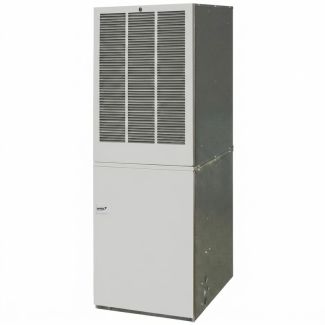
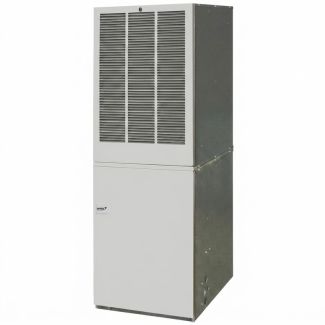
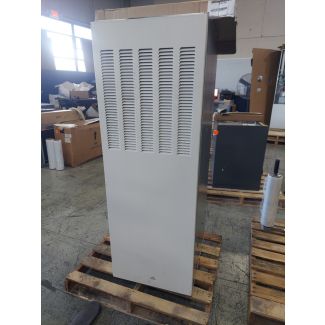

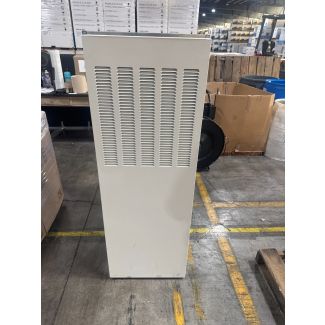
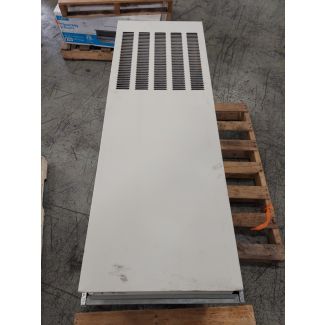
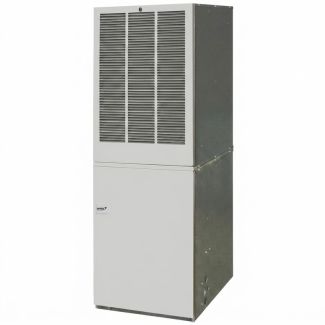
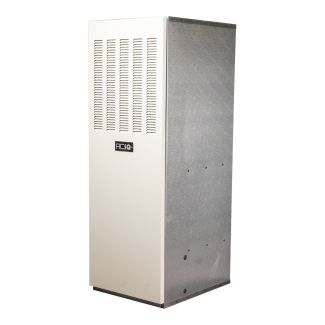
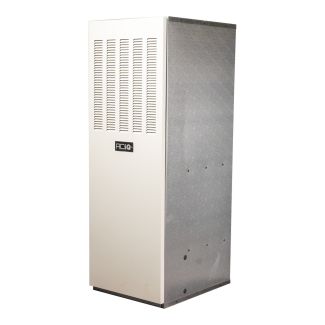
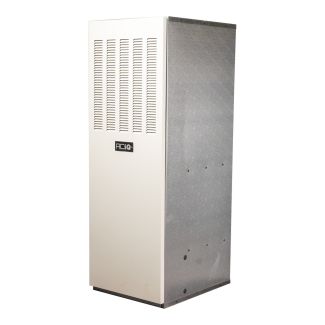
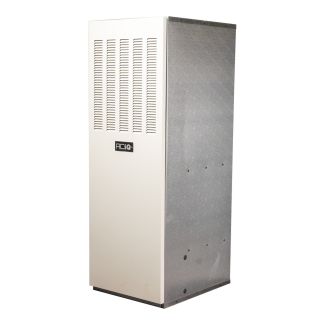
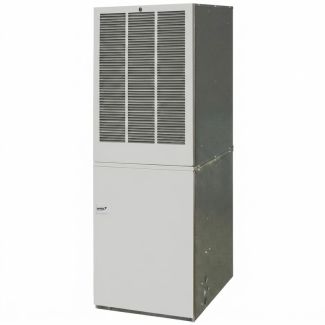
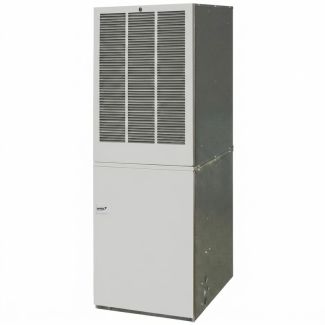
A mobile home electric furnace is a compact heating system engineered to fit into tight spaces within mobile and manufactured homes as downflow, upflow, and horizontal air units. Their compact cabinets connect directly to small underfloor duct networks to deliver heat evenly across restricted living spaces. Many models are also designed to pair with a compatible evaporator coil for central air conditioning.
Electric furnaces work by drawing return air into a front cabinet and moving it across high-resistance heating coils using an integrated multi-speed blower motor. Electric sequencers cycle the heating elements on in stages to manage internal power draw and prevent electrical overloads. As air passes over the energized coils, it absorbs heat before the blower distributes it through the home’s underfloor duct system. Built-in high-limit safety switches automatically shut off power if internal cabinet temperatures exceed operational limits.
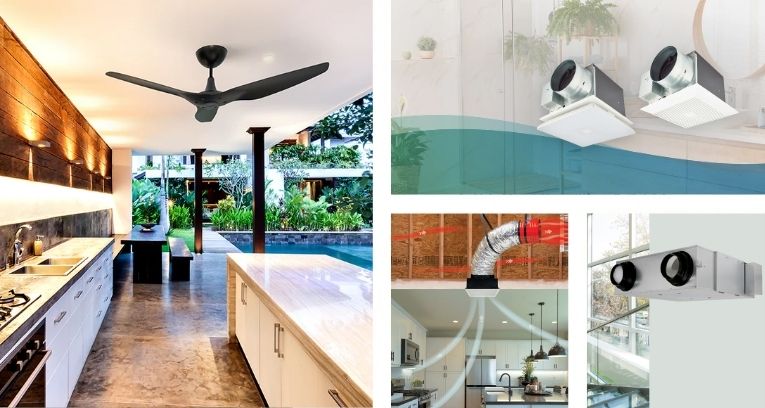
A mobile home electric furnace is a compact heating system engineered to fit into tight spaces within mobile and manufactured homes as downflow, upflow, and horizontal air units. Their compact cabinets connect directly to small underfloor duct networks to deliver heat evenly across restricted living spaces. Many models are also designed to pair with a compatible evaporator coil for central air conditioning.
Electric furnaces work by drawing return air into a front cabinet and moving it across high-resistance heating coils using an integrated multi-speed blower motor. Electric sequencers cycle the heating elements on in stages to manage internal power draw and prevent electrical overloads. As air passes over the energized coils, it absorbs heat before the blower distributes it through the home’s underfloor duct system. Built-in high-limit safety switches automatically shut off power if internal cabinet temperatures exceed operational limits.
These electric furnaces can deliver 100% point-of-use heating efficiency without complex gas piping or external venting infrastructure, among several other benefits. These zero-emission systems simplify indoor climate management across compact manufactured housing floor plans.
Selecting an all-electric furnace eliminates fuel leak hazards and ensures long-term system stability. Property owners benefit from reduced up-front installation expenses and minimal seasonal maintenance requirements.
Mobile home electric furnaces require proper capacity planning based on total floor area and local heating loads and typically come in capacities ranging from 20K to 80K BTU. Sizing an electric unit ensures the system delivers sufficient heating output while maintaining energy efficiency.
Severe regional cold snaps or poor home insulation may require stepping up to the higher end of the BTU range. Consult a professional HVAC load calculation to verify structural heat loss factors before final unit selection.
Selecting the correct mobile home electric furnace configuration, such as downflow, upflow, multi-position, furnace-only, heat-ready, or packaged, depends on structural duct orientation, desired cooling add-ons, and space limitations. Manufactured homes require specific cabinet footprints and airflow pathways to maintain proper static duct pressure.
Understanding these layout variations prevents airflow restrictions and ensures smooth integration with existing mobile home ductwork. Always verify cabinet dimensions and supply plenum alignment before choosing a replacement model.
Key components, which include blower types, breakers, sequencers, heat strips, and thermostats, help dictate overall energy efficiency, electrical safety, and operational longevity in mobile home electric furnaces. Evaluating internal safety devices and motor technologies ensures optimal airflow distribution throughout shallow underfloor duct systems.
Prioritizing these features prevents electrical panel overloads and maintains uniform temperatures across manufactured home floor plans. Matching furnace components with existing ductwork design reduces long-term maintenance needs.
Evaluating auxiliary structural, electrical, and physical installation requirements ensures seamless unit integration without costly field modifications. Proper planning prevents electrical service overloads, static airflow restrictions, and cabinet alignment issues.
Selecting the right physical and electrical specifications supports safe operation. Homeowners avoid premature motor degradation by matching system parameters directly to existing structural utility connections.
Leading HVAC manufacturers ACiQ and Style Crest-Revolv specialize in electric heating systems engineered for mobile homes. These brands produce compact downflow electric furnaces designed to deliver efficient thermal performance within shallow utility closets and tight duct networks.
Selecting a dedicated manufactured housing furnace from ACiQ or Style Crest-Revolv supports proper static duct pressure and 24V thermostat integration. Both brands back their electric furnace cabinets with comprehensive parts warranties and direct A/C coil expansion compatibility.
With a current HVACDirect.com $2,700 to $5,000+ range for combined equipment, installation, and electrical upgrade costs, mobile home electric furnaces offer a lower initial purchase price compared to gas units. Total project investment depends on installation requirements and utility rates. Evaluating both upfront costs and ongoing operational expenses helps homeowners budget effectively for a heating system replacement. Prices for these furnaces here and below are planning estimates, not guaranteed costs.
Equipment prices reflect present HVACDirect.com listings, where buying direct may save up to 70% on HVAC equipment versus local company pricing. Installation, labor, energy, maintenance, and service costs vary by system size, efficiency, installation complexity, local contractor and utility rates, climate, and location. For an accurate mobile home project estimate, consult a qualified local HVAC professional or an HVACDirect.com specialist to point you in the right direction.
Purchasing heating equipment directly online significantly reduces overall equipment costs while retaining warranty coverage. Properly sizing the system prevents unnecessary electric grid draw and helps manage long-term winter utility bills.
HVACDirect.com provides wholesale pricing, expert technical support, and specialized manufactured housing inventory for direct-to-consumer purchases. Buying directly online allows homeowners and contractors to access top-tier equipment without middleman retail markups.
Direct wholesale purchasing provides fully warrantied heating equipment tailored to your budget. Dedicated customer service support guides your order from initial selection through final home delivery.
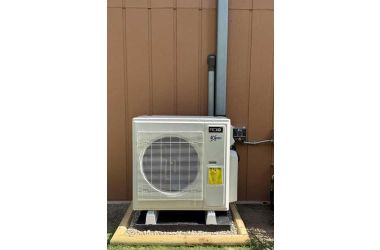

Mobile home electric furnace sizing requires approximately 25 to 50 BTUs per square foot for most home sizes, though smaller homes may require a higher rate per square foot, depending on climate zone and insulation quality. Using HVACDirect.com sizing tools or having a professional an inspection confirms the exact thermal capacity needed for your home layout.
Mobile home electric furnace sizing requires choosing between 10 kW and 20 kW capacities based on living space square footage and regional heating requirements. Manufactured homes under 1,000 square feet typically require a 10 kW to 12 kW electric heat kit to supply adequate thermal energy during cold weather. Mid-sized to large double-wide homes measuring 1,000 to 1,800 square feet usually need a 15 kW furnace model. Homes exceeding 1,800 square feet or those located in northern climates require 17 kW to 20 kW units to handle maximum winter heat loss loads.
Mobile home electric furnaces can directly replace gas furnaces as long as the electrical panel supplies adequate power amperage for the new system. Transitioning to an electric unit removes the need for fuel lines and exterior roof jack venting, simplifying cabinet installation in tight utility closets. Most 10 kW to 20 kW electric furnaces require a 100A to 200A electrical panel and dedicated 240V double-pole circuit breakers. Selecting a HUD-approved mobile home electric furnace supports compatibility with standard underfloor ducting systems.
Mobile home electric furnaces require dedicated double-pole circuit breakers sized according to their specific kilowatt rating and total electrical current draw. Standard 10 kW mobile home electric furnaces generally require a single 60-amp double-pole breaker or dual 30A breakers. Larger 15 kW to 20 kW units utilize split-circuit configurations requiring multiple breakers, such as combined 60A and 30A setups or dual 60A breakers. Always check the manufacturer spec sheet and local electrical codes to ensure the home main breaker panel can support the required breaker sizing.
Mobile home electric furnaces require 240V single-phase power to operate high-resistance heating elements efficiently. Lower voltage circuits cannot supply sufficient electrical current to power 10 kW to 20 kW heating elements. Additionally, internal blower motors and control transformer circuits step down this primary line voltage to 24V to safely control room thermostat signals.
Mobile home electric furnaces can utilize existing home ductwork provided the trunk line dimensions and supply registers match the air volume requirements of the replacement unit. Manufactured homes feature smaller, shallower underfloor duct channels compared to traditional site-built structures, requiring low-static pressure airflow. Connecting a new downflow furnace to existing ducting requires checking for air leaks, ensuring proper plenum alignment, and confirming the blower motor matches system CFM specs.
Mobile home electric furnaces can integrate directly with central air conditioning systems. Standard electric furnaces operate as heat-ready air handlers, featuring internal cabinets designed to hold an add-on A/C evaporator coil directly above or below the blower compartment. The integrated multi-speed blower motor moves conditioned cold air across existing underfloor trunk lines during summer months while utilizing standard 24V thermostat wiring to control both heating and cooling modes.
Mobile home electric furnaces work directly with heat pump systems as emergency or auxiliary heat sources. During mild winter conditions, the outdoor heat pump handles primary space heating at high efficiency. When freezing temperatures drop outdoor thermal energy levels below the heat pump's balance point, the electric furnace automatically engages its staged resistance heat strips. This dual-stage configuration delivers energy savings during shoulder seasons while providing reliable heating performance during extreme sub-freezing weather.
Mobile home electric furnaces typically last between 15 and 20 years with regular maintenance and proper care. Because electric furnaces lack combustion-based heat exchangers or gas valves that experience chemical wear from fuel burning, they run efficiently for several years when paired with proper airflow and balanced electrical service. Maximizing the operational lifespan of your electric furnace depends on changing air filters regularly to prevent motor strain, scheduling annual professional electrical inspections, and keeping underfloor supply vents unobstructed to avoid high static pressure.
Mobile home electric furnaces typically use low-restriction, permanent washable mesh filters or standard 1-inch disposable filters integrated directly into the furnace door or return air grille. Because manufactured housing systems operate within strict static pressure limitations to push air through underfloor duct systems, they require filters that prevent airflow restriction and blower motor overheating. Depending on the specific mobile home furnace model (such as units from ACiQ or Style Crest-Revolv), the filter may slide into a built-in lower compartment rack or require rinsing with clean water if specified as a permanent washable element.
Mobile home electric furnaces most frequently trip breakers due to excessive electrical current draw from failing heating element sequencers, short circuits in internal wiring, or restricted airflow causing the blower motor to overheat. When a filter becomes heavily clogged or underfloor supply registers are blocked, the system experiences high static pressure, forcing the blower to work harder and draw excess amperage. Additionally, loose terminal connections on heavy-gauge copper wiring or a faulty circuit breaker can cause premature tripping under standard operating loads.
Mobile home electric furnaces typically blow cold air because of tripped thermal limit switches, faulty heating element sequencers, or incorrect thermostat settings. When internal heating elements fail to energize or the sequencers malfunction, the blower motor continues to push unheated air through the ducts. Additionally, if the thermostat fan setting is left in the "ON" position rather than "AUTO," the blower will run continuously between heating cycles, circulating unconditioned room air and making the vents feel cold.
Mobile home electric furnaces are designed for continuous, unattended operation, making them a safe option to run overnight when properly maintained. Because they are permanently hardwired central HVAC systems housed inside enclosed metal utility cabinets rather than portable heating appliances, they are governed by internal high-limit thermal safety switches and dedicated circuit breakers that protect against overheating. Maintaining safe overnight operation requires keeping return air filters clean, ensuring proper clearances around the utility compartment, and scheduling annual professional service inspections.
Mobile home electric furnaces can qualify for local utility rebates and regional energy-efficiency incentives, though standalone electric resistance furnaces generally receive fewer direct federal tax credits than heat pump configurations. Many local electric cooperatives and power utilities offer rebates when upgrading to manufactured housing electric furnaces equipped with high-efficiency ECM blower motors or smart controls. Use the HVACDirect.com Rebate Finder to find available residential rebates on select products in your area.
