Your cookie preferences
We use cookies to remember your preferences and understand how shoppers use our site, helping us improve your shopping experience.
Read our privacy policy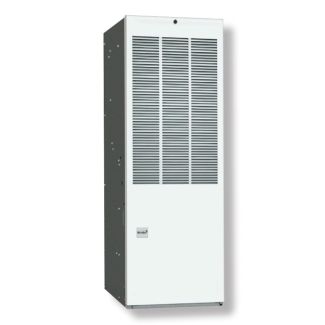
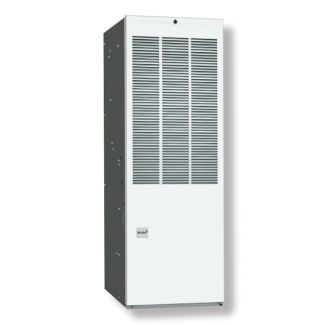
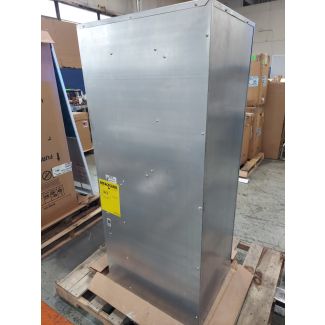

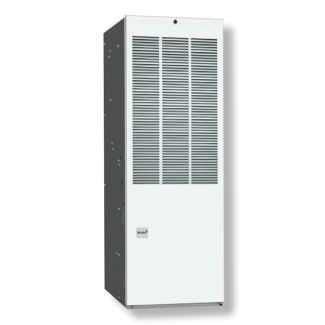


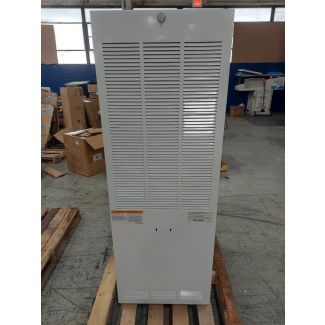
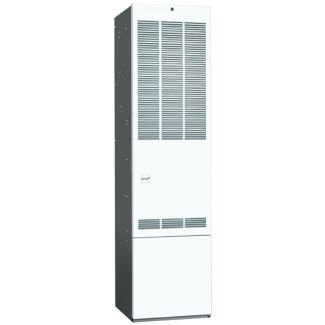
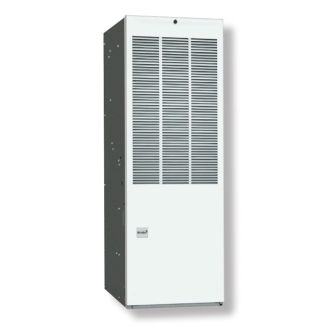
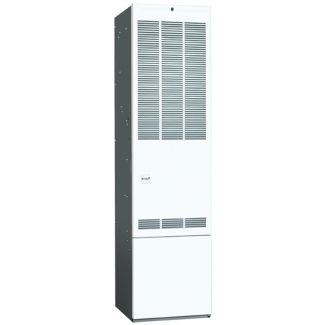
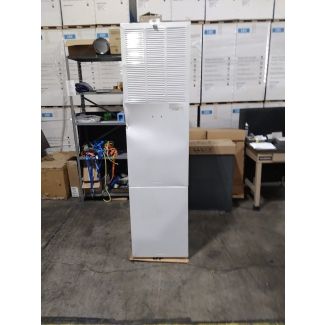
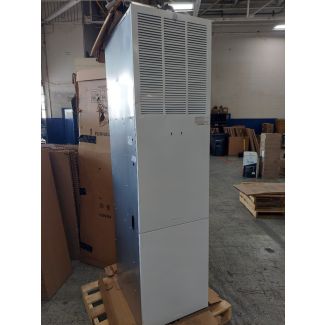
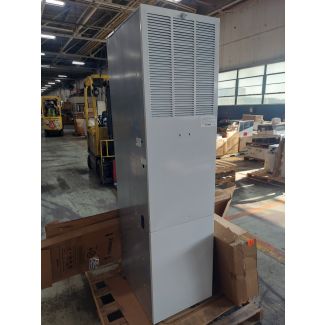
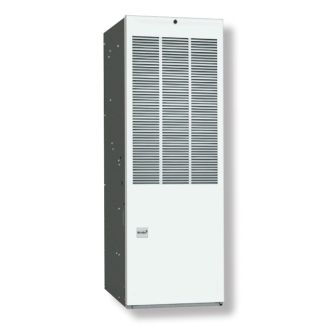
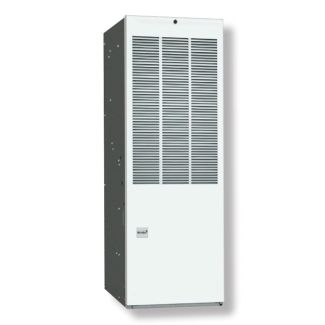
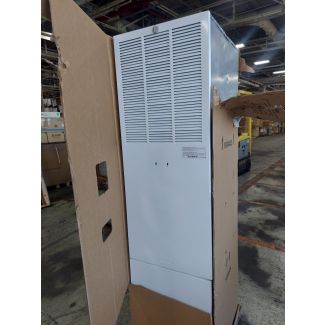
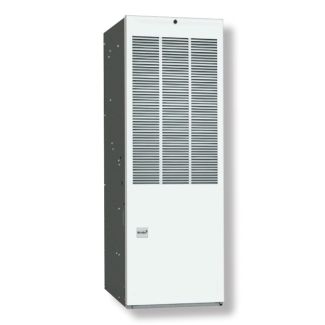
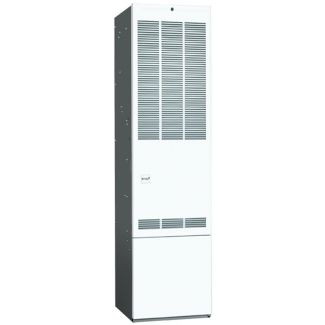
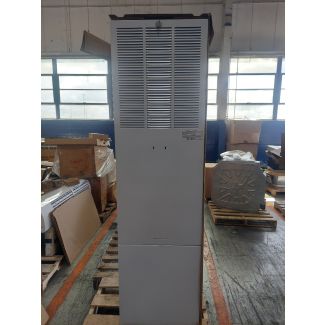
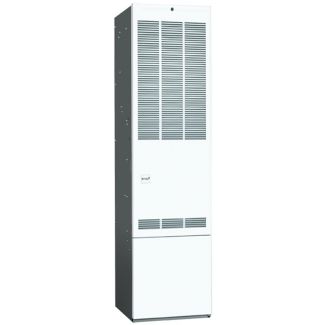
Mobile home gas furnaces are compact heating units engineered specifically for U.S. Department of Housing and Urban Development (HUD)-compliant manufactured structures lacking standard basement or attic installation space. Mobile home gas furnaces use natural gas or propane to heat manufactured homes. HVACDirect.com lists mobile home gas-furnace options in capacities from 40,000 BTU to 90,000 BTU with seasonal heating efficiency ratings of either 80% Annual Fuel Utilization Efficiency (AFUE) or 95% AFUE available.
This kind of furnace works when an internal burner ignites the fuel source to heat a sealed heat exchanger. The blower moves household air across the heated heat exchanger and sends warm air through the home’s duct system. Many downflow mobile home gas furnaces use a manufacturer-specified roof jack or metal flue vent. Follow the selected furnace’s venting instructions and installation requirements.
Mobile home gas furnaces are compact heating units engineered specifically for U.S. Department of Housing and Urban Development (HUD)-compliant manufactured structures lacking standard basement or attic installation space. Mobile home gas furnaces use natural gas or propane to heat manufactured homes. HVACDirect.com lists mobile home gas-furnace options in capacities from 40,000 BTU to 90,000 BTU with seasonal heating efficiency ratings of either 80% Annual Fuel Utilization Efficiency (AFUE) or 95% AFUE available.
This kind of furnace works when an internal burner ignites the fuel source to heat a sealed heat exchanger. The blower moves household air across the heated heat exchanger and sends warm air through the home’s duct system. Many downflow mobile home gas furnaces use a manufacturer-specified roof jack or metal flue vent. Follow the selected furnace’s venting instructions and installation requirements.

Gas furnaces provide fast, dependable heat for mobile homes and are available in compact configurations designed specifically for manufactured-home ductwork, clearances, and HUD installation requirements. These specialized heating systems are available in compact downflow configurations designed for manufactured-home installations. Fuel cost depends on furnace efficiency, fuel price, climate, home insulation, thermostat settings, and runtime.
Investing in a modern gas furnace maximizes indoor comfort while keeping annual fuel costs low. Select the furnace capacity with a qualified HVAC professional to help avoid comfort problems, excessive cycling, and avoidable wear.
Selecting the correct heating capacity requires evaluating your total living area against standard British Thermal Unit, or BTU, output ranges designed for manufactured home footprints. Use the ranges below only as preliminary planning estimates. A qualified HVAC professional should calculate the final furnace size using the home’s heat loss, climate, insulation, windows, air leakage, ceiling height, layout, ductwork, and local requirements.
Accurate sizing prevents unit short cycling and ensures optimal fuel efficiency throughout the heating season. Consult regional climate maps and local insulation levels to finalize your specific equipment selection. Obtain a qualified HVAC professional perform a load calculation before selecting the final furnace capacity.
Selecting the correct heating system configuration depends on your available utility hookups, overall fuel costs and availability, and safety compliance standards. For mobile home heating, natural-gas and propane furnaces are gas-furnace options. Oil and electric furnaces are alternative fuel types that may be considered when gas service is unavailable or unsuitable.
Always verify that your prospective unit includes a metal data plate confirming federal approval before installation. Choosing the right fuel type after confirming fuel availability, furnace efficiency, operating cost, electrical requirements, venting requirements, mobile home approval, and installation compatibility is highly recommended for your mobile home.
Evaluating key technical specifications such as efficiency rating, heating stages, blower motor technology, warranty, and emissions enhances confidence in your replacement furnace meeting strict HUD standards while optimizing annual fuel efficiency and indoor air distribution. Comparing performance components helps home owners balance upfront equipment costs against long-term operational savings.
Selecting the proper combination of features can reduce energy consumption in times of heavy operation. Always verify that selected components like the selected furnace’s AFUE, stage, blower type, warranty, fuel type, venting requirements, cabinet dimensions, and local installation requirements all align with your home layout and local environmental regulations before purchase.
Evaluating structural dimensions, utility configurations, and local building codes ensures seamless installation and long-term operating safety. Addressing these critical physical and mechanical requirements up front prevents costly retrofits and ensures compliance with HUD regulations.
Proper planning eliminates common compatibility issues during equipment installation. Use a qualified HVAC installer to verify gas piping, venting, roof-jack installation, electrical connections, ductwork, and applicable manufactured-home installation requirements.
You can choose a top mobile home furnace manufacturer such as ACiQ, Style Crest-Revolv, and Thermo Pride for reputed long-term heating dependability, precise cabinet sizing, and full federal safety compliance. Leading equipment brands often design specialized gas units featuring compact footprints, flexible venting systems, and high-efficiency multi-speed blowers. Choose a mobile home furnace brand only after verifying that the exact model is available, approved for manufactured-home use, correctly sized, compatible with the home’s fuel source and duct system, and covered by acceptable warranty terms.
Partnering with a trusted brand can fortify your mobile home system’s maintenance of safe, consistent indoor comfort throughout its operational lifespan. Before selecting a brand, review current product availability, warranty terms, replacement-part availability, manufacturer support, installation requirements, and approved accessories.
An initial $1,500 to $7,000+ range for purchasing a mobile home gas furnace is prospective for its first year of operation. This range is accounting for upfront unit pricing, professional installation fees, ongoing fuel expenses, and routine component maintenance. Total cost varies by model, capacity, AFUE, fuel price, home conditions, installation scope, and local labor rates. Prices for the gas furnaces mentioned here and below are planning estimates, not guaranteed costs.
Mobile home gas furnace equipment prices reflect current HVACDirect.com listings, where buying direct may save up to 70% on HVAC equipment versus local company pricing. Installation, labor, energy, maintenance, and service costs vary by system size, efficiency, installation complexity, local contractor and utility rates, climate, and location. For an accurate mobile home furnace estimate, consult a qualified local HVAC professional or an HVACDirect.com specialist to point you in the right direction.
Understanding the full financial profile helps homeowners budget effectively for immediate equipment needs and long-term operating efficiency. For the same delivered heat, a 95% AFUE furnace uses less fuel than an 80% AFUE furnace. Identify equipment price, venting requirements, fuel price, expected runtime, and installation cost to determine whether the higher-efficiency option fits your budget.
Buying a mobile home furnace from HVACDirect.com gives homeowners access to major HVAC brands, competitive equipment pricing, financing options, buying resources, nationwide shipping, and compatible installation parts. You can compare furnace options, understand key specifications, and select equipment that fits your home’s heating needs.
Taking advantage of factory-direct pricing affirms that your mobile home receives reliable, efficient heating without overextending your budget. Before ordering, validate product availability, warranty terms, required accessories, freight details, delivery access, installation requirements, and installer qualifications.

Mobile home gas furnaces typically last between 15 and 20 years when properly installed and routinely maintained. System longevity depends heavily on consistent maintenance practices like replacing air filters as needed and scheduling professional inspections before the heating season. Neglecting routine service or operating an improperly sized unit can cause short cycling and excessive wear that reduces the overall operational lifespan. Review the selected furnace’s warranty and maintenance instructions.
Mobile home gas furnaces require comprehensive professional maintenance once per year, ideally before the start of the winter heating season. Qualified technicians should inspect combustion burners, safety controls, roof jack venting, and the heat exchanger to ensure leak-free operation and prevent carbon monoxide hazards. Homeowners should also clean or replace the standard cabinet air filter as necessary to maintain proper airflow through small mobile home duct networks. Follow the maintenance schedule in the selected furnace’s owner and installation documentation.
Mobile home gas furnaces can replace existing electric units, provided the alcove space and utility infrastructure support gas fuel lines and specialized exhaust venting. Converting from electric to gas may require a compatible gas supply, manufacturer-specified venting and roof-jack components, electrical changes, ductwork review, permits, and a furnace approved for manufactured-home use. Gas furnaces can reduce monthly energy bills and deliver more efficient heating in cold winter climates, but charges vary. Compare local gas or propane costs with electricity costs, furnace efficiency, climate, installation cost, and home heating load before deciding whether a gas conversion is economical.
Mobile home gas furnaces must connect to ductwork that is compatible with the selected furnace’s airflow configuration and manufacturer requirements. Many manufactured homes use downflow equipment and underfloor duct systems, but the existing ductwork must be evaluated before replacement. Unlike site-built home duct systems that run overhead in attics or crawlspaces, manufactured home ducts are smaller, pre-sealed trunk lines running under the floorboards. Do not substitute a conventional furnace unless the manufacturer and a qualified installer confirm it is approved for the manufactured-home application and compatible with the existing duct system.
Mobile home gas furnaces may differ from site-built-home furnaces in airflow direction, cabinet dimensions, duct connections, venting, roof-jack requirements, and manufactured-home approval. Do not install a furnace in a manufactured home unless the equipment is approved for that application and a qualified installer confirms compatibility with the home’s ductwork, venting, fuel system, electrical supply, and required clearances. Before purchase, establish that the selected furnace is approved for manufactured-home installation and that its product documentation supports the planned installation.
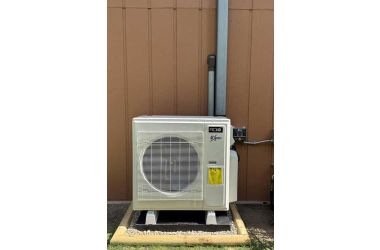
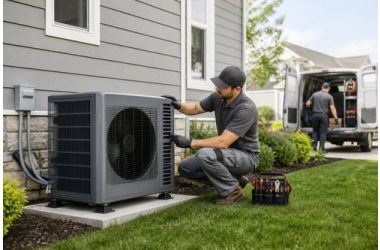
Mobile home gas furnaces can work with central air conditioning when the furnace, evaporator coil, outdoor condenser, blower airflow, refrigerant components, and duct system are approved and properly matched. In a split system, a compatible evaporator coil or coil cabinet is paired with the furnace and connected to an outdoor condenser. Affirm the approved coil match and installation location for the selected furnace. Alternatively, a self-contained outdoor gas-pack unit houses both the cooling components and gas burner to pump conditioned air through existing underfloor ducting. Before adding air conditioning, confirm the approved furnace and coil match, blower airflow, cabinet compatibility, electrical requirements, refrigerant-line requirements, duct capacity, and installation instructions.
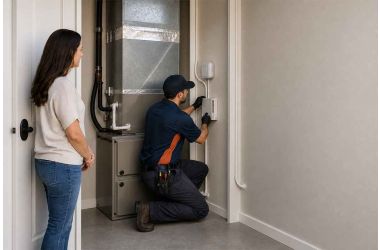
Mobile home gas furnaces require qualified professional installation by a licensed HVAC technician to ensure full safety compliance and protect factory warranties. Installation may involve 120V electrical service, gas or propane connections, manufacturer-specified venting, a roof jack, ductwork, and required clearances. The exact requirements vary by furnace model. DIY installations may violate regulated building codes, risk dangerous fuel leaks or carbon monoxide exposure, or void the manufacturer's warranty. A professional installer can establish that gas pressure is calibrated correctly, the furnace fits existing closet clearances, and flue exhaust safely discharges above the roofline.
Some mobile home gas furnaces require a single-pole 15A or 20A dedicated circuit breaker operating on standard 120V single-phase power. Unlike electric furnaces, which can use massive heating elements that demand up to 100A or more, a gas furnace relies on electricity solely to power the draft inducer fan, electronic ignition controls, and indoor blower motor. All electrical requirements must follow the selected furnace’s nameplate and installation instructions.
Filters in mobile home gas furnaces should be inspected as necessary, according to the furnace manufacturer’s instructions and the filter manufacturer’s guidance. Frequency depends on filter type, operating time, household conditions, and visible dust buildup. A dirty filter can restrict airflow and affect heating performance. This restricted airflow forces the blower motor to work harder, reduces heating efficiency, and can trigger safety switches that shut the unit down to prevent overheating. Use the correct filter size and type for the selected furnace and inspect it more often when dust, pets, or other indoor conditions increase debris.
Some mobile home furnaces can work with standard 24V low-voltage thermostats, including digital non-programmable, programmable, and smart thermostats as noted. Thermostat compatibility depends on the selected mobile home furnace, its control board, available wiring, and the thermostat manufacturer’s requirements. Check compatible thermostat types in the furnace documentation before purchase. For a smart thermostat, verify voltage, terminals, available common wire/C-wire support, compatible heating stages, and thermostat configuration requirements for the exact furnace.
Mobile furnace systems designed specifically for manufactured housing must be approved by HUD, which is known to mandate specific construction, safety, and operational standards for all heating appliances installed in manufactured homes. Ask the manufacturer or a qualified installer to confirm that the selected furnace and planned installation meet the applicable manufactured-home requirements.
