Your cookie preferences
We use cookies to remember your preferences and understand how shoppers use our site, helping us improve your shopping experience.
Read our privacy policy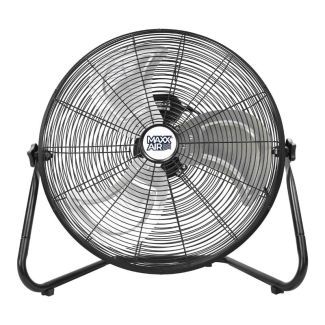
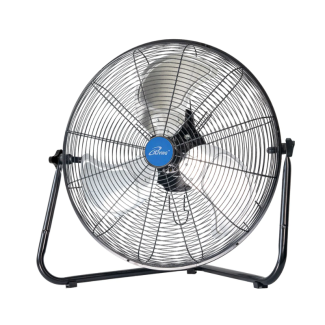
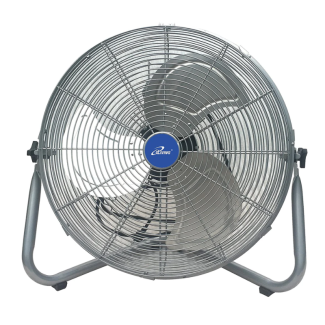
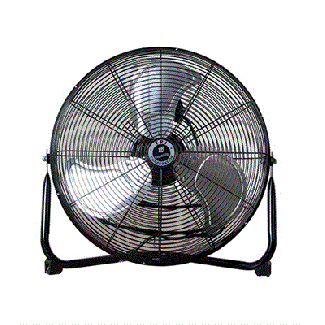
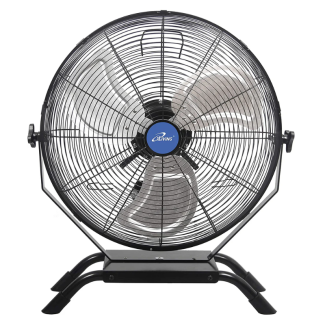
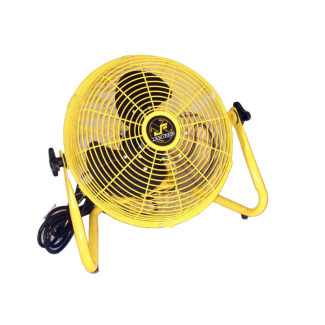
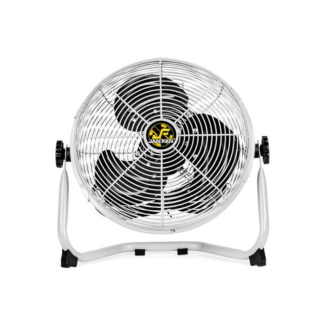
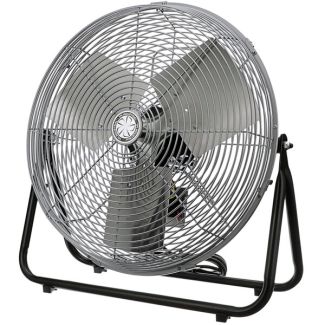
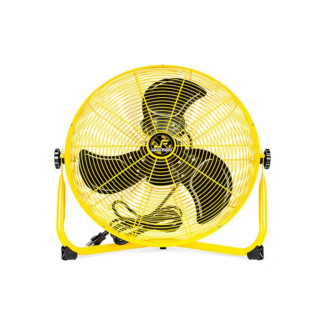
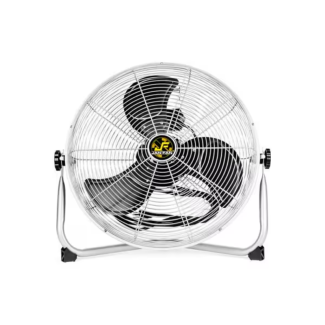
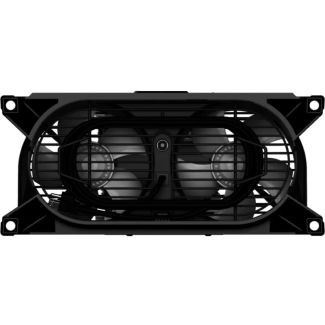
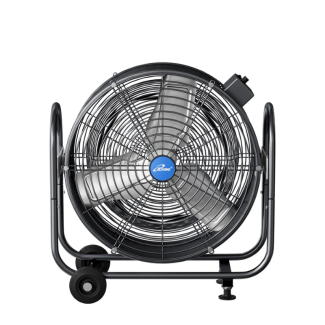
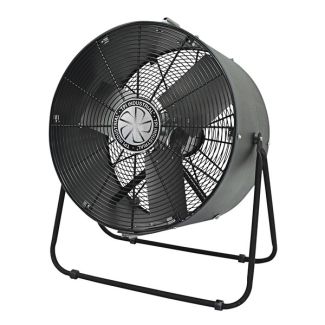
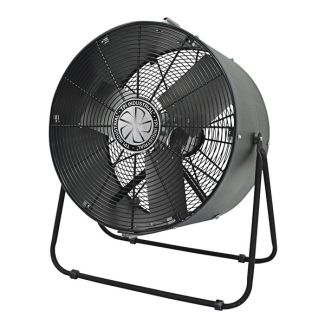
A floor fan is a heavy-duty portable air-moving device. It is designed to sit directly on the ground and project high-velocity airflow across wide residential or commercial areas.
An electric motor spins the fan blades to pull in nearby air and push it forward. The moving air improves circulation and can make people feel cooler. Air movement can reduce stagnant areas and increase evaporation from skin, which may improve perceived comfort in warm spaces.
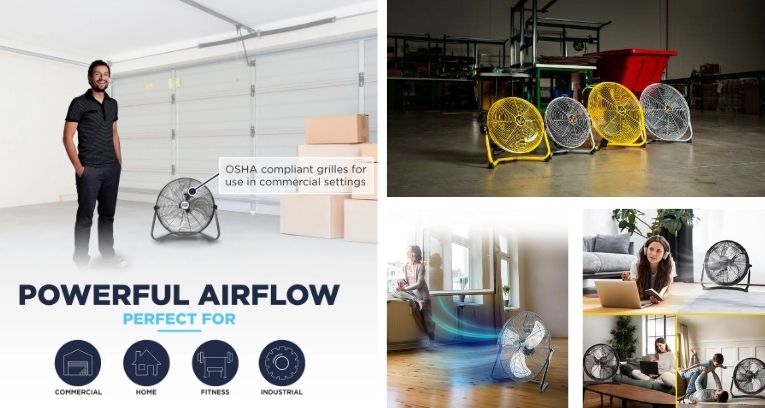

A floor fan is a heavy-duty portable air-moving device. It is designed to sit directly on the ground and project high-velocity airflow across wide residential or commercial areas.
An electric motor spins the fan blades to pull in nearby air and push it forward. The moving air improves circulation and can make people feel cooler. Air movement can reduce stagnant areas and increase evaporation from skin, which may improve perceived comfort in warm spaces.
Floor fans provide portable air movement for cooling, circulation, and drying. Available CFM varies by fan size and model, with HVACDirect.com examples including a 20-inch iLIVING fan rated at 5,800 CFM and a 30-inch iLIVING drum fan rated at 8,300 CFM. Powerful air circulation supports thermal management, spot-cooling, moisture control, and ventilation across high-demand indoor and outdoor sites.
Warehousing and Distribution: Floor fans eliminate heat pockets in expansive inventory facilities by moving high volumes of air across loading docks and open aisles. This helps protect employees from excessive heat while also supporting more stable conditions for stored inventory that may be sensitive to prolonged heat exposure.
Fitness Centers and Sports Facilities: High-output units increase evaporation rates to keep athletes cool and maintain comfortable air circulation during intense physical activity.
Construction and Remodeling: Directed airflow can support drying of some surfaces when it follows the coating or material manufacturer’s instructions. Use proper dust-control methods rather than relying on a floor fan to remove airborne dust. This can speed up work and reduce delays or material issues caused by slow drying and stagnant, dusty conditions.
Agriculture and Greenhouses: Floor fans can support air circulation in barns, greenhouses, and work areas. Select equipment based on the required airflow, environmental conditions, electrical requirements, and the application’s ventilation plan.
Water Damage Restoration: Air movers can direct airflow across wet surfaces as part of a drying plan. Drying results depend on moisture level, material type, dehumidification, temperature, and airflow placement.
Workshops and Garages: Floor fans can improve comfort and general air circulation. Do not rely on a portable floor fan as the only control for vehicle exhaust, welding fumes, or chemical vapors.
For demanding commercial use, compare the selected fan’s motor type, guard design, housing material, wheels, safety features, warranty, and manufacturer instructions.
Selecting the correct floor fan depends on air volume requirements, as well as intended use, fan size, sound level, power requirements, portability, and operating environment. CFM varies widely by fan model. Choosing the proper fan type ensures efficient spot-cooling, drying speed, and long-term durability in your specific workspace.
High Velocity Floor Fans: High-velocity floor fans direct strong airflow into garages, workshops, and larger work areas. For example, HVACDirect.com lists a 20-inch iLIVING floor fan rated at up to 5,800 CFM.
Industrial Floor Fans: This kind of floor fan is designed for demanding work areas and may offer larger blade diameters, durable housings, and higher airflow. Check the selected model’s published CFM, motor, voltage, sound rating, and installation requirements.
Air Circulator Fans: These versatile units feature deeply pitched blades that help keep air moving consistently throughout large open rooms.
Workstation Fans: These tiltable and targeted fans can deliver concentrated airflow to individual mechanics or assembly line workers.
Outdoor Floor Fans: Use a floor fan outdoors only when the selected model is rated for the planned environment. Confirm the manufacturer’s weather-exposure limits, electrical requirements, cord type, and placement instructions.
Air Movers: These are portable drying fans that direct airflow close to floors and walls. Compare the model’s airflow, power requirements, speed settings, stackability, and drying application before purchase.
Mini Blowers: Compact blowers can direct airflow into smaller spaces. Confirm the selected unit’s CFM, motor rating, duty cycle, safety requirements, and intended application.
Matching motor horsepower, housing durability, and airflow velocity to your space helps prevent overheating and premature wear, while reducing operating costs. Match motor enclosure, sound level, blade guard, housing material, and electrical specifications to the operating environment and manufacturer requirements.
Airflow capacity measured in CFM, motor power, and noise level are the three most important specifications for choosing an effective floor fan. Comparing structural build quality, noise output, and operational features ensures you select the right unit for your application.
Airflow Capacity (CFM): Measured in cubic feet per minute, higher CFM ratings that surpass 3,000+ CFM can provide the rapid air movement needed for large commercial buildings. Floor fan sizing depends heavily on the application, fan type, air velocity, and desired coverage.
Fan Size and Throw Area: Blade diameters help determine total air throw, with larger blades pushing air across wider open floor spaces. Though blades measuring 12 inches to 30 inches are common in fans intended for professional use, published performance data should guide the final choice. Compare blade diameter, CFM, air velocity, fan angle, speed settings, and placement.
Speed Settings: Multiple switch options, including 2-speed, 4-speed, and variable-speed varieties, allow precise control over airflow velocity and total energy consumption based on daily cooling needs. Compare the available speed settings for the selected fan, as control options vary by model.
Portability and Adjustable Positioning: Integrated carrying handles, heavy-duty wheels, and vertical tilting frames enable easy transport and precise directional airflow targeting.
Noise Level: Sound needs depend on the space and local conditions. Sound ratings measured in decibels (dB) also help determine suitability, as lower decibel outputs may be preferable in offices, studios, and customer-facing areas while higher sound levels are acceptable in noisy industrial plants.
Motor Type and Energy Efficiency: Floor fans featuring direct-drive or belt-drive motors are sometimes associated with lower power draw, but energy use depends on the selected model and how it is operated. Study the fan’s published wattage, motor type, speed settings, expected runtime, and airflow.
Durability and Commercial Grade Construction: Steel wire guards, powder-coated metal housings, and durable blades or components withstand tough factory environments and frequent jobsite transport.
Indoor/Outdoor Compatibility: Use a fan outdoors only when the manufacturer permits it. Confirm the weather rating, cord type, plug type, electrical protection, and placement requirements for the selected model.
Evaluating these core attributes helps to prevent buying a unit that does not improve perceived cooling and air movement. Before buying, check the fan’s construction, motor protection, warranty, service requirements, safety features, and published performance data.
Before buying a floor fan, consider the intended use, floor space, placement, electrical requirements, maintenance needs, and safety features, as they dictate how well a floor fan performs over its service life. Evaluating these variables helps ensure seamless integration into your facility while preventing electrical overloads or safety hazards.
Intended Application: Matching the fan to your primary job, such as spot-cooling workers, drying floors, or clearing fumes, ensures you select the correct airflow pattern and velocity.
Available Floor Space and Placement: Select a fan that fits the available floor area and does not block aisles, exits, doors, or work zones. Route the power cord to reduce trip hazards and follow the manufacturer’s clearance instructions.
Power Requirements: Many portable floor fans use 120V power, but specifications vary by model. Check the selected fan’s voltage, amperage, plug type, circuit requirements, and electrical instructions.
Maintenance Requirements: Open-cage designs with accessible motor housings simplify routine dust removal from blades and guards.
Safety Features: Built-in thermal cutoff switches, depending on the model, help protect against motor overheating, while guards and heavy rubber feet help reduce the risk of accidental contact with moving blades and tip-over accidents.
Addressing these secondary factors before purchasing lowers vulnerabilities to costly circuit modifications, reduces equipment downtime, and keeps your work environment more compliant with safety standards. Proper placement and regular cleaning can extend motor life while maximizing overall circulation. Follow applicable workplace and electrical safety requirements during operation.
Leading HVAC brands listed by HVACDirect.com include Maxx Air, iLIVING, TPI, and Hunter. Evaluating top brand lineups supports your choice to get reliable motor performance, heavy-duty steel construction, and strong warranty support. The best floor-fan brand depends on the required CFM, fan size, motor, sound level, portability, power requirements, construction, and application.
Maxx Air: High-velocity steel floor fans courtesy of Maxx Air are known to deliver up to 4,100 CFM for garages, workshops, and commercial job sites.
iLiving: Heavy-duty air circulators and drum fans by iLiving feature variable speed controls and thermally protected motors and can be rated up to 14,000 CFM.
TPI: Industrial-grade workstation and barrel fans from TPI are known for ratings from 2,500 to 10,000 CFM and are equipped with permanently lubricated ball bearings for continuous factory operation.
Hunter: Compact workstation floor fans by Hunter have been stated to range from 500 to 2,500 CFM and are designed for quiet energy-efficient spot-cooling in home offices and small commercial spaces.
Choosing among these established brands depends on required horsepower, noise constraints, and environmental exposure levels. Heavy industrial settings often benefit from TPI and iLiving commercial builds, while Maxx Air and Hunter can provide adequate balance for lightweight commercial and residential tasks.
Workstation and industrial floor fans alone can begin at $50+ in HVACDirect.com product listings, but overall pricing includes operating cost. Overall financial investment breaks down into initial purchase prices and ongoing electricity expenses.
Prices shown here and below are planning estimates, not guaranteed costs. Equipment prices reflect current HVACDirect.com listings, where buying direct may save up to 70% on HVAC equipment versus local company pricing. Installation, labor, energy, maintenance, and service costs vary by system size, efficiency, installation complexity, local contractor and utility rates, climate, and location. For an accurate project estimate, consult a qualified local HVAC professional or an HVACDirect.com specialist to point you in the right direction.
Equipment Cost: Small, high-velocity floor fans start around $50+, while heavy-duty commercial air movers and industrial workstation fans can range all the way up to $2,000+ depending on blade diameter, CFM capacity, and motor construction.
Operational Cost: Running a 100W to 225W workstation or industrial floor fan costs roughly $7–$19/month at $0.10/kWh, or $7–$22/month at roughly $0.10–$0.13/kWh based on standard electricity rates.
Investing in brushless direct-drive (BLDC) motors or energy-efficient direct-drive models can reduce electricity consumption compared to standard split-capacitor motors. Choosing high-efficiency units can lower lifetime operational costs without sacrificing total airflow velocity or cooling coverage. Most importantly, do not assume one motor type uses less energy without product-level performance data.
HVACDirect.com offers a dedicated selection of workstation and floor fans, along with brand options, pricing, shipping, and support for garages, workshops, and other air-circulation applications. Whether you need targeted airflow for a home garage or high-velocity air movement for a commercial warehouse, choosing the right supplier ensures long-term value and reliability.
Wide Selection: Access a broad range of floor fan configurations, from heavy-duty industrial drum and tilt fans to compact jobsite air movers, which are tailored for residential, commercial, and agricultural spaces.
Trusted Brands: HVACDirect.com lists floor and workstation fan options from brands including Maxx Air, iLIVING, TPI, and Hunter, featuring rugged steel housings and sealed moisture-resistant motors built for demanding environments.
Multiple Airflow Options: Choose from versatile multi-speed controls, tilting fan heads, and wide-angle directional options delivering powerful air distribution where you need it most.
Competitive Pricing: Save on commercial-quality ventilation and air circulation equipment with direct distributor pricing across top-rated floor fan models.
Fast Shipping: Reliable fulfillment from regional distribution centers helps your floor fan arrive quickly to meet urgent cooling, ventilation, or drying demands.
Expert Support: Use HVACDirect.com’s available contact options for product questions. Confirm final fan selection, safety requirements, and any workplace ventilation needs with a qualified professional.
Whether you are upgrading an existing ventilation setup or outfitting a new facility, HVACDirect.com can provide the commercial-grade equipment and technical expertise necessary to keep your space comfortable and well-ventilated year-round.



Floor fans generally use relatively little electricity compared with larger HVAC equipment. Some floor fans are known to consume approximately 50W to 400W depending on their size, motor, speed, and airflow capacity, but electricity use varies based on power draw. For example, a 200W high-velocity floor fan running for eight hours per day uses 1.6 kWh of electricity, which costs approximately $0.26 per day at an electricity rate of $0.16 per kWh, or about $8 per month when operated every day.
A shrouded floor fan is a floor-mounted air circulator with a cylindrical housing surrounding the fan blades. The shroud surrounds the blades and helps guide airflow forward. A separate guard may also cover the fan opening to help reduce contact with rotating blades. These fans are commonly used for spot cooling, air circulation, and ventilation in warehouses, workshops, manufacturing facilities, and other demanding environments.
Floor vent fans can effectively boost airflow from weak heating and cooling ducts, increasing register airflow to balance room temperatures. These units pull conditioned air through underperforming branch ducts directly into target living areas. Smart register fans automatically switch on when your central system runs to solve hot or cold spots efficiently.
Ceiling fans and floor fans serve different purposes. HVACDirect.com describes industrial high-volume low-speed (HVLS) ceiling fans as large fans that move high volumes of air at low speed for circulation and ventilation in large spaces, while floor fans provide portable, directed airflow. Ceiling fans provide overhead circulation without using floor space. Floor fans are easier to move and can direct airflow toward a specific work area or drying zone. Portable floor fans work better for temporary spot-cooling, low-level drying tasks, tight budgets that cannot accommodate permanent structural wiring, and spaces without sufficient ceiling clearance.
Yes, floor fans can be an efficient option for localized air movement because they circulate existing air rather than actively cooling it. Choose a model with the airflow and wattage that fits the intended area and runtime. Floor-fan energy use depends on the selected model’s wattage, speed setting, airflow, and operating time. Compare the product’s published wattage and calculate cost using your local electricity rate.
Tower fans and floor fans serve different needs. A tower fan may suit a smaller indoor space where a slim profile and lower perceived noise are priorities, while a floor fan may provide more directed airflow for garages, workshops, and larger open areas. Slim tower models work better in tight residential spaces under 250 square feet where quiet operation under 50 dB is required. Compare the selected tower fan or floor fan by airflow, sound rating, size, portability, power use, construction, and intended environment.
You can safely run a floor fan only as allowed by the manufacturer’s instructions. Do not leave a fan unattended unless the manufacturer permits continuous operation and the fan is properly placed, maintained, and connected to a suitable electrical circuit. For extended operation, verify the fan’s duty rating, thermal protection, motor enclosure, maintenance requirements, and environmental limitations in the manufacturer documentation. Standard unsealed residential models risk overheating if left unattended, making thermally-protected or commercial-grade floor fans necessary for continuous daily use.
Floor fans do not lower actual room temperature, but they cool occupants through a wind-chill effect created by rapid air movement. Air movement can increase evaporation from skin and make occupants feel cooler, but a floor fan does not lower the actual air temperature in the room. When used with air conditioning, a floor fan may improve air circulation in areas with stagnant air. Adjust thermostat settings only based on actual comfort and the needs of the space.
Unplug the floor fan before cleaning. Follow the manufacturer’s instructions for removing the guard, wiping blades and housing, and cleaning the motor area without introducing moisture into electrical parts. Clean the fan as needed based on dust buildup and operating environment. Inspect the guard, blades, cord, plug, switch, and base for damage before returning the fan to service.
