Your cookie preferences
We use cookies to remember your preferences and understand how shoppers use our site, helping us improve your shopping experience.
Read our privacy policyProtect your environment and improve air quality with portable dehumidifiers. These compact units remove excess moisture to prevent mold, mildew, and corrosion in commercial and industrial spaces. Perfect for basements, storage areas, and warehouses, portable dehumidifiers help maintain a safer, more comfortable atmosphere.
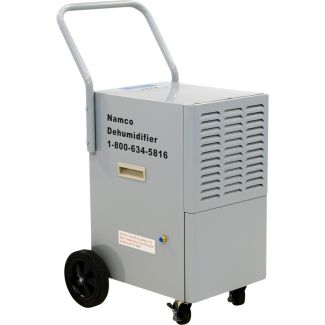


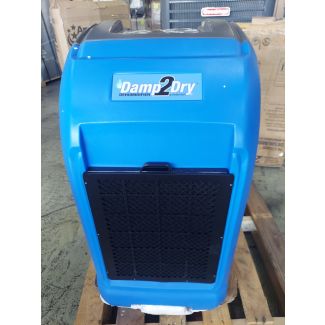

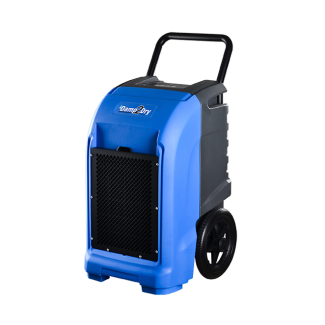
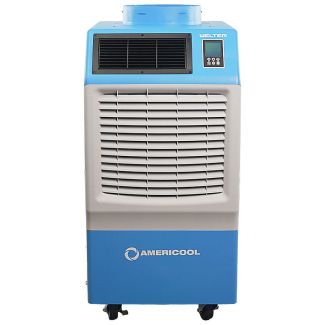

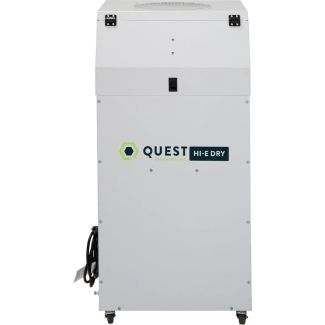
A portable dehumidifier is a mobile moisture-control appliance designed to remove excess humidity from the air in residential, commercial, industrial, and temporary work environments. Unlike permanently installed humidity control systems, portable dehumidifiers can be moved from one location to another as moisture conditions change.
These appliances work by drawing humid air into the unit using an internal fan. The air passes over cold evaporator coils, causing moisture in the air to condense into water, which is then collected in a reservoir or discharged through a drain hose. The dried air is reheated slightly and released back into the space, helping maintain healthier humidity levels while reducing the risk of mold, mildew, corrosion, and moisture-related damage.
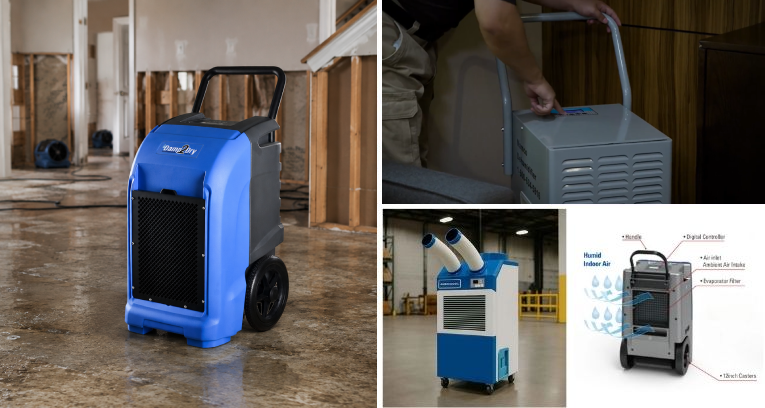
Portable dehumidifiers are used across a wide range of commercial, industrial, and restoration applications for issues such as high humidity, mold growth, and moisture damage. Their mobility and high moisture-removal capabilities make them ideal for controlling humidity in changing environments. Common uses include:
Quickly Removing Large Volumes of Moisture: Portable dehumidifiers can rapidly reduce humidity levels in damp environments where excess moisture is affecting operations or comfort. High-capacity models are designed to extract significant amounts of water from the air each day. This makes them useful for warehouses, industrial facilities, and large commercial spaces experiencing persistent humidity issues.
Drying Out Water-Damaged Areas: After pipe bursts, roof leaks, or flood events, portable dehumidifiers help accelerate the drying process. By removing moisture from the air, they encourage faster evaporation from floors, walls, and building materials, though standing water needs to be mopped up beforehand. This can help minimize long-term structural damage and reduce the likelihood of mold growth.
Controlling Humidity During Construction or Renovation Work: Excess moisture can interfere with the curing and drying of paint, drywall compound, concrete, and flooring materials. Portable dehumidifiers help maintain appropriate humidity levels throughout construction projects. Improved moisture control can support better project outcomes and faster completion times.
Preventing Mold, Mildew, and Corrosion in Storage Areas: High humidity levels of over 60% can damage inventory, equipment, packaging, and sensitive materials. Portable dehumidifiers help maintain stable conditions that discourage mold growth and reduce corrosion risks. This makes them valuable in storage rooms, archives, warehouses, and equipment storage facilities.
Supplementing HVAC in Temporary or Non-Ducted Workspaces: Some locations lack permanent humidity-control systems or require additional moisture removal during seasonal conditions. Portable dehumidifiers can provide targeted humidity management without requiring extensive installation and help ease the strain on main HVAC systems.
While portable dehumidifiers are highly effective for localized moisture control, they are not designed to replace whole-building humidity control systems in very large facilities. Capacity limits, drainage requirements, and coverage area should always be considered when selecting a unit.
Portable dehumidifiers perform best in areas where humidity levels fluctuate or where moisture problems are concentrated in a specific location, including storage facilities, construction areas, and basements. Many commercial and industrial facilities also benefit from portable moisture control because units can be relocated as needs change. Typical applications include:
Warehouses and Storage Facilities: Warehouses often experience humidity issues that can affect sensitive inventory, cardboard packaging, and metal equipment. Portable dehumidifiers help maintain conditions that reduce moisture-related damage and mold concerns. Their mobility allows targeted moisture control in specific storage zones to protect against any damage or monetary losses.
Construction and Job Sites: Construction projects frequently require humidity control during material installation and curing processes that introduce moisture through concrete, drywall compound, paint, adhesives, and other wet building materials. Portable dehumidifiers help accelerate drying while supporting proper installation conditions. Their portability makes them easy to relocate throughout different project phases. Additional moisture can also result from workers sweating during heavy lifting, and these systems help create a more comfortable, productive space for employees.
Basements Recovering from Water Damage: After a flood, plumbing leak, or groundwater intrusion, moisture can remain trapped in basement air and porous building materials. Portable dehumidifiers help remove lingering humidity after standing water has been extracted. This supports faster structural drying and helps limit swelling, odors, and mold growth in drywall, wood, insulation, and flooring.
Industrial and Manufacturing Spaces: Manufacturing environments may require humidity management to protect equipment, products, and production processes. Portable dehumidifiers provide localized moisture control. They can address isolated problem areas near production lines, washdown zones, entrances, or moisture-generating equipment. Many facilities use them seasonally or during periods of elevated humidity.
Temporary or Mobile Worksites: Portable job trailers, temporary buildings, and mobile workspaces often lack dedicated humidity-control systems. Portable dehumidifiers offer a flexible solution without requiring permanent installation. Units can be easily transported between work locations as needed.
For large, open facilities, dedicated commercial HVAC systems or centralized dehumidification equipment may provide more effective results. Consider the setup of your space and your needs before purchasing.
Portable dehumidifiers are available in several capacities and configurations to match different moisture-control requirements. Choosing the right type depends on the size of the space, humidity levels, and whether cooling is also needed. Common options include:
Commercial-Capacity Units (110 to 150 pints per day): These models provide reliable moisture removal for many commercial applications. They are suitable for basements, storage areas, restoration projects, and medium-sized facilities. Their balance of performance and portability makes them among the most popular portable dehumidifier options.
High-Capacity Units (200+ pints per day): High-capacity portable dehumidifiers are designed for demanding industrial environments and severe moisture conditions. They can remove substantial volumes of water each day, making them ideal for flood recovery and large-scale humidity control. These units are commonly used by restoration contractors and facility managers.
Combination Portable AC + Dehumidifier Units: Combination units provide both cooling and humidity reduction in a single package. They are useful in temporary workspaces and environments where both temperature and moisture control are needed. Consolidating functions into one unit can simplify equipment management and deployment.
Selecting the proper unit capacity and configuration helps maximize efficiency, performance, and long-term operating value. Matching the equipment to the specific environment is often the most important step in achieving successful humidity control.
The best portable dehumidifier should offer the right balance of capacity, airflow, efficiency, and installation flexibility. Several key specifications directly affect how well a unit will perform in your space. Important features to evaluate include:
Pints Per Day Moisture Removal Capacity: Moisture removal capacity indicates how much water the unit can remove from the air over a 24-hour period. Higher ratings are generally needed for larger spaces or extremely humid conditions. Proper sizing helps ensure efficient and effective operation.
Airflow Rating: Airflow determines how much air the dehumidifier can process during operation. Higher CFM ratings help the unit move and condition air more effectively across larger areas. Strong airflow can contribute to faster drying and more consistent humidity control.
Refrigerant Type (R-410A vs. R-32): Refrigerant selection can affect efficiency, environmental impact, and future service considerations. Many newer units are transitioning toward refrigerants with lower environmental impact profiles. Understanding the refrigerant type may help when evaluating long-term ownership costs.
Voltage Requirements: Portable dehumidifiers are available in different electrical configurations. Ensuring compatibility with available power sources is important before installation. Verifying voltage requirements can prevent operational issues and additional electrical work.
Gravity Drain vs. Optional Condensate Pump: Drainage options determine how collected water is removed from the unit. Gravity drains work well when a nearby floor drain is available, while condensate pumps can move water to more distant drain locations. Choosing the proper method can simplify operation and maintenance.
These core performance characteristics directly impact drying speed, operating efficiency, installation flexibility, and overall effectiveness. Evaluating them carefully will help ensure the dehumidifier meets your humidity-control goals.
Beyond capacity and performance specifications, a number of other considerations can influence overall satisfaction and long-term value, including installation needs, noise level, warranties, and portability. Before purchasing, also consider the following:
Plug-and-Play Setup with No Professional Installation Required: Most portable dehumidifiers can be placed into service quickly with minimal setup. This allows businesses and property owners to address humidity issues without waiting for installation crews. Faster deployment can be especially valuable during emergencies and restoration projects. Systems sold on HVACDirect.com can remove from 110 to 330 pints per day.
Noise Level for Occupied Workspaces: Sound levels can be important in offices, classrooms, and occupied commercial buildings. Quieter models help maintain comfort while still providing effective moisture removal. Evaluating decibel ratings can help ensure acceptable operation in noise-sensitive environments, with 50 to 70 dB recommended.
Manufacturer Warranty Coverage: Warranty protection provides peace of mind and helps safeguard your investment. Coverage terms can vary significantly between manufacturers and product categories. For example, Namco offers a 1 year parts and 3 year compressor warranty when registered. Reviewing warranty details before purchase is often worthwhile.
Duty Cycle for Continuous Operation: Some portable dehumidifiers are designed specifically for extended or continuous operation. These models can handle demanding conditions where humidity control is required around the clock. Understanding operational limitations can help prevent unnecessary wear and downtime.
Portability (Weight, Casters, and Mobility): The ability to move equipment quickly is one of the biggest benefits of portable dehumidifiers. Heavy-duty casters, ergonomic handles, and manageable weight improve mobility between locations. This is especially important for contractors and facilities that frequently reposition equipment.
These considerations often determine how practical and convenient a unit will be during everyday use. Paying attention to them can help ensure the equipment delivers reliable performance over the long term.
Several respected manufacturers, including Namco and AmeriCool, offer portable dehumidifiers designed for commercial and industrial applications. Each brand focuses on different capacity ranges and operating requirements. Popular options include:
AmeriCool: AmeriCool produces combination portable air conditioner and dehumidifier units that deliver dual-function performance. These systems can cool and dehumidify simultaneously, making them ideal for temporary workspaces and occupied environments. They provide added versatility when both temperature and humidity control are required.
Airrex: Airrex is known for high-capacity portable dehumidifiers designed to handle substantial moisture loads. These units are frequently used in industrial spaces and severe drying situations. Businesses that need maximum moisture removal often turn to Airrex equipment.
Namco: Namco specializes in commercial-capacity portable dehumidifiers that balance performance, reliability, and ease of use. Their units are well suited for storage facilities, commercial properties, and restoration work. Buyers looking for dependable mid-capacity moisture control often consider Namco products.
Perfect Aire: Perfect Aire offers industrial-sized portable dehumidifiers built for demanding environments. These models are commonly used in warehouses, manufacturing facilities, and large-scale restoration projects. Their focus on high-performance moisture removal makes them suitable for heavier-duty applications.
Each brand serves a slightly different audience. Namco is ideal for commercial-capacity needs, Perfect Aire excels in industrial applications, Airrex focuses on maximum moisture removal, and AmeriCool stands out for dual cooling and dehumidification functionality.
Commercial and industrial portable dehumidifier pricing starts as low as $900, but varies significantly based on capacity, features, brand, and operating capabilities. Commercial and industrial models typically cost more than residential units because they remove larger volumes of moisture and are designed for demanding environments. Common price ranges include:
Entry-Level Pricing ($900 to $1,000): Entry-level commercial portable dehumidifiers generally offer lower moisture-removal capacities and basic operating features. They are often suitable for smaller commercial spaces and light-duty applications. These models provide an economical solution for moderate humidity-control needs.
Mid-Range Pricing ($1,000 to $2,000): Mid-range units typically offer increased moisture-removal capacity, higher airflow, and enhanced durability. Many commercial users find this category delivers the best balance of performance and value. Additional convenience features are often included.
Premium Model Pricing ($2,000 to $3,000+): Premium portable dehumidifiers are designed for industrial settings, water restoration work, and severe humidity conditions. These units frequently feature higher capacities, longer-duty operation, and advanced controls. Their higher purchase price reflects their increased capabilities.
Energy Consumption Costs: Operating costs vary depending on unit size, runtime, humidity conditions, and electrical rates. Larger-capacity systems typically consume more electricity but may complete drying tasks more quickly. Comparing efficiency ratings can help reduce long-term operating expenses.
Pricing is influenced by moisture-removal capacity, brand reputation, airflow performance, drainage configuration, and whether the unit combines air conditioning and dehumidification functions. Additional costs may include replacement filters, optional condensate pumps, extended warranties, and electricity usage.
HVACDirect.com offers a broad selection of portable dehumidifiers backed by expert customer support, competitive pricing, and convenient online purchasing. Whether you're managing a commercial facility, restoration project, or industrial workspace, HVACDirect.com provides resources to help you choose the right equipment. The benefits of shopping HVACDirect.com include:
Fast, Reliable Shipping: Quick delivery helps you address humidity issues without unnecessary delays. Many customers rely on fast shipping when dealing with water damage or urgent environmental concerns. Prompt fulfillment can help minimize disruption and downtime.
Free Sizing and Capacity Guidance: Proper sizing is one of the most important parts of purchasing a dehumidifier. HVACDirect.com helps customers identify appropriate capacities based on their specific requirements. Expert guidance can reduce the risk of purchasing undersized or oversized equipment.
Competitive Pricing Without Markups: Buying directly online can often reduce overall equipment costs. Customers gain access to transparent pricing without many of the markups associated with traditional purchasing channels. This helps maximize value while maintaining product quality.
0% Financing Options: Financing programs can make larger equipment purchases more manageable. Businesses and property owners may be able to spread costs over time while addressing immediate humidity-control needs. Flexible payment options support better budgeting.
Straightforward Returns and Warranty Support: Reliable post-purchase support helps create confidence throughout the buying process. HVACDirect.com assists customers with warranty concerns and return procedures when needed. Responsive support contributes to a smoother ownership experience.
In addition to these advantages, HVACDirect.com provides convenient online shopping, product comparisons, and access to trusted brands, making it easier to find the right portable dehumidifier for virtually any application.
Lorem ipsum dolor sit amet, consectetur adipiscing elit. Integer vitae justo sed lorem tincidunt facilisis. Sed elementum, neque non malesuada tempor, risus erat fermentum nulla, vitae por:
Lorem ipsum dolor sit amet, consectetur adipiscing elit. Integer vitae justo sed lorem tincidunt facilisis. Sed elementum, neque non malesuada tempor, risus erat fermentum nulla, vitae por.

For extremely humid environments, a high-capacity portable dehumidifier rated at 200+ pints per day is often the best choice. These units are designed for severe moisture conditions, flood recovery, industrial settings, and large commercial spaces. The ideal size ultimately depends on room dimensions, humidity levels, and moisture sources. When in doubt, choosing a higher-capacity model typically provides faster moisture removal.
Most portable dehumidifiers begin reducing humidity immediately after startup, but you'll see noticeable improvements within 1 to 3 hours, although heavily saturated spaces may require several days of continuous operation. Drying time depends on humidity levels, room size, airflow, and equipment capacity. Larger-capacity units generally achieve results more quickly.
For most applications, maintaining indoor humidity between 40% and 50% is recommended. This range helps reduce mold growth potential while maintaining occupant comfort. Some industrial environments may require different humidity targets based on operational requirements. Always consult equipment and material specifications when precise humidity control is necessary.
Many commercial and industrial portable dehumidifiers are designed for continuous operation, including overnight use. Models with continuous-drain configurations are particularly well suited for extended runtime. Users should ensure airflow is unobstructed and drainage systems are functioning properly. Following manufacturer operating guidelines helps maximize reliability and safety.
The frequency depends on humidity levels, operating conditions, and water collection capacity. In extremely humid environments, collection tanks may need emptying multiple times per day. Units equipped with gravity drains or condensate pumps can eliminate the need for manual emptying. Continuous drainage is often preferred for commercial applications.
Yes, most portable dehumidifiers release a small amount of heat during operation. As moisture is removed from the air, the process generates some sensible heat that slightly warms the room. In many commercial applications, the temperature increase is modest and acceptable. Combination AC and dehumidifier units can help offset this effect.
Portable dehumidifiers are generally safe when positioned correctly and operated according to manufacturer instructions. Units should be positioned where airflow openings remain unobstructed and electrical cords do not create tripping hazards. Children and pets should not be allowed to tamper with controls or drainage components. Routine maintenance also helps ensure safe operation.
While residential units typically top out at around 10 kWh per day, large-scale commercial and heavy industrial systems can easily consume 12 to over 100 kWh of electricity each day, depending on the specific application. Electricity use varies depending on unit capacity, efficiency, runtime, and operating conditions. Smaller commercial models may consume relatively modest amounts of power, while industrial units require higher electrical input. Running time has a significant impact on daily energy consumption. Reviewing manufacturer power specifications can provide the most accurate cost estimates.
A quality portable dehumidifier can often last between 5 and 10 years or more with proper maintenance. Lifespan depends on usage intensity, operating environment, and adherence to maintenance schedules. Regular cleaning, filter replacement, and proper drainage management can help extend equipment life. Commercial-grade models are typically built for longer service in demanding conditions.
