0% Financing for 12 Months* or up to 48 Months* Terms Available - Buy Now and Pay later!

Air Conditioner Condenser Units

Sizing Calculator
Not sure what size you need?

1 Item

Set Descending Direction
per page

What is an air conditioner condenser unit?

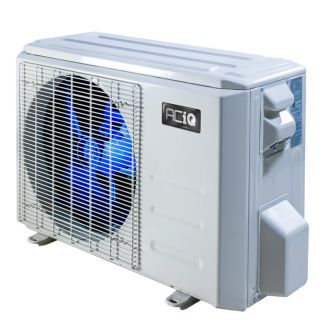
An air conditioner condenser unit is the large steel cabinet that houses the outdoor components of a split HVAC system. Its main functions are to expel heat from indoors using a fan to blow it outside through the top of the unit and to pump refrigerant throughout the HVAC system’s copper tubing.

This unit works by housing the compressor, a small pump located inside the unit, which moves refrigerant through the condenser coil, also located inside the unit. The condenser coil then feeds cooled refrigerant into either a furnace or indoor air handling unit(s), which distribute cooled air inside the space being conditioned. In short, the condenser handles the outdoor heat exchange, while the indoor components deliver that conditioned air throughout the home.
An air conditioner condenser unit is the large steel cabinet that houses the outdoor components of a split HVAC system. Its main functions are to expel heat from indoors using a fan to blow it outside through the top of the unit and to pump refrigerant throughout the HVAC system’s copper tubing.

This unit works by housing the compressor, a small pump located inside the unit, which moves refrigerant through the condenser coil, also located inside the unit. The condenser coil then feeds cooled refrigerant into either a furnace or indoor air handling unit(s), which distribute cooled air inside the space being conditioned. In short, the condenser handles the outdoor heat exchange, while the indoor components deliver that conditioned air throughout the home.

What can air conditioner condenser units be used for?

By itself, an AC condenser unit can be used as a replacement or upgrade for the part of an existing HVAC system responsible for cooling. The most common use cases include:

  • Replacing a Failed Air Conditioner Condenser Unit: Most homeowners purchase a new condenser when their existing outdoor unit has failed. Replacing a worn or damaged condenser can restore reliable cooling and maintain compatibility with your indoor equipment. However, condenser-only replacement is becoming more expensive and less common due to a government mandated transition from using R410a refrigerant in newly installed HVAC systems.
  • Upgrading an Older Air Conditioning System: Homeowners often replace older condensers to improve reliability, increase energy efficiency, or transition to newer, regulation-compliant refrigerants and technology. This is a more cost effective alternative to completely replacing an entire heating and cooling system if your existing HVAC system is compatible with newer refrigerants like R32 and R454B.
  • Improving Energy Efficiency: Modern air conditioner condensers with higher seasonal energy efficiency ratio (SEER2) ratings can reduce electricity usage compared to older systems, helping lower cooling costs over time.
  • Increasing Home Comfort: If your existing condenser is old or not working effectively, a new condenser can provide more consistent indoor temperatures, better humidity control, and improved overall comfort, especially when paired with a properly matched indoor coil.
  • Reducing Outdoor Operating Noise: Many newer air conditioner condensers feature improved fan designs, insulated compressor compartments, and variable-speed technology that can operate more quietly than older units. Compared to older, single-stage condensers, which operate around 70 to 75 dB, newer models with inverter technology run around 58 dB.

Condensers are typically sold as part of a full HVAC system, but for the replacement and upgrade scenarios above, buying a standalone unit is a practical and cost-effective option.


What type of air conditioner condenser unit do you need?

The type of condenser unit you need, usually rated in tonnage, will depend primarily on the square footage of the space or building being cooled. This area will correspond with a specific tonnage, the measurement of how much power your HVAC system can output, which ranges from 1.5 to 5 tons (600 to 3,200 square feet):

  • 1.5 to 2 Tons (600 to 1,300 sq. ft.): A condenser of this size can effectively cool a small house, mobile home, or apartment, or a similarly sized residential or light commercial space.
  • 2.5 Tons (1,300 to 1,600 sq. ft.): An AC condenser unit with this capacity can maintain a consistent, cool temperature throughout a small to mid-size home or a small restaurant or office space.
  • 3 to 3.5 Ton (1,600 to 2,200 sq. ft.): This capacity unit is powerful enough to keep a medium-sized home or condominium cool and comfortable, as well as a mid-size retail space.
  • 4 Ton (2,200 to 2,600 sq. ft.): A 4 ton air conditioner condenser unit can provide reliable cooling for a medium- to large-sized house, small warehouse with an office, or church building.
  • 5 Ton (2,600 to 3,200 sq. ft.): This high capacity condenser unit can handle cooling a large open-concept home, school building, or large retail space.

Aside from square footage, there are several other factors that can affect the type of condenser needed for your space, such as ceiling height, insulation quality, condition of ductwork, home layout, and heavy sunlight exposure. It’s recommended to have a licensed HVAC contractor conduct a professional sizing review to take all these factors into account before purchasing a condenser unit.


What features matter most when buying air conditioner condenser units?

The most significant features of these units are capacity, efficiency, technology, and system compatibility. Here is an explanation of the variance of each and why it matters:

  • Cooling Capacity (Tonnage): Cooling capacity is measured in tonnage, or the amount of power needed to cool a space. Selecting the correct condenser capacity for your space is critical for efficient cooling, humidity control, and system longevity. A condenser that is too small will run constantly while failing to meet the temperature set by the thermostat, and a condenser with too much capacity will frequently turn on and off, causing the compressor to wear out prematurely.
  • Energy Efficiency (SEER2 Rating): Models with higher SEER2 ratings can reduce energy consumption and operating costs over the life of the system. Most condenser units have an SEER2 rating of at least 14.3, which is the federal minimum (except in certain northern US states where the minimum is 13.4), but there are some high-efficiency models with SEER2 ratings in the 15 to 17 range, which is considered average.
  • Compressor Technology: Compressors come in three types: single-stage, two-stage, and variable-speed. Single-stage allows you to select one temperature setting and will typically be the lowest cost option up front. However, over time, you may see higher energy bills due to the system having only one fan speed, requiring it to work harder to maintain the set temperature. A mid-priced option, two-stage models also allow you to set one temperature but are more energy efficient than single-stage because they have a high-speed fan setting for extremely hot weather and a low-speed fan setting for mildly warm weather. Lastly, variable-speed models automatically adjust fan speed based on the temperature to ensure the highest efficiency. This is the most expensive option up front but will save you more on utility costs in the long term.
  • System Compatibility: You must ensure the condenser unit you select is compatible with your existing indoor coil, furnace or air handler, refrigerant, and thermostat for optimal performance and warranty coverage. It’s highly recommended to purchase a condenser unit made by the same manufacturer as your existing equipment or choose from pre-matched sets sold here at HVACDirect.com.

It’s critical to consider all four of these features carefully and intentionally before purchasing your new air conditioner condenser to ensure the most worthwhile investment and avoid issues down the road, such as expensive repairs and limited replacement options. Often, paying slightly more upfront for better quality equipment will pay off more in the long run, while choosing mismatching equipment just to save money will likely cause more problems than it solves.


Additional factors to consider when buying air conditioner condenser units

In addition to the main determining factors, you should also take into account these secondary ones for each option:

  • Warranty Coverage: Most manufacturers offer a 10 year limited warranty on parts, including the compressor. In order to uphold the warranty, you must follow the stated requirements, which typically include abiding by state and local codes, having a licensed HVAC contractor install the condenser, and registering the product on the manufacturer’s website.
  • Installation Requirements: Verify that your home has the proper space outside for the unit, electrical requirements are met, and necessary permits can be obtained. Most condenser units between 1.5 to 5 tons require a 208/230V, single phase 60 Hz electrical connection, a dedicated breaker with 10.8 to 50 amperage, and a disconnect box within sight of the unit, although these vary by model.
  • Corrosion Resistance: Consider the durability of the condenser unit. Protective coil coatings and durable steel cabinet materials can extend equipment life, especially in coastal or harsh environments.
  • Sound Level: If quiet outdoor operation is important to you, compare the decibel levels of condenser models as you’re narrowing down options. AC condenser units with inverter technology operate at low noise levels, typically between 55 and 65 dB, about the level of a standard washing machine.
  • Brand Reputation: Consider manufacturers, such as ACiQ, Trane, and Goodman, that are known for producing reliable products, providing timely replacement parts, and earning generally positive customer reviews.

Most condenser units last from 10 to 15 years if regularly well maintained, but the brand and quality of material used can also impact the durability and longevity of your condenser unit.


Which spaces are ideal for air conditioner condenser units?

Condensers can be used to cool both residential and light commercial spaces ranging from 600 to 3,200 square feet, including these common applications:

  • Single-Family Homes: The most common use case for central air condensers is to provide cooling for single-family dwellings already equipped with existing ductwork and a furnace or air handler(s). Buying only a new condenser unit, rather than purchasing a whole new HVAC system, is a cost effective option to replace a failed condenser unit or upgrade an aged one.
  • Apartments & Condominiums: Many condos, townhomes, and some apartments use individual split-system condensers to provide central cooling for each unit. Having separate condensers for each unit allows each unit owner to personally control the temperature to their liking.
  • Mobile & Manufactured Homes: Air conditioning condensers that are specifically designed for use in mobile or manufactured homes can be paired with compatible mobile home coils and air handlers for a compact HVAC solution. These applications must abide by federal manufactured home construction and safety standards as mandated by the U.S. Department of Housing and Development (HUD).
  • Small Offices: Small professional offices such as medical practices, veterinary offices, and similar commercial spaces often rely on split-system air conditioners for efficient cooling. These applications may require one or multiple condenser units, depending on the setup.
  • Retail Stores & Small Businesses: Boutique shops, restaurants, salons, and similar small businesses commonly use air conditioner condensers to maintain comfortable indoor environments for employees and customers alike. Condenser units can be set up to cool large, open areas, such as retail storefronts or compartmentalized layouts with multiple areas, such as a kitchen, dining area, and manager’s office.
  • Light Commercial Buildings: Schools, churches, warehouses with conditioned office space, and other light commercial facilities often use larger split-system condensers where packaged rooftop units aren’t the best fit. Condenser units can cool a variety of layouts, such as multiple classrooms, expansive warehouse floors, office suites of various sizes, and church facilities including offices, sanctuary spaces, and fellowship areas.

Central air condenser units are typically not a good fit for homes with no existing ductwork, large commercial facilities, or home expansions added onto older homes because preparing these kinds of spaces often requires installing ductwork and subsequently making expensive modifications to the space prior to installation.


Which brands make the best air conditioner condenser units?

HVACDirect.com carries condensers made by ACiQ, Goodman, and Trane, all of which are reputable brands that produce high quality air conditioner condenser units and offer excellent warranty coverage.

  • ACiQ: ACiQ offers a wide variety of condenser units from entry-level single-stage units to high capacity, high efficiency models with inverter technology. These durable, energy-efficient units are priced 20% to 40% less than premium HVAC brands without sacrificing high performance, and they come with industry-leading warranty coverage and customer support for added peace of mind.
  • Goodman: A staple in the heating and cooling industry for decades, Goodman is recognized for the reliability and durability of its products, as well as affordability and strong warranty coverage. Their scroll compressor technology, combined with high quality, heavy duty materials, makes them extremely dependable, and the practical design of these condenser units makes them easy to service and maintain.
  • RunTru by Trane: Backed by HVAC brand Trane, this line of AC condenser units presents an affordable option with the same quality and reliability its parent brand is renowned for. The R454B single-phase central air conditioner condenser unit boasts high performance and long life span, with a 10-year limited warranty on compressors and outdoor coils, with other parts covered for five years.

HVACDirect.com has a wide selection of new, unopened condenser units at wholesale prices from ACiQ, Goodman, and Trane, plus several open box units at even lower prices.


How much do air conditioner condenser units cost?

To replace a central air conditioner condenser unit only, the total cost ranges from $1,500 to $6,500, including professional installation. Here is a detailed breakdown of each cost category:

  • Equipment Cost: The unit purchase price for an AC condenser is around $1,200 to $5,000, depending on the brand and tonnage. Higher efficiency models and units with larger capacity cost more than standard units with single-stage compressors.
  • Installation Cost: To simply swap out an existing condenser unit for a new one, the cost of a professional installation by a licensed HVAC contractor runs around $300 to $1,500. Any adjustments to ductwork or fuel source setup would increase this cost, depending on the complexity.
  • Efficiency Savings: While high efficiency condenser options cost more up front, you can expect to save significantly on utility costs in the long term. Switching from a baseline 14.3 SEER2 rated unit to a 17 SEER2 rated unit can save you around $65 to $150 per year, $325 to $750 over five years, $650 to $1,500 over 10 years, and so on.
  • Maintenance Costs: It typically costs between $100 to $200 for a licensed HVAC contractor to perform an annual tune-up on your condenser unit each year. This includes clearing debris from the condenser coils, testing the electrical components, inspecting the fan, and monitoring refrigerant levels.

Before installation, be sure to obtain the necessary permits from your local zoning authority or confirm that your contractor is able to do so. These permits usually cost around $250 to $400.


Why buy your AC condenser unit from HVACDirect.com?

HVACDirect.com offers wholesale pricing, a versatile product catalog, and quick up-front lead times, advantages most local retailers can't match. Here are the top benefits:

  • Affordable Wholesale Pricing: HVACDirect.com is a direct-from-manufacturer retailer, which means we sell high quality products at competitive, wholesale prices with no middleman markups. Our customers save several hundred dollars compared to retail pricing, with the average savings per order totaling $4,000 to $5,000.
  • Wide Product Selection: HVACDirect.com’s AC condenser unit lineup includes more than 75 products ranging from 1.5 to 5 tons. Whether you’re looking for entry level, best value, or premium AC condenser units, we have plenty of options to choose from.
  • Easy Ordering: Ordering a condenser unit may seem like a daunting task if you’re not familiar with heating and cooling equipment, but HVACDirect.com makes it easy with valuable online resources like our sizing guide calculator and information library. You can also reach out via chat, email, or phone for immediate assistance matching you with the right condenser unit.
  • Fast Delivery: With warehouses located across the continental US, HVACDirect.com can ship products directly to you much quicker than the competition. Most orders can be shipped to your door within a few days of placing your order.
  • Expert Support: Our tech support team consists of experienced, helpful HVAC professionals who can answer your questions at any stage in the process, from buying to installation to filing warranty claims.

When buying HVAC equipment online, be sure to choose a retailer like HVACDirect.com that specializes in heating and cooling. Unlike generic retailers with little knowledge of heating and cooling equipment, our expertly trained support staff are dedicated to matching you with the right condenser unit to fit your needs, as well as answering any questions you may have before, during, and after your purchase.
Recent Posts

Why Inverter AC Condensers Are the Best Option for Lower Electric Bills
Homeowners cannot control the price charged for each kilowatt-hour, but they can control how much electricity their cooling system needs. That is becoming more important as residential electric rates continue to climb. The U.S. Energy Information Administration forecasts an average residential...
Read more
How Much Does It Cost to Replace an HVAC System in 2026?
How the equipment is purchased can also make a meaningful difference. For a common full-system project—such as replacing a central air conditioner and gas furnace while keeping usable ductwork—a turnkey contractor-supplied project may cost **about $11,000 to $17,000**. Purchasing a matched system...
Read more
How Can an A2L Mitigation Board Help You Replace Only Your AC Condenser?
When an older R-410A outdoor condenser fails, replacing the entire HVAC system is not always the only option. If the indoor evaporator coil or air handler is still in usable condition, an A2L refrigerant detection and mitigation kit may allow that indoor equipment to remain in place while the...
Read more
Can I Replace Just My Outdoor AC Unit?
When the outdoor portion of a central air conditioner fails, replacing only that unit can sound like the simplest and least expensive solution. Sometimes it is. However, a central split system is not a collection of interchangeable parts. The outdoor condenser and the indoor evaporator coil work...
Read more

Call Now and Get a Free Quote Today! 1-800-397-1392

FAQs about air conditioner condenser units

It’s recommended to clean your condenser at least twice per year by disconnecting the power and clearing debris such as leaves, dirt, and branches from the exterior by hand. Next, you’ll remove the top grille or fan assembly, remove any debris inside, and then spray the condenser coil with a foaming coil cleaner before letting the solution break down dirt and grease that has accumulated. After waiting 10 to 15 minutes, you can finish the process by gently rinsing the unit with a garden hose. Some AC units, such as ACiQ models, actually come with a convenient self-cleaning feature that makes it much easier to maintain than a traditional AC unit.

For minimal noise, choose a larger-diameter fan so it can run at lower speed while still moving sufficient air. Also ensure proper installation (tight hardware, clean blades, minimal obstructions) for best results.

Yes, these units are energy efficient to varying degrees with SEER2 ratings from 13.4 to 17. Standard single-stage units only operate on 100% capacity, so they typically have ratings around 14.3 SEER2, which is the federal minimum (or 13.4 in certain regions). Variable-speed condenser units with inverter technology can adjust fan speed based on cooling demands and have ratings between 15 and 17 SEER2.

To replace a standard, single-stage condenser unit usually costs around $1,500 to $5,500, depending on tonnage capacity, consistent with the full cost breakdown above. If your unit is still covered under warranty, you would only need to pay labor costs for a professional installation, which would run around $300 to $1,500.

Most condensers last about 10 to 15 years if properly maintained. If your current condenser unit is around this age, it’s recommended that you replace your entire HVAC system, including air handlers and condenser unit, rather than replacing the AC condenser alone. The main reason is that older units use refrigerants that have been phased out under recent government regulations, and pairing a significantly older system with a newer, more efficient condenser unit may negatively impact the new system’s ability to function as efficiently.

Yes, an AC condenser unit can be repaired, but it doesn’t always make financial sense to do so. If the unit only needs minor fixes, such as replacing a bad capacitor, swapping a faulty fan motor, or clearing blocked coils, then repair can be a reasonable option. However, if the compressor has failed or the coils are leaking, it’s best to simply replace the condenser unit or the entire HVAC system. You can get easy confirmation on what your best path forward is by calling HVACDirect.com’s expert sales team.

Warning signs that your AC condenser unit is bad include indoor vents blowing out warm air during a cooling season, frequent short cycling, loud noises coming from the condenser unit, or a completely dead system.

The size of an AC condenser unit is measured in tons of cooling capacity, which is determined roughly by the square footage of the space being cooled:

AC Size Area Cooled
1.5 tons 600 to 1,000 sq. ft.
2 tons 1,000 to 1,300 sq. ft.
2.5 tons 1,300 to 1,600 sq. ft.
3 tons 31,600 to 1,900 sq. ft.
3.5 tons 1,900 to 2,200 sq. ft.
4 tons 2,200 to 2,600 sq. ft.
5 tons 2,600 to 3,200 sq. ft.

However, square footage is not the sole determining factor of the size unit you’ll need. The climate you live in, the quality of your home’s insulation, air leakage in your ducts, ceiling height, home layout, and sunlight exposure are all factors that can warrant sizing up your unit.

No, it’s not necessary to cover your condenser unit in the winter because it’s made from durable materials designed to withstand harsh outdoor conditions year-round. Placing a full size cover over the unit during winter can actually trap moisture and attract pests. If falling debris like branches or icicles pose a problem, you can place a top-only shield-style covering, such as mesh or plywood, over the top of the unit. Covering your condenser unit may be useful in the event of heavy snowfall or especially harsh weather conditions.

Yes, AC condensers must be placed level on a flat surface to ensure proper operation, high performance, and longevity. You can place the unit on a level concrete pad, plastic mounting pad with sturdy legs, or support brackets secured to an exterior wall.

blockboard tech