We use cookies to make your experience better. To comply with the new e-Privacy directive, we need to ask for your consent to set the cookies. Learn more.

1-800-397-1392
Today's Hours 8am - 11pm est


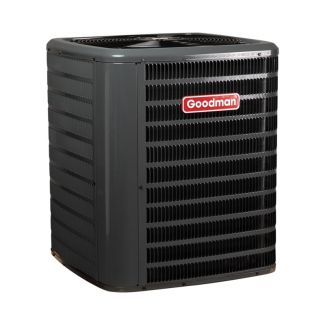

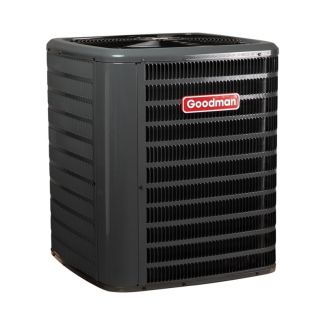


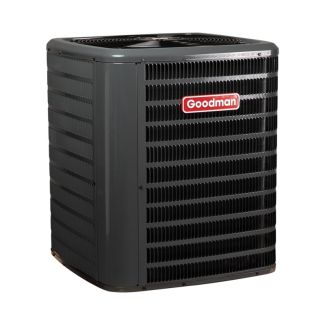


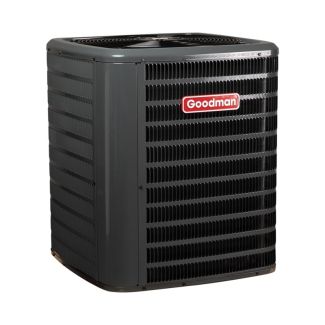


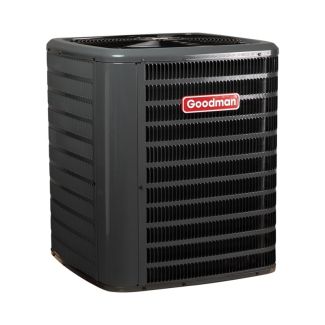




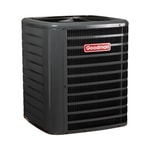
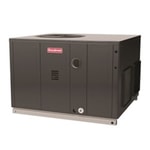
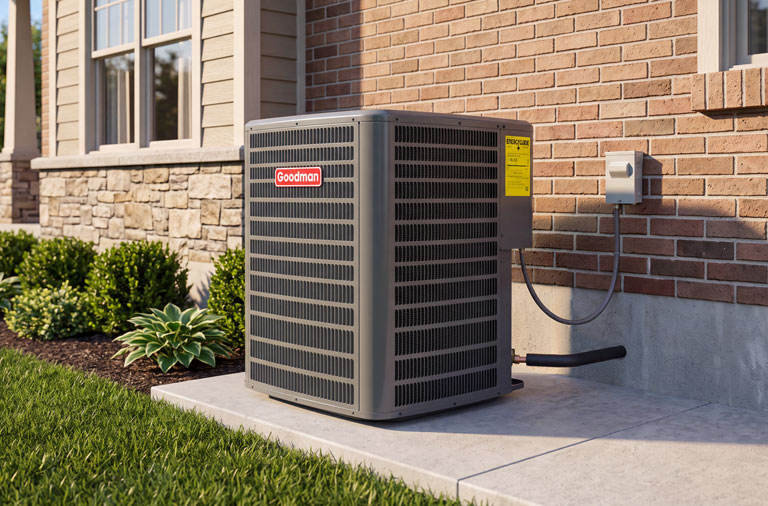
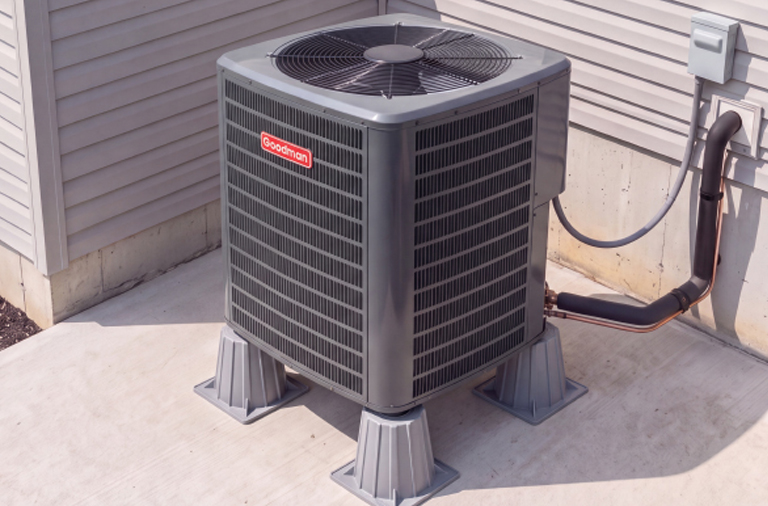
Goodman heat pumps are all-electric HVAC systems manufactured to deliver both central heating and air conditioning from a single outdoor condenser unit. Paired with an indoor air handler, coil, or compatible furnace, a Goodman heat pump moves heat instead of creating it through fuel combustion.
These systems work by using a reversible refrigeration cycle managed by a reversing valve that alters the flow direction of R32 or R410A refrigerant to absorb and transfer thermal energy between the indoor and outdoor air. Instead of generating heat through fuel combustion like a traditional gas furnace, the outdoor unit extracts heat from the winter air to pump it indoors, and then reverses the process during summer to draw heat from the home and transfer it outside. This allows Goodman heat pumps to deliver year-round comfort through standard ductwork while using efficient electric operation.
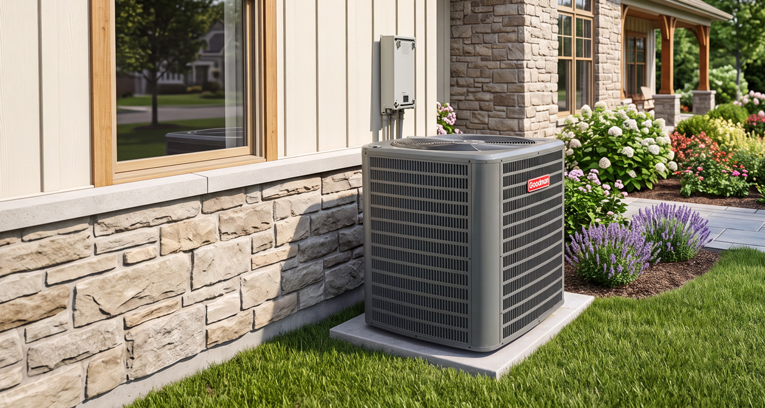
Goodman heat pumps are a practical choice for homeowners who want reliable, all-electric heating and cooling without the premium price tag of some higher-end HVAC brands. The brand is known for offering straightforward equipment, strong warranty coverage, and a wide range of models for different home comfort needs.
While Goodman heat pumps can deliver strong energy savings in many climates, heating performance naturally decreases as outdoor temperatures drop. In colder regions, a professional may recommend adding auxiliary electric heat or pairing the heat pump with a gas furnace to create a dual fuel system for more consistent winter comfort.
Goodman makes several types of residential split-system heat pumps, including single-stage, two-stage, and high-efficiency two-stage models. These categories give homeowners a range of options based on budget, efficiency goals, and comfort preferences. Entry-level single-stage models offer simple, dependable heating and cooling, while two-stage and high-efficiency two-stage systems provide more advanced temperature control, quieter operation, and improved seasonal efficiency.
Goodman single stage heat pumps are the budget-friendly entry tier of the brand’s residential heat pump lineup. A single-stage system runs at full capacity whenever the thermostat calls for heating or cooling, making it a simple, dependable option for homeowners who want affordable whole-home comfort. Goodman’s R-32 single-stage heat pump condensers are available in standard efficiency ratings such as 14.3 SEER2 and 15.2 SEER2, depending on the model and system match. These systems are a strong fit for homeowners who want lower upfront equipment costs, straightforward operation, and reliable performance in mild to moderate climates.
Goodman two stage heat pumps provide a mid-tier efficiency upgrade over one stage equipment by using a two-stage compressor that runs at two output levels. These intermediate systems run at a low energy capacity of approximately 70% during normal weather conditions and automatically jump to 100% capacity only when extreme outdoor seasonal temperatures require a sudden burst of indoor climate control. This automated staging mechanism lets the unit run longer and steadier at its lower speed, which significantly enhances residential humidity removal and prevents the frequent on and off cycling that inflates monthly utility costs.
Goodman two-stage high-efficiency heat pumps it near the top of the brand’s residential split-system lineup. These systems combine two-stage operation with higher seasonal efficiency ratings, with select R-32 models reaching up to 17.2 SEER2 depending on the system match.
These systems run at lower output in mild weather and full output when conditions require it. This longer, steadier operation can help improve indoor temperature consistency, support better humidity control, reduce short cycling, and lower energy use compared with basic single-stage equipment.
Homeowners need between 1.5 tons and 5 tons of Goodman heat pump capacity to properly manage residential spaces ranging from 600 to 3,300 square feet. Selecting the correct machinery requires matching the equipment tonnage to the square footage of the structure to prevent rapid system short cycling. These common residential sizes cover a wide range of home loads.
While baseline square footage provides a strong starting point for calculations, homeowners must also evaluate regional climate severity, insulation quality, ceiling heights, and total window surface area. Failing to account for these specific environmental factors can lead to buying a system with insufficient BTU capacity for deep winter heating or intense summer cooling.
Goodman heat pumps are remarkably energy-efficient central-climate systems, achieving regional and national compliance through seasonal ratings that scale from an industry standard baseline of 14.3 SEER2 up to an impressive 17.2 SEER2. On the heating side, the product lineup delivers solid performance metrics with a heating seasonal performance factor reaching up to 7.5 HSPF2 to ensure minimal electricity draw during cold weather operation. By extracting existing heat from the air rather than using fossil fuels to generate heat, these units routinely lower overall residential utility expenses while shrinking a property's total carbon footprint.
Goodman split-system heat pumps typically cost $2,800 to $6,800 for equipment, depending on size and configuration. Buying your machinery online allows you to access direct wholesale pricing that avoids traditional dealer markups. The baseline inventory costs map out across the seven primary residential sizes carried.
While these base numbers reflect the direct equipment cost, the final out-of-pocket investment will fluctuate based on the specific unit type, seasonal efficiency rating, installation complexity, local building permits, ductwork retrofitting, and contractor labor rates.
The most important Goodman heat pump features include compressor staging, efficiency ratings, coil design, and built-in protections. Choosing the right model means comparing performance features that affect comfort and efficiency. Focusing on these critical product design elements prevents you from purchasing underpowered equipment or paying extra for unnecessary electronic additions.
Ultimately, pairing these high-performance interior features with professional installation by a licensed contractor ensures your equipment qualifies for Goodman’s comprehensive 10-year parts limited warranty via standard online submission, safeguarding your residential investment against unexpected mechanical overhead.
Executing a thorough pre-installation diagnostic check ensures your new Goodman central split system operates at its peak rated efficiency and avoids premature hardware failures. Technicians must verify five foundational mechanical and electrical parameters before anchoring the condenser to its mounting pad:
Addressing these foundational checkpoints ahead of time transforms a standard equipment swap into a highly optimized, long-term climate solution. Taking the extra time to verify proper spatial sizing, robust electrical supplies, and clear air pathways protects your wholesale Goodman investment from day one. All of the aforementioned features help assure your household captures the maximum utility savings, reliable multi-stage performance, and full 10-year warranty security that the brand intends to deliver.
Goodman heat pumps carry a robust 10-year parts limited warranty that covers factory-defective components, provided the equipment is registered online within 60 days of the installation date. If a homeowner misses this strict 60-day registration window, the manufacturer coverage automatically reduces to a standard 5-year base parts warranty. To maintain full warranty validity, the machinery must be installed by a licensed professional contractor and matched with an officially AHRI-certified indoor evaporator coil or air handler. Additionally, these factory-issued warranties are non-transferable and strictly cover the cost of the replacement hardware itself, meaning property owners remain responsible for all associated local contractor labor fees, emergency service call rates, and replacement refrigerant costs during a mechanical breakdown.
Goodman heat pumps should be purchased from HVAC-focused online retailers that specialize in residential heating and cooling equipment, not general marketplace sellers. Reliable online sources should provide detailed product specifications, AHRI match information, freight delivery support, warranty guidance, and access to compatible indoor equipment. Among all other, HVACDirect.com is a leading HVAC retailer in the market for homeowners, who can shop Goodman heat pump condensers, air handlers, evaporator coils, and complete split-system bundles in one place. HVACDirect.com also provides an abundance of expert technicians, numerous varieties of HVAC options and solutions, and a dedicated sales team that number collectively into decades of service and expert industry knowledge.
When comparing online retailers, look for these key buying factors:
Homeowners should strictly avoid purchasing technical split systems from general, non-HVAC third-party marketplaces or unverified auction platforms. Unlike HVACDirect.com’s customer service expertise and abundance of product offerings, ordering from non-HVAC general merchandise vendors often results in severe logistics and warranty issues, including receiving completely mismatched indoor and outdoor components that cannot function together.
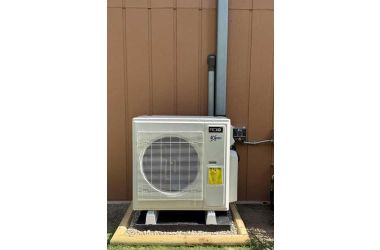
Yes, Goodman heat pumps are a solid value option with widely available models and strong warranty coverage, especially when you are looking for an all-electric comfort solution that balances performance with a highly affordable price tag. Key selling points include value, warranty coverage, efficiency options, and serviceability.
Goodman heat pumps are manufactured by the Goodman Company, a well-established American indoor comfort brand that was founded in 1975 and is headquartered in Houston, Texas. Goodman operates as a prominent subsidiary of the Daikin Group, which stands as the world's largest manufacturer of heating, ventilation, and air conditioning products and systems.
No, you are not advised to install a central Goodman split-system heat pump entirely, because federal EPA laws strictly prohibit uncertified individuals from handling standard mini split system chemical refrigerants, and the manufacturer will completely void your warranty without documented proof of a licensed professional installation. While property owners can save thousands of dollars on upfront equipment investments by purchasing wholesale system bundles directly online from HVACDirect.com, a complete do-it-yourself structural approach is blocked by both safety hazards and regulatory constraints. Connecting the system requires a certified HVAC technician to use specialized vacuum pumps and manifold gauges to evacuate the copper line sets, check for structural leaks, and release the chemical refrigerant charge without violating federal law.
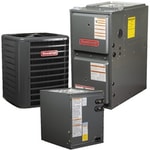
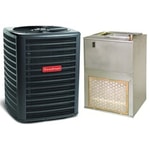
A Goodman split-system heat pump works with a compatible air handler, evaporator coil, or gas furnace and coil setup. The indoor equipment moves air through the home and helps transfer heat through the ductwork, while the outdoor heat pump provides heating and cooling. An air handler is the best fit for an all-electric system with optional auxiliary heat. An evaporator coil can be paired with an existing forced-air furnace, while a gas furnace and coil setup creates a dual fuel system for stronger backup heating in colder climates.
Select high-efficiency Goodman central heat pumps qualify for significant financial savings through federal tax credits and local utility rebates when they meet strict environmental efficiency standards. To ensure eligibility, buyers can input their specific equipment model numbers into the dedicated HVACDirect.com online Rebate Center tool to instantly cross-reference available localized utility promotions and print out the required manufacturer certification statements needed when filing IRS Form 5695.
A Goodman heat pump often lasts 10 to 15 years, with some systems lasting longer when properly installed and maintained. Like most heat pumps, its lifespan depends on factors such as climate, system sizing, installation quality, usage level, and routine maintenance. Because a heat pump provides both heating and cooling, it often runs more months of the year than a standalone air conditioner. Regular filter changes, clean coils, annual service, and proper airflow can help reduce strain on the compressor and extend the life of the system.
A Goodman heat pump may stop heating because of an incorrect thermostat setting, tripped breaker, dirty air filter, blocked outdoor unit, frozen outdoor coil, low refrigerant, or a failed component such as a reversing valve, capacitor, defrost control, or compressor.
Start by confirming the thermostat is set to Heat and the temperature is set several degrees above the current room temperature. Then check that the indoor breaker, outdoor breaker, and outdoor disconnect are on. If the system is running but airflow is weak, replace the return air filter and make sure vents are open and unobstructed. In cold weather, some frost on the outdoor coil can be normal, but a thick layer of ice may mean the defrost cycle is not working properly or airflow is restricted. If the system still does not heat, repeatedly trips the breaker, has ice buildup, or blows cold air for an extended period, turn it off and call 1-888-557-8296 for a licensed HVAC technician from HVACDirect.com for further assistance.
A Goodman heat pump may make noise because of normal operation, loose parts, debris, ice buildup, or a mechanical or electrical issue. Light clicking, humming, or a sudden whooshing sound during cold weather can be normal, especially when the system enters defrost mode.
Loud rattling or vibrating may come from loose cabinet panels or an uneven equipment pad. Flapping or thumping can be caused by leaves, sticks, or ice near the outdoor fan. Screeching, squealing, grinding, repeated clicking, or loud buzzing may point to a fan motor, compressor, capacitor, contactor, or other internal component issue. If the noise is loud, persistent, or sounds like metal-on-metal contact, turn the system off at the thermostat and call 1-888-557-8296 for a licensed technician from HVACDirect.com for further assistance. Do not remove panels or reach into the outdoor unit while it has power.
A standard outdoor Goodman split-system heat pump condenser does not feature a physical, dedicated manual reset push-button anywhere on its exterior cabinet or internal control board layout. When a Goodman system enters a safety lockout mode due to operational errors like an electrical surge, pressure imbalance, or thermal overheating, a common reset method is to power-cycle the system at the breaker.
Modern Goodman central heat pumps currently manufactured and sold on HVACDirect.com utilize high-efficiency R32 refrigerant to comply with the Environmental Protection Agency’s latest Clean Air Act global warming potential phasedowns, though older surplus warehouse units, certified pre-owned bundles, and legacy replacement components cataloged on the site still operate using R410A. The transition away from R410A across Goodman's manufacturing plants reflects an industry-wide push to adopt next-generation A2L class refrigerants, which offer significantly better thermodynamic heat transfer capacity and a lower environmental impact footprint. However, R410A products are still available should you need a replacement part or component.