Your cookie preferences
We use cookies to remember your preferences and understand how shoppers use our site, helping us improve your shopping experience.
Read our privacy policy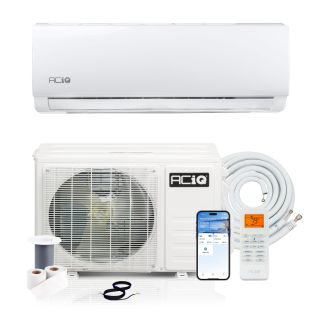


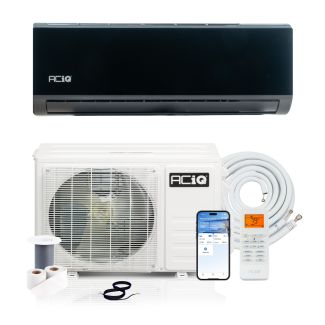
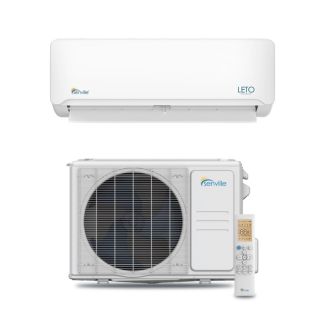

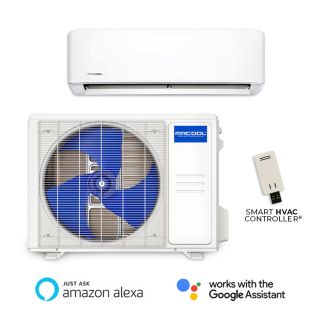
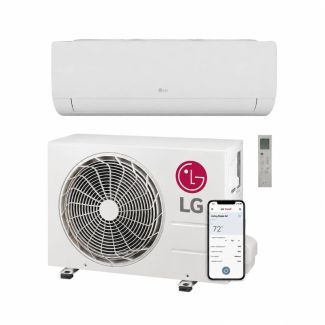
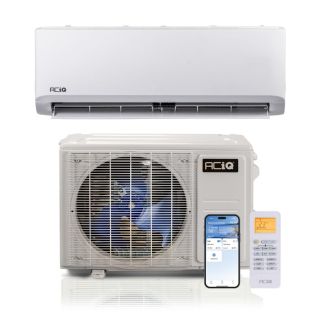

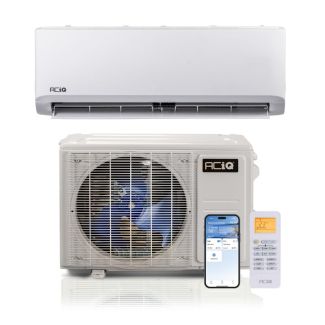
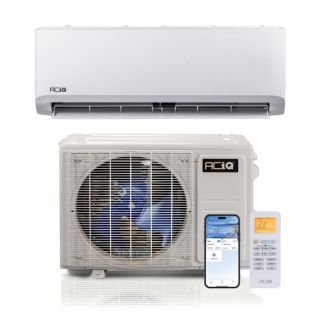
Horse trailer mini split systems are compact, ductless systems that connect an indoor air handler to an outdoor compressor with copper refrigerant lines. These heat pumps provide targeted heating and cooling for living quarters and tack rooms without ductwork.
These systems move refrigerant between the indoor air handler and outdoor condenser. During cooling, the system absorbs heat from inside the trailer and releases it outdoors. A reversing valve lets the system pull heat from outdoor air and move it inside during colder weather.
Mini splits help control temperature in horse trailers that heat up quickly at shows, training facilities, and overnight stops. They deliver up to 30 SEER2 energy efficiency and reliable temperature control in tight mobile spaces without taking up valuable interior square footage. These ductless units combine quiet performance with low power draw, making them a strong option for trailer living quarters powered by generators or shore power.
Helps Manage Heat Inside the Trailer: Metal trailer walls and roofs absorb outdoor heat, causing enclosed spaces to become uncomfortable quickly. A mini split continuously removes indoor heat rather than relying only on open windows or circulating fans. Maintaining a cooler environment is especially important because high temperatures and humidity make it harder for horses to cool themselves naturally through sweating.
Provides More Consistent Temperature Control: Inverter-driven mini splits adjust their output as conditions inside the trailer change. Instead of repeatedly turning on at full power and shutting off, the system can maintain a steadier temperature during long show days, overnight stays, or periods spent waiting in a parked trailer.
Reduces Excess Heat and Humidity: Cooling also removes some moisture from the indoor air, helping prevent the trailer from feeling hot and muggy. Better moisture control can also protect saddles, bridles, feed, clothing, and other equipment stored in the tack or living area. However, the horse compartment must still receive adequate fresh-air ventilation to remove moisture, stale air, dust, and odors.
Creates a Quieter Resting Environment: Select ductless indoor units operate at sound levels as low as 19 dB. Their quieter performance helps avoid adding another loud source of noise inside an already confined trailer, which can benefit resting horses and owners during shows or overnight trips. Actual sound levels depend on the selected model and fan setting.
Preserves Limited Trailer Space: The indoor air handler mounts high on a wall, while the condenser is installed outside the conditioned area. With no floor-standing equipment or large duct system, owners can preserve more room for tack storage, sleeping areas, cabinets, and safe movement through the trailer.
Traditional rooftop RV air conditioners and bulky window units struggle in horse trailers because they create loud vibrations, consume excessive electrical power, and require large roof cutouts that invite leaks. High vibration levels from road travel and poor insulation in metal trailers quickly overwhelm standard cooling units, making ductless mini splits the far superior long-term solution.
Gooseneck trailers with finished living quarters and large tack rooms are the best fit for mini splits. These trailer types provide the structural mounting areas and enclosed interior layouts necessary to run slim refrigerant lines between indoor air handlers and outdoor condensers. Others that work well are custom mid-tack rooms, straight-load trailer rooms, toy hauler hybrids, and commercial livestock haulers with attached living cabins.
Gooseneck Living Quarters: The elevated neck section provides high interior wall space for wall mounted air handlers without stealing headroom or floor space.
Custom Mid-Tack Rooms: Fully enclosed mid-ship tack rooms offer dedicated, isolated wall areas that allow focused climate control. This helps moderate heat and humidity around saddles, bridles, clothing, and other riding equipment, provided the room is insulated and has a suitable mounting surface.
Straight-Load Trailer Dressing Rooms: An enclosed front dressing room provides a practical location for cooling and heating without exposing the indoor unit to the horse area. Its forward wall may also offer a convenient installation location, although refrigerant lines must be routed around the trailer framing, wiring, plumbing, and nose construction.
Toy Hauler Horse Trailer Hybrids: These trailers often combine flexible cargo space with finished living accommodations. Cargo areas with walls separating the trailer into different zones allow multi zone indoor units to manage temperature differences between living spaces and stall areas.
Commercial Livestock Haulers With Living Cabins: Commercial trailers with enclosed driver or crew accommodations can use a mini split to condition the living cabin independently from the livestock area. The condenser, mounting brackets, and refrigerant lines must be installed to withstand trailer movement and vibration without exceeding the trailer’s structural or weight limits.
Uninsulated metal trailer walls, air leaks around ramp doors, and extreme radiant heat absorption from unshaded dark roofs can severely diminish cooling performance. Buyers should make sure the trailer has good insulation and tight weather sealing, or cooling performance will drop in peak summer heat.
Yes, you can install a mini split system in your horse trailer, but either a pre-charged quick-connect kit or a custom mounting setup can be successful in this space.
DIY Horse Trailer Installation: Pre-charged DIY mini split kits allow trailer owners to mount the indoor air handler, drill a single hole, and connect sealed line sets without special vacuum pumps.
Professional Horse Trailer Installation: Certified HVAC technicians can custom flare copper line sets, evacuate system moisture, and hardwire 115V or 230V power connections to withstand heavy road vibration.
Choosing professional installation protects system warranties and prevents refrigerant leaks during travel. Mobile horse trailers generally do not require municipal building permits for mini split installations unless the trailer is permanently wired to a local building electrical grid.
A horse trailer mini split typically costs between $1,300 and $3,300+ installed. The final price depends on whether you select a DIY-friendly unit or purchase a standard mini split and hire a certified technician to complete the mounting, refrigeration, and electrical wiring.
Equipment Cost: single zone mini split equipment for horse trailers costs between $700 and $1,600 depending on system efficiency, brand, and heating capability. Pre-charged quick-connect systems sit on the higher end of equipment costs, while standard ACiQ single zone models start near $700.
Installation and Labor Cost: Professional HVAC installation cost for a mobile trailer ranges from $100 to $150 hourly depending on structural wiring needs and condenser bracket mounting. Total labor may run $500 to $1,500. Trailer owners who choose DIY pre-charged systems can lower labor costs down to $0, spending only around $50 to $150 for basic mounting materials.
Operation and Maintenance Cost: Running a high-efficiency inverter mini split costs between $15 and $35 per month in electricity or generator fuel usage. Routine maintenance costs average $100 to $250 annually for professional inspections, but just standard cleaning of reusable filters is free.
Installing a mini split air conditioner in a mobile horse trailer does not require municipal building or HVAC permits. Permit requirements depend on local rules and whether the trailer is permanently wired to a building panel, in which case, there would be a $50 to $250 fee for permit acquisition.
A wall mounted indoor unit is the best default option for a horse trailer because it mounts high on the wall to maximize vertical living space and clear floor traffic. Selecting the correct indoor unit configuration ensures your trailer living quarters stay comfortable without sacrificing tight interior square footage.
Wall Mount Unit: A high-wall air handler mounts near the ceiling in a horse trailer’s living quarters, dressing room, or enclosed tack area. Its elevated position preserves valuable floor space and helps keep the unit away from walkways, furniture, equipment, and everyday activity inside the trailer.
Floor Mount Unit: A floor mounted or low-wall unit fits beneath windows or along shorter walls where overhead cabinets, sloped ceilings, or gooseneck construction leave little room for a high-wall system. Its low placement can also deliver warm air closer to the floor during cold-weather shows and overnight stays.
Ceiling Cassette Unit: Recessed ceiling cassettes fit flush into ceiling openings to distribute four-way airflow across open living areas, though they require sufficient ceiling joist depth for installation.
Concealed Duct Unit: Hidden ductless air handlers install behind cabinet bulkheads or inside closets to supply conditioned air through subtle wall grilles without exposing visible equipment.
Ceiling cassettes and concealed duct units typically struggle in horse trailers because metal trailer roofs lack the 8 to 12 inches of vertical joist clearance required to recess the unit chassis. Heavy road vibrations during travel can also cause condensate drainage pans in ceiling mounted cassette units to overflow or leak water directly into the trailer living space.
Horse trailer mini splits need a dedicated, stable electrical supply for the outdoor condenser and indoor air handler. Matching the electrical specifications of your trailer to the power needs of the cooling system ensures reliable mobile performance while operating on shore power or portable generators.
Dedicated Electrical Circuit: Every mini split system must run on an isolated, dedicated circuit to prevent power fluctuations from other trailer appliances that could trip breakers or damage sensitive inverter electronics.
Specific Voltage Ratings: Compact 9,000 and 12,000 BTU mini split models often operate on 115V power, while larger 18,000 BTU systems and multi zone units require 208V or 230V single-phase electrical supply.
Dedicated Circuit Breaker: The electrical panel supplying the trailer must feature a properly sized circuit breaker, typically ranging from 15 to 35 amps based on system tonnage.
Proper Copper Gauge Wiring: Connecting line power to the outdoor disconnect requires correctly sized 10 AWG to 14 AWG copper wiring depending on circuit amperage and the total run distance.
Weatherproof Outdoor Disconnect Box: A non-fused, NEMA-rated outdoor disconnect box must be mounted on the trailer exterior near the condenser to allow quick power shutoff during maintenance or transit.
Strictly following the Minimum Circuit Ampacity (MCA) and Maximum Overcurrent Protection (MOP) ratings printed on the condenser data plate guarantees that wire sizes and circuit breakers are perfectly matched to prevent electrical fires and equipment damage.
A 9,000 BTU mini split is the best default option for most horse trailers because it balances comfort and low power use. Matching the square footage of your trailer living quarters or dressing room to the proper system capacity ensures efficient operation without overloading your electrical circuit.
9,000 BTU (up to 400 sq. ft.): Standard gooseneck living quarters and front dressing rooms with low to moderate heat load needs.
12,000 BTU (400 to 600 sq. ft.): Large multi-room horse trailers or uninsulated metal trailers exposed to extreme sun exposure.
18,000 BTU (600 to 1,000 sq. ft.): Oversized commercial livestock haulers or toy hauler horse trailers with expansive living spaces.
Undersizing a mini split forces the compressor to run continuously without reaching target temperatures, while oversizing causes frequent short-cycling that leads to poor dehumidification, wasted energy, and early equipment failure.
Single zone mini split systems are the most common choice for horse trailers because most trailers have one main living area or dressing room. Choosing between a single zone or multi zone setup depends on whether your trailer has separate partition walls dividing the living quarters, tack room, or horse stall areas.
Single Zone Horse Trailer Mini Splits: These systems connect one indoor air handler to a single outdoor condenser unit, making them the most cost-effective and simple option for cooling a single dressing room or living space.
Multi Zone Horse Trailer Mini Splits: These configurations use a single outdoor condenser connected to two or more indoor air handlers, allowing independent temperature control across multiple isolated rooms inside larger trailers.
Choosing a single zone system keeps generator demand lower and simplifies line set routing through metal walls. However, if your horse trailer features a large gooseneck layout with a separate sleeping loft and mid-tack room, a multi zone configuration ensures balanced airflow without overcooling one section to reach another.

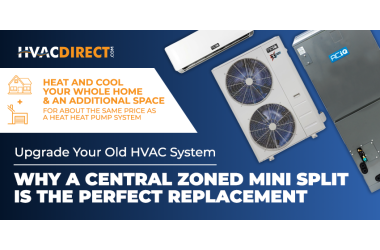

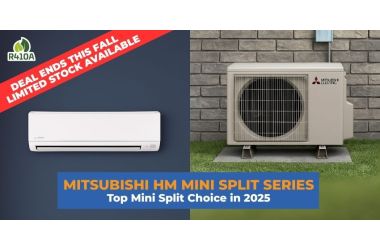

Yes, a properly sized mini split will heat and cool an entire horse trailer, provided the interior space is open or has adequate airflow between sections. Standard single zone units easily cover enclosed living quarters or dressing rooms up to 400 square feet with a single indoor air handler. If your trailer features solid interior partitions that block air circulation between the sleeping quarters, mid-tack, or stalls, installing a multi zone mini split with multiple indoor heads ensures every section stays fully conditioned year-round.
A ductless mini split system is the right choice for a horse trailer. Ductless systems blow air directly into living quarters from a wall mounted unit and only require a 3-inch hole through the exterior wall to connect refrigerant lines to the outdoor condenser. Conversely, ducted mini splits require running air ducts through walls or ceilings, which is difficult in mobile horse trailers because of thin metal walls, low ceiling clearance, and limited frame depth. Ductless units also hold up far better against road vibration during travel, as they lack rigid ductwork that can shake loose on the highway.
To protect your mini split outdoor coil from mud, manure dust, and road salt, use a rock guard or metal deflector shield and keep at least 12 inches of clearance around the unit. Applying a professional anti-corrosion coil coating creates a barrier against salt and manure acids, while removable mesh pre-filters prevent heavy dust and straw from packing into the aluminum fins. Elevating the unit high on the gooseneck framing or trailer tongue reduces direct exposure to road spray, and using a heavy-duty vinyl transit cover during highway travel keeps road debris completely off the coil, provided you remove the cover before turning the unit on.
Yes, the tack room is often the best place for the indoor unit. Tack rooms are fully enclosed, smaller spaces with solid walls, making them far easier to heat, cool, and seal against air leaks compared to open, heavily ventilated stall sections. Placing the air handler in the tack room keeps sensitive leather saddles, electronic equipment, and riding gear protected from heat, moisture, and humidity while avoiding the extreme dust, dander, and manure particles generated in the horse area that would quickly clog the system's air filters and coils. If you eventually need climate control in both spaces, you can expand to a multi zone system with a separate air handler designed for high-dust environments or keep the stall area ventilated using heavy-duty exhaust fans instead.
Yes, it can be safe for horses if the system is installed correctly and the trailer has adequate fresh-air ventilation. Mini splits operate quietly and do not produce dangerous exhaust fumes inside the trailer like gas-powered heaters or engine-driven climate systems do.
To ensure complete safety, the air handler and power wiring must be mounted securely behind protective bulkheads or high on the wall out of the horse’s reach to prevent cribbing, chewing, or impact injuries. Additionally, while the mini split cools or heats the space, you must balance climate control with sufficient fresh air exchange to prevent humidity build-up and carbon dioxide accumulation from the horses' breathing, as well as ammonia vapor off-gassing from urine and manure.
To avoid blowing cold air directly on your horse's face or body, mount the indoor unit high on a solid partition wall, such as the bulkhead separating the tack room or dressing room from the stalls, and angle the motorized air louvers (vent slats) upward or horizontally across the ceiling. Adjusting the louver direction ensures the conditioned air circulates gently throughout the entire space rather than blasting in a focused stream. You can also set the unit's fan speed to low or auto mode and place the stall area's temperature sensor out of direct drafts, allowing the space to cool evenly and comfortably without subjecting your horse to harsh, direct airflow.
Yes, a mini split can remove humidity in a closed horse trailer. Mini splits act as high-efficiency dehumidification systems because moisture in the warm, humid air condenses on the cold indoor evaporator coils during the cooling process and drains outside through the condensate line.
For maximum moisture removal in a trailer environment, where high animal respiration, sweat, and wet gear elevate humidity, many modern inverter mini splits feature a dedicated "Dry Mode" (dehumidification setting). This mode runs the compressor continuously on a low fan speed to pull maximum moisture from the air without overcooling the space. However, ensuring the mini split is sized accurately for the trailer's square footage is critical; an oversized unit will cool the small space too quickly and shut off before it has enough run time to extract the humidity.
To prevent condensation from dripping inside the trailer, slightly tilt the indoor unit toward the drain side during installation so water flows naturally toward the exit port. Ensure the flexible condensate drain line maintains a continuous downward slope through the trailer wall with zero sags or upward loops, and seal the exterior wall hole thoroughly with silicone or spray foam so warm, humid outdoor air cannot seep in and cause condensation on the cold copper lines. Additionally, slip closed-cell foam insulation over every inch of exposed suction line piping and drain connections to stop sweating, and clear the drain line periodically with compressed air or vinegar to prevent dust, dander, and algae from backing up the condensate pan.
Yes, you can run a mini split on a generator, provided the generator produces clean power and matches the system’s wattage needs. Modern inverter mini splits are exceptionally efficient and feature soft-start technology that prevents massive electrical surges, making them ideal for generator use while parked off-grid or at event venues.
Yes, you can run a mini split on a battery bank and inverter if the system is sized correctly. Modern inverter-driven mini splits pull very low running wattage once up to temperature, typically between 600 and 900 watts for a standard 9,000 or 12,000 BTU unit. However, because air conditioning is an intense continuous load, running it off-grid requires a 2,000 to 3,000-watt pure sine wave inverter to handle continuous operation and initial starting surges, paired with a large lithium battery bank.
