Your cookie preferences
We use cookies to remember your preferences and understand how shoppers use our site, helping us improve your shopping experience.
Read our privacy policyDue to ongoing changes in product availability and the industry-wide transition to new refrigerants, items in this category may not currently be listed online. For the most accurate pricing, availability, and recommendations based on your needs, please give us a call. Our team is happy to help you find the right equipment and ensure you're getting the most up-to-date options.
Call Us For a Quote
 (800) 397-1392
Operating Hours:
MON - FRI: 8AM - 11PM EST
SAT: 10AM - 6PM EST

A 7 zone mini split system is a ductless heating and cooling system that uses one outdoor condenser connected to seven indoor air handlers, allowing independent temperature control in seven separate rooms.
These systems work by circulating refrigerant between a single outdoor unit and seven indoor units through dedicated line sets to heat and cool seven spaces. Each indoor air handler contains its own thermostat and controls, allowing occupants to adjust temperatures independently without ductwork. These systems also commonly use inverter-driven compressor technology to modulate heating and cooling output efficiently. Inverter technology adjusts output in real time based on the needs of each room, helping deliver steady comfort while reducing energy use and lowering energy bills.
Seven zone mini split systems are typically ideal for properties with 2,000 to 3,000+ square feet of space, 8- to 10-foot ceilings, average to high insulation, moderate sun exposure, and seven regularly occupied areas that require independent climate control. Some of the best spaces for these systems include:
Multi-Bedroom Homes: A large single-family home with multiple bedrooms is one of the most common applications for a septuple zone mini split. Each bedroom can receive its own indoor unit while common areas are conditioned separately, improving both comfort and energy efficiency.
Historic Homes: Older homes frequently lack central duct systems or have limited space for new duct installation. These systems can provide whole-home heating and cooling while preserving architectural features and minimizing renovation work.
Large Home Additions and Renovations: Properties that have been expanded over time often contain areas with different heating and cooling needs since they are not connected to the central air system, or the central air system may not have the capacity to handle them. A 7 zone setup allows each addition, bedroom, office, or living space to operate independently while remaining connected to a single outdoor condenser.
Rental Properties: Vacation houses, rental properties, or cabins where mini splits can be turned on as needed or off when not occupied benefit from these systems. Occupied rooms can be conditioned individually while unused rooms remain at energy-saving setpoints.
Environmental factors such as poor insulation, excessive sun exposure, high ceilings, severe outdoor temperatures, air leakage, and improperly sized equipment in any of the seven rooms can reduce the overall performance of these systems.
Due to the high number of zones and complexity of installation, these systems must be installed by a licensed HVAC professional.
DIY Installation: DIY options are not offered in the 7 zone category because of the complexity of multiple line sets, electrical requirements, condensate drainage, and outdoor unit setup. These systems must be installed by a licensed technician.
Professional Installation: Professional installation is the most common approach for 7 zone systems. Licensed HVAC contractors perform load calculations, manage refrigerant connections, and verify system performance after startup. Professional installation is particularly beneficial when multiple indoor unit styles are used or when line set routing is extensive. Most manufacturers also require professional installation to maintain full warranty protection.
Before installation, homeowners should verify local permit requirements, electrical specifications, and building codes. For most of these systems, permits are commonly required, dedicated electrical circuits are necessary, and HVAC refrigerant handling is typically needed.
The total cost of these systems ranges from $11,000 to $25,000+, depending on the brand, efficiency rating, indoor unit configuration, installation complexity, and labor costs.
Equipment Cost: $7,000 to $15,000, with premium manufacturers and higher-efficiency systems generally falling toward the upper end of the range. Equipment pricing typically includes one outdoor condenser and up to seven indoor air handlers. Optional features such as Wi-Fi controls, ceiling cassettes, and cold-climate heat pump capabilities can also increase costs. You can call the expert team at HVACDirect.com for more information on pricing for these systems.
Installation and Labor Cost: $4,000 to $10,000, with labor costs rising when line set runs are long, electrical upgrades are necessary, or indoor units are installed in difficult-to-access locations. Complex installations involving finished basements, multiple floors, or specialty indoor units may exceed average labor costs.
Operation and Maintenance Cost: $300 to $1,000 per year, depending on local utility rates, system efficiency, climate conditions, and usage habits. Routine expenses include filter cleaning, annual inspections, condensate maintenance, and occasional professional servicing to maintain efficiency and performance.
Most jurisdictions require permits for a new 7 room mini split installation, particularly when new electrical circuits, condenser placement, or structural modifications are involved. These permits can cost an additional $250 to $1,000+.
These systems support multiple indoor unit styles, including wall mount, ceiling cassette, concealed duct, and floor mount, allowing homeowners to customize their comfort and aesthetics throughout the property.
Wall Mount Units: Wall mount air handlers are the most common indoor units. They offer excellent efficiency, simple installation high on a wall for optimal airflow, and reliable performance for bedrooms, offices, living rooms, and similar spaces. For example, a homeowner could use five wall units in bedrooms and offices while choosing different indoor unit styles for the two larger shared spaces.
Ceiling Cassette Units: Ceiling cassettes are useful for the larger zones in a 7 room system, such as an open living room, great room, finished basement, or combined kitchen and dining area. Because they distribute air in multiple directions, they can cover wider spaces where one high-wall unit may create uneven airflow.
Concealed or Slim Duct Units: Concealed duct units work well when several nearby rooms need to be served without placing a visible air handler in every space. In a 7 zone layout, one might be used for a primary bedroom suite, hallway bedrooms, or connected rooms where short duct runs can distribute air discreetly.
Floor Mount Units: Floor-mounted units are a practical option for zones with limited upper-wall space, including sunrooms, finished attics, rooms with sloped ceilings, and older homes with large windows. A 7 zone system might use floor units in one or two difficult rooms while wall mounts or cassettes serve the rest of the home.
The ability to mix indoor unit styles on a single system is one of the major advantages of these systems, allowing customized comfort throughout the property. Due to the size of these systems, you can call the expert team at HVACDirect.com to have a licensed technician help size your system before purchase.
Since 7 zone mini split systems can utilize multiple indoor head sizes connected to a larger outdoor condenser, the most common sizes are between 48,000 BTU and 60,000 BTU. Depending on insulation levels, ceiling height, climate conditions, and room layout, these systems typically serve between 2,000 and 4,000 square feet of total conditioned space.
48,000 BTU (2,000 to 2,700 sq. ft.): This capacity is well suited for homes with multiple bedrooms, offices, and shared living areas that require individual temperature control. Homeowners often choose this size for whole-home comfort without the need for extensive ductwork. For example, one of these systems might use six 6,000 BTU indoor units and one 12,000 BTU unit. The six smaller units could serve bedrooms, offices, or other compact rooms, while the 12,000 BTU unit handles a larger space such as a living room, primary suite, or finished basement.
55,000 BTU (2,500 to 3,000 sq. ft.): These systems are ideal for larger homes with several occupied rooms, guest suites, hobby spaces, or home offices. The additional capacity helps maintain consistent temperatures when multiple indoor units operate simultaneously throughout the day. This size is frequently selected for properties with varying sun exposure or moderately challenging heating and cooling loads.
60,000 BTU (3,000+ sq. ft.): This size is designed for larger residences, multi-story homes, and properties with expansive living areas. This capacity provides the flexibility to support a combination of bedrooms, living rooms, offices, and specialty spaces while maintaining independent zone control. For example, a 7 zone system might use indoor units sized at 6K + 9K + 9K + 9K + 9K + 12K + 15K BTU. The smaller 6,000 and 9,000 BTU units could serve bedrooms or offices, while the 12,000 and 15,000 BTU units handle larger spaces such as a living room, finished basement, or primary suite.
When selecting a BTU size, proper load calculations should always consider insulation quality, ceiling height, window area, occupancy levels, and local climate conditions to ensure the system performs efficiently and comfortably. Most septuple zone systems combine multiple indoor BTU sizes to match the unique requirements of each room while remaining within the outdoor condenser's total capacity.
Most septuple room mini split systems draw a lot of power and require a single-phase 208/230-volt dedicated electrical circuit with a 40- to 60-amp breaker, depending on the outdoor compressor's total BTU capacity. Additionally, many of these systems utilize one or two branch boxes that may require their own separate 115V or 230V power connections.
Voltage: Most 7 zone mini split systems operate on 208/230-volt single-phase power. This voltage supports the larger compressor loads associated with their multi zone operation.
Amperage/Breaker Size: These systems typically require a dedicated 40-amp to 60-amp double-pole breaker, depending on the condenser size and manufacturer specifications. Larger 60,000 BTU systems can utilize the higher breaker ratings.
Minimum Circuit Ampacity: Most systems fall within a 30-amp to 50-amp minimum circuit ampacity range. A licensed electrician should verify conductor sizing and overcurrent protection requirements before installation.
Dedicated Outdoor Disconnect: An outdoor service disconnect is typically required near the condenser. This provides safe access for maintenance and helps satisfy electrical code requirements.
Branch Box: Some 7 zone systems may require one or two branch boxes, depending on the manufacturer, while others, including certain ACiQ systems, use direct multi-port connections.
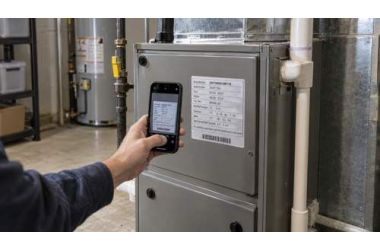
Every 7 zone mini split system has different electrical requirements, including Minimum Circuit Ampacity (MCA) and Maximum Overcurrent Protection (MOP), listed on the unit’s nameplate. Always check and follow the details on the unit’s specifications card and ensure all electrical work is handled by a licensed professional.
Many systems achieve SEER2 ratings of 18 to 24, which is above minimum efficiency standards. And most 7 zone mini splits use inverter-driven compressors that continuously adjust output based on demand to increase energy efficiency, rather than cycling on and off. Independent zoning also reduces wasted energy because unoccupied rooms do not require the same level of conditioning.
Most modern 7 zone systems are heat pumps that provide both air conditioning and heating from the same equipment. In the summer, these systems direct cool air into each zone, and during winter operation, the refrigerant cycle reverses to transfer heat indoors. This allows year-round comfort without separate heating equipment.
A 7 zone mini split is designed to heat and cool up to seven separate rooms or zones. Each zone receives its own indoor air handler and thermostat control. Depending on the layout, some zones may serve multiple adjacent spaces, such as an open-concept kitchen and dining area, but the system is generally configured around seven independently controlled areas.
Popular manufacturers include Mitsubishi, Daikin, and LG. Premium brands like Mitsubishi, Daikin, and LG are considered top-tier because of their long-term reliability, quiet operation, advanced efficiency, excellent warranty support, and their performance in extreme temperatures. The best choice for your home depends on your climate, budget, and installation requirements.
Choose a professionally installed standard system because true DIY 7 zone models are unavailable, the installations are complex with seven indoor air handlers, and professional installation ensures long-term performance.
A 7 room mini split generally lasts 15 to 20 years when properly maintained, and sometimes up to 25 years. Cleaning the indoor unit filters every 2 to 4 weeks, scheduling annual inspections, and making prompt repairs can help maximize service life. The outdoor unit should also be kept clear of leaves, grass, snow, and other debris so it has enough airflow and does not place unnecessary strain on the compressor.
Yes, many of these systems operate at sound levels of 19 to 35 decibels, depending on the fan speed and indoor unit type, which is comparable to a whisper. This makes them well-suited for bedrooms, offices, and study areas where noise control is important. With dBAs ranging from 48 to 60, mini split outdoor units are also significantly quieter than many conventional HVAC condensers, which usually operate between 50 and 75 dBA.
Most 7 zone mini splits are heat pumps, providing cooling during summer and heating during winter using the same refrigerant system. This dual-purpose operation improves efficiency and eliminates the need for separate comfort systems in many homes. The main difference between a standard mini split air conditioner and a heat pump is the reversing valve, which allows refrigerant to flow in the opposite direction for heating. In a 7 zone system, the same outdoor condenser serves all seven indoor units in both heating and cooling modes.
Yes, during cooling operation, these mini splits naturally remove moisture from indoor air. Many of these systems also include dedicated dry or dehumidification modes that improve comfort during humid weather without excessive cooling by running the compressor and fan at low speeds to maximize moisture removal.
Most of these mini splits come pre-charged with enough refrigerant for a standard installation. Additional refrigerant is only necessary when line set lengths exceed manufacturer allowances or if refrigerant is lost because of a leak. If needed, this must be handled by a licensed technician.
Most professionally installed 7 zone systems require evacuation with a vacuum pump before startup. This process removes moisture and non-condensable gases from the refrigerant lines and should be completed by a licensed professional. For a 7 zone system, every connected refrigerant line set should be properly pressure-tested, leak-checked, and evacuated before the service valves are opened. Because these systems have multiple long refrigerant runs and connections, proper evacuation is especially important for removing moisture and air that can reduce performance or damage the compressor.
