

Yes, 1 zone mini splits rank among the most energy-efficient home heating and cooling systems available, with many models achieving SEER (Seasonal Energy Efficiency Rating) ratings of 20 or higher, a good range that indicates high performance efficiency. Single zone units’ ductless design also eliminates up to 30% energy loss compared to traditional ducted systems.
Single Zone Mini Split Systems


Single Zone Mini Split Systems provide efficient, targeted climate control and improved ventilation for individual rooms or small spaces. A mini split in a single zone setup is ideal for spaces like home offices, bedrooms, or room additions, offering a flexible and focused comfort solution.
-
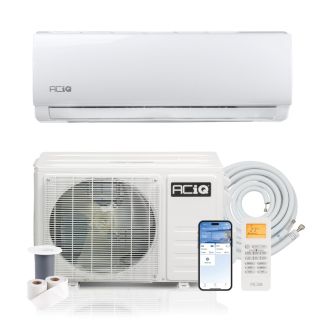
 SAVE $304.22
 12,000 BTU ACIQ Essentials 17 SEER2 Single Zone Wall Mount Mini Split Heat Pump System w/ 16 Ft. Line Set - R32 | 230VModel: ACIQ-KE12Z-HP230B / ACIQ-KE12W-W-HP230BWas $869.21Special Price $564.99
 -
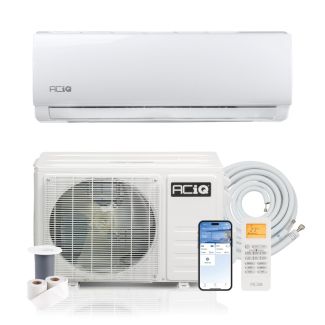 SAVE $312.3012,000 BTU ACIQ Essentials 17 SEER2 Single Zone Wall Mount Mini Split Heat Pump System w/ 16 Ft. Line Set - R32 | 115VModel: ACIQ-KE12Z-HP115B / ACIQ-KE12W-W-HP115BWas $892.29Special Price $579.99
 -
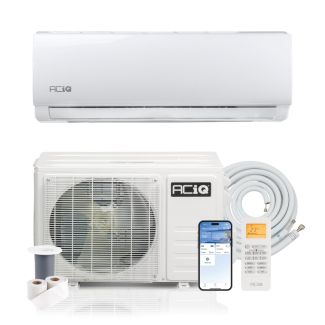 SAVE -$299.999,000 BTU ACiQ Essentials 20 SEER2 Single Zone Wall Mount Mini Split Heat Pump System w/16 Ft. Line Set - R32 | 115VModel: ACIQ-K09Z-32-HP115B / ACIQ-K09W-W-32-HP115BSpecial Price $649.99
 -
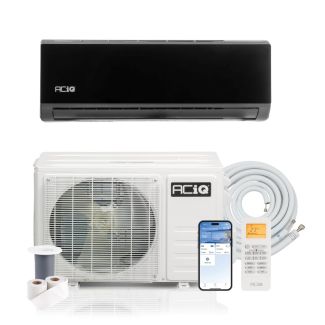 SAVE $358.619,000 BTU ACiQ Essentials 20 SEER2 Single Zone Wall Mount Mini Split Heat Pump System w/16 Ft. Line Set - R32 | 115VModel: ACIQ-K09Z-32-HP115B / ACIQ-K09W-BL-32-HP115BWas $1,024.60Special Price $665.99
 - SAVE $358.619,000 BTU ACiQ Essentials 19 SEER2 Single Zone Wall Mount Mini Split Heat Pump System w/ 16 Ft. Line Set - R454B | 115VModel: ACIQ-K09Z-HP115B / ACIQ-K09W-BL-HP115BWas $1,024.60Special Price $665.99
-
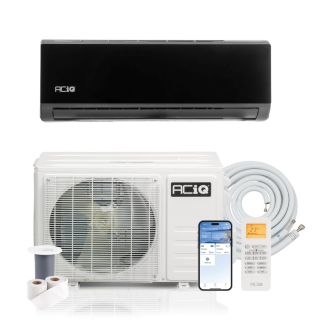 SAVE $382.309,000 BTU ACiQ Essentials 21 SEER2 Single Zone Wall Mount Mini Split Heat Pump System w/16 Ft. Line Set - R32 | 230VModel: ACIQ-K09Z-32-HP230B / ACIQ-K09W-BL-32-HP230BWas $1,092.29Special Price $709.99
 - SAVE $382.309,000 BTU ACiQ Essentials 20 SEER2 Single Zone Wall Mount Mini Split Heat Pump System w/ 16 Ft. Line Set - R454B | 230VModel: ACIQ-K09Z-HP230B / ACIQ-K09W-BL-HP230BWas $1,092.29Special Price $709.99
-
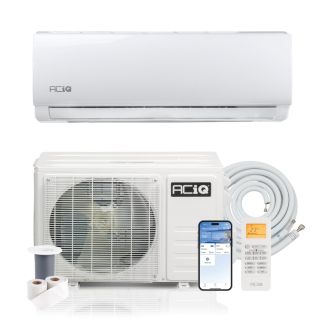 SAVE $403.8412,000 BTU ACiQ Essentials 20 SEER2 Single Zone Wall Mount Mini Split Heat Pump System w/16 Ft. Line Set - R32 | 115VModel: ACIQ-K12Z-32-HP115B / ACIQ-K12W-W-32-HP115BWas $1,153.83Special Price $749.99
 -
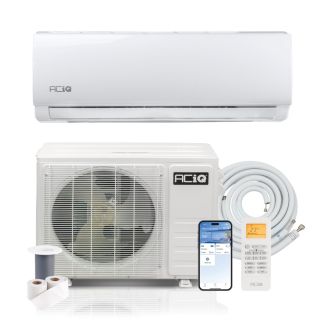 SAVE $403.8418,000 BTU ACIQ Essentials 17 SEER2 Single Zone Wall Mount Mini Split Heat Pump System w/16 Ft. Line Set - R32 | 230VModel: ACIQ-KE18Z-HP230B / ACIQ-KE18W-W-HP230BWas $1,153.83Special Price $749.99
 -
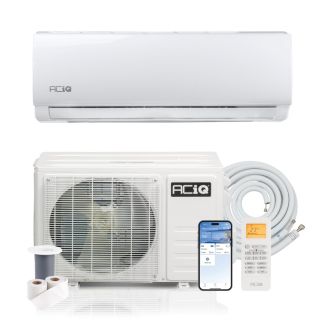 SAVE $376.919,000 BTU ACiQ Essentials 21 SEER2 Single Zone Wall Mount Mini Split Heat Pump System w/16 Ft. Line Set - R32 | 230VModel: ACIQ-K09Z-32-HP230B / ACIQ-K09W-W-32-HP230BWas $1,076.90Special Price $759.99
 - SAVE $425.3712,000 BTU ACiQ Essentials 20 SEER2 Single Zone Wall Mount Mini Split Heat Pump System w/16 Ft. Line Set - R32 | 230VModel: ACIQ-K12Z-32-HP230B / ACIQ-K12W-W-32-HP230BWas $1,215.36Special Price $789.99
-
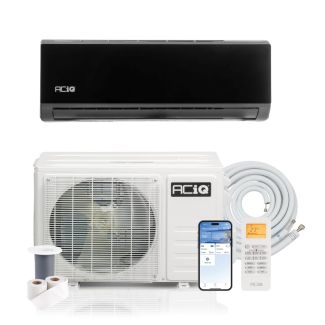 SAVE $430.7612,000 BTU ACiQ Essentials 20 SEER2 Single Zone Wall Mount Mini Split Heat Pump System w/16 Ft. Line Set - R32 | 230VModel: ACIQ-K12Z-32-HP230B / ACIQ-K12W-BL-32-HP230BWas $1,230.75Special Price $799.99
 -
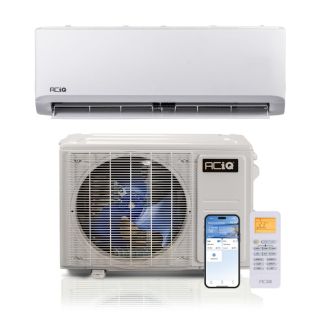
 SAVE $489.999,000 BTU ACiQ 21.5 SEER2 Single Zone Wall Mount Mini Split Heat Pump System - R454B | 115VModel: ACIQ-09Z-HP115C / ACIQ-09W-HP115CWas $1,399.98Special Price $909.99
 -
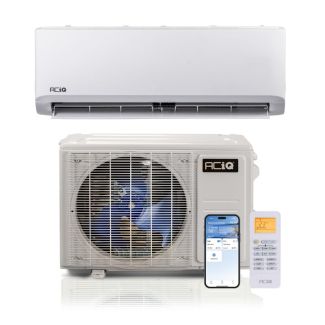 SAVE $500.769,000 BTU ACiQ 21.2 SEER2 Single Zone Wall Mount Mini Split Heat Pump System - R454B | 230VModel: ACIQ-09Z-HP230C / ACIQ-09W-HP230CWas $1,430.75Special Price $929.99
 - SAVE $506.1418,000 BTU ACiQ Essentials 20 SEER2 Single Zone Wall Mount Mini Split Heat Pump System w/16 Ft. Line Set - R32 | 230VModel: ACIQ-K18Z-32-HP230B / ACIQ-K18W-W-32-HP230BWas $1,446.13Special Price $939.99
-
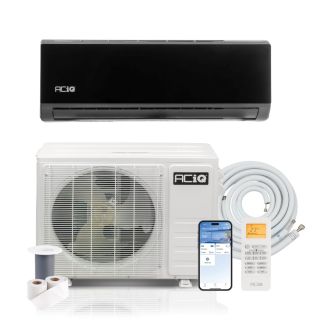 SAVE $511.5318,000 BTU ACiQ Essentials 20 SEER2 Single Zone Wall Mount Mini Split Heat Pump System w/16 Ft. Line Set - R32 | 230VModel: ACIQ-K18Z-32-HP230B / ACIQ-K18W-BL-32-HP230BWas $1,461.52Special Price $949.99
 -
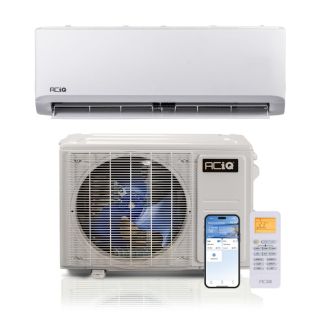 SAVE $516.919,000 BTU ACiQ Standard 24.5 SEER2 Single Zone Wall Mount Mini Split Heat Pump System - R454B | 115VModel: ACIQ-09ZS-HP115C / ACIQ-09WS-HP115CWas $1,476.90Special Price $959.99
 -
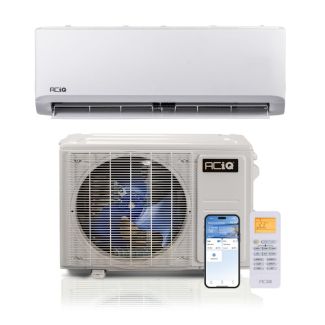 SAVE $527.689,000 BTU ACiQ Standard 24.6 SEER2 Single Zone Wall Mount Mini Split Heat Pump System - R454B | 230VModel: ACIQ-09ZS-HP230C / ACIQ-09WS-HP230CWas $1,507.67Special Price $979.99
 -
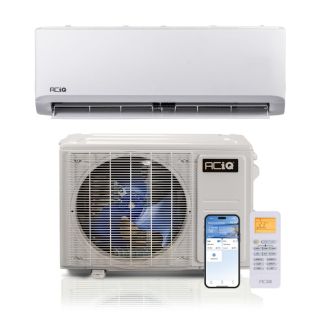 SAVE $543.8412,000 BTU ACiQ Standard 23.2 SEER2 Single Zone Wall Mount Mini Split Heat Pump System - R454B | 115VModel: ACIQ-12ZS-HP115C / ACIQ-12WS-HP115CWas $1,553.83Special Price $1,009.99
 -
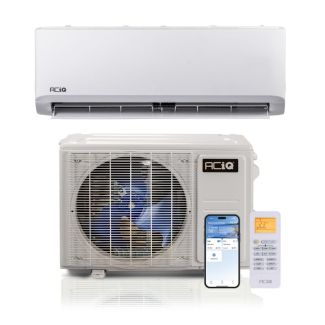 SAVE $554.6112,000 BTU ACiQ Standard 23.1 SEER2 Single Zone Wall Mount Mini Split Heat Pump System - R454B | 230VModel: ACIQ-12ZS-HP230C / ACIQ-12WS-HP230CWas $1,584.60Special Price $1,029.99
 -
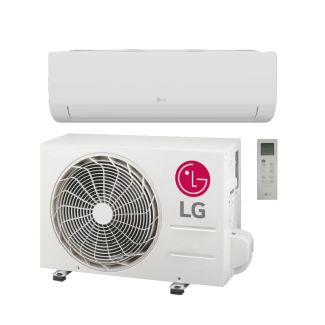 LG 9,000 BTU Standard 18 SEER2 Single Zone Wall Mount Mini Split Heat Pump System – R32 | 230VModel: KUSAE091A / KNSAE091AWas $1,304.39Special Price $1,086.99
 -
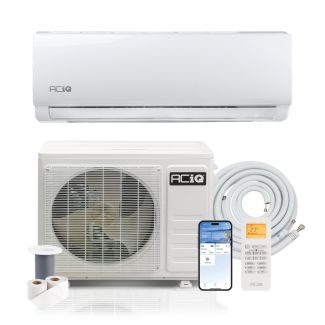 SAVE $592.3024,000 BTU ACIQ Essentials 17 SEER2 Single Zone Wall Mount Mini Split Heat Pump System w/16' Line Set - R32 | 230VModel: ACIQ-KE24Z-HP230B / ACIQ-KE24W-W-HP230BWas $1,692.29Special Price $1,099.99
 -
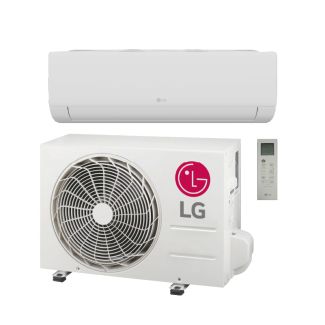 LG 12,000 BTU Standard 18 SEER2 Single Zone Wall Mount Mini Split Heat Pump System – R32 | 230VModel: KUSAE121A / KNSAE121AWas $1,380.21Special Price $1,150.18
 -
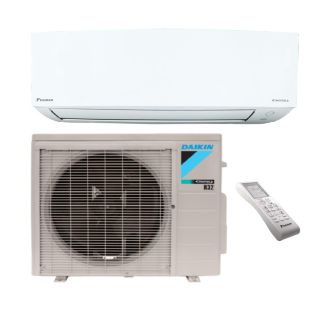 Daikin 9,000 BTU Entra 18 SEER2 Single Zone Wall Mount Mini Split Heat Pump System - R32 | 230VModel: RXC09AXVJU / FTXC09AXVJUWas $1,419.60Special Price $1,183.00
Single zone mini split air conditioner systems
Single zone mini split AC systems are ductless air units designed to provide heating and cooling solutions for one individual space or room. These systems consist of an outdoor condenser unit and an indoor air handler unit, or head, which delivers hot or cold air to the room.
Most single zone systems function as heat pumps for year-round heating and cooling use, though cooling-only models are available for consistently warm climates that are above 60°F year-round and require no supplemental heating.
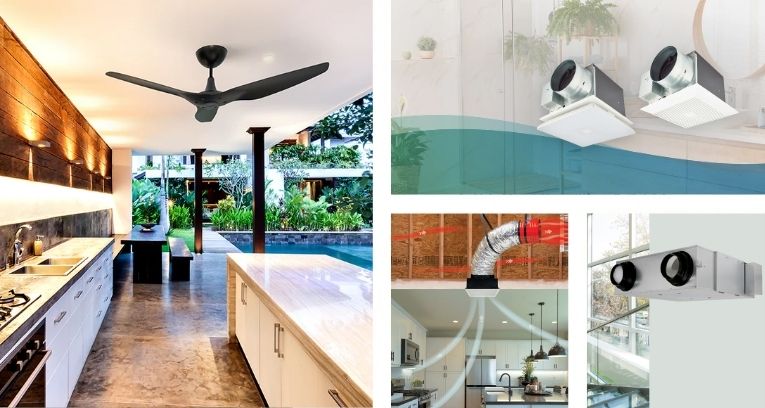
Browse Products By Our Top Brands

What spaces are ideal for single zone mini split systems?
These systems are effective, energy-efficient heating and cooling solutions for small to medium-sized rooms, usually 250 to 1,000+ square feet with 8-to-10-foot ceilings, and perform best in spaces with proper insulation for optimal performance.
-
Detached Garages and Workshops: Garages and workspaces are typically not connected to your home’s main heating and cooling system, making these systems the most practical option for adding heating and cooling without the cost or complexity of installing ductwork.
-
Bonus Rooms and Sunrooms: Adding onto homes can increase the thermal load on an existing ducted system, reducing its overall cooling performance, so single zone mini splits are a strong choice for bonus rooms and sunrooms.
-
Master Bedrooms: A single zone system allows adjustment to the temperature of one space without affecting the other areas of the home, which is ideal for master bedrooms that may need different sleeping temperatures for comfort.
-
Server Rooms and Home Data Centers: Single zone mini splits are great for targeted cooling in server and data rooms, where constant heat can overwhelm ducted central cooling systems.
In each of these scenarios, the key advantage of a single zone mini split is its ability to condition a specific space independently, without affecting your home's existing heating and cooling system. Spaces exceeding 1,000 square feet can otherwise experience inadequate temperature control and single zone system strain.
Can I install a single zone mini split?
Yes, homeowners can install DIY-specific single zone mini splits from brands like MRCOOL and Stealth, but the majority of units on the market are designed for professional installation and require licensed HVAC oversight for warranty coverage. Homeowners can conduct DIY installations of DIY-specific single zone units, provided the home installers have the time available to do so.
-
DIY Installation: Some mini split brands like Stealth and MRCOOL offer single zone systems with pre-assembled parts designed specifically for DIY installation, allowing homeowners to handle installation on their own flexible timelines. Attention to detail is especially important concerning local installation permits and system warranties.
-
Professional Installation: Mini split assembly and installation by a licensed installer, paired with a longer manufacturer’s warranty on the mini split itself, make professional installation a welcome option for many homeowners. Professional installation and labor typically add $800 to $1,200 to the total project cost, depending on system complexity and local rates.
Local permits typically cost $100 to $500 and are required for both DIY and professional installations; all electrical work must be completed by a licensed electrician to maintain warranty coverage and ensure code compliance.
How much do single zone mini split systems cost?
True average starting costs for single zone mini splits among top heating and cooling brands settle closer to $1,500, which include Mitsubishi, LG, Daikin, and ACiQ. Total project costs can rise due to professional installation and labor (if necessary) as well as ongoing maintenance and operation expenses as needed.
-
Equipment Cost: The quality of the brand, power or size, and efficiency ratings of single zone systems all add up to a one-time equipment cost of approximately $600 to $5,000+.
-
Installation and Labor Cost: Installation costs from dealers and contractors, which typically range from $800 to $1,200+, are usually limited to professional installation, plus any electrical costs for DIY.
-
Operation and Maintenance Cost: For cooling as well as heating, running a single zone mini split is a year-round activity with monthly utility and energy bills and annual unit cleaning. Total yearly operation and maintenance costs range from around $200 to $500+.
Additionally, local requirements concerning permits for installation (and electrical work, if necessary) can typically tack on fees of $100 to $500.
What indoor unit styles are available for single zone mini splits?
Single zone mini splits come in wall mount, floor mount, ceiling cassette, slim ceiling cassette (or slim duct), and concealed duct system styles. All are designed to accommodate a wide range of room layouts, needs, and preferences.
-
Wall Mount: The wall mounted variety of single zone systems is the most popular style of mini split indoor air handler. They hang high on a wall and provide strong airflow with minimal noise, making them perfect for bedrooms and offices.
-
Floor Mount: Known for cooling spaces evenly from the ground up, 1 zone floor mounted units are also popular for bedrooms and living areas. Most often, floor heads (also called low wall air handlers) are both mounted on and against the wall, but at heights that are closer to the ground.
-
Ceiling Cassette: Standard-sized single zone ceiling cassettes are square-shaped indoor handlers, which are also called 4-way ceiling cassettes. When mounted flush to the ceiling, they deliver multidirectional, high-volume airflow and maintain a clean, low-profile look.
-
Slim Ceiling Cassette: When recessed directly into a ceiling, a slim ceiling cassette handler provides discreet, low-profile air conditioning in a single zone setup. However, it is often needed to help preserve overhead space for drop ceilings or when the depth of a ceiling is low. It may also be identified as a slim duct, which has a thinner body stack than a standard ceiling cassette.
-
Concealed Duct: When installed behind walls or above ceilings, the concealed duct head is positioned out of sight and virtually invisible. Airflow from a single zone concealed duct system can disperse through small vents making new use of older HVAC.
Single zone systems with larger indoor heads, like the wall mount and floor mount sorts, tend to have simpler installations than slim and concealed system handlers, which often are intended for recession into ceilings.
What BTU sizes are available for single zone mini splits?
Single zone mini split air handlers typically range from 6,000 to 36,000 BTU for residential use, with commercial-grade units available up to 60,000 BTU for extra-large spaces or extreme climates. The BTU size of an indoor unit is based on the output needed to properly heat or cool a room. The larger the space, the higher the BTU capacity required. Getting the size right is important, since undersizing a room results in inadequate temperature control and near-continuous system operation, while oversizing a room costs more in equipment and energy bills.
-
6,000 to 9,000 BTU (150 to 400 sq. ft.): Great for small offices and bedrooms where room occupancy is consistent over long periods of time.
-
12,000 to 18,000 BTU (400 to 900 sq. ft.): Standard areas, medium-sized rooms, and living spaces that vary in room occupancy are well-aided by 1 zone systems.
-
24,000 to 27,000 BTU (900 to 1,300 sq. ft.): Airy, open areas that exceed single-space measurements, and garages that fluctuate in temperature during seasonal conditions are good pairings for single zone units.
-
30,000 to 36,000 BTU (1,300 to 2,000 sq. ft.): Commonly used for medium-sized bedrooms, living areas, offices, or bonus rooms.
-
42,000 to 48,000 BTU (2,000 to 2,600 sq. ft.): Great for larger homes with distinct zones, such as living rooms, garages, and basements.
-
55,000 to 60,000+ BTU (2,600 to 3,000+ sq. ft.): Used for extra-large homes, open floor plans, or spaces that have poor insulation, high ceilings, or extreme climates.
The most popular BTU mini split air handler sizes are 12K, 18K, and 24K systems by sales volume. 9K systems may be recommended for very small rooms, but customers tend to upgrade to 12K mini splits for more airflow volume.
What power requirements do single zone mini splits need?
Single zone mini splits are often equipped with voltage capacities of 115V and/or 230V, depending on wiring. 6K, 9K, and 12K BTU mini splits are usually seen with 115V to 230V. 18K, 24k, and 36K BTU units are often powered at 230V (sometimes 220V or 240V, depending on brand), but there are additional variables to be accounted for.
-
Dedicated Circuit: Single zone systems are sensitive to dramatic fluctuations in electricity from shared connections to power. A single power source, such as a dedicated circuit, helps prevent fluctuations that can be disruptive to mini splits.
-
Wire Size: A mini split’s ability to draw power for heating and cooling depends upon the copper wire size and connections from the system to the breaker’s circuit box. 230V units typically need 12 AWG or 10 AWG wire depending on distance from the breaker panel
-
Breaker Size: Copper wire connections with the appropriate breaker sizes prevent power overdraw in mini splits, which could be a fire hazard.
-
Disconnect Box: The ability to safely access, connect to, or disconnect power is controlled by the presence of a disconnect box for a mini split’s electrical system.
Meeting all four electrical requirements ensures that a mini split operates safely, efficiently, and without risk of power-related damage or premature failure. Concerning DIY installation, improper electrical hookup voids manufacturer warranties and creates fire hazards.
Note: Anything related to electrical, breaker boxes, and wiring must be handled by a licensed professional.
Why You Need an ACiQ Smart Toilet
ACiQ smart toilets combine modern design with advanced hygiene and comfort features to transform everyday bathroom routines. In this guide, we explore how smart toilets work, what premium features to look for, and why ACiQ models stand out for homeowners seeking luxury performance at an accessible...
Read more February 4, 2026
2025 Wood Burning Fireplaces Buying Guide: Types, Installation, and Best Brands for Your Home
Considering a wood burning fireplace? This quick guide compares radiant front, circulating, and EPA-approved high-efficiency models—how they heat, what they cost, and when each is the best choice. Learn key installation basics (clearances, chimney/venting, permits), sizing tips, and smart...
Read more September 24, 2025
Upgrade Your Old Central AC: Why a Central Zoned Mini Split Is the Perfect Replacement
Upgrading from an old central AC system? A central zoned mini split is the smart replacement that combines the familiar comfort of ducted air with the flexibility of ductless zones. With one powerful outdoor unit, you can heat and cool your main living areas plus add independent comfort to garages,...
Read more September 23, 2025
Top 3 Panasonic Energy Recovery Ventilator (ERV) Series of 2025
Looking for the best ERV for your home in 2025? Panasonic offers three top-rated series—BalancedHome™, Intelli-Balance®, and WhisperComfort®—each designed to improve indoor air quality while reducing energy costs. In this guide, we review features, applications, and real homeowner feedback so you...
Read more September 16, 2025

FAQs about single zone mini split systems
Yes, the vast majority of single zone mini splits are heat pumps that provide both heating and cooling efficiently year-round, with heating capacity down to -22°F for cold-climate models.
A single zone unit is designed to condition one primary area. It can extend airflow into adjacent open spaces with 10 to 15 feet such as a living room that opens into a dining area. Lower-BTU mini splits are best for small, enclosed spaces, while larger open-concept areas can be effectively cooled with properly-sized single zone systems. Using a single zone system to condition too many areas can lead to poor performance, higher energy bills, thousands of dollars in repair bills, and early system replacement.
The best single zone mini splits are ones that handle extreme climates with the most efficient performance. ACiQ’s Extreme Series Mini Split operates at high efficiency from subzero -22ºF to heat-stroke 122ºF. Other premium brands like Mitsubishi, Daikin, and LG also function at similar efficiencies with top-tier SEER and HSPF ratings.
The choice between a standard single zone system and a DIY single zone unit comes down to your installation method. DIY models cost more upfront in equipment but eliminate labor costs and fixed installation timelines, while standard units are less expensive to purchase but require pricier professional installation.
Yes, with the appropriate care and maintenance, single zone mini splits last a long time, often anywhere from 15 to 20 years. Some units are known to function for up to 25 years.
Single zone mini splits are manufactured to function quietly. For example, mini splits like the ACiQ Extreme 9,000 BTU Wall Mount Mini Split are usually as quiet as the hum inside of a library, which is 40 decibels (dBA). It can also measure much lower, as quiet as soft wind (19 dBA).
Yes, the vast majority of single zone mini splits are heat pumps. Though cooling-only mini splits exist, they are less common in the marketplace and usually found only in regions with warmer year-round climates.
Yes, a single zone unit can dehumidify as a byproduct of the cooling process, and many modern models include a dedicated 'dry mode' that reduces humidity without significantly altering room temperature.
No, homeowners do not need to add refrigerant to new mini splits. A licensed contractor or installer will add refrigerant to a standard mini split during a professional installation. The homeowner would not even add refrigerant during a DIY installation. DIY mini splits use pre-charged line sets that contain factory-sealed refrigerant, eliminating the need for homeowners to handle refrigerant at all.
No, homeowners do not need to vacuum a single zone mini split is required. Specifically, a single zone unit’s lines are vacuumed to remove air and moisture in a professional installation by a professional. In DIY installations, the line sets for DIY mini splits are pre-charged with refrigerant during factory assembly, eliminating the step for DIY installers. An unvacuumed mini split can experience compressor failure due to moisture contamination, requiring a compressor replacement or full system replacement.