Your cookie preferences
We use cookies to remember your preferences and understand how shoppers use our site, helping us improve your shopping experience.
Read our privacy policy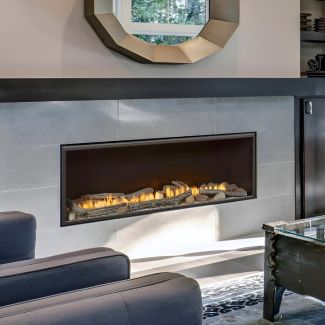

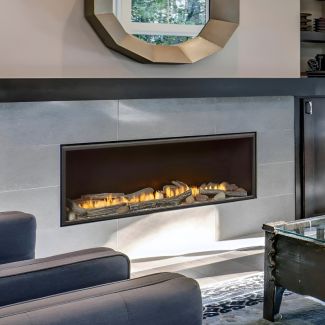

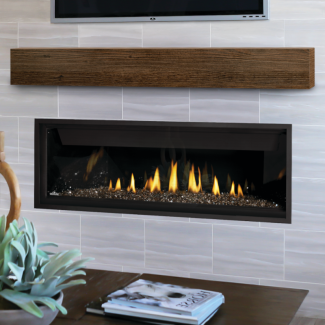


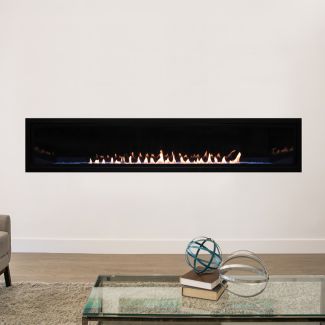
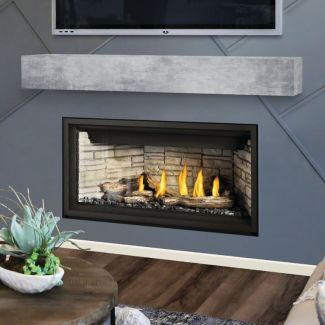


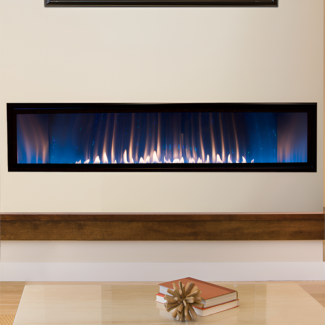
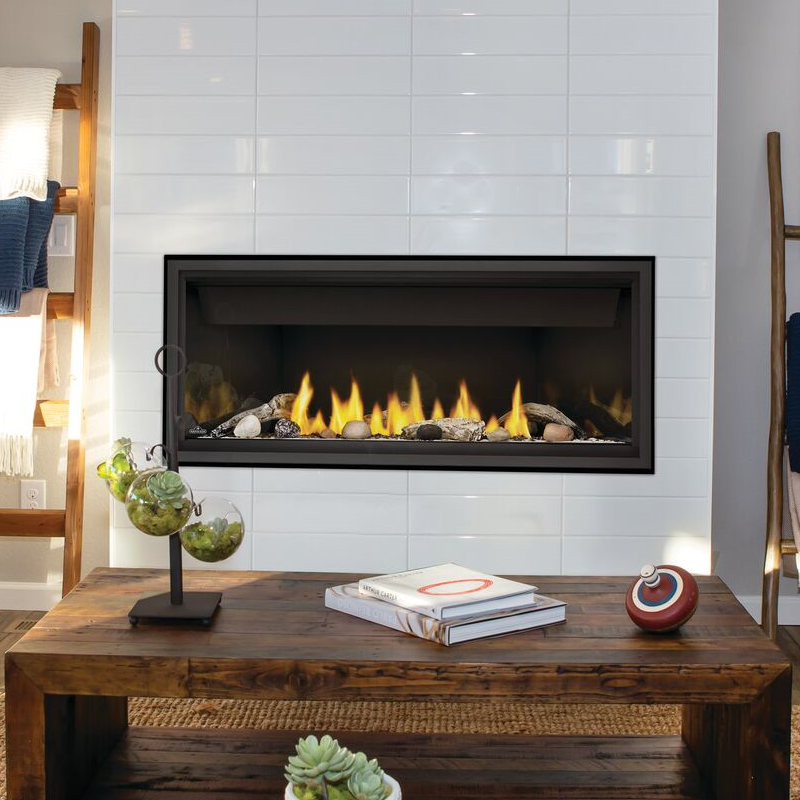
A linear gas fireplace is a modern gas-burning fireplace characterized by its wide, horizontal firebox and elongated flame presentation. Unlike traditional fireplaces that typically have a taller, more square viewing area, linear fireplaces emphasize contemporary design with sleek lines, expansive glass fronts, and decorative media such as glass beads, stones, or driftwood logs.
Linear gas fireplaces operate by burning natural gas or propane within a sealed firebox. Direct vent models draw combustion air from outdoors and exhaust combustion gases outside through a dedicated vent system, while ventless models operate without external venting and return heat directly into the room.
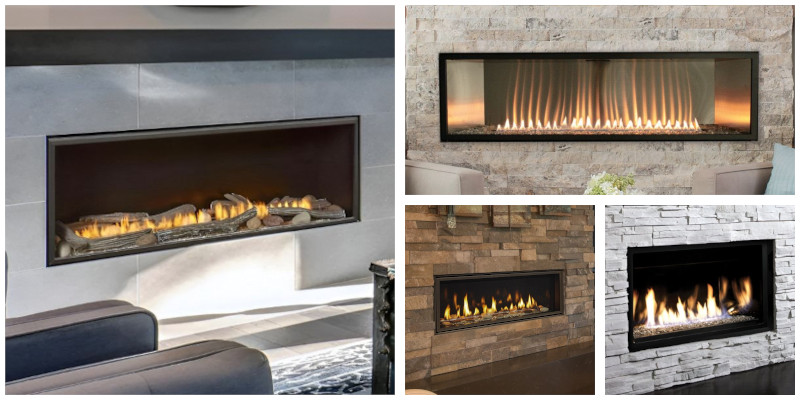



A linear gas fireplace is a modern gas-burning fireplace characterized by its wide, horizontal firebox and elongated flame presentation. Unlike traditional fireplaces that typically have a taller, more square viewing area, linear fireplaces emphasize contemporary design with sleek lines, expansive glass fronts, and decorative media such as glass beads, stones, or driftwood logs.
Linear gas fireplaces operate by burning natural gas or propane within a sealed firebox. Direct vent models draw combustion air from outdoors and exhaust combustion gases outside through a dedicated vent system, while ventless models operate without external venting and return heat directly into the room.
Linear gas fireplaces offer practical heating benefits while also serving as a significant design element within the home. The following advantages explain why they continue to be one of the fastest-growing fireplace categories.
Supplemental Heating: Linear gas fireplaces provide an additional heat source that can reduce reliance on a central HVAC system during cooler weather. Many models produce substantial heat output while operating independently of the home's primary heating equipment, helping improve comfort in frequently occupied rooms.
Zoned Heating: Zoned heating allows homeowners to warm the specific areas they use most often instead of heating the entire house. A linear fireplace installed in a living area, great room, or basement can create comfortable temperatures where occupants spend the most time while potentially reducing whole-home heating demand. You can easily turn them on and off as needed.
Efficient Heating: Gas fireplaces convert fuel into usable heat more efficiently than many traditional wood-burning fireplaces, with ventless models operating at 99.9% efficiency. Because they do not lose significant amounts of heat up a chimney, many linear gas fireplaces deliver a larger percentage of generated warmth directly into the living space.
Sealed Combustion (Direct Vent Models): Direct vent linear fireplaces use a sealed combustion system that draws combustion air from outside rather than from inside the home. Unlike ventless fireplaces, which use indoor air for combustion and release heat, moisture, and combustion byproducts back into the room, direct vent models keep the combustion process separate from the living space. This design can help maintain indoor air quality, limit added humidity, reduce drafts caused by using conditioned room air for combustion, and provide consistent fireplace performance.
Improved Indoor Air Quality (Direct Vent Models): Since direct vent models bring combustion air from outdoors and vent exhaust gases outside, they minimize interaction with indoor air. This sealed design provides cleaner operation and can help support healthier indoor environments when properly installed. Ventless models, by comparison, use indoor air for combustion and release combustion byproducts and added moisture back into the room, so proper sizing, ventilation, and compliance with local codes are especially important.
Realistic Flames, Ambiance, and Visual Impact: Linear fireplaces create an impressive visual statement through expansive glass viewing areas and long flame patterns. With features like colored fireglass and LED lighting, they can serve as the focal point of a room while delivering the warmth, comfort, and ambiance homeowners expect from a fireplace without the maintenance associated with burning wood.
The best benefit for you depends on how the fireplace will be used with some homeowners prioritizing supplemental heating, while others focus primarily on aesthetics and ambiance. In either case, proper sizing, venting, and installation play major roles in maximizing long-term performance and satisfaction.
Linear gas fireplaces are versatile enough to be installed in many different residential applications, including living and family rooms, basements, and as room dividers. Their slim profiles and modern styling allow them to complement a wide range of architectural designs and room layouts, including the following:
Living Rooms: Living rooms remain the most common location for linear fireplaces because they naturally serve as gathering spaces. The wide viewing area creates an attractive focal point while supplying supplemental heat where families and guests spend much of their time.
Family Rooms: Family rooms benefit from both the comfort and entertainment value of a linear fireplace. Many homeowners install fireplaces beneath entertainment systems to create a warm, inviting environment for movie nights, sporting events, and everyday relaxation.
Basements: Finished basements often feel cooler than upper living areas, making them excellent candidates for supplemental heating. A linear gas fireplace can make a basement more comfortable while adding visual warmth to a space that might otherwise feel dark or utilitarian.
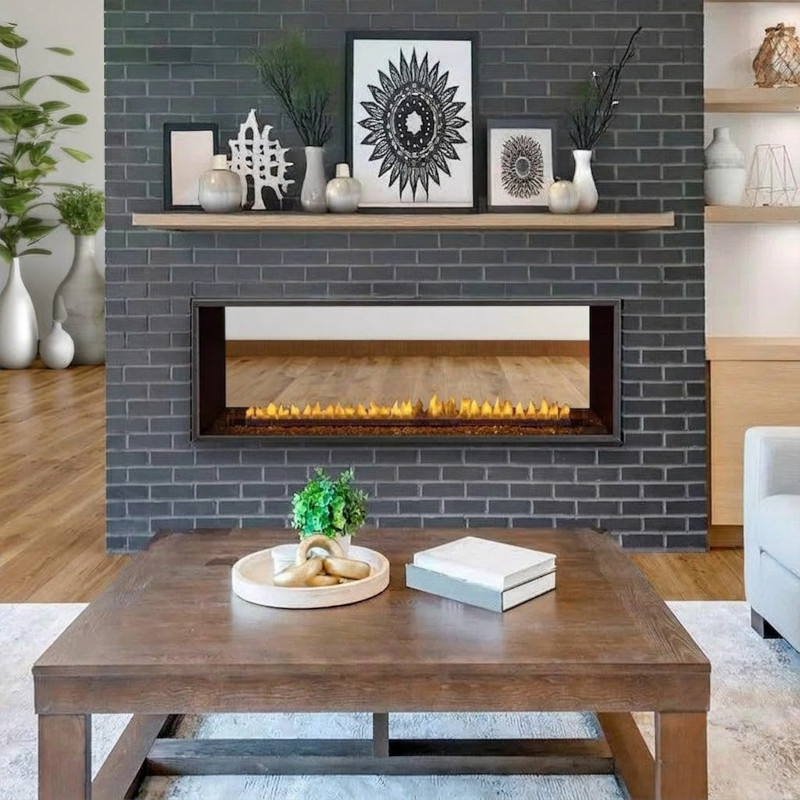
Room Dividers (See-Through Fireplaces): See-through linear fireplaces allow homeowners to enjoy flames from two rooms simultaneously. Models such as see-through offerings from Napoleon, Majestic, and Empire can serve as architectural room dividers while preserving an open floor plan.
Apartments and Condominiums: Many apartments and condominiums can accommodate linear gas fireplaces depending on local building codes and venting options. Direct vent linear fireplaces use a sealed glass front, drawing outside air for combustion and expelling exhaust outdoors, making them safer for shared-building indoor air but harder to route in multi-family complexes. Ventless units burn at near 100% efficiency and release heat and byproducts directly into the room, offering flexible placement but facing strict municipal bans or oxygen-depletion restrictions, so check your lease or HOA restrictions before installation.
Additions and Remodels: Linear fireplaces are particularly popular during renovations because they can dramatically update a home's appearance. Their contemporary styling often integrates seamlessly into new additions, accent walls, media centers, and custom built-ins.
While these spaces are among the most common installation locations, final placement should consider vent routing, gas supply availability, wall construction, room size, and local codes. Well-planned installation helps ensure optimal comfort, safety, and visual impact.
Selecting the right linear gas fireplace involves more than choosing a size or style with several technical considerations including venting requirements, blower fans, fuel types, and heating output. These directly affect performance, installation requirements, and long-term ownership costs.
Venting Requirements: Direct vent fireplaces require vent pipes that safely exhaust combustion gases outdoors while supplying fresh combustion air. Ventless models do not require external venting, but local regulations may limit where they can be installed.
Thermostat Controls and Remotes: Many modern fireplaces include programmable remotes, wall controls, or thermostat functionality. These controls help maintain consistent temperatures while improving convenience and potentially reducing manual adjustments.
Gas Type: Most linear fireplaces are available for either natural gas or liquid propane operation. Homeowners should verify the fuel type available at their property and confirm compatibility before purchasing.
Blower Fan Options: Some models include blower fans or offer them as optional accessories. Blowers help distribute warm air more evenly throughout the room, potentially improving heating effectiveness and comfort.
BTU Output and Heating Capacity: Heating performance varies significantly by model, but generally ranges from 17,500 BTUs to 50,000 BTUs. Larger fireplaces generally offer higher BTU ratings and can warm larger spaces, while smaller models may be better suited for supplemental heating in modest-sized rooms.
Venting Configuration: Vent systems may run horizontally through exterior walls or vertically through roofs, depending on the home layout. Vent routing affects installation complexity, material costs, and overall project planning.
Gas Line Requirements: Every fireplace requires adequate gas supply to operate safely and efficiently. Existing gas infrastructure may be sufficient, but some installations require larger lines or additional gas piping.
Fireplace Dimensions: HVACDirect.com currently offers linear gas fireplaces ranging from approximately 30 inches to 74 inches in width, providing options for everything from compact rooms to large statement walls.
Required Clearances: Manufacturers specify minimum clearances to combustible materials surrounding the fireplace. These requirements vary by model and are essential for safe installation and code compliance.
Taking time to evaluate these factors before purchasing can prevent unexpected expenses and installation delays. Homeowners should always review manufacturer specifications and local building codes before finalizing their project.
HVACDirect.com carries several respected fireplace manufacturers, each offering unique strengths, styling options, and feature sets, including top names such as Buck Stove, Napoleon, and Kingsman. The best choice depends on budget, installation requirements, desired appearance, and heating goals.
Buck Stove: Buck Stove is well known for manufacturing reliable American-made hearth products. The company offers ventless linear fireplaces, including popular 48-inch models featuring thermostat remote controls and decorative fire glass.
Empire: Empire offers one of the broadest selections of linear gas fireplaces available. Its Boulevard series includes ventless, direct vent, and see-through configurations in sizes ranging from approximately 30 inches to 72 inches, giving homeowners extensive design flexibility.
Napoleon: Napoleon is one of the industry's premier linear fireplace manufacturers. Popular product lines include the Ascent Linear, Ascent Linear Premium, Vector, and Tall Vector series, with available widths from roughly 36 inches to 74 inches and premium see-through configurations.
Kingsman: Kingsman specializes in high-quality direct vent fireplaces focused on performance and durability. Popular linear offerings include 36-inch and 47-inch direct vent models designed for residential installations requiring efficient sealed-combustion operation.
Majestic: Majestic's linear fireplace lineup includes the Jade and Echelon II series. Available in both standard and see-through configurations, these fireplaces are known for modern styling, advanced controls, and premium installation options.
Superior Fireplace: Superior's DRL4000 series is designed for homeowners seeking large-format direct vent fireplaces. Available in sizes up to 72 inches, including see-through models, these fireplaces deliver a dramatic visual presence suited for luxury residential applications.
Budget-conscious buyers may gravitate toward Buck Stove or Empire, while homeowners seeking premium design statements often consider Napoleon, Majestic, or Superior. Installation configuration, fuel type, and desired aesthetics should guide the final decision.
The cost of a linear gas fireplace starts around $2,700 for the equipment alone, and installation, accessories, venting, and operating costs can all contribute to the total project cost. The average total is usually somewhere between $3,000 and $10,000.
Fireplace Unit Cost: $2,700 to $12,000+, depending on brand, size, configuration, and included features. Entry-level models typically include smaller direct vent or ventless units, while large premium see-through fireplaces command substantially higher prices.
Accessory and Venting Costs: Additional materials frequently include vent pipe, decorative surrounds, media kits, blowers, termination caps, wall controls, and framing materials. Depending on the installation, these accessories can add several hundred to several thousand dollars to the overall project cost.
Installation Costs: $1,000 to $3,000, with professional installation typically representing a significant portion of the total investment. Complexity increases when gas lines must be extended, vent systems routed through multiple building components, or custom framing and finish work are required.
Operating and Maintenance Costs: $40 to $180 a month for daily operation, though expenses are generally tied to local natural gas or propane prices and how frequently the fireplace is used. Annual inspections, occasional component replacement, and glass cleaning are the most common maintenance expenses over the life of the appliance and usually cost $75 to $250.
Homeowners should remember that installed costs vary substantially based on location, venting complexity, fuel availability, and finish work. Obtaining detailed estimates from qualified installers is the best way to establish an accurate project budget.
Purchasing a fireplace online requires confidence in both the product and the retailer. HVACDirect.com provides several advantages that simplify the selection and buying process.
Technical Support: HVACDirect.com offers knowledgeable technical support to help customers understand specifications, venting requirements, and product compatibility. This guidance can be particularly valuable when comparing multiple fireplace configurations.
Excellent Customer Service: Fireplace purchases often involve numerous options and accessories. Responsive customer service helps homeowners navigate those choices and select products appropriate for their specific application.
Fast Lead Times: Product availability and shipping speed are important considerations for remodels and new construction projects. HVACDirect.com works to provide prompt fulfillment that helps keep projects on schedule.
Free Shipping: Many fireplace products qualify for free shipping, helping customers reduce overall project costs. Shipping savings can be especially valuable when purchasing large fireplaces and related accessories.
110% Price Guarantee: HVACDirect.com's price guarantee helps customers feel confident they are receiving a competitive value. Price protection can be particularly beneficial when comparing premium fireplace models across multiple retailers.
Homeowner and Contractor Focused: Both homeowners and professional contractors can shop online at HVACDirect.com. The company's product selection, technical resources, and accessory offerings help simplify project planning and purchasing.
Together, these advantages create a streamlined buying experience supported by broad product selection, competitive pricing, and technical expertise. For homeowners researching linear gas fireplaces online, these resources can make the planning process more efficient and less stressful.

Most high-quality linear gas fireplaces can last 15 to 25 years or longer when properly maintained. Lifespan depends on usage frequency, installation quality, fuel type, and adherence to manufacturer maintenance recommendations. Annual inspections and prompt replacement of worn components can significantly extend service life. Premium units from leading manufacturers often provide many years of reliable operation.
Yes, many modern linear gas fireplaces are highly efficient compared to traditional wood-burning fireplaces, with some models having 99.9% efficiency ratings. Direct vent models are especially effective because they use sealed combustion systems that reduce heat loss and improve heating performance. Efficiency varies by manufacturer and model, but properly installed units can provide substantial supplemental heat while consuming relatively modest amounts of fuel. Homeowners should review individual product specifications when comparing efficiency levels.
Many modern fireplaces use electricity to power electronic ignition systems, fans, lighting, and control features. However, electricity consumption is generally minimal compared to large household appliances. Some models can continue producing flames without a blower fan, while others depend on electrical components for normal operation. Systems usually have a battery backup that will run the fireplace for days using AA batteries. Always review manufacturer documentation for specific requirements.
The answer depends on the fireplace design with certain standing-pilot models continuing to operate during an outage, while most electronic ignition systems typically require electricity unless equipped with battery backup functionality. Some fireplaces include emergency battery systems designed specifically for power-loss situations. Homeowners should verify outage capabilities before purchase if backup heating is a priority.
Many linear fireplaces can be installed beneath televisions, but required clearances vary by manufacturer and model. Heat management, mantel design, and wall construction all influence whether a TV installation is appropriate. Some fireplace systems include heat-management technologies that reduce temperatures around electronics. Always follow manufacturer specifications regarding television placement.
Yes, recessed installation is one of the most popular applications for linear gas fireplaces. Their shallow profiles and modern appearance make them ideal for flush-wall installations that create a clean, built-in aesthetic. Recessed installations typically require framing, finishing materials, and sufficient depth to accommodate the fireplace and venting system. Professional planning helps ensure proper clearances and code compliance.
Yes, corner installations are possible in many situations. Depending on the model, homeowners may use traditional corner framing, angled layouts, or custom wall configurations. Vent routing and clearances often influence whether a particular corner location is practical. Reviewing installation specifications early in the design process helps avoid complications.
Most linear gas fireplaces are designed primarily for supplemental or zone heating rather than whole-house heating. While some larger units produce substantial BTU output, they generally heat individual rooms or specific areas most effectively. Central HVAC systems remain the preferred solution for evenly conditioning an entire home. Linear fireplaces work best when paired with a properly sized primary heating system.
Gas consumption varies based on BTU rating, flame settings, burner design, and operating duration, usually ranging from 20,000 to 70,000 BTUs per hour. Larger fireplaces naturally consume more fuel than smaller units when operating at maximum output. Most homeowners find usage costs reasonable because fireplaces are typically operated intermittently rather than continuously. Local fuel prices ultimately determine operating expenses.
No, modern linear gas fireplaces generally do not require a traditional masonry chimney. Direct vent models use specialized venting systems that exhaust combustion gases through an exterior wall or roof. Ventless models do not require external venting where permitted by local codes. This flexibility simplifies installation in many modern homes.
Most manufacturers recommend annual professional inspection and servicing. During maintenance, technicians typically inspect burners, ignition components, venting systems, gas connections, and safety controls. Routine service helps maintain efficient operation and may identify minor issues before they become major repairs. Regular cleaning also helps preserve the appearance of glass and decorative media.
Glass surfaces on operating fireplaces can become extremely hot, often between 400 °F to over 1,000 °F, and should always be treated as burn hazards. Surface temperatures vary by model, operating conditions, and safety-screen design. Manufacturers are required to include protective screens or barriers to help reduce accidental contact. Households with children or pets should pay particular attention to safety features when selecting a fireplace.



