Your cookie preferences
We use cookies to remember your preferences and understand how shoppers use our site, helping us improve your shopping experience.
Read our privacy policy


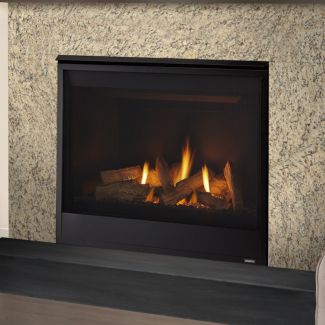

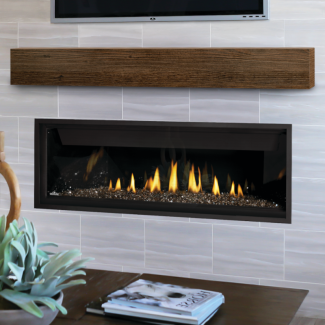


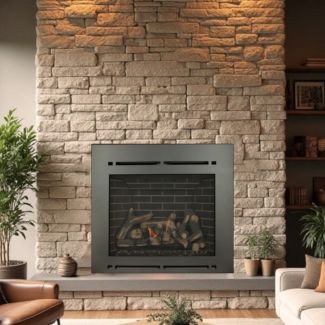

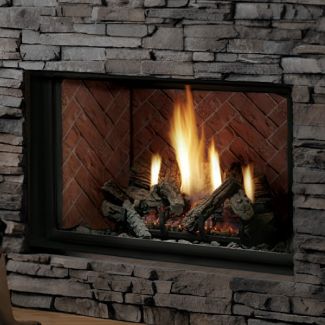

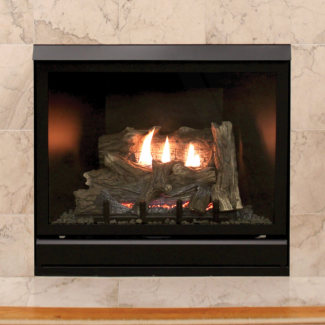
A direct vent gas fireplace is a sealed combustion heating appliance that burns natural gas or propane while drawing combustion air from outside the home. It is designed to provide efficient heat and realistic flames without using indoor air for combustion.
These fireplaces work through a sealed firebox and a dual-pipe venting system. One pipe brings fresh outdoor air into the fireplace for combustion, while the other pipe exhausts combustion gases outside, helping maintain indoor air quality and heating efficiency.
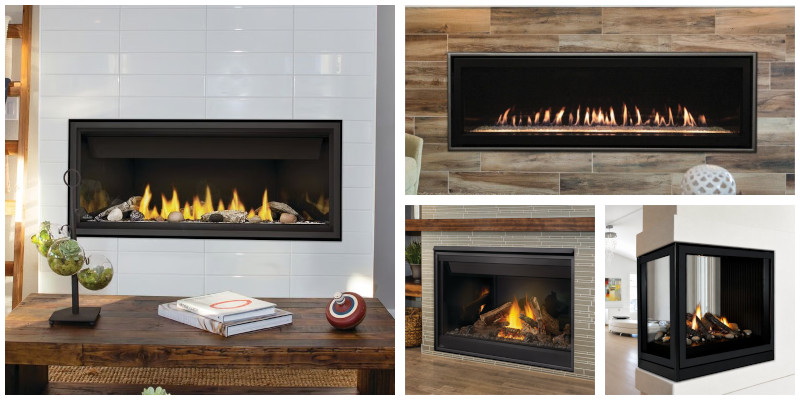


A direct vent gas fireplace is a sealed combustion heating appliance that burns natural gas or propane while drawing combustion air from outside the home. It is designed to provide efficient heat and realistic flames without using indoor air for combustion.
These fireplaces work through a sealed firebox and a dual-pipe venting system. One pipe brings fresh outdoor air into the fireplace for combustion, while the other pipe exhausts combustion gases outside, helping maintain indoor air quality and heating efficiency.
Direct vent gas fireplaces provide several major benefits that improve heating efficiency, installation flexibility, and indoor air quality. Their sealed design makes them suitable for modern homes where efficient heating and clean indoor air quality are priorities.
Efficient Heating: Direct vent gas fireplaces are highly efficient heating appliances that deliver steady heat to living spaces. Their sealed combustion design helps reduce energy loss while providing dependable warmth.
Sealed Combustion: These fireplaces use a sealed combustion chamber that separates the fire from indoor living areas. Combustion air is drawn from outdoors and exhaust gases are vented outside, helping maintain indoor air quality, reduce drafts, and prevent heated room air from being used for combustion.
Improved Indoor Air: Direct vent technology helps maintain indoor air quality because the fireplace does not rely on indoor air for combustion. This design minimizes the impact on conditioned household air.
Flexible Installation: Direct vent fireplaces can be installed in many locations by venting through an exterior wall or roof. They are available in traditional, linear, and multi-sided configurations to suit different room layouts.
Consistent Warmth: These units provide controlled and reliable heat output throughout operation. Many models are available in multiple BTU capacities to match a variety of room sizes.
Realistic Flames: Modern direct vent gas fireplaces create realistic flame presentations without the maintenance associated with burning wood. They are offered in numerous styles that enhance both traditional and contemporary spaces.
Fireplaces of this kind are especially well suited for modern, well-insulated homes. Choosing the right size, style, and BTU output helps maximize both comfort and performance.
Direct vent gas fireplaces serve five primary purposes, which include supplemental and primary heating, zoned heating, fireplace replacement, ambiance creation, and home value enhancement. Their sealed combustion design makes them suitable for both everyday heating and long-term home enhancement.
Supplemental and Primary Heating: Direct vent gas fireplaces can provide supplemental heat for individual rooms and may serve as a primary heat source in appropriately sized spaces. They are available in multiple BTU capacities to match different heating demands.
Zoned Heating: These fireplaces allow homeowners to heat specific occupied areas without relying solely on a central HVAC system. It can improve comfort in frequently used rooms while reducing the need to heat unused spaces.
Fireplace Replacement: Direct vent gas fireplaces are commonly used to replace aging wood-burning fireplaces or outdated gas units. They provide updated performance, modern features, and improved efficiency compared to many older systems.
Ambiance/Atmosphere: Direct vent gas fireplaces create realistic flames and a warm focal point without the ash, smoke, or wood handling associated with traditional fireplaces. They help add comfort and visual appeal throughout the year.
Increase Home Value: A direct vent gas fireplace can enhance the appearance and functionality of a home. HVACDirect.com notes that fireplaces are often viewed as desirable features that can increase buyer interest and perceived value.
The best use case depends on room size, heating goals, and installation location. Proper fireplace sizing and venting design help maximize both comfort and long-term performance.
These kinds of fireplaces are ideal for five residential space types: living rooms, bedrooms, basements, family rooms, and home additions. Their ability to vent through an exterior wall or roof allows them to fit areas that may not accommodate a traditional chimney.
Living Rooms: Living rooms are the most popular location for direct vent gas fireplaces. They provide supplemental warmth while serving as a central visual feature for everyday gatherings.
Bedrooms: Many direct vent gas fireplaces are approved for bedroom installations when local codes and manufacturer requirements are followed. Their sealed combustion design helps maintain indoor comfort while providing a cozy atmosphere.
Basements: Direct vent gas fireplaces can help make finished basements more comfortable throughout the year. They provide reliable heat in spaces that are often cooler than the main living area.
Family Rooms: Family rooms benefit from the consistent warmth and visual appeal of a direct vent gas fireplace. These units can help create a comfortable environment for entertainment and relaxation.
Home Additions: Direct vent gas fireplaces are frequently used in home additions because they do not require a traditional masonry chimney. Their flexible venting options simplify installation in newly constructed living spaces.
Consider room size and available exterior wall or roof access before selecting your installation location. These factors directly impact venting configuration and installation costs.
Direct vent gas fireplaces require evaluation of nine key specifications beyond basic style and placement, including venting, gas lines, BTU output, and ignition type. These factors affect installation compatibility, heating performance, operation, and long-term satisfaction.
Venting Requirements: Direct vent fireplaces require a dedicated venting system that draws combustion air from outdoors and exhausts combustion gases outside. Vent routing, length limits, and termination locations must meet manufacturer specifications.
Control Options: Many models offer wall switches, remote controls, thermostats, or integrated control systems. These features can improve convenience and make temperature management easier.
Gas Type: Direct vent fireplaces are available for natural gas or propane operation. The fireplace must match the fuel source available at the home.
Blower Fan: A blower can help distribute heated air more effectively throughout the room. These accessories are especially useful in larger spaces that require greater heat circulation.
BTU Output and Heating Capacity: Direct vent fireplaces are offered in a wide range of BTU ratings. Selecting the correct heating capacity helps ensure the fireplace properly matches the intended room size.
Gas Line Requirements: The fireplace must have access to an appropriately sized gas supply line. The required line size depends on factors such as fuel type, gas pressure, fireplace BTU input, and the distance from the fuel source. If you don’t have access to one, you will need to factor in the cost of installing one before purchasing.
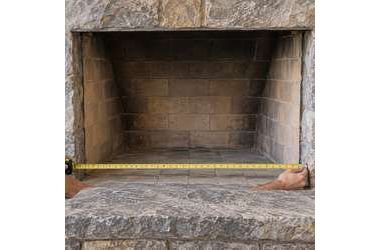
Fireplace Dimensions: Unit width, height, depth, and viewing area should be evaluated before purchase. Fireplace dimensions affect framing requirements, installation space, and overall appearance.
Ignition Type: Available ignition systems include standing pilot and electronic ignition designs. Each option offers different operating characteristics, maintenance requirements, and energy usage profiles.
Burning Display: Direct vent fireplaces are available with traditional logs, driftwood logs, fireglass, or decorative stones. These display options allow homeowners to tailor the fireplace appearance to traditional or contemporary design preferences. They also often come with LED lighting options available in a variety of colors.
Carefully comparing these specifications helps narrow the selection to the model that best fits your home and priorities. For example, homeowners focused on supplemental heat may prioritize BTU output and blower performance, those planning a remodel may need to focus first on fireplace dimensions and venting requirements, and homeowners who value convenience or aesthetics may place more importance on remote controls, electronic ignition, lighting, and flame display options.
Five brands stand out in HVACDirect.com's direct vent gas fireplace selection, including Empire, Napoleon, Majestic, Superior, and Kingsman. Each offers product variety, installation options, and established market presence. Each manufacturer offers direct vent models designed for efficient heating, sealed combustion, and flexible installation.
Empire: Among this brand’s direct vent fireplace lineups include direct vent fireplaces in traditional, linear, peninsula, and see-through gas models. Empire’s Tahoe, Boulevard, and Rushmore series provide options for a wide range of home designs and heating needs.
Napoleon: Direct vent fireplaces in traditional, linear, multi-sided, and premium contemporary styles are commonly manufactured by Napoleon. They are known for extensive design choices and a large selection of viewing area sizes.
Majestic: These fireplaces have designs for both new construction and remodeling projects under the Majestic label. The brand offers traditional and linear configurations that blend classic fireplace aesthetics with modern gas technology.
Superior: Designs under the Superior brand range from traditional to large linear models of direct vent fireplaces. These fireplaces are available in multiple sizes to accommodate different room layouts and heating requirements.
Kingsman: This brand offers direct vent fireplaces and inserts with natural gas and propane configurations. Kingsman’s lineup emphasizes heating performance, installation flexibility, and customizable decorative options.
The best brand for you depends on the desired fireplace style, heating capacity, installation requirements, and budget. The best way to find the right direct vent gas fireplace is to compare models based on the features that matter most for your space, heating needs, and installation. HVACDirect.com makes it easy to compare options from multiple manufacturers and narrow down the best fit for your home.
These fireplace projects typically range from about $2,000 to more than $10,000 depending on the fireplace, accessories, venting requirements, and installation complexity. Premium linear, see-through, and large-format models generally cost more than standard single-sided fireplaces. Prices shown here and below are planning estimates that are subject to change and are not guaranteed costs.
Equipment prices reflect current HVACDirect.com listings, where buying direct may save up to 70% on HVAC equipment versus local company pricing. Installation, labor, energy, maintenance, and service costs vary by system size, efficiency, installation complexity, local contractor and utility rates, climate, and location. For an accurate project estimate, consult a qualified local HVAC professional or an HVACDirect.com specialist to point you in the right direction.
Fireplace Unit Cost: Direct vent gas fireplace units commonly start around $2,000 and can exceed $10,000 for premium models. HVACDirect.com has products ranging from about $2,000+ for a Napoleon Ascent 36-inch fireplace to more than $10,000 for select large Napoleon Vector fireplaces.
Accessories/Upgrades: Optional upgrades can go from $25+ to $1,000+ as additional costs to the final purchase price. Common additions include blower kits, remote controls, decorative fronts, specialty media, interior liners, and upgraded ignition systems.
Installation and Venting Costs: Installation expenses can be narrowed to a $1,500 to $3,000 whole-job range that varies based on vent length, vent routing, framing requirements, gas line work, and finishing materials. New construction projects are often simpler than retrofit installations that require modifications to an existing space. Hourly labor can go $100 to $200 depending on local rates, which may be tacked onto or in lieu of the cost for installation.
Operation and Maintenance Costs: Depending on whether gas or propane is needed, a direct vent gas fireplace can run $35 to $180 monthly, depending on fuel prices, fireplace efficiency, BTU output, ignition type, and usage patterns. Routine service calls and inspections are typically $75+ to $200 per visit, not including anything that needs replacement.
Comparing purchase price, upgrade options, installation requirements, and operating expenses provides the most accurate picture of total ownership cost. A higher initial investment may be justified when features, efficiency, or design preferences are prioritized.
HVACDirect.com offers direct-to-consumer wholesale pricing on direct vent gas fireplaces from top manufacturers like Napoleon, Majestic, and Superior at guaranteed lowest prices. With dedicated HVAC technician support, fast nationwide shipping, and a contractor-focused program, HVACDirect.com delivers value beyond just equipment selection. Whether you are a homeowner, installer, or contractor, buying direct eliminates middleman markups while ensuring professional guidance throughout your purchase and installation.
Technical Support: Experienced HVAC technicians provide specialized guidance on direct vent fireplace sizing, venting requirements, and installation compatibility. Our team helps you select the correct model for your home layout and building codes.
Excellent Customer Service: An award-winning team of customer service experts delivers dedicated support via toll-free phone and instant chat to answer questions before and after purchase. We prioritize getting your questions answered quickly and professionally.
Fast Lead Times: Strategic warehouse locations across the continental United States enable rapid order processing and delivery to minimize project delays. Orders process Monday through Friday with most direct vent fireplaces shipping within days of order placement.
Free Shipping: Free shipping applies to most direct vent gas fireplace purchases and accessories shipping to residential or business addresses within the 48 contiguous states. Lift gate service is available at an additional cost for heavy equipment delivery.
110% Price Guarantee: If you find a lower price on an identical direct vent fireplace from a legitimate competitor with stock available, HVACDirect.com will beat that price by 10% of the difference. This guarantee covers all costs including shipping and applicable taxes.
Contractor Focused: The HVACDirect.com VIPro program offers dedicated account managers, bulk pricing discounts, and tiered volume savings for HVAC contractors and builders purchasing direct vent fireplaces in quantity. The HVACDirect.com Installer Network connects homeowners and contractors with local certified installers for professional installation.
Buying direct vent gas fireplaces from HVACDirect.com combines wholesale equipment pricing with expert support that traditional retailers cannot match. Contractors benefit from dedicated service and bulk discounts, while homeowners enjoy transparent pricing and fast delivery backed by manufacturer warranties.

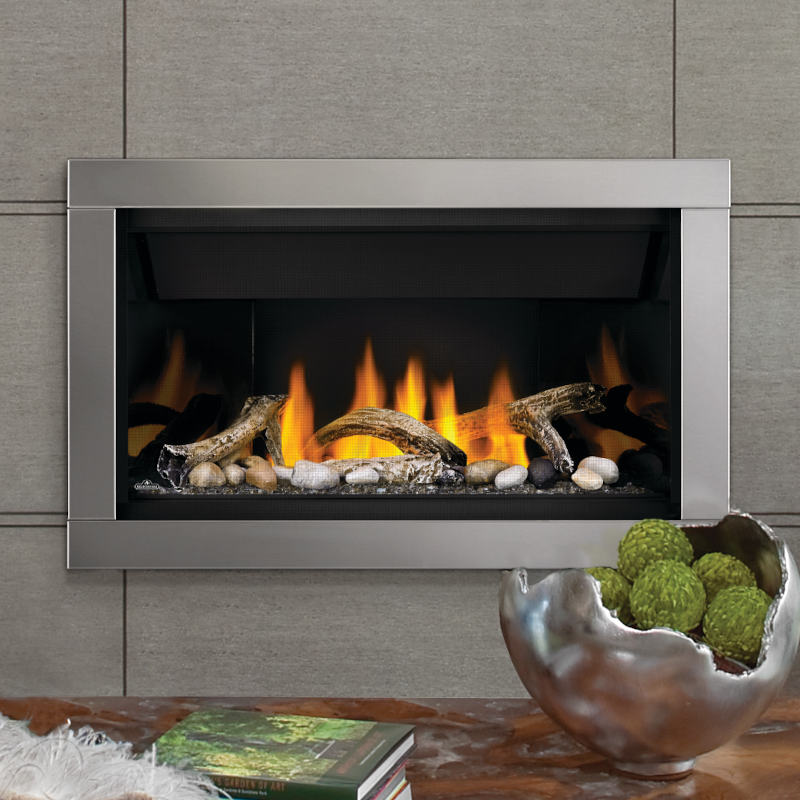
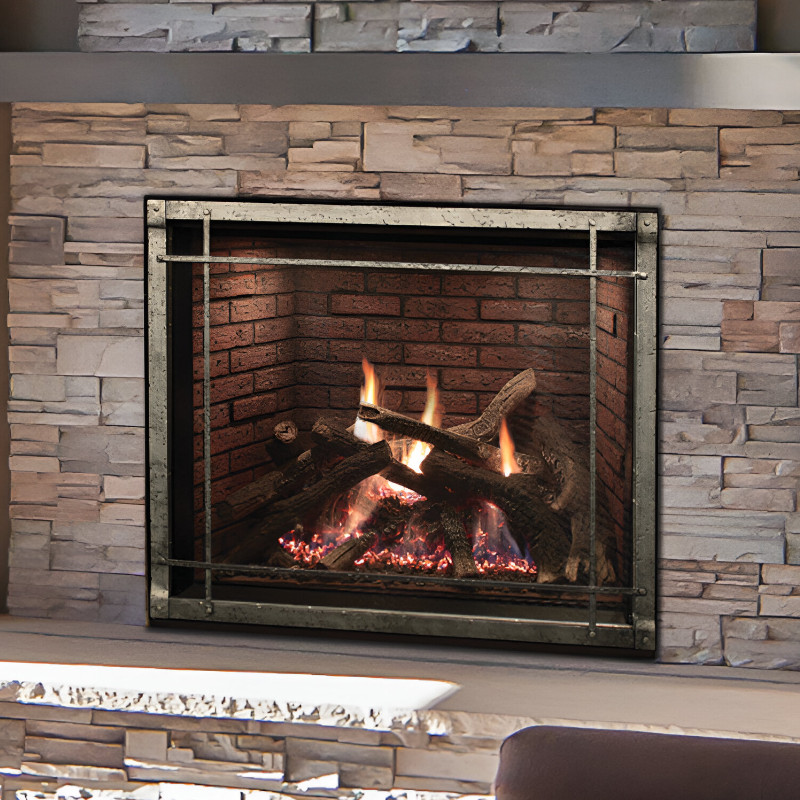
Direct vent gas fireplaces do not require a traditional masonry chimney. They use a sealed venting system that draws combustion air from outdoors and exhausts combustion gases outside through dedicated vent pipes. Most direct vent fireplaces can vent horizontally through an exterior wall, vertically through a roof, or through a combination of both routes. This flexibility allows installation in locations where a conventional chimney would be impractical or unavailable.
Some direct vent gas fireplaces need electricity, while others can operate without household power. Models with millivolt or standing pilot ignition systems can continue operating during a power outage because they use a continuously burning pilot flame rather than relying on electrical power. Checking the manufacturer's specifications will confirm whether a particular model requires electricity, includes battery backup, or can operate without utility power.
These fireplaces can vent through an exterior wall. Direct vent systems use specialized vent pipes that bring combustion air into the fireplace while simultaneously exhausting combustion gases outdoors. Many direct vent fireplaces are designed for horizontal wall termination, making them a popular option for homes without a traditional chimney. This installation flexibility allows them to be used in new construction, remodeling projects, basements, and room additions. The allowable vent length, routing, and termination location vary by manufacturer and model.
Direct vent gas fireplaces can vent through a roof using a vertical direct vent system. HVACDirect.com offers multiple vertical vent kits specifically designed to route direct vent fireplace exhaust through roof penetrations while providing outside combustion air to the appliance. Direct vent fireplaces use concentric venting, which allows exhaust gases to leave through the inner pipe while fresh combustion air enters through the outer pipe.
These kinds of fireplaces are highly efficient because they use sealed combustion technology that draws outside air for combustion and exhausts gases outside, preventing heated indoor air from being lost. HVACDirect.com identifies them as highly efficient heating appliances that draw combustion air from outside and exhaust combustion gases outdoors. Their sealed design prevents already heated indoor air from being consumed by the fire or lost through a chimney. This allows more of the generated heat to remain inside the home while maintaining consistent comfort. Actual efficiency varies by manufacturer, model, BTU output, venting configuration, and operating conditions.
Direct vent gas fireplaces commonly last 15 to 25 years or longer when they are properly installed, maintained, and operated according to the manufacturer's requirements. Service life varies based on usage frequency, component quality, maintenance practices, and operating conditions.
These fireplaces are safe because they use a sealed combustion system that isolates the fire from the living space and vents combustion gases directly outdoors. They draw combustion air from outdoors and vent combustion gases directly outside, which helps protect indoor air quality and reduces the risk of exhaust entering the home. The sealed firebox is protected by high-temperature glass and is designed to prevent combustion byproducts from mixing with indoor air. HVACDirect.com identifies direct vent fireplaces as safe, clean, and energy-efficient heating appliances when installed according to manufacturer requirements.
Many direct vent gas fireplaces can run during a power outage, but the capability depends on the ignition system. Direct vent fireplaces with electronic ignition systems are more energy efficient during normal operation, but they may require electricity or a battery backup to function during an outage. Some manufacturers include battery backup systems that allow operation when utility power is unavailable.
Direct vent gas fireplaces typically consume between 18,000 and 30,000 BTUs of fuel per hour, although larger models can exceed that range. HVACDirect.com product listings show direct vent fireplaces with outputs such as 18,000 BTUs, 24,000 BTUs, and 30,000 BTUs, with fuel consumption generally increasing as heat output rises. The amount of natural gas or propane used depends on the fireplace's BTU rating, flame setting, and daily operating time. Higher-capacity fireplaces designed to heat larger spaces will typically use more fuel than smaller units.
These fireplaces can use propane if they are specifically configured or ordered for propane operation. HVACDirect.com offers many direct vent fireplace models in both natural gas and propane versions, allowing homeowners to select the fuel source that matches their property. Always verify the fuel designation in the product specifications before purchase and installation.
Direct vent gas fireplaces can use natural gas when they are designed and configured for natural gas operation. HVACDirect.com offers numerous direct vent fireplace models that are available in natural gas versions from manufacturers such as Empire, Napoleon, Kingsman, Majestic, and Superior. Many direct vent models are sold in either natural gas or propane configurations, allowing homeowners to select the fuel source available at their property. The fireplace must be equipped for the correct fuel type because natural gas and propane use different burner and fuel delivery characteristics. Always verify the fuel designation in the product specifications before purchasing or installing a direct vent gas fireplace.
Glass of direct vent gas fireplaces becomes extremely hot during operation (temperatures vary by model) and can cause serious injury if touched. All direct vent gas fireplaces come standard with a safety barrier screen to prevent direct contact. The exact temperature varies based on the fireplace model, BTU output, burn setting, and operating duration.