Key Takeaways
- Install Mini Split on Exterior Walls: Placement on perimeter walls improves efficiency and simplifies installation.
- Keep Mini Split Airflow Clear: Avoid furniture, electronics, and direct sunlight near the indoor unit.
- Allow Mini Split Clearance: Maintain space above and around both indoor and outdoor units for proper airflow.
Mini split systems have gained popularity due to their ductless installation, zoned climate control, and improved energy efficiency in recent years. However, it's important to consider the disadvantages of mini split systems, as they may not be suitable for every space. Installation location and placement can present challenges that affect performance, efficiency, or installation feasibility.
Where is the Best Location for a Mini Split?
First, you’ll want to check out our mini split sizing guide. This will give you an idea about which units will work best location-wise for your home. Our guide will provide the information you need to visualize where your mini split AC system would fit best. You can also use the information above to help you choose the best location.
Where to Place a Mini Split Indoor Unit
When choosing an installation location for the indoor unit, consider the following:
- Ensure Easy Access for Maintenance – Choose a location where you can easily clean the unit and change filters.
- Allow for Proper Air Circulation – Install in an open area with no tight spaces or obstructions so the indoor unit can circulate air freely.
- Avoid Furniture, Wall Hangings, and Other Obstructions – Keep the unit clear of objects that could block airflow.
Choose one of the locations below for the best mini split performance:
-
High on a Wall or Near the Ceiling
Mounting a mini split high on a wall or near the ceiling maximizes air circulation. Since warm air rises and cool air falls, a higher placement helps evenly distribute conditioned air throughout the room. This also keeps the unit out of the way of furniture or obstructions.
-
A Central Location in a Room
Installing the mini split in a central location ensures even temperature distribution, especially in larger spaces where airflow is needed to reach every corner. A centrally placed unit helps eliminate hot or cold spots, improving comfort.
Where to Place a Mini Split Outdoor Unit
When installing the outdoor condenser unit, follow these guidelines:
- Place it on a stable, level surface – A concrete pad or wall bracket is ideal for minimizing vibrations and ensuring proper drainage.
- Avoid direct sunlight and obstructions – Too much sun exposure can reduce efficiency, so a shaded spot is ideal.
- Ensure Proper Clearance – Leave at least 24 inches of clearance on all sides for proper airflow.
Where to Not to Place a Mini Split Indoor and Outdoor Unit?
A mini split AC consists of two main components: the indoor unit and the outdoor condenser. While placement varies by manufacturer and model, most outdoor units can be installed up to 100 feet away from the indoor unit. However, keeping the mini split closer to the condenser improves efficiency for both cooling and heating. With that in mind, the one major rule to follow is that indoor units should be mounted on or near perimeter walls. This helps ensure that you’re within the best distance to the outdoor unit.
Where NOT to Install a Mini Split Indoor Unit
- Avoid interior walls – Mini splits over windows or on exterior walls allow for easier connections to the outdoor condenser.
- Keep away from heat sources – Avoid placing the unit near TVs, light fixtures, computers, electronics, or fireplaces, as they can interfere with thermostat readings.
- Ensure proper airflow – Don’t install near shelving, furniture, or obstructions that block airflow.
- Prevent thermostat errors – Avoid direct sunlight exposure, which can cause the unit to misread the room temperature.
- Mount on vertical walls only – Do not install on angled walls, as it affects airflow direction.
- Consider comfort zones – Avoid placing a mini split above a sofa or armchair, as direct airflow can be uncomfortable.
Where NOT to Install a Mini Split Outdoor Unit
Proper placement of your mini split outdoor unit is essential for efficiency, airflow, and longevity. There are two general guidelines to follow when determining where to place your outdoor unit.
- Avoid obstructions – Keep the outdoor unit away from trees, bushes, or walls that may restrict airflow.
- Prevent debris buildup – Falling leaves and dirt can clog the system, reducing mini split efficiency.
For the best results, avoid these locations to prevent performance issues and potential damage:
- Enclosed Spaces – Avoid placing the outdoor unit in tight or enclosed areas, as restricted airflow can reduce efficiency.
- Direct Sunlight – Installing the unit in constant direct sunlight can cause it to overheat and work harder than necessary.
- Near Vegetation or Debris – Keep the unit away from bushes, trees, or areas prone to debris buildup to prevent blockages and airflow issues.
- Close to Living Spaces – Avoid placing the unit near windows or patios where noise might be a concern.
- Unstable or Non-Level Surfaces – Install the unit on a stable, level surface to prevent vibrations and ensure proper drainage.
- Areas Prone to Flooding – Keep the unit elevated and away from locations that collect water to prevent damage.
Other Mini Split Placement Questions
Can You Install a Mini Split Above a Window?
Yes, but, if possible, it's best to avoid this option. The main concern is that you'll need to run refrigerant lines between the indoor and outdoor units. The straighter these lines are, the less prone they will be to leaks or other issues. Installing a mini split above the window means the refrigerant lines will likely need to bend around the window, which can complicate installation and affect performance.
Can You Install a Mini Split Above a Door?
Technically, yes, but installing a mini split above a door is not recommended. In fact, this placement is even less ideal than installing a mini split above a window due to two major concerns:
- Refrigerant Line Challenges – Just like window installations, refrigerant lines may need additional bends to reach the outdoor condenser, increasing the risk of leaks and efficiency loss.
- Airflow Disruption – A doorway interferes with airflow, especially on an exterior wall. Each time the door opens, air conditioning escapes, making the system work harder. If you install an indoor air handling unit above a door, it will blow conditioned air out the door every time it opens.
For best performance, mini split indoor units should be placed on clear exterior walls with an unobstructed path for air circulation and refrigerant line installation.
How Much Wall Space Does a Mini Split Need?
Ductless mini split systems aren’t large, but they do take more space than a simple vent.
Specific dimensions will vary based on the type of unit you choose. On average, you can expect wall units to range between 30 and 42 inches wide. They can be up to 12 inches tall and 6 to 10 inches deep.
How Much Clearance Does a Mini Split Need?
Most ductless systems should be installed about six to seven feet from the floor. Make sure to leave between four and six inches between the top of the indoor unit and the ceiling.
Clearance is especially important for outdoor units. Many homeowners choose to place them on concrete pads or mounted stands on an exterior wall. They should never be placed against the wall. Always leave at least a few inches between the wall and the outdoor unit, however you decide to place them. This will ensure proper airflow all around the unit, which will improve efficiency and prevent damage to the unit. Unless you are using a DIY model, the installer should provide guidance on clearance and location as well.
Buy Mini Splits at HVACDirect.com
Finding the perfect mini split system for your home is easy with HVACDirect.com. We offer a wide selection of high-quality mini splits at competitive prices, ensuring you get the best value for your investment. If you need a single zone or multi-zone mini split system, our experts can help you choose the right unit based on your home's square footage and heating and cooling needs. Shop now and enjoy reliable comfort in every season.
Related Products
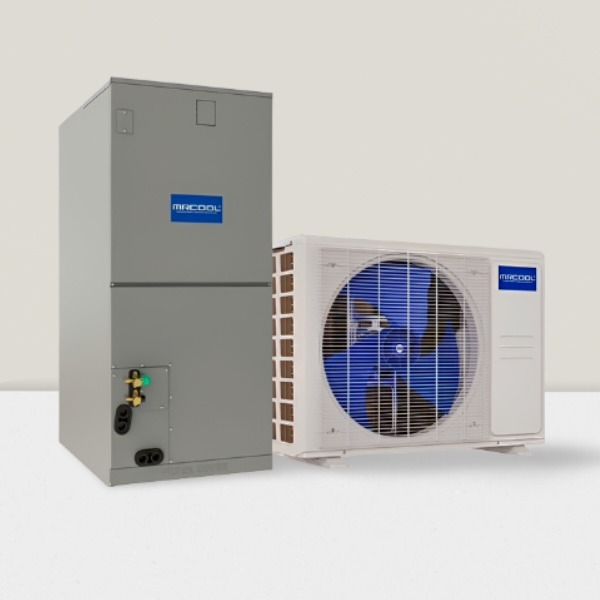
MRCOOL VersaPro 2nd Gen 1.5 Ton 18.8 SEER2 Central Ducted Heat Pump Split System - R454B
Brand: MRCOOL
Price: $ 2,479.00
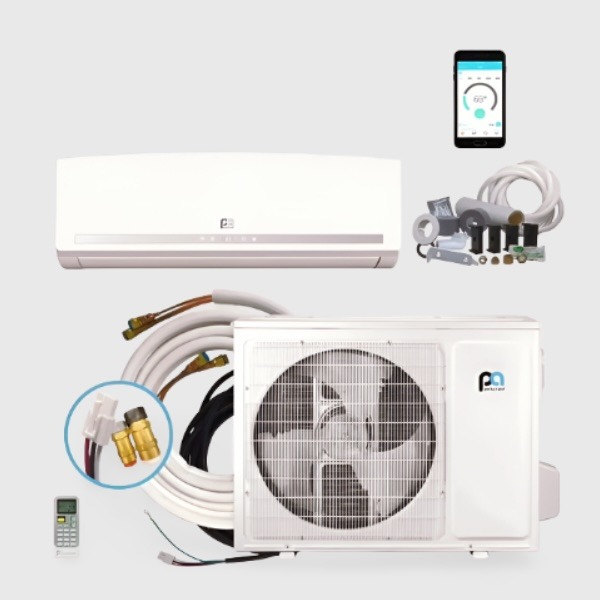
Perfect Aire DIY 12,000 BTU 22 SEER Quick Connect Ductless Mini Split Heat Pump w/ WiFi - 115V
Brand: Perfect Aire
Price: $ 1,249.00

ACiQ 5 Ton 15.2 SEER2 High Efficiency Central Heat Pump System | Inverter
Brand: ACiQ
Price: $ 4,099.00


Where is the Best Location for a Mini Split?
Mini split systems have gained popularity in recent years. Benefits like no ductwork, zoned climate control, and energy savings make them a no-brainer solution for many homeowners. However, there are a few spots that a mini split may not be the best option.
Mini split systems have two main components, which include the indoor unit and outdoor unit. While specifics vary by model and manufacturer, in general, most outdoor units can be placed 100 feet from the indoor unit. However, keep in mind that the closer the indoor and outdoor units are, the more efficient the system will be for air conditioning and heating.
With that in mind, the one major rule to follow is that indoor units should be mounted on or near to perimeter walls. This helps you ensure that you’re within the best distance to the outdoor unit.
When choosing a location for the indoor unit, consider the following:
- Make sure you can access the location easily to change filters and clean the unit.
- Choose a location where the indoor unit can circulate air freely (no tight spaces).
- Choose a location where furniture won’t interfere with airflow.
Where to Place a Mini Split Indoor Unit?
When choosing a location for the indoor unit, consider the following:
- Make sure you can access the location easily to change filters and clean the unit.
- Choose a location where the indoor unit can circulate air freely (no tight spaces).
- Choose a location where furniture won’t interfere with airflow.
How Much Wall Space Does a Mini Split Need?
Ductless mini split systems aren’t large, but they do take more space than a simple vent.
Specific dimensions will vary based on the type of unit you choose. On average, you can expect wall units to range between 30 and 42 inches wide. They can be up to 12 inches tall and 6 to 10 inches deep.
How Much Clearance Does a Mini Split Need?
Most ductless systems should be installed about six to seven feet from the floor. Make sure to leave between four and six inches between the top of the indoor unit and the ceiling.
Clearance is especially important for outdoor units. Many homeowners choose to place them on concrete pads, or on mounted stands on an exterior wall. They should never be placed against the wall. Always leave at least a few inches between the wall and the outdoor unit, however you decide to place them. This will ensure proper airflow all around the unit, which will improve efficiency and prevent damage to the unit. Unless you are using a DIY model, the installer should provide guidance on clearance and location as well.
Where Should You Not Install a Mini Split?
There are a few installation spots to avoid for the indoor units:
- Steer clear of mounting mini splits on interior walls. Exterior walls make it easier to make connections between the indoor and outdoor units.
- Avoid placing indoor units near TVs, light fixtures, computers, electronics, or fireplaces. These all produce heat, which will affect the ability of the thermostat to gauge room temperature.
- Avoid placing indoor units near shelving or furniture that can obstruct airflow.
- Don’t place indoor units in direct sunlight-this can also cause thermostat error when reading room temperature.
- Install indoor wall units on vertical walls only — not angled walls.
- Consider places where you’re likely to sit. It can be unpleasant to have hot or cold air blowing directly on you. This includes above the sofa or a favorite armchair.
For outdoor mini split installation avoid obstructions or debris that can interfere with airflow. Keep the outdoor unit away from trees and bushes. Bushes can obstruct airflow, plus falling leaves can accumulate in and around the outdoor unit.
Can you Install a Mini Split Above a Window?
Yes. However, if possible, you should avoid this option. The main concern is that you’ll need to run refrigerant lines between the indoor unit and the exterior unit. The straighter you can run these lines, the less prone they will be to leaks or other issues. If you place a mini split above a window, your refrigerant lines will likely need to bend around the window to reach the outdoor unit.
Can You Install a Mini Split Above a Door?
Technically, yes, you can. However, installing a mini split above a door is usually even more inadvisable than installing it above a window. You’ll have the same concerns regarding refrigerant lines, as these lines may need extra bends to reach the outdoor unit.
Another issue is that the doorway itself can interfere with airflow. Remember that indoor units should be installed on exterior walls. Each time you open an exterior door, air exchanges between indoors and outside. If you install an indoor air handling unit above a door, the air handling unit will blow air conditioning out the door each time it opens.
Where Should I Place My Mini Split?
One of the first things you’ll want to do is check out an online mini split sizing calculator. This will give you an idea about which units will work best for your home.
From there, you’ll be able to assess the size of the indoor and outdoor unit and visualize where these would best fit. Use the information above to help you choose the best locations throughout your home. You can choose out-of-the-way spaces where you don’t plan on placing furniture or wall hangings.
Keep in mind that these out-of-the-way spaces shouldn’t be cramped spots. Choose locations with airflow in mind to get the most out of your system. The goal is for air conditioning to flow throughout the room. Don’t let furniture or structural elements obstruct airflow and interfere with the unit’s efficiency.
If you use the information above, you’ll be able to get the most out of your ductless mini split system. While there are certain areas to avoid, in general, mini split systems offer a lot of flexible installation options compared to central air options. Prioritize airflow and comfort to choose the best locations possible.