We use cookies to make your experience better. To comply with the new e-Privacy directive, we need to ask for your consent to set the cookies. Learn more.

1-800-397-1392
Today's Hours 8am - 11pm est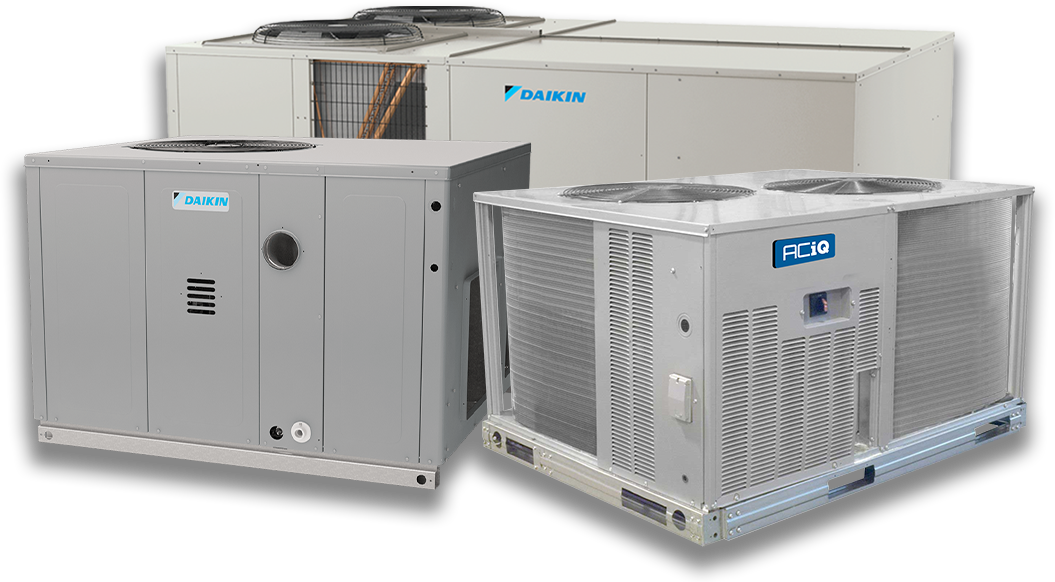
Need Help?
See our Rooftop & Packaged Unit Buying Guide to make for an easy and informed purchase.
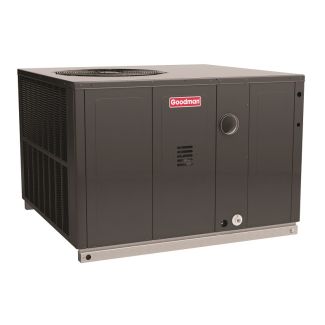

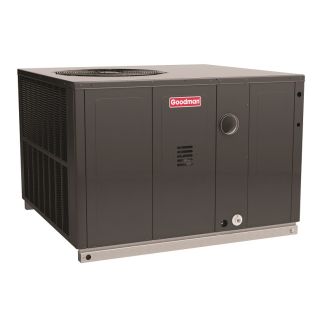
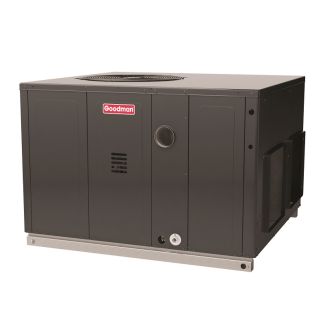
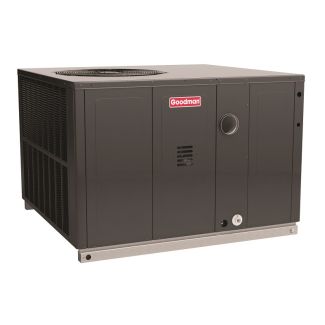
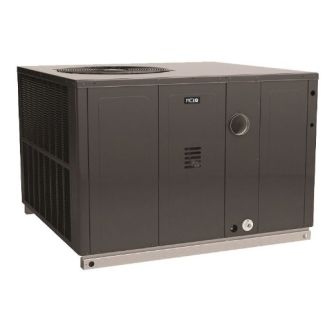
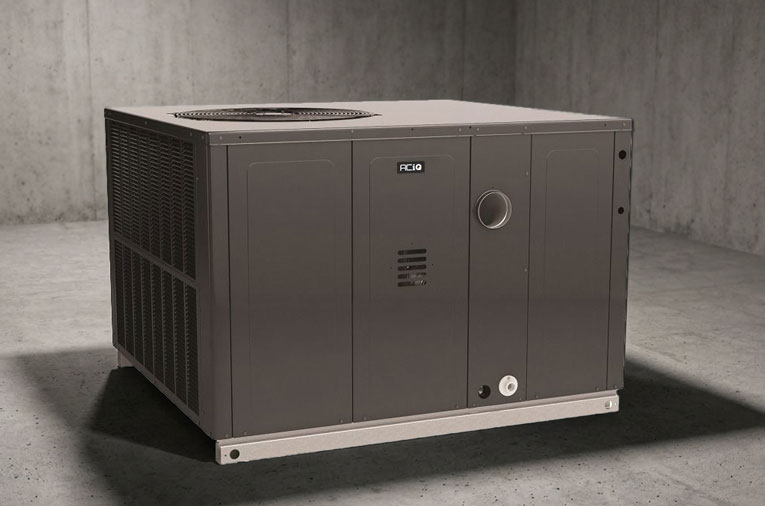
A residential central air and furnace packaged unit is an all-in-one HVAC system that combines an air conditioner, gas furnace, evaporator coil, and blower inside one weather-resistant outdoor cabinet. It can sit on a roof curb or beside a home on a ground-level equipment pad, depending on its approved airflow configuration.
This system works by using refrigerant to absorb heat from the indoor air and release it outside in the summer using the air conditioning part. Then, during the winter, the furnace heats the air before a blower sends it through the home’s ductwork.
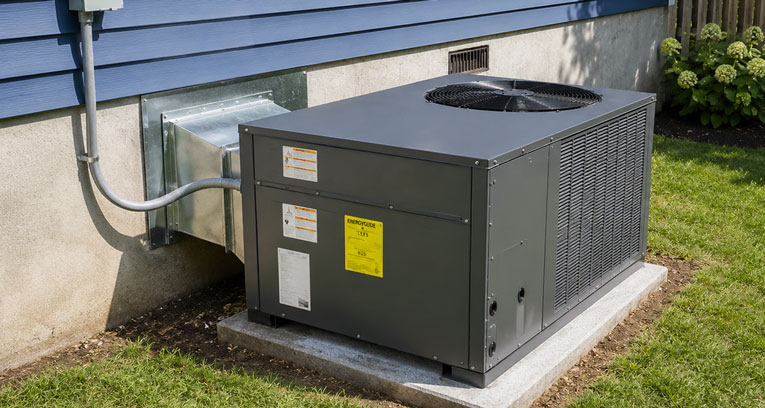
A residential central air and furnace packaged unit is an all-in-one HVAC system that combines an air conditioner, gas furnace, evaporator coil, and blower inside one weather-resistant outdoor cabinet. It can sit on a roof curb or beside a home on a ground-level equipment pad, depending on its approved airflow configuration.
This system works by using refrigerant to absorb heat from the indoor air and release it outside in the summer using the air conditioning part. Then, during the winter, the furnace heats the air before a blower sends it through the home’s ductwork.
The main benefits of central air and furnace packaged units are year-round comfort, more usable indoor space, and a simple installation. Their self-contained design is especially valuable when a home does not have room for a separate indoor furnace or air handler.
A packaged system can simplify the equipment layout, but it does not remove the need for proper sizing and installation. The outdoor location, duct configuration, utility connections, and mounting surface must all be evaluated before purchase.
Packaged units tend to fit specific situations better than others, largely driven by available space and how the home is already set up, such as direct replacements, small indoor living spaces, and what climate the home is located in. They are a good choice where natural gas heating is preferred over an all-electric system.
Packaged gas units are less practical when a property does not have natural gas or an approved propane option. In those situations, a packaged heat pump, packaged air conditioner with electric heat, or another system type may be more appropriate.
Residential central air and furnace packaged units generally range from 2 to 5 tons, equal to approximately 24,000 to 60,000 BTU of nominal cooling capacity. The right size depends on factors such as the home's square footage, insulation, windows, climate, and overall heating and cooling load. Choosing the correct capacity helps the system maintain comfortable temperatures without excessive cycling or runtime.
If you're replacing an existing packaged unit, matching the new system's tonnage to the old one can provide a useful starting point. However, a Manual J load calculation is the recognized residential sizing method and can determine the cooling capacity the home actually requires.
The heating capacity a residential central air and furnace packaged unit needs generally ranges from 40,000 to 135,000 BTU of furnace input. The right size depends on factors such as the home’s square footage, insulation, air leakage, window quality, and local winter temperatures. Cooling tonnage and furnace capacity should also be considered separately, since two units with the same cooling size can still have different heating outputs.
When sizing, make sure not to oversize or undersize your central air and furnace packaged unit’s heating or cooling capacity because this causes poor energy efficiency, uneven temperatures, high indoor humidity, short-cycling, and extra wear and tear that shortens the equipment's lifespan. Oversized units will short cycle and cause high energy bills, while undersized ones will drive up energy costs as well and run constantly and wear down faster.
The most important features are properly matched cooling and heating capacity, efficiency ratings and technology that improves it, and strong warranty coverage. You can also compare features such as ultra-low NOx ratings, two-stage operation, and blower motor technology. Here are the top features to consider:
High-efficiency or staged features provide the most value when the system is correctly sized and properly controlled. You can sort products easily by these features to help you quickly find and compare products with certain features that you want.
Additional factors that should be considered before purchasing include the unit’s cabinet and roof curb dimensions, electrical and gas requirements, duct compatibility, and professional service access. If you do not measure and check compatibility with your installation location, you will have costly fixes down the line.
As of January 2026, refrigerant regulations are actively shifting, with newer R32 and R454B units replacing older R410A equipment, so it's worth checking a unit's refrigerant type against current regional requirements before purchasing.
Goodman, ACiQ, and RunTru by Trane are among the residential central air and furnace packaged-unit brands available through HVACDirect.com. Each brand offers different combinations of cooling tonnage, furnace capacity, efficiency, airflow configuration, and features for homeowners replacing or installing a residential gas package system.
The best brand is the one that offers the correct tonnage, heating input, airflow direction, voltage, phase, cabinet footprint, refrigerant, and local emissions compliance. You can compare and filter through these features easily on HVACDirect.com.
The total cost for the equipment and installation of one of these systems typically ranges from $3,700 to $11,000+, depending on the brand, tonnage, and efficiency. Here’s a breakdown of some of the costs and potential savings to expect:
It can typically cost you between $200 and $400 on average for permits, though this could be as low as $75 or more than $800, depending on your exact city or county building department rules, the total project valuation, and whether new electrical lines or duct transitions are required.
HVACDirect.com offers residential central air and furnace packaged units with detailed specifications, wholesale pricing, expert support, and fast shipping. Customers can compare tonnage, heating BTU, airflow direction, refrigerant, efficiency, and brand directly on the category and product pages.
Buying online provides more control over equipment selection and pricing, but the unit should be reviewed with the installer before ordering. You should confirm with an expert beforehand that the model, curb, adapters, gas kit, thermostat, and any electrical accessories are compatible.
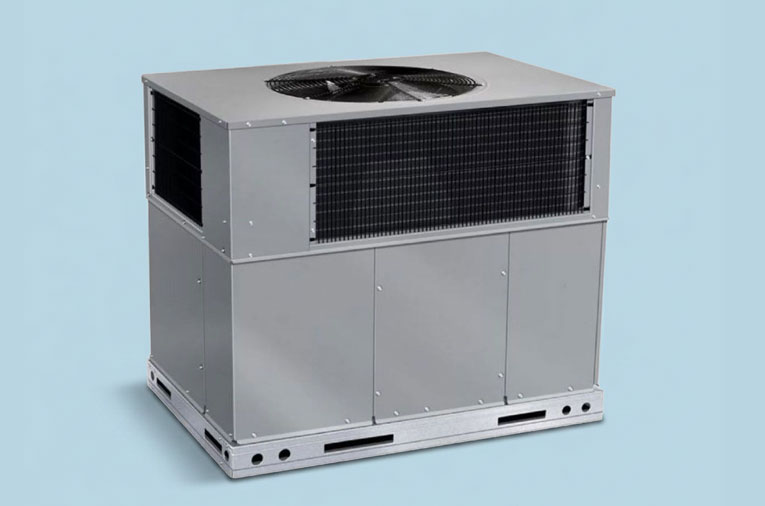
Central air and furnace packaged units commonly last about 15 to 20 years with proper sizing, installation, and maintenance. Outdoor exposure, coastal air, neglected filters, dirty coils, heavy use, and combustion problems can shorten that lifespan.
Packaged units should generally be serviced once to twice a year, usually once before the cooling season and once before heating season, since both the AC and furnace components live in the same cabinet. Skipping either check can let small issues, like a dirty coil or a failing igniter, go unnoticed until they cause a bigger breakdown. Maintenance should cover filters, coils, condensate drainage, burners, ignition, heat exchanger condition, electrical connections, airflow, and refrigerant performance.
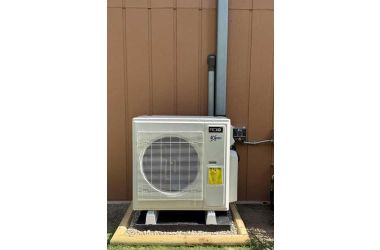
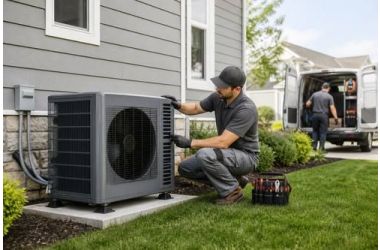
Yes, ground-level installation on a concrete or composite equipment pad is one of the standard placement options for residential packaged units, alongside rooftop mounting. The correct location depends on the home's existing duct configuration, available outdoor space, and the airflow design of the unit.
Ground-level installations typically require a level concrete or composite pad to keep the unit stable and properly elevated. Rooftop installations instead use a roof curb, so the specific requirement depends on which placement your home uses.
In most replacement situations, yes, as long as the new unit's airflow direction (horizontal or downflow) and connection size match the existing ductwork. HVACDirect.com's packaged units are available in both configurations specifically to simplify these kinds of replacements. If the new cabinet or duct locations differ, the installer may need a roof-curb adapter, square-to-round adapter, plenum, or custom sheet-metal transition.
Packaged units use return-air filters sized according to the model, duct system, or external filter rack rather than one universal filter, usually ranging from 1 to 5 inches thick. Standard 1-inch filters commonly need replacement every 2 to 3 months, while thicker media filters may last 6 to 12 months; inspect them more frequently during heavy heating or cooling use.
Packaged units typically run in a similar noise range to standard outdoor condensers, generally 55 to 75 dBA, depending on the compressor stage, blower and installation. This is comparable to about the sound of a normal conversation. Two-stage and variable-speed models tend to run quieter on average, since they spend more time at a lower operating stage than a standard single-stage unit.
Yes, the air conditioning side of a packaged unit produces condensate that needs a drain line, similar to a standard split system's indoor coil. Since the whole unit sits outside, drainage is typically routed directly onto the ground or pad rather than to an indoor drain.
Some packaged units may qualify for manufacturer, utility, state, or local efficiency rebates, depending on the efficiency and equipment rating. Utility rebates are typically cash-back, while state and local programs typically have point-of-sale discounts. Manufacturers may also offer seasonal promotions and rebates. You can find these local and state rebates on HVACDirect.com’s rebate center, but keep in mind that the federal residential Energy Efficient Home Improvement Credits are not available for property placed in service after December 31, 2025.
Central air and furnace packaged unit warranties vary by model and brand but commonly include up to 10 years of parts coverage and longer heat exchanger coverage when applicable registration requirements are met. For example, qualifying Goodman, ACiQ, and RunTru by Trane residential packaged units offer different combinations of parts, heat exchanger, and replacement coverage. Always check the specific product page for exact warranty terms and registration requirements before purchasing.
Central air and furnace packaged units are generally delivered by freight truck on a skid because they can weigh several hundred pounds or more. You should inspect the cabinet and shipment before signing, photograph damage, and arrange appropriate equipment or people for moving the unit from the delivery point to the installation location. HVACDirect.com has lift gate options available as an add-on service if needed.