0% Financing for 12 Months* or up to 48 Months* Terms Available - Buy Now and Pay later!

Air Conditioning Systems

Items 1-24 of 187

Set Descending Direction
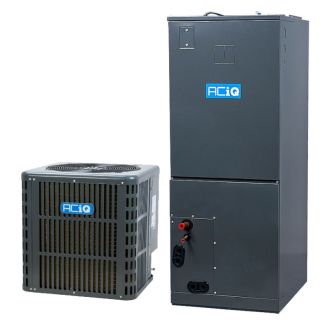
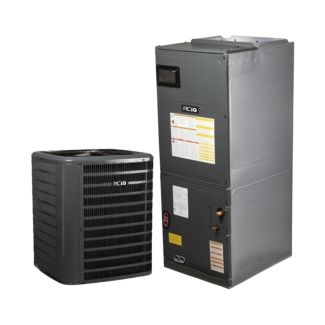
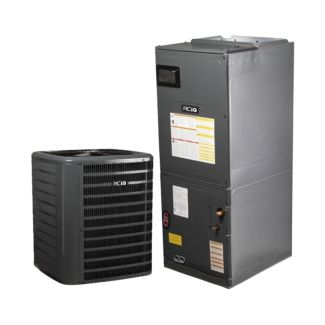
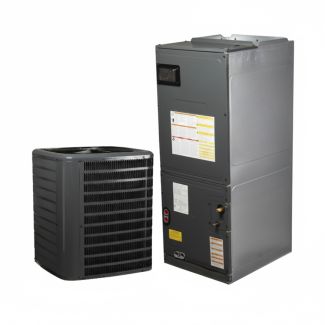
  1. ACiQ 1.5 Ton 14.3 SEER2 Air Conditioner Split System - R32 Multi-Positional - AC-I-18AC14 / AC-I-18AH14
    SAVE $505.01
    ACiQ 1.5 Ton 14.3 SEER2 Air Conditioner Split System - R32 Multi-Positional
    Model: AC-I-18AC14 / AC-I-18AH14
    Was $2,804.00
    Special Price $2,298.99
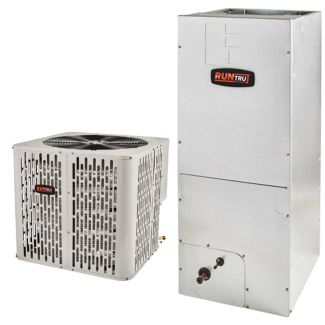
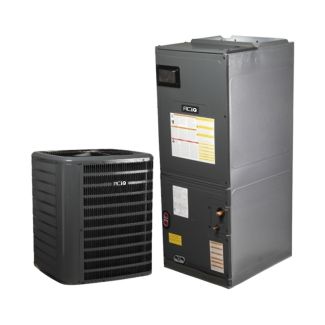
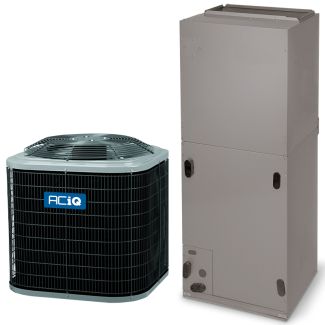
  2. 1.5 Ton 13.4 SEER2 Trane Air Conditioner Split System - R454B - A5AC3018A1 / A5AHC002A1B3
    1.5 Ton 13.4 SEER2 Trane Air Conditioner Split System - R454B
    Model: A5AC3018A1 / A5AHC002A1B3
    Special Price $2,424.00
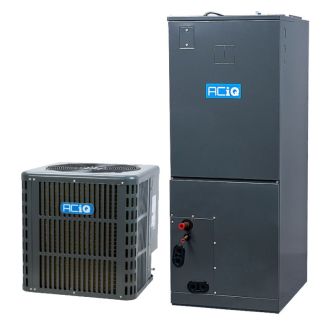
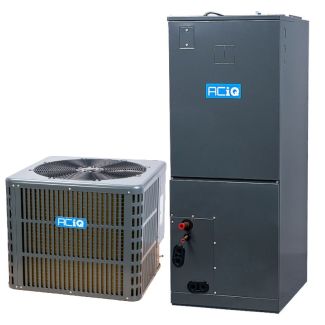
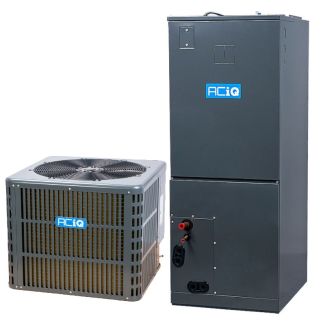
  3. ACiQ 2 Ton 14.3 SEER2 Air Conditioner Split System - R32 Multi-Positional - AC-I-24AC14 / AC-I-24AH14
    SAVE $536.01
    ACiQ 2 Ton 14.3 SEER2 Air Conditioner Split System - R32 Multi-Positional
    Model: AC-I-24AC14 / AC-I-24AH14
    Was $2,976.00
    Special Price $2,439.99
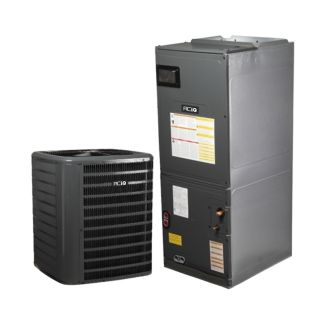
  4. 2 Ton 13.4 SEER2 Trane Air Conditioner Split System - R454B - A5AC3024A1 / A5AHC002A1B3
    2 Ton 13.4 SEER2 Trane Air Conditioner Split System - R454B
    Model: A5AC3024A1 / A5AHC002A1B3
    Special Price $2,554.00
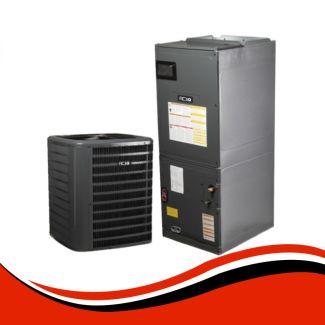
  5. Build Your Own Air Conditioning System - R32 - Private Brand BYO AC-AH
    SAVE $854.00
    Build Your Own Air Conditioning System - R32
    Model: Private Brand BYO AC-AH
    Was $3,414.00 Your Low Price Special Price $2,560.00
  6. 1.5 Ton 13.4 SEER2 R32 Air Conditioner Split System - Multi-Positional - GLXS3BN1810-A / AMST24BU1300-A
    1.5 Ton 13.4 SEER2 R32 Air Conditioner Split System - Multi-Positional
    Model: AQ-GLXS3BN1810 / AQ-AMST24BU1300
    Rating:
    96%
    Was $3,028.00
    Special Price $2,573.00
  7. ACiQ 2.5 Ton 14.3 SEER2 Air Conditioner Split System - R32 Multi-Positional - AC-I-30AC14 / AC-I-30AH14
    SAVE $568.01
    ACiQ 2.5 Ton 14.3 SEER2 Air Conditioner Split System - R32 Multi-Positional
    Model: AC-I-30AC14 / AC-I-30AH14
    Was $3,158.00
    Special Price $2,589.99
  8. 1.5 Ton 14.3 SEER2 Trane Air Conditioner Split System - R454B - A5AC4018A1 / A5AHC002A1B3
    1.5 Ton 14.3 SEER2 Trane Air Conditioner Split System - R454B
    Model: A5AC4018A1 / A5AHC002A1B3
    Special Price $2,624.00
  9. 2 Ton 13.4 SEER2 R32 Air Conditioner Split System - Multi-Positional - GLXS3BN2410-A / AMST24BU1300-A
    2 Ton 13.4 SEER2 R32 Air Conditioner Split System - Multi-Positional
    Model: AQ-GLXS3BN2410 / AQ-AMST24BU1300
    Rating:
    96%
    Was $3,137.00
    Special Price $2,666.00
  10. 2.5 Ton 13.4 SEER2 Trane Air Conditioner Split System - R454B - A5AC3030A1 / A5AHC003A1B3
    2.5 Ton 13.4 SEER2 Trane Air Conditioner Split System - R454B
    Model: A5AC3030A1 / A5AHC003A1B3
    Special Price $2,678.00
  11. 2 Ton 14.3 SEER2 Trane Air Conditioner Split System - R454B - A5AC4024A1 / A5AHC002A1B3
    2 Ton 14.3 SEER2 Trane Air Conditioner Split System - R454B
    Model: A5AC4024A1 / A5AHC002A1B3
    Special Price $2,711.00
  12. 2.5 Ton 13.4 SEER2 Trane Air Conditioner Split System - R454B - A5AC3030A1 / A5AHC004A1B3
    2.5 Ton 13.4 SEER2 Trane Air Conditioner Split System - R454B
    Model: A5AC3030A1 / A5AHC004A1B3
    Special Price $2,723.00
  13. 1.5 Ton 15 SEER2 Air Conditioner Split System - R32 Single Stage - Multi-Positional - AQ-GLXS4BA1810 / AQ-AMST24BU1300
    1.5 Ton 15 SEER2 Air Conditioner Split System - R32 Single Stage - Multi-Positional
    Model: AQ-GLXS4BA1810 / AQ-AMST24BU1300
    Rating:
    97%
    Was $3,215.00
    Special Price $2,732.00
  14. 3 Ton 13.4 SEER2 Trane Air Conditioner Split System - R454B - A5AC3036A1 / A5AHC003A1B3
    3 Ton 13.4 SEER2 Trane Air Conditioner Split System - R454B
    Model: A5AC3036A1 / A5AHC003A1B3
    Special Price $2,768.00
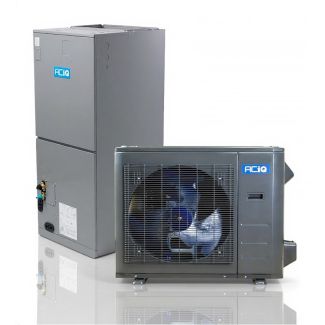
  15. 1.5 Ton 13.4 SEER2 ACIQ Air Conditioner Split System - Multi-Positional - R454B - R5A4S18AKANA / FHMA5X18L0AA
    SAVE $798.00
    1.5 Ton 13.4 SEER2 ACIQ Air Conditioner Split System - Multi-Positional - R454B
    Model: R5A4S18AKANA / FHMA5X18L0AA
    Rating:
    100%
    Was $3,590.00
    Special Price $2,792.00
  16. ACiQ 3 Ton 14.3 SEER2 Air Conditioner Split System - R32 Multi-Positional - AC-I-36AC14 / AC-I-36AH14
    SAVE $615.01
    ACiQ 3 Ton 14.3 SEER2 Air Conditioner Split System - R32 Multi-Positional
    Model: AC-I-36AC14 / AC-I-36AH14
    Was $3,425.00
    Special Price $2,809.99
  17. 3 Ton 13.4 SEER2 Trane Air Conditioner Split System - R454B - A5AC3036A1 / A5AHC004A1B3
    3 Ton 13.4 SEER2 Trane Air Conditioner Split System - R454B
    Model: A5AC3036A1 / A5AHC004A1B3
    Special Price $2,813.00
  18. 2.5 Ton 13.4 SEER2 R32 Air Conditioner Split System - Multi-Positional - GLXS3BN3010-A / AMST30BU1300-A
    2.5 Ton 13.4 SEER2 R32 Air Conditioner Split System - Multi-Positional
    Model: AQ-GLXS3BN3010 / AQ-AMST30BU1300
    Rating:
    96%
    Was $3,330.00
    Special Price $2,830.00
  19. 2.5 Ton 14.3 SEER2 Trane Air Conditioner Split System - R454B - A5AC4030A1 / A5AHC003A1B3
    2.5 Ton 14.3 SEER2 Trane Air Conditioner Split System - R454B
    Model: A5AC4030A1 / A5AHC003A1B3
    Special Price $2,841.00
  20.  2 Ton 14.5 SEER2 Air Conditioner Split System - R32 Single Stage - Multi-Positional - AQ-GLXS4BA2410 / AQ-AMST24BU1300
    2 Ton 14.5 SEER2 Air Conditioner Split System - R32 Single Stage - Multi-Positional
    Model: AQ-GLXS4BA2410 / AQ-AMST24BU1300
    Rating:
    97%
    Was $3,346.00
    Special Price $2,844.00
  21. 1.5 Ton 13.4 SEER2 ACIQ Air Conditioner Split System - Multi-Positional - R454B - R5A4S18AKANA / FHMA5X24L0BA
    SAVE $830.00
    1.5 Ton 13.4 SEER2 ACIQ Air Conditioner Split System - Multi-Positional - R454B
    Model: R5A4S18AKANA / FHMA5X24L0BA
    Rating:
    100%
    Was $3,711.00
    Special Price $2,881.00
  22. 2.5 Ton 14.3 SEER2 Trane Air Conditioner Split System - R454B - A5AC4030A1 / A5AHC004A1B3
    2.5 Ton 14.3 SEER2 Trane Air Conditioner Split System - R454B
    Model: A5AC4030A1 / A5AHC004A1B3
    Special Price $2,886.00
Page
per page

What is an air conditioning system? 

An air conditioning system is a heating and cooling machine that cools your home using refrigerant while also removing humidity and cleaning the air. It is usually paired with a furnace or air handler to blow air through a house or other building, and a thermostat to control the temperature.


AC systems work by circulating refrigerant between the indoor evaporator coil and outdoor condenser, absorbing heat inside and releasing it outdoors. The furnace or air handler blower then moves cooled air through the ductwork while warmer indoor air returns to the system to repeat the cycle.
An air conditioning system is a heating and cooling machine that cools your home using refrigerant while also removing humidity and cleaning the air. It is usually paired with a furnace or air handler to blow air through a house or other building, and a thermostat to control the temperature.


AC systems work by circulating refrigerant between the indoor evaporator coil and outdoor condenser, absorbing heat inside and releasing it outdoors. The furnace or air handler blower then moves cooled air through the ductwork while warmer indoor air returns to the system to repeat the cycle.
What are the main benefits of air conditioning systems?

Central air conditioning cools your whole house at once and uses less energy than a handful of window units. It also works with the furnace you already have, pulls the humidity out of the air, and runs quietly enough that you forget it's on. One of these systems can adequately cool an entire house when sized correctly in normal conditions without relying on separate window or portable units.

  • Whole-Home Cooling: Central air conditioning uses one system and your home's ductwork to distribute cooled air throughout multiple rooms and floors. HVACDirect offers residential systems from about 1.5 to 5 tons, or 18,000 to 60,000 BTU, to meet different cooling loads and house sizes.
  • Improved Energy Efficiency: Modern AC systems are available with higher Seasonal Energy Efficiency Ratio 2, or SEER2, ratings that reduce the electricity required to provide cooling and may help lower energy costs. Current HVACDirect options include standard 13.4 and 14.3 SEER2 condensers as well as ACiQ inverter models reaching 16 SEER2 and higher, depending on the system combination. Due to efficiency requirements, 13.4 SEER2 units cannot be installed in Alabama, Arizona, Arkansas, California, Delaware, Florida, Georgia, Kentucky, Louisiana, Maryland, Mississippi, Nevada, New Mexico, North Carolina, Oklahoma, South Carolina, Tennessee, Texas, or Virginia.
  • Works with Your Existing Heating System: If a furnace or air handler is still in good shape, replacing only the cooling equipment lets you upgrade without the added cost of new heating equipment. This keeps a replacement project focused on just the part that actually needs it. HVACDirect sells AC and coil systems specifically for this type of replacement, avoiding the need to replace a working furnace unnecessarily.
  • Better Indoor Comfort and Humidity Control: Air conditioning systems naturally remove moisture as warm indoor air passes over the cold evaporator coil. Variable-speed and multi-stage systems can provide better humidity control by running longer, lower-output cooling cycles, while compatible thermostats, humidistats, dehumidifiers, and humidifiers can provide more precise moisture management.
  • Quiet, Reliable Operation: The compressor sits in the outdoor unit, keeping much of the system noise outside the home. Sound also varies by design, with the current 1.5 ton ACiQ inverter AC condenser rated at 54 decibels compared with 73 decibels for a 2 ton Goodman 15.2 SEER2 single stage condenser, which are similar to the sound of a conversation or vacuum, respectively.

Central air also means the windows stay shut all summer, which keeps pollen, street noise, and outdoor humidity out of the house, and eliminates the open-sash security gap a window unit leaves behind..


Which residential spaces are ideal for air conditioning systems?

If a home has ductwork, central air will work in it, which means it can be installed in most single-family houses, townhomes, condos, and manufactured homes. Homes with an existing furnace are the easiest of all, since the ducts and blower are already in place.

  • Single-Family Homes: Central air conditioning is the most popular cooling solution for single-family homes. It provides one cooling system for bedrooms, living areas, kitchens, and multiple floors of a detached home. Current HVACDirect residential condensers commonly range from 1.5 to 5 tons, giving homeowners several capacity options for different cooling loads.
  • Townhomes and Condominiums: Central AC systems work well in townhouses and condos if each has its own ductwork. Certain compact indoor coils, multi-positional air handlers, and outdoor AC or heat pump unit models are designed to fit into the limited indoor and outdoor space that is common in these settings.
  • Multi-Family Residences, Duplexes, and Apartments: Individual central systems can provide independent cooling and thermostat control for separate residences within the same property. Each system can then be sized for the cooling load of its specific unit instead of conditioning the entire building from one residential system. They usually feature air handlers that are shorter vertically to fit inside of smaller closets and living spaces.
  • Manufactured and Mobile Homes: Split system air conditioners can be installed in manufactured and mobile homes when paired with a HUD-approved furnace or air handler and compatible indoor coil. If your manufactured or mobile home doesn’t have ductwork, a ductless mini split may be a better option than a central AC system.
  • Homes with Existing Heating Systems: For homeowners who already have a working furnace or compatible heating setup and ductwork, replacing just the cooling equipment is often the simplest path. This avoids paying for new heating equipment that doesn't need replacing yet. A matched condenser and evaporator coil can add or replace cooling while continuing to use the existing furnace blower to circulate air.

You should keep in mind that the climate also affects what kind of air conditioning system you need, not just the type of space. AC and air handler systems are best suited for warmer climates, while furnace and AC systems are commonly used in colder regions where reliable heating is needed. Heat pump and air handler systems are ideal for mild to moderate climates where both heating and cooling are required, while AC and evaporator coil systems are often used as replacement options with an existing compatible furnace


What type of air conditioning system do you need?

The type of AC system, usually an air conditioner or heat pump paired with a furnace or air handler, depends a lot on whether you have preexisting equipment already in place and if you need heating alongside cooling. Here are five common system configurations:

  • Split Air Conditioning System (AC + Air Handler): This pairs an outdoor condenser with an indoor air handler for whole-home cooling. It is commonly used in all-electric installations or homes in hotter climates with warm winters that do not need any heating from a furnace.
  • Air Conditioner and Evaporator Coil System: If a home's existing gas or propane furnace is still in good condition, replacing just the outdoor condenser and indoor evaporator coil is often the most cost-effective way to restore cooling. This is a popular choice if just your air conditioner is broken and needs replacement.
  • Furnace and Air Conditioner System: A complete system includes the AC condenser, evaporator coil, and furnace so both heating and cooling equipment can be replaced together. HVACDirect offers matched packages that combine compatible equipment from brands such as ACiQ, Trane, and Goodman that are great for both new and replacement projects.
  • Heat Pump System: A heat pump provides cooling like an air conditioner but reverses the refrigerant cycle to provide heating as well. One of these systems can potentially replace the need for both an AC and furnace in a moderate climate that doesn’t need powerful heating for cold winters. For example, ACiQ's inverter heat pump line is rated to operate down to 5°F outdoors.
  • Apartment and Mobile Home Air Conditioning Systems: Manufactured homes, apartments, and other specialty applications often need equipment built for limited installation space or unique airflow requirements. These systems often feature an outdoor unit paired with a small air handler with an electric heat strip for heating. 

If you are replacing existing equipment, identifying the furnace or air handler, condenser tonnage, refrigerant, and airflow configuration is a useful first step before choosing a system type.


What features matter most when buying air conditioning systems?

The most important features when buying an air conditioning system are heating and cooling capacity, how efficient the system is, what the compressor stage is, warranty coverage, and whether all individual pieces of equipment are compatible with each other. These features have a direct effect on comfort, operating cost, compatibility, and long-term ownership.

  • Matching System Size and Capacity: The most important factor when buying any air conditioning system is sizing it correctly in tons, since an undersized unit runs constantly without keeping up while an oversized one cycles too often and struggles with humidity. In most replacements, sticking with the same tonnage as your existing equipment is the safest bet unless a professional load calculation says otherwise. This applies across every configuration, whether you're buying a standalone condenser, a coil to pair with an existing furnace, or a complete matched system.
  • Energy Efficiency (SEER2 Rating): A higher SEER2 rating means lower operating costs, and HVACDirect.com's range runs from 13.4 SEER2 entry-level condensers up to 18+ SEER2. Heat pumps and furnaces also carry an HSPF2 rating for heating efficiency, so it's worth comparing both numbers if you're weighing a heat pump against a traditional furnace and AC setup.
  • Compressor Technology: Single stage compressors operate at full output, two stage models add a lower operating level, and inverter compressors adjust output more precisely as demand changes. The stage level can affect long-term energy savings and electricity usage, with single stage systems using the most electricity and inverter ones using the least. However, single stage units typically cost the least upfront.
  • Matched System Components: A factory-matched condenser, evaporator coil, and air handler (or furnace) are essential for getting the performance, efficiency, and warranty coverage the system is rated for. Pairing mismatched components, even ones with the same tonnage, can restrict airflow, reduce efficiency, and in many cases void the manufacturer's warranty entirely.
  • Warranty Coverage: Warranty terms vary by brand, but parts coverage typically runs 5 to 10 years, compressors are often covered separately for 10 to 12 years, and coils sometimes carry their own 5- to 10-year term. If you have a system with a heat pump or other heating equipment, these will also have different warranty terms. Registering online, usually within 60 to 90 days of installation, is what unlocks those longer terms; skipping it often means falling back to a shorter base warranty, sometimes just 1 to 5 years on parts, so it's worth registering promptly once the system is installed.

Premium features are most valuable when they solve a specific need, such as inverter operation for quieter, steadier cooling or higher SEER2 for a home with a long cooling season.


Additional factors to consider when buying air conditioning systems

Other factors to consider when purchasing one of these systems include how quietly it runs, its electrical and clearance requirements, and modern features such as Wi-Fi compatibility that can improve comfort in your home. Here are some additional details on some more factors to consider:

  • Compatibility with Your Existing Heating System: If you are replacing just the air conditioner, a new AC condenser may be paired with an existing furnace or other heating equipment only when the coil, blower, refrigerant, cabinet, and controls are compatible. It’s also usually best to select the same brand as well, with some warranties requiring matching brands between equipment.
  • Electrical and Installation Requirements: Each component has its own voltage, minimum circuit ampacity, maximum breaker or fuse size, and wiring requirements, so the condenser or heat pump, furnace or air handler, and electric heat kit must be checked separately. For example, a 1.5 ton ACiQ inverter condenser may require 208/230V power with a 16-amp minimum circuit and 20-amp maximum breaker, while the connected furnace or air handler will have separate electrical specifications. The installer must also verify refrigerant line sizing, controls, drainage, equipment clearances, and ductwork compatibility for the complete system.
  • Sound Levels: Outdoor air conditioners and heat pumps commonly operate around 50 to 70 dBA. Indoor furnaces and air handlers are generally a bit quieter, often around 40 to 60 dBA, although airflow through the ductwork and vents can increase the sound heard inside the home. For comparison, 40 dBA is similar to a quiet library, 60 dBA to normal conversation, and 70 dBA to a vacuum cleaner heard from about 10 feet away.
  • Indoor Air Quality and Comfort Upgrades: HVACDirect systems can be paired with compatible thermostats, dehumidifiers, humidifiers, UV air purifiers, media filters, and air cleaners. Newer units also have feature options such as humidity sensing, auto defrost, variable-speed airflow, or Wi-Fi compatibility.
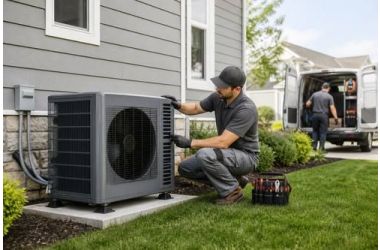
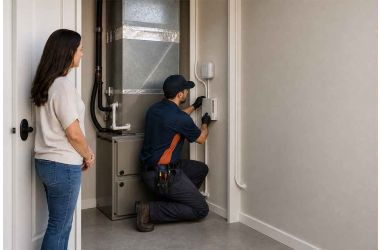
  • Professional Installation and Long-Term Maintenance: Professional installation is usually required for these systems and helps ensure correct sizing, component matching, refrigerant charge, airflow, drainage, wiring, and safety controls. These systems need at least an annual professional service to check the internal components and refrigerant for any issues or leaks. Standard filters need to be replaced every 1 to 3 months, and coils should be sprayed down once a year to remove any debris, dust, and dirt that could affect system performance and efficiency.

Also, as of January 1, 2026, complete R-410A systems can no longer be installed, though parts can still be bought with decreasing availability. Upgrading to a new system that uses an eco-friendly refrigerant like R-32 can help make sure your system meets federal regulations in the future.


Which brands make the best air conditioning systems?

ACiQ, Goodman, and Trane are some of the top brands manufacturing central air conditioning split systems. Each offers multiple capacities and efficiency levels, but their product lineups emphasize different combinations of price, technology, sound, and warranty coverage. 

  • ACiQ: ACiQ is a value-focused brand that puts inverter technology, premium features, and strong warranty coverage at a price below the big national names. It's best known for its inverter models, which run at variable speed rather than cycling on and off, and that's where the brand's reputation for quiet operation and high SEER2 numbers comes from.
  • Goodman: Goodman has been making HVAC equipment for decades, providing proven, durable equipment at an affordable price, though it may not offer the same premium features as ACiQ does. Parts are easy to come by, and just about any technician who shows up at your door has worked on one before. Goodman's strength is straightforward, dependable split systems for both new projects and replacements.
  • RunTru by Trane: RunTru is Trane's budget line, built to the same engineering standards as its premium models but without the extras that push the price up. It leans toward simpler single stage equipment, which keeps both the initial purchase price and the eventual repair bill down.

The right brand and system depend on your budget, long-term savings goals, and your space’s needs. Regardless of the brand, your indoor and outdoor equipment must be matched and compatible to work correctly. HVACDirect.com sells pre-matched systems that you can browse through at your leisure.


How much do air conditioning systems cost?

The total cost for an air conditioning system depends on whether you are just replacing equipment, need structural changes to your space to install it, and local labor rates and rebates, but typically ranges from $3,000 to $20,000+. Here are some costs to factor in before purchasing any equipment:

  • Equipment Price: Equipment for a full replacement split system, whether with a combination of a heat pump, air conditioner, furnace, coil, or air handler, can range from $1,800 for basic AC and coil systems to $8,000+ for full heat pump systems. The price varies by system type and brand, with basic air conditioner and coil systems costing the least and full furnace, air conditioning, or heat pump systems costing the most.
  • Installation Labor: Certified technician labor for installation can vary significantly based on local labor rates and the equipment you are installing, typically ranging from $1,000 to $3,500+.
  • Energy Efficiency and Long-Term Savings: Higher-efficiency systems can cost $1,200 to $3,300 more upfront than standard tiers but can lower monthly utility bills by up to 20% to 30% in the long run.
  • Ductwork and System Modifications: The cost for these also varies widely, usually from $0 to $7,500, depending on if you are just replacing the air conditioner and coil or installing a full system and ductwork in a new home. It also ranges based on the building’s layout and complexity.
  • Available Rebates and Financing Options: Local and state rebates vary based on what is available in your area and the efficiency of the system you are installing, typically up to $8,000. HVACDirect.com offers Bread Pay as a financing option if you qualify and want to pay for equipment through monthly installments.

Permits are usually factored into your installation quote from your installer, but can range from $75 to $500, depending on what equipment you are installing.


Why buy air conditioning systems from HVACDirect.com?

HVACDirect.com offers many advantages over other ways of purchasing HVAC equipment, including the ability to easily compare hundreds of different units online without any sales pressure, access to HVAC experts before and after you buy, and fast shipping anywhere in the United States.

  • Expert Guidance for Every Home: All of our customer service representatives have years of experience in the HVAC industry and can help with pre- and post-purchase questions, including those about equipment, installation, and troubleshooting.
  • Trusted Brands at Competitive Prices: We carry industry names like ACiQ, Goodman, and RunTru by Trane, all backed by manufacturer warranties with online registration within 60 days.
  • Complete, Matched System Solutions: Customers can buy individual condensers or matched AC-and-coil, AC-and-air-handler, and furnace-and-AC systems. This makes it easier to replace only the equipment that needs updating or to purchase a complete heating and cooling system without having to worry about ensuring the equipment all works together correctly.
  • Fast, Nationwide Shipping: We have warehouses located strategically across the continental U.S. to make shipping fast and easy. Our listings tell you exactly when to expect it to ship, usually within 3 days, and it is usually free.
  • Everything You Need for Installation: Not only do we carry complete systems, but we also carry individual air conditioners, heat pumps, and furnace units. We also sell and recommend accessories, such as line sets and thermostats, for every project as well as individual parts if you need something repaired.

HVACDirect also sells scratch-and-dent equipment alongside new equipment when available, giving shoppers another way to compare pricing on units with cosmetic damage that doesn’t affect operation.
Recent Posts

How Much Does It Cost to Replace an HVAC System in 2026?
How the equipment is purchased can also make a meaningful difference. For a common full-system project—such as replacing a central air conditioner and gas furnace while keeping usable ductwork—a turnkey contractor-supplied project may cost **about $11,000 to $17,000**. Purchasing a matched system...
Read more
How Can an A2L Mitigation Board Help You Replace Only Your AC Condenser?
When an older R-410A outdoor condenser fails, replacing the entire HVAC system is not always the only option. If the indoor evaporator coil or air handler is still in usable condition, an A2L refrigerant detection and mitigation kit may allow that indoor equipment to remain in place while the...
Read more
Can I Replace Just My Outdoor AC Unit?
When the outdoor portion of a central air conditioner fails, replacing only that unit can sound like the simplest and least expensive solution. Sometimes it is. However, a central split system is not a collection of interchangeable parts. The outdoor condenser and the indoor evaporator coil work...
Read more
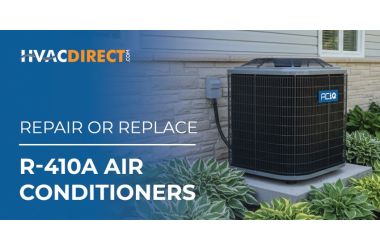
R-410A air conditioner with repair or replace messaging for homeowners
Should You Repair or Replace an R-410A Air Conditioner?
Not sure whether to repair or replace your R-410A air conditioner? Compare system age, repair type, refrigerant costs, compatibility, and overall condition to determine which option makes the most sense. Existing R-410A systems can still be serviced, but major repairs may change the long-term value...
Read more

Call Now and Get a Free Quote Today! 1-800-397-1392

Frequently Asked Questions

Central air conditioning systems typically last about 15 to 20 years with proper installation and maintenance. Climate, operating hours, coil condition, airflow, installation quality, and routine maintenance can all affect actual service life.

BTU, or British Thermal Unit, ratings tell you how much heat an air conditioner can remove from the home per hour. One ton is equal to 12,000 BTU. Common residential sizes include the following:

AC Size BTU Capacity
1.5 tons 18,000 BTU
2 tons 24,000 BTU
3 tons 36,000 BTU
4 tons 48,000 BTU
5 tons 60,000 BTU

AC systems are usually measured in tonnage, since tonnage is more correlated to cooling, while BTUs are commonly correlated with heating equipment in a system.

Inverter air conditioning systems use a compressor that continuously adjusts its speed instead of only turning fully on or off. This allows the system to match cooling demand more closely, helping improve comfort, reduce temperature swings, and use energy more efficiently than a standard single-speed system. Inverter technology is more commonly associated with heat pump condensers, but AC-only inverter condensers are also available in limited options. On HVACDirect, ACiQ inverter AC condensers can modulate output based on cooling demand, though they typically cost more upfront than standard single-stage air conditioners.

Yes, air conditioning systems reduce indoor humidity by condensing water vapor on the cold evaporator coil while the system cools, with a standard system removing about 2 to 4 pints per hour per ton of cooling capacity. The condensate then drains away from the indoor unit. They are not a replacement for a dehumidifier, though.

Central air conditioning systems typically draw somewhere between 3,000 and 6,000 watts during operation, depending on system size, efficiency, and equipment. A 3 ton AC or heat pump, such as several of the Goodman and RunTru models sold on HVACDirect.com, generally falls between 3,000 and 5,000 watts, while larger or less efficient systems draw more. A furnace in an air conditioning system typically draws 400 to 800 watts of electricity. Actual energy use over a season depends heavily on how often the system runs, which is driven by local climate and the home's insulation.

The compressor pressurizes refrigerant gas, raising its temperature before sending it to the outdoor condenser coil to release heat. It's essentially the engine of the cooling cycle, and it's usually the most expensive component to repair or replace if it fails. Compressor technology, whether single stage, two stage, or ACiQ's variable inverter twin rotary design, has the biggest impact on a system's overall efficiency and comfort level.

The outdoor component of a central air conditioning system is called the condenser or condensing unit. It contains the compressor, condenser coil, fan, and other components that release indoor heat outdoors.

An air conditioning system should meet or exceed the SEER2 requirement for its capacity and the region where it will be installed, with the minimum rating at about 13 SEERs. Current minimums for split-system AC include 13.4 SEER2 in the North; in the Southeast and Southwest, units below 45,000 BTU require at least 14.3 SEER2, while units at or above 45,000 BTU require at least 13.8 SEER2.

Air conditioning systems should generally receive professional maintenance once per year, ideally before the main cooling season. Service commonly includes checking the condenser and evaporator coils, refrigerant performance, electrical components, blower, condensate drainage, and overall operation.

Outdoor AC and heat pump condensers commonly operate from the mid-50s to mid-70s dB depending on tonnage, compressor technology, and fan design, which is comparable to the sound of a conversation or dryer running. Furnaces, if you have an air conditioning system with one, have their own sound range as well, which also depends on capacity and is usually between 40 and 60 decibels. Since these systems are either outside or tucked away, they don’t interfere with your daily activities.

blockboard tech