We use cookies to make your experience better. To comply with the new e-Privacy directive, we need to ask for your consent to set the cookies. Learn more.

1-800-397-1392
Today's Hours 10am - 6pm est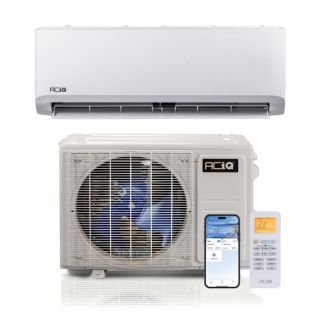


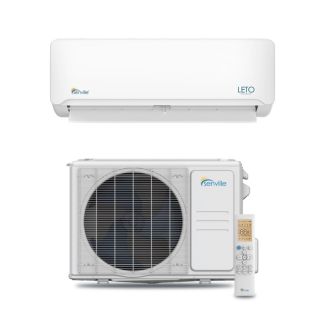
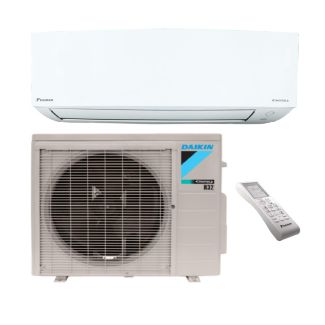

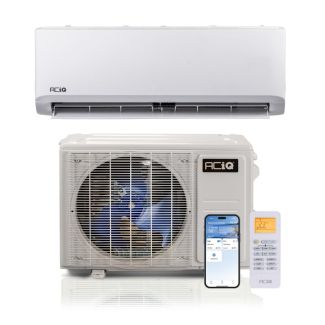
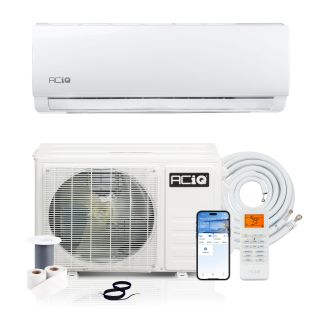


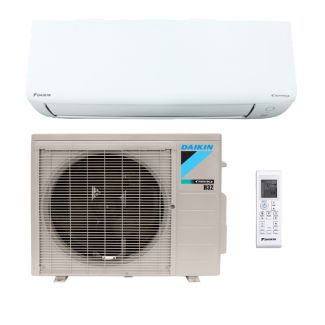


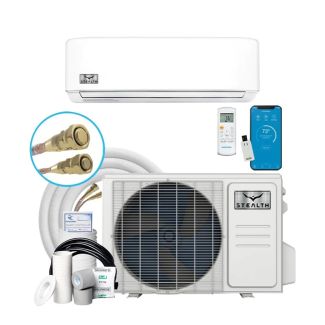

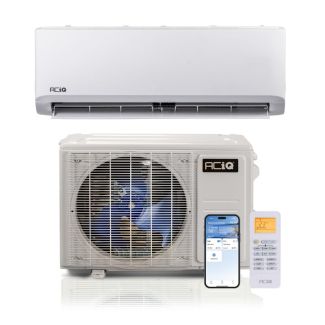

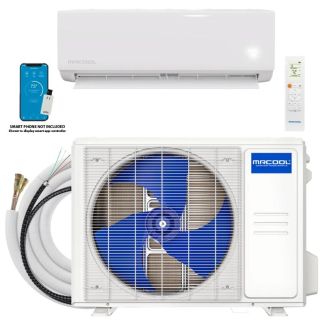
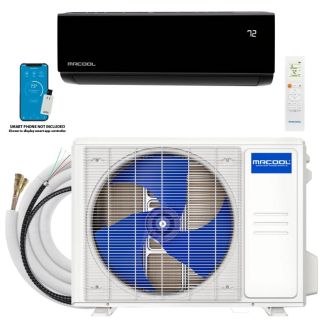

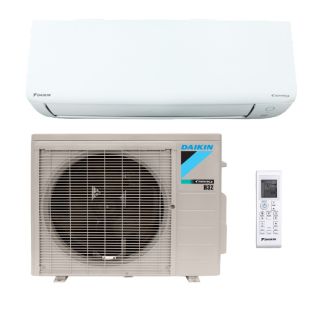

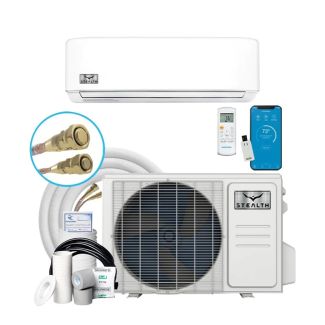
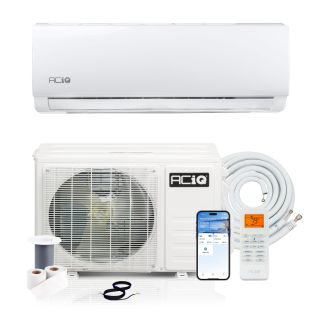

Cabin mini split systems are ductless heating and cooling units designed to provide targeted climate control for one or more rooms in remote or rustic cabins. These systems work by using an outdoor compressor linked through small lines directly to one or more indoor air handlers that continuously cycle air over cold or warm coils to heat and cool the space inside the cabin.
Mini split systems are a practical climate control choice for cabins because they provide zoned heating and cooling without adding bulky ductwork to tight or rustic structures. Their compact design works especially well in cabins with limited mechanical space, open floor plans, or rooms that are used only occasionally.
No Ductwork Required: Mini splits rely on slim copper line sets to connect indoor and outdoor components, which eliminates the need for expensive and space-consuming ductwork in a cabin.
Targeted Zoning Capabilities: Cabins often have open-concept layouts or underutilized guest rooms, and mini splits allow you to condition only the occupied spaces to maximize energy savings.
High Energy Efficiency: Mini splits use inverter technology and do not rely on long duct runs, which can help reduce energy waste compared with some traditional systems.
Whisper-Quiet Operation: The primary mechanical noise is isolated in the outdoor condenser, allowing indoor units to operate as quietly as 19 dB, which preserves the peaceful atmosphere of a cabin retreat.
Simple Installation Process: Installing a system typically requires only a small hole through the wall, which protects the original log or wood structure of the cabin.
Traditional HVAC systems often struggle in cabins due to the lack of pre-existing ductwork, the high cost of custom framing for air returns, and significant energy losses when trying to push conditioned air through poorly insulated crawlspaces. Mini splits solve these design challenges by placing the heating and cooling source inside the cabin and providing more consistent comfort than many central systems in rustic spaces.
Mini split heat pumps work best in single-story hunting cabins, open-concept timber frame cottages, multi-level A-frame retreats, and modular pre-fabricated structures. These cabin styles often work well with ductless layouts, because they provide open areas for airflow and may have limited space for conventional ductwork.
Open-Concept Timber Frame Cottages: These high-ceiling structures allow a single wall mounted air handler to circulate heated or cooled air throughout the main living area without encountering wall obstructions.
Single-Story Hunting Cabins: Compact layouts with few interior walls make single zone mini splits very efficient and keep equipment costs lower.
Multi-Level A-Frame Retreats: Separate indoor units can help manage temperature differences between the main floor and an enclosed or elevated loft.
Modular Prefabricated Cabins: Factory-built structures benefit from ductless installations because the refrigerant lines require only a small hole drilled through the exterior shell.
Before choosing a system, consider the cabin’s insulation, air leakage, ceiling height, sun exposure, elevation, winter design temperature, and expected snowfall. The outdoor unit must also be mounted where drifting snow, falling ice, and debris will not block airflow. Forest shade often reduces the cooling load on the cabin, which can help the mini split run more efficiently.
Yes, you can install a mini split in your cabin using either a DIY-specific system or a professionally installed system. Your choice depends on how comfortable you are with electrical work and basic HVAC installation steps.
DIY Cabin Installation: Selecting a pre-charged system like a MRCOOL DIY unit allows you to connect the indoor and outdoor sections using quick-connect line sets without needing specialized vacuum pumps or refrigerant charging tools. DIY systems still require proper mounting, condensate drainage, electrical work, and compliance with local codes.
Professional Cabin Installation: Hiring a certified technician is required for standard systems from brands like ACiQ or Daikin. These layouts generally require a qualified HVAC technician to cut, flare, pressure-test, and evacuate the refrigerant lines according to the manufacturer’s instructions.
Before installation, check with the local building department to determine whether electrical, mechanical, or structural permits are required. Have the required 115V or 208/230V circuit installed according to the equipment manual and local electrical code.
A cabin mini split system typically costs between $2,000 and $8,000 for a complete hardware and professional installation setup, depending on system type, number of zones, and brand. Final cost depends on whether you choose a simple single zone system or a larger multi zone system with several indoor units.
Equipment Cost: Mini split hardware for cabins usually costs between $650 and $4,500, depending on size and efficiency rating.
Installation and Labor Cost: Hiring a licensed HVAC technician and an electrician to mount the system and establish a dedicated electrical circuit typically costs between $750 and $3,500.
Operation and Maintenance Cost: Maintaining the system through routine filter cleanings and professional tune-ups costs between $100 and $300 annually. Mini splits with inverter technology can keep monthly power costs relatively low, often in the tens of dollars for typical daily use.
Consult your local building department before you start, since electrical and mechanical permits are often required and can cost about $100 to $500.

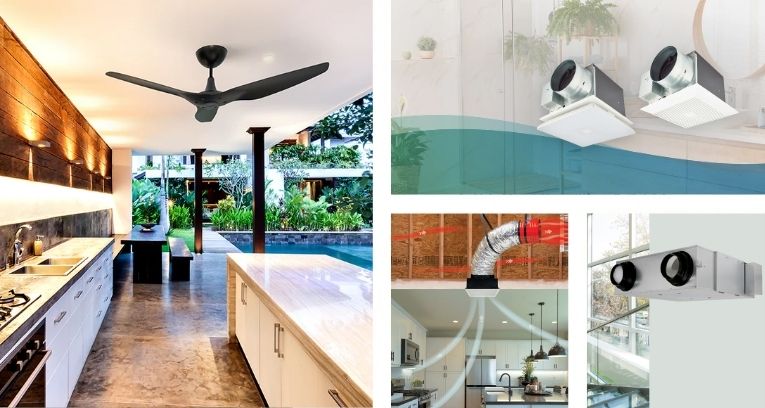
A wall mounted indoor unit is usually the simplest choice for an open cabin with enough clear wall space. Its elevated position can distribute air effectively across a shared living area. A floor mounted console may work better when windows or sloped walls limit mounting space. A ceiling cassette or concealed duct unit may be appropriate when the ceiling structure and installation access can support it. Choosing the right indoor unit helps airflow and can reduce the need to change interior wood framing.
Mini split installations in a cabin require a dedicated circuit wired directly from your main electrical panel to an outdoor weather-resistant disconnect box located near the condenser. Most cabin mini splits run on a 208/230V circuit with a 15 to 30 amp breaker, while some smaller units can use a 115V circuit. The indoor air handler does not require a separate power source because it receives electricity and signal data directly from the outdoor condenser through a 14 AWG four-wire communication cable. MCA and MOP values vary by model, so always follow the equipment label and the installation manual when selecting wire size and breaker.
To determine the correct mini split size for your cabin you must calculate your total interior square footage and multiply it by a baseline factor of 25 to 60 BTUs per square foot. A standard 500 to 600 square foot cabin layout generally requires a 12,000 BTU system to operate efficiently. You may need more BTUs if your cabin has high ceilings or poor insulation, so consult a sizing guide or professional for exact adjustments.
The mini split zone configuration you need depends entirely on the layout and physical division of your cabin space. A single zone configuration consisting of one outdoor condenser and one indoor air handler is ideal if your cabin features a compact open-concept floor plan or a single large room. If your cabin has separate bedrooms, an enclosed loft, or an addition, a multi zone system with several indoor air handlers on one outdoor unit may be a better choice.
Yes, mini splits can cool and heat a cabin using heat pump technology to provide year-round climate control within a single compact system. A reversing valve changes the direction of the refrigerant cycle so the system can move heat outside during cooling or bring available outdoor heat inside during heating. This allows the system to extract warmth from the outside air to heat your cabin during the winter and reverse the process to remove indoor heat during the summer. If your cabin is located in an environment where winter temperatures regularly plunge below 0ºF, choosing a specialized cold-climate heating system from brands like ACiQ or Mitsubishi ensures the heat pump maintains 100% heating efficiency without the need for a backup furnace.
A ductless mini split is usually the most practical option for a cabin without existing ductwork, especially when only one or two open areas need heating and cooling. Ductless systems are engineered to transfer thermal energy directly into open living zones with air handlers that require only a small hole drilled through an exterior wall for installation. While a central ducted mini split remains an option if your cabin already possesses functional pre-existing ductwork, a ductless setup can be more efficient because it avoids energy losses that can occur in long or leaky duct runs.
Yes, mini splits are an excellent climate control option for off-grid or remote cabins because their advanced inverter compressors draw low startup amperage and run highly efficiently on alternative energy setups. Specialized solar-ready ductless models from manufacturers like Stealth can attach directly to roof mounted solar panel arrays to heat or cool your living space during peak daylight hours using 100% solar power mode. Running a standard mini split off-grid often requires a properly sized inverter, battery bank, and solar array, and you should follow specific product guidance for exact sizes.
Yes, a mini split can reduce dampness and musty odors by lowering indoor humidity to levels where mold and mildew are less likely to grow. When operating in standard cooling or its dedicated "Dry Mode," the system continuously draws humid cabin air across a freezing evaporator coil, forcing water vapor to condense on the metal fins and drain safely outside. To prevent stagnant moisture from creating sour smells when closing up the property, running the unit's "Fan Only" mode for 60 minutes before leaving will completely dry out the internal components.
A properly sized multi zone mini split with high BTU capacity can serve cabins up to several thousand square feet when matched correctly to the load. This extensive space is conditioned by connecting five to eight separate indoor air handlers to a single outdoor unit, allowing for customized zoning across multiple rooms. For larger properties, you can add more outdoor units and zones to expand coverage as needed.
You can run a cabin mini split on a backup generator, but it should be paired with an inverter generator that provides clean, stable power. A generator with poor voltage regulation or excessive harmonic distortion may damage sensitive electronic controls. Many inverter mini splits have lower startup demands than fixed-speed units, but the generator still must match the unit’s power requirements. Use a proper transfer switch and follow the instructions for the generator, the mini split, and local electrical codes.