Your cookie preferences
We use cookies to remember your preferences and understand how shoppers use our site, helping us improve your shopping experience.
Read our privacy policy
Want a quality fireplace?
Find long lasting fireplace made in America at HVACDirect.com. The hearth industry is in need of quality options, those options are made right here in America. Get the back-up you need when buying fireplace by American local bussinesses, while helping support American economy. Help build a better American Future. Buy American Made.
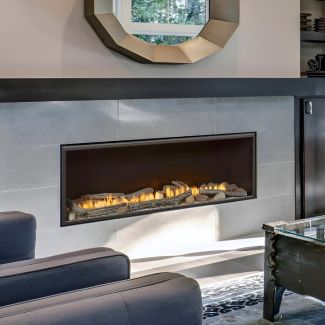



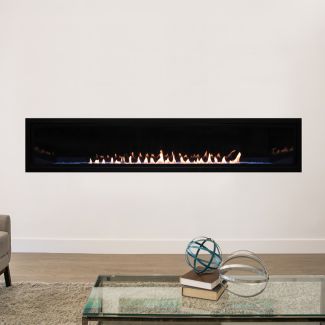
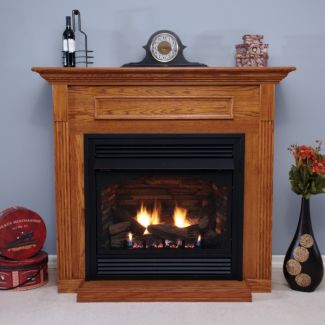


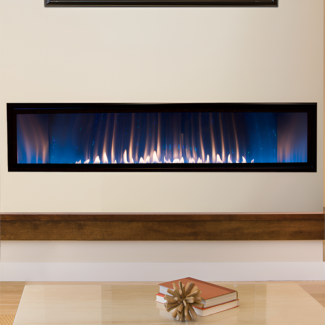

A ventless gas fireplace, sometimes called a vent-free fireplace, is a heating appliance that warms a room without a chimney, flue, or any exterior venting. It cleanly burns either natural gas or propane, and the combustion byproducts stay safely inside the space rather than being pushed outdoors, unlike with conventional wood burning or vented fireplaces.
These fireplaces work by pulling room air directly into the combustion chamber, burning the gas fuel at nearly 100% efficiency, and returning the heat straight back into your room. Because the fuel burns so thoroughly, the minimal byproducts, mostly water vapor and harmless carbon dioxide, can safely remain in well-ventilated indoor spaces without requiring exterior exhaust pathways.
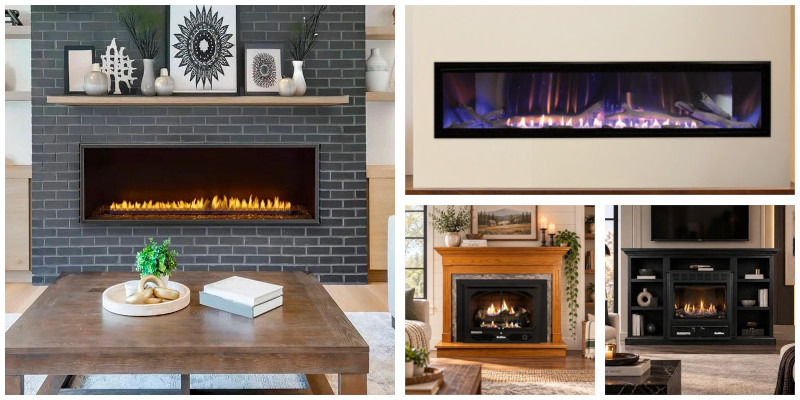



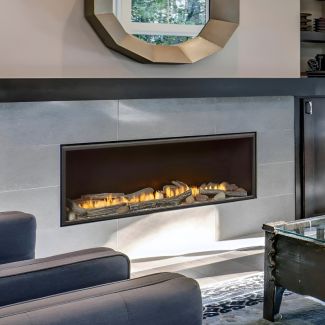
A ventless gas fireplace, sometimes called a vent-free fireplace, is a heating appliance that warms a room without a chimney, flue, or any exterior venting. It cleanly burns either natural gas or propane, and the combustion byproducts stay safely inside the space rather than being pushed outdoors, unlike with conventional wood burning or vented fireplaces.
These fireplaces work by pulling room air directly into the combustion chamber, burning the gas fuel at nearly 100% efficiency, and returning the heat straight back into your room. Because the fuel burns so thoroughly, the minimal byproducts, mostly water vapor and harmless carbon dioxide, can safely remain in well-ventilated indoor spaces without requiring exterior exhaust pathways.
The main benefits of ventless gas fireplaces include efficient supplemental heat, flexible installation without a chimney, lower heat loss, space-saving placement, and the ability to create a strong visual focal point with the warmth and ambiance of a real flame. They are especially useful for homeowners who want to add both comfort and character to a living space without installing a traditional vented fireplace.
No Chimney Required: Because these fireplaces don't require an exterior vent pipe or masonry flue, you don’t need to make any of the structural changes needed to install a fireplace. This helps you save on both time and money. It also makes it possible to install a fireplace in a room where it wouldn’t be possible with a chimney.
High-Heat Efficiency: Traditional open-hearth fireplaces lose upwards of 80% of their heat straight out the chimney stack. Ventless models operate at nearly 99% thermal efficiency, keeping virtually every BTU of heat inside your living area.
Lower Installation Costs: Because you don’t need to make any structural changes, framing modifications, or roof penetrations, the cost of installing a vent-free fireplace is lower than that of a traditional one. You also won't have to pay for the manual labor as well.
Flexible Placement: Unlike vented fireplaces that require an exterior wall or roof access for exhaust pipes, ventless fireplaces can be installed in areas such as landlocked interior rooms, basements, and high-rise apartments where outside venting is impossible.
Minimal Heat Loss and Zoned Heating: Ventless fireplaces lose virtually no heat because they do not require a chimney or flue, keeping 99% of the generated heat inside the room. These systems are designed to heat a single room or zone, instead of an entire house. If you have a fireplace in a living room and it’s cold, you can turn the fireplace on to just heat that space and turn it off when you leave.
Supplemental Heating: Ventless gas fireplaces are designed primarily to supplement an existing heating system rather than replace a whole-home furnace. HVACDirect’s buying guide notes that common units fall around 20,000 to 40,000 BTU. They are not a replacement for a primary heating source.
Together, these benefits make vent-free gas fireplaces a practical, budget-friendly way to add both comfort and character. The biggest advantage is the combination of real flame, high heat retention, and installation flexibility. The tradeoff is that combustion occurs inside the room, which makes proper sizing, local code compliance, and safe placement especially important.
Ventless gas fireplaces work best in open, occupied living areas with adequate room volume and airflow. They are particularly useful when homeowners want supplemental heat but do not have an existing chimney or convenient path for direct venting.
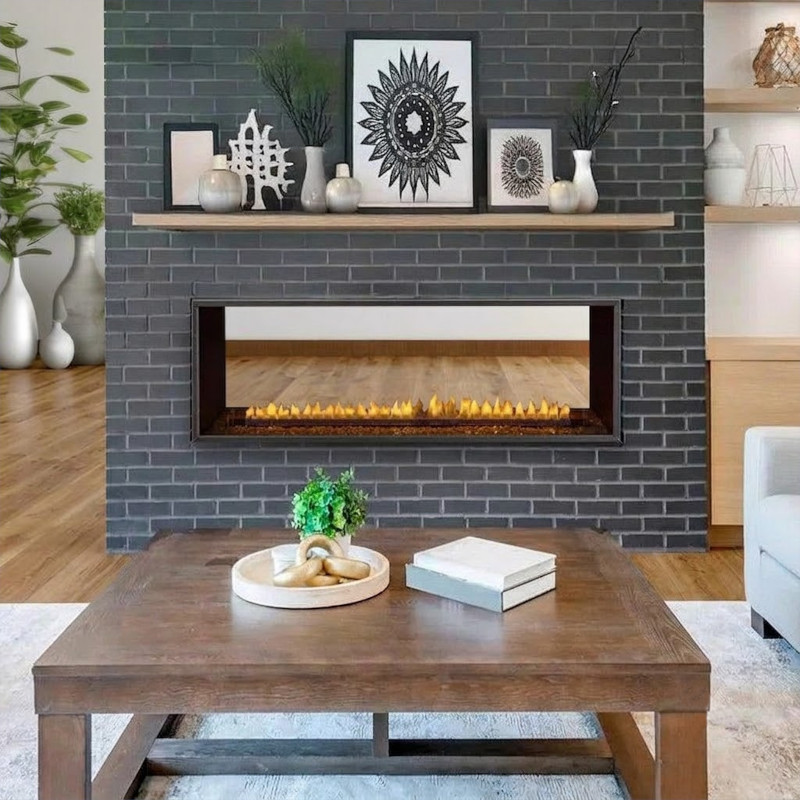
Living Rooms: As the room where families gather most, the living room is a natural home for a fireplace that doubles as a focal point. A statement piece like the Empire Boulevard 60" Linear fits the scale of an open living area beautifully.
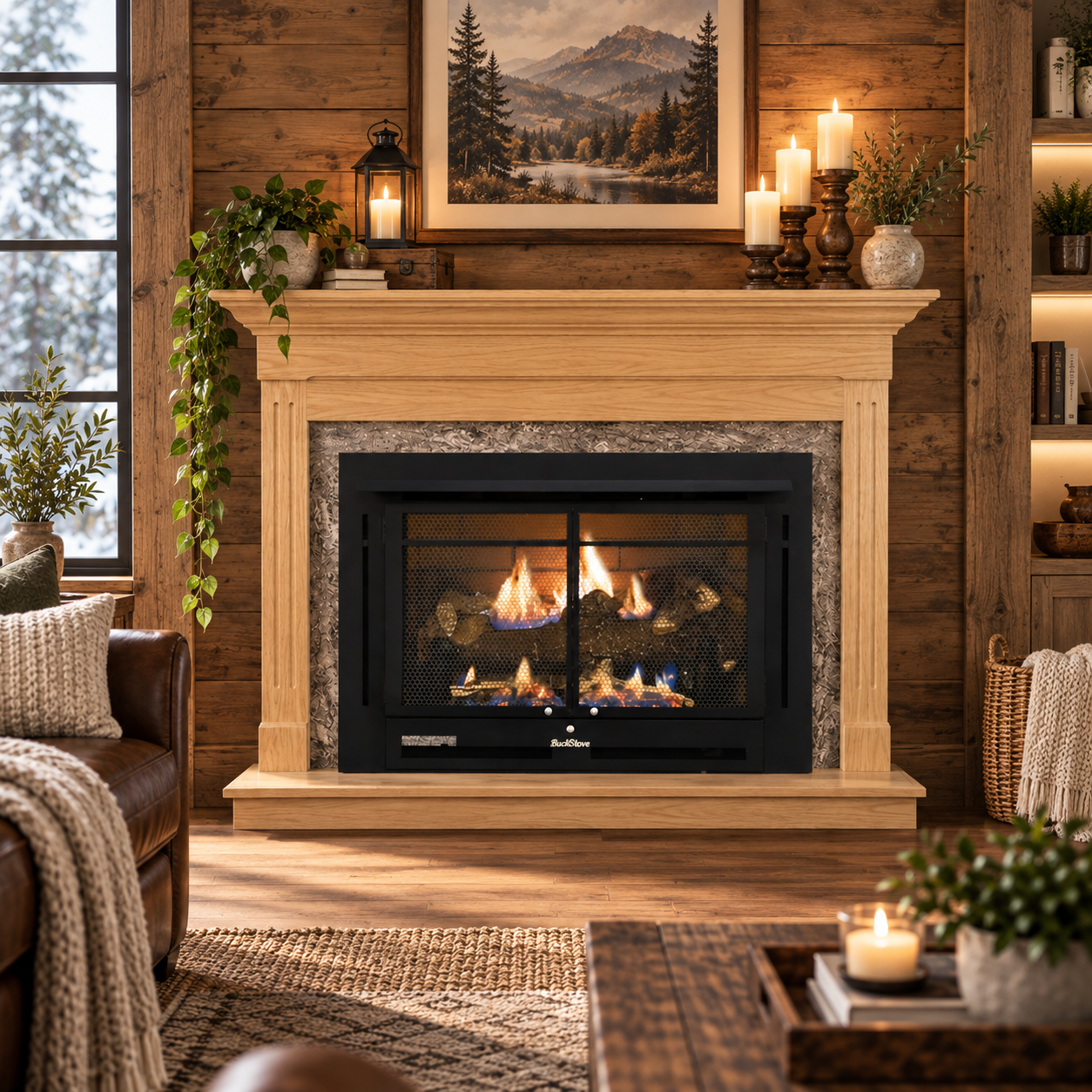
Family Rooms: Casual, high-traffic family rooms benefit from cozy warmth and an inviting glow. A mantel model such as the Buck Stove 1127 with Deluxe Mantel adds both heat and a finished, furniture-like presence.
Basements: Finished basements often sit colder than the rest of the house and rarely have easy chimney access. A vent-free unit solves both problems at once, delivering targeted warmth without any exterior venting.
Cabins: Cabins often lack an existing fireplace or easy vent path, which makes vent-free equipment attractive. You should pay extra attention to moisture, room volume, and air circulation because ventless combustion adds water vapor to the indoor air.
Additions and Remodels: New additions and remodeled rooms are ideal candidates because you can plan gas and clearances into the design from the start. A built-in unit framed into the wall during construction reads as though it was always part of the home.
Because these fireplaces draw on room air for combustion, they are prohibited or heavily restricted in bedrooms primarily due to the severe risks of oxygen depletion, carbon monoxide buildup, and excess moisture while sleeping. Most models are built with oxygen depletion sensors to account for this.
The right configuration depends on your room, your fuel supply, and whether you are building fresh or upgrading something that already exists. Here are the main types HVACDirect.com carries and where each one fits.
Built-In Ventless Fireplace: Framed directly into the wall, built-in units create a seamless, custom look that appears original to the home. They are the go-to choice for new construction and major renovations where you can plan the opening in advance.
Ventless Fireplace with Mantel: These pair the firebox with a decorative mantel cabinet for an instant, finished focal point. The Buck Stove 1127 with Prestige Bookcase Mantel is a strong example that needs no structural work to look built-in.
Freestanding Ventless Gas Fireplace: Freestanding ventless stoves sit away from the wall and offer a more traditional cast-iron or wood-stove look without the mess or a chimney.
Propane Ventless Gas Fireplace: Propane models are useful in rural homes, cabins, or properties without utility natural gas.
Multi-Sided (See-Through and Peninsula): See-through and peninsula designs let the flame be viewed from two or more sides, making them ideal room dividers. They bring warmth and drama to open floor plans where a single-sided unit would waste half the view.
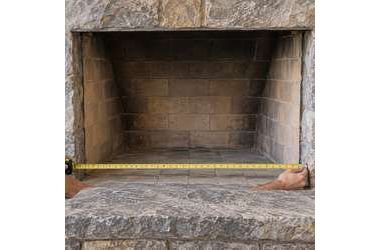
Ventless Fireplace Insert: Inserts slide into an existing fireplace opening and convert a drafty, unused hearth into an efficient heater. Inserts have simpler installations than traditional fireplaces. One popular example is the Empire Loft Insert that provides 10,000 BTUs of energy.
For new construction, a built-in or mantel system offers the most freedom. If there is already an unused hearth, start by measuring the existing opening because an insert can reuse that space with much less visual disruption.
The most useful features improve temperature control, flame appearance, safety, and heat distribution. Current vent-free fireplaces range from simple standing-pilot units to models with electronic ignition, thermostat remotes, lighting, and variable-speed blowers.
Thermostat and Remote Controls: A programmable thermostat remote allows you to set your desired room temperature and lets the fireplace automatically adjust its heat output. This ensures consistent comfort without needing to constantly turn the unit on and off manually.
Variable Flame Control: This feature lets you adjust flame height to control both room temperature and visual ambiance. You can turn it up on a freezing night for maximum heat, or dial it low for a quiet, fuel-efficient glow that saves on utility costs.
Electronic Ignition: Electronic ignition lights the burner reliably at the push of a button, with no standing pilot burning fuel around the clock. Most electronic ignitions include an integrated battery backup, ensuring you can still light the fireplace for emergency heat during a power outage.
Oxygen Depletion Sensor: An ODS monitors combustion conditions and automatically shuts down the gas supply if room oxygen drops too far for safe operation. It is required for most ventless fireplaces since they exhaust fumes inside.
Blower Fan: An optional blower fan forces warm air out into the living space rather than letting it naturally rise to the ceiling, warming the room much faster. While basic single-stage blowers operate at one fixed speed, premium variable-speed models allow you to adjust the airflow intensity to balance heating power with fan noise.
Burner Media (Logs/Fireglass/Stones/Shapes): Burner media determines whether the fireplace looks rustic, traditional, or contemporary. Some examples include Empire’s Boulevard see-through models that can use fire glass, stones, shapes, beads, or logs, and traditional Buck Stove fireplaces that use realistic gas-log sets and ember-style presentations.
Homeowners mainly interested in heat may prioritize a thermostat and blower, while someone building a statement wall may care more about remote flame control, lighting, and decorative media. Safety features such as ODS and certified installation should remain non-negotiable regardless of style.
Beyond styling and controls, you need to make sure the fireplace fits the room size, has the correct heating output and fuel supply, and meets regulations. Vent-free gas equipment is less complicated than vented equipment in some ways, but it is more restricted by room size and local code, so these checks should happen before purchase.
BTU Output: BTU rating tells you how much heat a unit produces, with most vent-free models on HVACDirect.com falling between 10,000 and 40,000 BTUs. You need to match the output to the room size, so you get comfortable warmth without overheating the space.
Room Size: Square footage, ceiling height, and insulation all influence how much heat you actually need. A standard rule of thumb for supplemental heating is that every 1,000 BTUs covers roughly 25 to 35 square feet. For example, a 20,000 BTU fireplace may cover around 600 to 700 square feet with proper installation, while a 40,000 BTU fireplace can cover up to 1,200 to 1,500 square feet.
Fuel Type: Ventless gas fireplaces generally operate on either natural gas or propane. When buying online, HVACDirect.com allows you to select the fuel type that you need on most gas fireplaces. Propane is often the practical option where utility gas is unavailable, while natural gas can eliminate the need to maintain an on-site tank.
Gas Line Access: Every ventless gas fireplace requires a properly sized gas supply line capable of delivering the unit’s full BTU input. If you need to run a new line, it will increase the overall cost of installing a gas fireplace.
Clearance Requirements: The fireplace still needs manufacturer-specified distances from combustible framing, flooring, furniture, mantels, televisions, and other materials even though it has no vent pipe. Clearance numbers differ by model, which means framing should be based on the installation manual rather than a generic fireplace dimension.
Local Building Codes: Vent-free appliances are prohibited or restricted in some locations due to not venting outside. Some current restrictions include that California prohibits vent-free appliances, portions of Colorado restrict them because of altitude, and Massachusetts restricts their use in bedrooms and bathrooms, so buyers should verify local rules before ordering.
You should treat BTUs, room volume, fuel supply, and code approval as installation requirements rather than optional buying preferences. Confirming those four items first can prevent buying a fireplace that cannot legally or comfortably be used in the intended room.
Buck Stove, Empire, Kingsman, and Superior all offer ventless gas options through HVACDirect, but their strengths are somewhat different.
Buck Stove: Buck Stove builds USA-made durable, well-crafted units with timeless styling and generous standard features. They have popular series such as the Manhattan and Contemporary that offer different design styles. They are well-known for their built-in, mantel, and mobile-home approved options.
Empire: Empire is known for innovative engineering and dependable performance across a broad lineup, including see-through, insert, built-in, and mantel options. The Empire Boulevard linear range and the compact Vail series give buyers options for nearly any room size.
Kingsman: Kingsman specializes in highly customizable ventless fireplaces engineered for safety, efficiency, and excellent heat distribution. Their clean-view linear models allow homeowners to tailor the aesthetic with various log sets, liners, and decorative surrounds. However, they are more well-known for their direct-vent rather than ventless options.
Superior Fireplace: Superior focuses on modern built-in linear designs with larger viewing areas and contemporary controls. They are highly regarded for combining sleek, low-profile aesthetics with advanced electronic ignition systems that ensure reliable operation.
For a traditional fireplace or insert, Buck Stove and Empire offer plenty of options. Superior is the stronger visual example for a modern linear feature wall, while Kingsman is more known for its freestanding options.
The total upfront cost range to purchase and install a ventless gas fireplace or stove is $1,200 to $11,800+. It varies widely based on local labor rates, equipment price, and whether you need to add a gas line or not. Here’s a typical breakdown of costs to expect.
Equipment Cost: $1,000 to $5,000+, depending on brand, BTU capacity, and feature options. Compact models start lower, such as the Buck Stove 1110 at about $1,000, while mid-range traditional fireplaces commonly sit around $1,700 to $3,100. Large modern models cost more, including the Superior VRL6048 at about $6,000 and Empire Boulevard 72 at $7,000. These prices reflect current prices as of 2026 and can fluctuate.
Installation Cost: Ventless fireplaces typically cost about $300 to $4,000 to install and can cost less than comparable vented fireplaces because there is no flue, chimney, or exterior termination to build. Labor still varies based on framing, finish work, permits, appliance location, and whether the project is a simple mantel installation or a custom built-in. A freestanding stove will have the lowest installation costs.
Gas Line Cost: Running a new gas line or extending existing piping generally adds $15 to $25 per linear foot, with total gas plumbing work typically ranging from $200 to $800+, depending on the distance from your main supply or meter. An existing, correctly sized gas connection keeps this expense minimal, while adding or extending natural-gas or propane piping increases labor and material costs.
Operation and Maintenance Cost: Operating costs average $0.20 to $1.55 per hour, depending primarily on fuel type. Propane normally costs $0.55 to $1.55, while natural gas costs anywhere from $0.20 to $0.65. These costs can vary over time and are reliant on local rates. Because ventless models operate around 99.9% efficiency, very little generated heat is lost outdoors, keeping operating costs minimal compared to traditional fireplaces. These fireplaces should be inspected annually. Annual professional inspection and cleaning still cost $100 to $350 to maintain burners, pilots, oxygen depletion sensor, components, blowers, and controls.
For a ventless gas fireplace, permit costs typically range from $50 to $500 total. Because a ventless unit requires no chimney penetration, you bypass structural or roofing permit fees. However, you usually need a combination of specific trade permits, including those for gas piping, plumbing, and mechanical work. It is very important that you check local codes, as some jurisdictions ban these fireplaces entirely due to air quality regulations.
HVACDirect combines a large online hearth selection with technical support, manufacturer documentation, pricing protection, and nationwide fulfillment. The current ventless catalog includes traditional, linear, see-through, mantel, insert, and freestanding options from several major fireplace manufacturers.
Expert Technical Support: HVACDirect provides U.S.-based technical support and publishes installation manuals, spec sheets, product dimensions, BTUs, fuel requirements, and warranty information directly on product pages. That gives homeowners and installers a clearer way to confirm whether the selected fireplace fits before ordering.
Excellent Customer Service: Customers can reach HVACDirect by phone, email, and chat for product questions and order support. Our customer service representatives have years of experience in the HVAC industry combined and can help with any technical questions you might have.
Fast Lead Times: We list online if our products are in stock and ready to ship and keep you aware of any delays. We ship out as early as the following business day throughout the continental United States. We have warehouses strategically located across the country to make sure the product gets to you as fast as possible.
Free Shipping: Most ventless gas fireplaces ship free, trimming a meaningful cost off your total. We include several shipping options, including delivery with a lift gate when needed.
110% Price Guarantee: HVACDirect’s 110% Lowest Price Guarantee applies when an authorized competitor has the identical qualifying item in stock for less. HVACDirect states that it will beat the qualifying competitor’s total price by 10% of the difference, subject to the program’s exclusions and terms.
Homeowner and Contractor Focused: HVACDirect serves homeowners, contractors, and businesses and provides detailed technical documents that can be shared with the professional handling the installation.
HVACDirect.com has thousands of products from top brands available for purchase online. You can easily compare different products at your own pace from the comfort of your own home.

Yes, they are safe for indoor use when installed and operated according to the manufacturer's instructions and your local building codes. Certified units burn gas cleanly and include an oxygen depletion sensor that shuts off the gas before indoor oxygen reaches an unsafe level.
They do not require a chimney, flue, or dedicated vent, which is the entire point of a vent-free design. It is still wise to place them in an open area with good air circulation and to follow the manufacturer's room-size guidelines.
Yes, they can raise indoor humidity because water vapor created during gas combustion stays in the room instead of being exhausted outdoors. This can be helpful in an extremely dry winter home, but excessive runtime in a tight or already-humid space can contribute to condensation.
A properly operating unit should not continuously produce a strong gas or exhaust smell. However, new paint, cleaners, candles, aerosols, cooking residue, and other airborne compounds can be drawn into the flame and create temporary odors.
No, they are designed as supplemental heat rather than a whole-home primary system. Use one to warm a specific room or zone alongside your main heating equipment. They are not designed to replace a dedicated heating unit such as a furnace.
Standing-pilot models do not necessarily require household electricity for the burner, and certain electronic-ignition systems provide battery backup, although blowers and accent lighting may stop without 120V power.
Some models can, but the exact fireplace must be specifically listed for mobile-home installation. Some current HVACDirect examples that are mobile-home approved include the Empire Vail 24, Vail 32, and Vail 36. You can use our filters to narrow down your search results to list only those approved for these types of homes.
Bathroom use depends on the appliance listing and local code, and many jurisdictions restrict vent-free appliances in small enclosed spaces. For example, Massachusetts prohibits them in bathrooms. You should check the manufacturer’s manual and your local code before installing them in a bathroom.
With proper care and regular maintenance, a ventless gas fireplace can usually provide 15 to 20 years of use. The burner condition, controls, blower use, corrosion, installation quality, and maintenance all significantly affect lifespan. The unit's overall lifespan relies heavily on keeping its sensitive Oxygen Depletion Sensor (ODS) and burner ports free of dust and lint. Smaller mechanical parts like the thermocouple, pilot assembly, and optional electric blower fans are prone to wear and generally require replacement every 5 to 12 years to keep the entire system running safely and efficiently.
They are among the most efficient fireplace types, reaching close to 100% efficiency because no heat escapes up a chimney. Nearly all of the fuel's energy is converted directly into warmth for your room.
A standard ventless gas fireplace uses between 20,000 and 40,000 BTUs of fuel per hour, though actual consumption ties directly to your unit’s maximum heat capacity, room size, and settings. Because these models operate at a near-perfect 99.9% efficiency rating, virtually all consumed gas is converted into usable indoor heat, though how that BTU consumption translates to physical fuel and price depends entirely on your utility source.
Basic models do not, since gas supplies the heat and many can light without power. Electricity is only needed for added features such as a blower fan, lighting, or electronic ignition. This makes them a great backup heat source during winter power outages.