Your cookie preferences
We use cookies to remember your preferences and understand how shoppers use our site, helping us improve your shopping experience.
Read our privacy policyRadon Fans are designed to support effective radon mitigation by helping redirect unwanted gases away from living and working spaces. These fans promote safer indoor air quality and provide dependable operation for residential and commercial radon control systems.
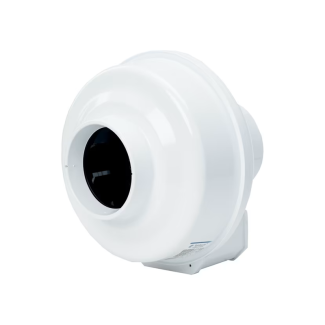


A radon fan is a specialized inline exhaust fan designed to lower indoor radon gas levels by removing soil gas from beneath a building's foundation. Radon is a naturally occurring radioactive gas that enters buildings from the soil and can accumulate to elevated levels indoors. This gas most often accumulates in basements, crawl spaces, and other areas that are in direct contact with the soil.
It works through a time-extended process called active soil depressurization, creating negative pressure under the concrete slab or crawl space membrane. This continued suction pulls radon gas into a sealed PVC pipe system before it can seep into living spaces, safely venting the gas outdoors above the roofline and creating a healthier environment.
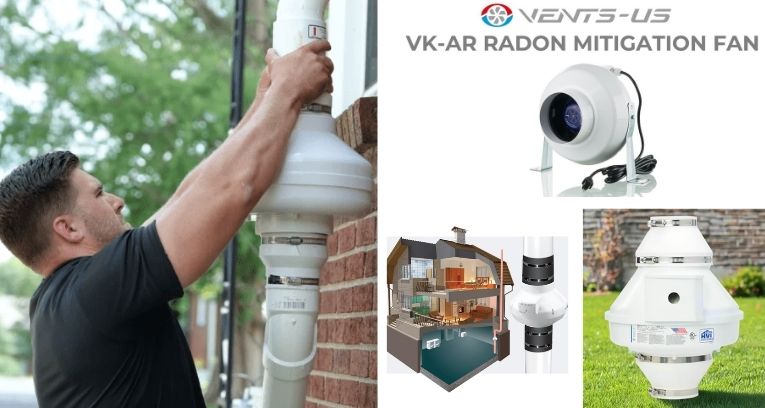

Radon fans are used in active radon mitigation systems to continuously draw radon-containing soil gas from beneath a building and exhaust it outdoors. They maintain steady negative pressure under concrete slabs and soil membranes to keep dangerous soil gases from leaking into indoor air spaces.
Active Mitigation Systems: These fans power primary soil depressurization setups by creating continuous suction under slabs to redirect dangerous gases safely outside.
Passive System Activation: Installing an inline fan into an existing passive PVC vent pipe upgrades the setup into a high-performing active soil depressurization system.
Replacement Installations: High performance fans serve as direct replacements for older or worn-out units to restore proper system airflow and help maintain effective radon mitigation performance.
High-Radon Homes: Dedicated high-suction fan models are used in structures with excessively high radon levels to achieve dramatic gas reduction.
Systems With Multiple Suction Points: Powerful commercial-grade fans pull air from multiple pipe penetration points across large basement footprints or tight sub-slab aggregate beds.
Selecting the right fan size and wattage helps maintain effective soil depressurization while minimizing energy use.
Radon fans are commonly installed in residential and commercial properties where soil gas accumulates beneath foundations and ground levels. These active depressurization units pull dangerous gases from under concrete slabs or soil membranes and exhaust them safely above the roofline.
Homes with Basements: Basements have large below-grade wall and floor surface areas that allow radon gas to seep in through concrete cracks.
Crawl Spaces: Unpaved or gravel crawl spaces trap soil gases that easily migrate up into living spaces without sub-membrane suction.
Slab Foundations: Slab-on-grade homes sit directly over soil, requiring sub-slab suction points connected to a radon fan to maintain negative pressure under the concrete.
New Construction: Modern home builders may install passive PVC vent stacks that can be upgraded with an inline fan if post-construction radon testing shows elevated levels. If that testing indicates elevated radon, the passive system may be activated with a fan or otherwise modified by a qualified radon professional.
Existing Radon Systems: Older radon mitigation systems use replacement fans to restore proper vacuum pressure when aging units fail or lose airflow efficiency.
Apartments & Commercial Buildings: Multi-family complexes and commercial structures use high-capacity fans to depressurize large ground-floor sub-slab footprints.
High-Radon Areas: Properties built over uranium-rich soil or rock formations sometimes use high-suction fan models to pull radon gas out from tight aggregate beds.
Proper fan placement helps reduce indoor radon levels and supports effective system performance. Selecting an appropriate radon fan for your specific building needs helps ensure reliable year-round performance while maintaining low energy consumption.
Many radon fans operate between 40 dB and 55 dB under normal conditions, though actual sound levels vary by model and installation. There is not one universal noise range, so sound varies significantly by model, airflow, static pressure, mounting, and measurement conditions. Use manufacturer-rated sound data for specific products. Actual noise depends on duct diameter, airflow velocity, fittings, installation, fan design, and building construction.
Yes, homeowners can install a radon fan themselves in some areas, but local codes may require installation by a qualified radon mitigation professional. Radon fans must not be installed inside a living space. Proper and code-compliant installation requires the fan to be mounted outside the livable envelope, either in an unconditioned attic, on an exterior building wall, or inside a garage. There should be no living space directly above it. Replacing an existing fan is often simpler than installing a new mitigation system and may reduce labor costs. However, a full system installation requires sealing slab cracks and drilling sub-slab suction pits, so hiring a qualified or state-certified radon mitigation professional is safer for complex setups.
Evaluating specific performance metrics and house features like airflow, installation location, piping compatibility, and others can help you select a radon fan that maintains safe indoor air quality without wasting energy. You must match fan airflow capacity, suction pressure, and piping size to your building footprint to lower gas levels below 4.0 pCi/L, an EPA radon threshold indicating a potential inhalation risk.
Required Airflow CFM and System Size: High-flow fans moving 150 to 370+ CFM are designed to move the maximum amount of air through loose gravel, drain tiles, or large footprints. High-suction or high-pressure radon fans are designed to overcome high static resistance from tight clay or sand. They maintain vacuum suction even when airflow volume is reduced, delivering 150+ CFM of capacity.
Number of Suction Points: Larger homes or complex basements require multiple suction pit locations connected to a single high-capacity fan to pull soil gas evenly.
Foundation Type and Installation Location: Mounting the fan in an attic or on an exterior wall prevents gas leaks into living spaces and keeps operational sounds away from bedrooms.
Fan Noise Level and Energy Efficiency: Look for Energy Star models with low power consumption to reduce operating costs during continuous operation.
Compatibility with Existing Radon Piping System: Standard inline fans connect directly to PVC vent pipes using flexible rubber couplings for easy upgrades.
Investing in a fan rated for your specific sub-slab soil conditions helps maintain system performance while reducing unnecessary energy use and equipment wear. Consulting with an HVACDirect.com professional about resources such as radon diagnostic tools can help you choose the correct model before finalizing your purchase.
Fantech and Vents-US are widely recognized manufacturers of residential and commercial radon fans. These industry-leading manufacturers build full-duty inline fans with UV-resistant plastic or heavy-duty metal housings to keep sub-slab suction pressure reliable at all hours every day.
Fantech Radon Fans: Fantech pioneered inline radon mitigation technology and offers Energy Star models like the Rn1, Rn2, Rn3, and Rn 4EC with low power draw starting at 20W. Their units feature vibration-isolating LDVI couplings and sealed plastic housings engineered for 3-inch and 4-inch PVC vent pipes.
Vents-US AntiRADON Fans: Vents-US manufactures heavy-duty VK and VKM series centrifugal fans in 4-inch to 12-inch duct sizes for residential and commercial sub-slab systems. Their UV-protected plastic and powder-coated metal housings resist harsh weather conditions during extended outdoor operation.
Choosing between these brands depends on your required pipe diameter, sub-slab soil density, and static pressure needs. While Fantech excels in quiet residential installations with low wattage requirements, Vents-US offers larger duct sizes up to 12 inches for extensive commercial footprints.
A complete radon fan setup typically costs between $200 and $2,000 total across equipment, installation, and annual electricity. Standalone replacement fans cost between $165 and $550 on HVACDirect.com, while full professional mitigation systems increase the overall investment. Please note that the price ranges presented in this section and below serve as general planning estimates rather than guaranteed costs.
Equipment pricing reflects products available on HVACDirect.com, while installation and operating costs are industry estimates that vary by location, contractor rates, and system requirements. However, the figures for whole-job and hourly installation labor, operating expenses, maintenance costs, and related services are industry-wide averages that fluctuate significantly based on numerous variables. System size and efficiency level, specific installation challenges, regional contractor rates, local utility pricing structures, geographic climate conditions, and other individual circumstances all influence the final project cost. These variables create substantial variations between homes. Homeowners should consult with a qualified local HVAC technician or an HVACDirect.com professional to determine accurate pricing for a particular situation and location.
Equipment Cost: High-efficiency inline fans cost between $150 and $550 depending on motor wattage, pipe diameter, and static pressure rating.
Installation Cost: Hiring a licensed contractor for a complete radon mitigation system installation costs between $800 and $2,500, while a simple fan replacement costs between $150 and $350. Hourly labor for hired pros ranges from $75 to $150 per hour, either as standalone hourly billing or as part of whole-job installation pricing. DIY installation may eliminate labor costs where permitted by local regulations.
Operational Cost: Running a radon fan for 24 hours per day costs between $50 and $100 per year in electricity, but those rates can vary with fan wattage consumption and local energy pricing.
Choosing an Energy Star fan with an EC motor reduces ongoing electricity costs while maintaining constant vacuum pressure under your foundation. Investing in quality rubber couplings during setup also prevents motor strain and reduces long-term maintenance expenses.
Purchasing a radon fan from HVACDirect.com offers direct-to-consumer pricing and access to factory-authorized equipment. Customers benefit from lower equipment costs, expert technical assistance, and fast shipping from a nationwide distribution network.
Direct To Consumer Wholesale Pricing: HVACDirect.com eliminates installer markups by selling directly online, offering wholesale prices backed by a 10% price match guarantee on identical radon fans.
Authorized Dealer Warranty Protection: Every radon fan sold is 100% genuine and comes with full factory warranty support to safeguard your equipment investment.
Expert Technical System Sizing: Product specialists can help match fan performance, pipe size, and pressure requirements to your mitigation system.
Fast Nationwide Shipping Network: Strategic warehouse locations across the United States allow for rapid order processing and quick delivery to keep your mitigation project on schedule.
Industry Leading Brand Selection: HVACDirect.com carries trusted radon fan manufacturers like Fantech, Vents-US, and Suncourt for residential and commercial systems.
Buying directly gives homeowners and contractors full control over equipment selection and budget while avoiding unnecessary markup fees from local installation companies. Pairing factory-direct equipment with professional installation delivers maximum system performance at the lowest possible total project price.



Radon fans typically last between 5 and 10 years of extended 24-hour operation, with major manufacturers like Fantech backing their units with 5-year limited warranties. Extended exposure to high sub-slab moisture, extreme outdoor freezing temperatures, and debris can wear down the motorized impeller bearings over time. Installing vibration-isolating couplings and maintaining proper drainage can help extend fan life and support effective radon mitigation.
Yes, radon fans must run continuously 24 hours a day to maintain steady sub-slab depressurization and prevent radon gas from seeping into living spaces. Turning off the fan causes soil pressure to rebalance, which allows dangerous gas levels to rebuild inside your home within a few hours. Because of this non-stop operation, models sold on HVACDirect.com feature hardened, weather-resistant motors that use only 20W to 60W of electricity.
The radon fan size you need depends on your home square footage and sub-slab soil density. Homes built over porous gravel or sand need low to medium pressure fans with higher airflow, while dense clay soil requires a high suction model to pull soil gas effectively. Matching the fan to your PVC vent pipe diameter ensures proper suction pressure and continued radon reduction.
A radon fan becomes unusually loud due to failing motor bearings, unisolated pipe vibration, or moisture and ice accumulation inside the housing. Standard extended-duty units run quietly between 40 dB and 55 dB, so sudden noise increases typically signal a mechanical issue or installation defect. Worn motor bearings, pipe vibration, trapped condensation, or ice buildup are common causes of excessive radon fan noise. Loud hums or buzzing are usually caused by structural vibration transfer, which occurs when a fan is mounted directly to a rigid PVC pipe without flexible rubber couplings to isolate the motor. Additionally, condensation trapped in unsloped vent pipes creates gurgling sounds, while freezing winter temperatures can form ice on the spinning impeller blades. Installing flexible couplings, ensuring proper pipe pitch, or replacing an aging fan restores quiet, extended-duty 24-hour operation.
No, radon fans must not be installed horizontally. Most radon fans are designed for vertical installation to allow proper moisture drainage and safe operation. Mounting a radon fan on its side causes heavy condensation to pool inside the lower curved section of the housing rather than running back down the PVC stack. This trapped water causes the spinning impeller to repeatedly move through the liquid, leading to severe operational noise, electrical shorting, and premature motor failure.
No, radon fans must not be installed inside an occupied or conditioned basement or any other living space within the home. Building codes and EPA mitigation standards require radon fans to be installed outside the home's thermal envelope, typically in an unfinished attic, an attached garage, or outdoors on an exterior wall. Installing a fan inside a basement creates a risk of introducing radon into the building. If a radon fan or positive-pressure exhaust pipe inside a basement develops a small crack, loose coupling, or seal failure, concentrated radon gas would be actively pumped directly into the living space at high pressure. Placing the fan outside or in an attic ensures that all piping running through living areas remains under negative pressure. Under suction, any potential leak pulls indoor air into the pipe rather than allowing radon to leak out into the home.
Yes, radon fans come with manufacturer warranties, with warranty periods that vary by manufacturer and model, often around five years. Major brands like Fantech and Vents-US offer 5-year limited factory warranties that protect against defects in materials or workmanship and against motor failure during 24-hour continuous operation. To maintain warranty coverage, the fan must usually be installed according to the manufacturer's precise guidelines. Failing to follow installation requirements can void the factory warranty.
You can buy a radon fan online directly from authorized ventilation retailers, such as HVACDirect.com. Shopping online through an established distributor gives you direct access to complete lines of radon mitigation equipment from leading manufacturers like Fantech and Vents-US. Ordering online allows you to review technical specifications, select the precise CFM airflow and duct diameter required for your system, and take advantage of wholesale direct-to-consumer pricing with full manufacturer warranty protection.
A radon fan is most commonly installed by a certified radon mitigation professional, though local regulations may also allow qualified HVAC contractors, electricians, or homeowners to perform the work. Hiring a certified contractor through organizations like the National Radon Proficiency Program or National Radon Safety Board ensures proper sub-slab diagnostic testing, correct fan sizing, and full compliance with state health codes. Licensed HVAC technicians and electricians are frequently brought in to handle dedicated electrical wiring and ensure exterior pipe routing meets local mechanical standards. In many jurisdictions, handy homeowners are legally permitted to perform direct fan replacements using basic hand tools and flexible rubber couplings, provided local residential codes do not require certified installation for home sales.
