Your cookie preferences
We use cookies to remember your preferences and understand how shoppers use our site, helping us improve your shopping experience.
Read our privacy policyHeat Recovery Ventilators (HRVs) replace stale, polluted indoor air with a continuous supply of fresh outdoor air while recovering heat from the air on its way out. Since they transfer heat but not moisture, HRVs work best in cold climates and tight, well-sealed homes that need steady mechanical ventilation through the heating season. Most models connect directly to your existing forced-air ductwork so both systems operate together for efficient whole-home ventilation. The result is better air circulation, less strain on your HVAC equipment, fewer cooking, bathroom, and pet odors, filtered removal of indoor toxins, and improved energy efficiency.
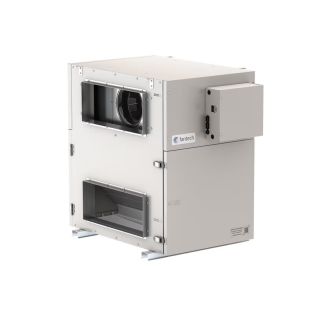
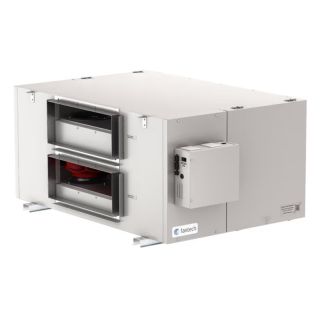
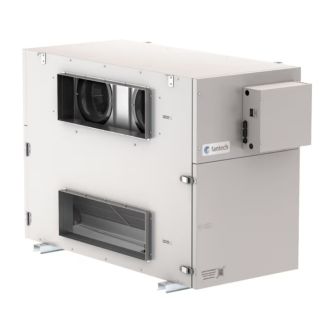
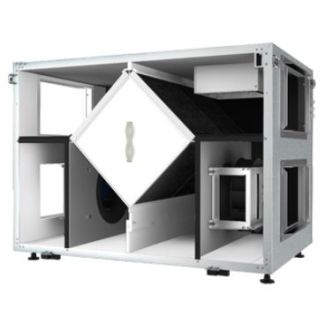
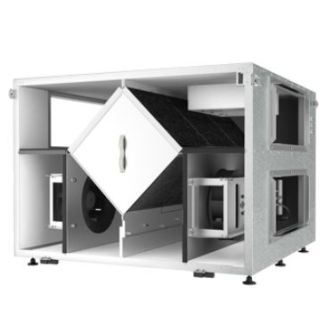


A heat recovery ventilator, or HRV, exchanges stale indoor air for fresh outdoor air while recovering heat from the exhaust air. The two air streams pass through separate channels in a heat recovery core, where heat transfers from the outgoing air to the incoming air. As both air streams pass through separate channels inside the core, the core transfers heat between the air streams while keeping the outgoing and incoming air separate. This process helps maintain healthy indoor air quality and delivers pre-conditioned air into your living spaces while reducing the heating load on your main HVAC system.
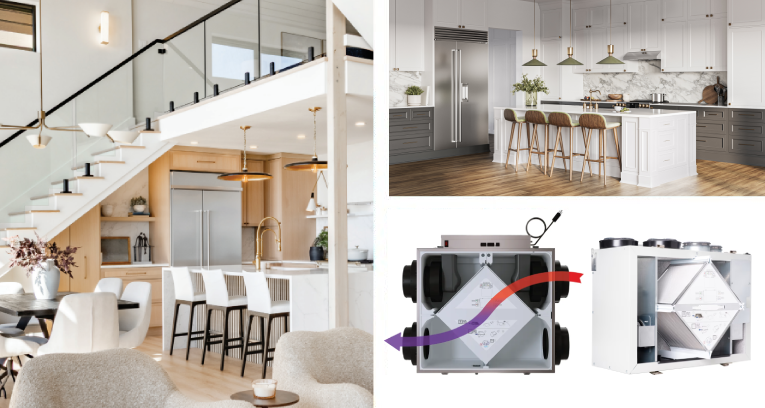

Installing a heat recovery ventilator can recover heat that is normally wasted through basic exhaust fans, help manage indoor moisture and reduce conditions that can support mold growth, and improve the overall air quality throughout the home. This continuous air exchange process can reduce winter heating demand while delivering fresh, filtered outdoor air throughout every room.
Improved Indoor Air: An HRV continuously replaces stale indoor air with fresh outdoor air, helping dilute odors, volatile organic compounds, and other indoor contaminants. Integrated air filters clean the incoming air stream before it circulates into your living areas.
Reduced Heat Loss: The internal recovery core transfers heat from outgoing exhaust air to incoming outdoor air during winter. This process pre-heats incoming fresh air so your home maintains warmth without wasting energy.
Lower Energy Costs: By recycling heat that would otherwise blow outside, an HRV decreases the overall workload on your central heating equipment. An HRV can reduce the heating load associated with ventilation compared with opening windows, but savings depend on climate, airflow, and operating hours.
Balanced Ventilation: An HRV supplies fresh outdoor air while exhausting stale indoor air at balanced airflow rates. Proper balancing helps limit pressure differences that can contribute to drafts and uncontrolled outdoor air infiltration.
Moisture Control: An HRV removes excess moisture, steam, and indoor humidity generated by cooking, bathing, and everyday household activities. Exhausting this humid air helps prevent window condensation, water damage, and indoor mold growth during cold weather.
Year-Round Comfort: Continuous airflow eliminates cold drafts near doors and windows while preventing stuffy pockets of air in closed rooms. Your home stays fresh and evenly conditioned across every season.
HRVs are especially well suited to airtight homes in colder climates, where recovering heat from exhaust air can reduce ventilation-related heating losses. An ERV may be a better choice in regions where summer humidity control is a major priority.
HRVs work well in tightly sealed homes, apartments, additions, commercial buildings, and cold-climate properties. Choosing the right installation style depends directly on the layout and physical setup of your building.
Single-Family Homes with Forced-Air Ductwork: Whole-house ducted HRVs connect directly to existing central supply and return ducts to deliver balanced fresh air to every room.
Apartments and Condos: Compact top-port or multi-port HRV units easily fit inside small utility closets or ceiling cavities to satisfy ventilation needs in smaller spaces.
Additions or Rooms Without Existing Ductwork: Single-room through-the-wall HRVs supply direct fresh air exchange to newly built additions, bedrooms, or garage conversions without needing duct installations.
Commercial and Light-Industrial Buildings: Offices, workshops, and other light-commercial spaces can use HRVs to bring in fresh air while recovering heat from outgoing exhaust air.
Cold-Climate Homes: HRVs are especially useful in tightly sealed homes with long heating seasons because they recover heat from outgoing air before fresh outdoor air enters the home.
After choosing a suitable space type, size the HRV by required airflow, occupancy, and duct design. Airflow needs also depend on factors such as occupancy and ventilation requirements. In warmer regions with high summer humidity, an ERV may serve as a better fit to control latent moisture.
Selecting the proper heat recovery ventilator depends on your home layout, total square footage, ductwork setup, and installation footprint. Choosing the right configuration ensures balanced air exchange across your living spaces while keeping operating noise and energy usage low.
Whole-Home Ducted HRV Systems: These central units tie directly into your home’s main HVAC ductwork to distribute fresh air throughout the areas served by the ventilation system.
Single-Room HRV Units: Designed for compact spaces, these through-the-wall units provide direct fresh air exchange to individual rooms without needing duct systems.
Commercial-Capacity HRV Systems: Built with heavy-duty blowers, these high-CFM models deliver continuous fresh air exchange to large office buildings and industrial sites.
Top-Port HRV Configurations: Duct ports located on top of the cabinet allow easy installation in narrow closets, mechanical rooms, and wall cavities.
Side-Port HRV Configurations: Ports positioned along the sides of the unit fit low-clearance basements, attics, and tight drop-ceiling locations.
Compact Low-Profile HRV Units: Space-saving cabinet designs allow easy ceiling joist or wall mounting in small apartments and condos.
Matching the airflow rating in CFM to your home size, occupancy, and ventilation requirements helps provide adequate air exchange. Consulting an HVAC professional helps confirm proper duct connections, static pressure limits, and defrost mode requirements.
Choosing the right heat recovery ventilator requires evaluating key performance specifications to ensure proper airflow, energy efficiency, and reliable cold-weather operation. Matching these equipment features to your specific floor plan and layout guarantees optimal fresh air ventilation with minimal operating noise.
CFM Airflow Rating: Depending on the system’s operating static pressure and required ventilation capacity, residential units may range from 57 CFM for small condos up to 200 CFM for large homes.
Duct Diameter Compatibility: Standard HRV collar connections commonly range from 4 inches to 6 inches, and the duct system should be sized to support the required airflow without excessive static pressure.
EC Motor (Electronically Commutated): Advanced electronically commutated motors use less power than standard AC motors while providing quiet operation and precise speed control.
Built-In Defrost/Recirculation Capability: Integrated automatic defrost protection redirects warm exhaust air or pauses intake fans below 23ºF (-5ºC) to prevent frost buildup on the recovery core.
Sound/Noise Level: Insulated cabinet designs and backward-curved impellers keep operational noise low, with sound ratings typically measuring between 37 and 54 dB.
Evaluating these core specifications helps reduce sizing mistakes and supports reliable performance in cold climates. Consulting system airflow charts can help confirm static pressure tolerances before making a final purchase.
Before buying, also review climate suitability, service intervals, warranty terms, and local ventilation codes. Proper planning around system layout, maintenance needs, and regional standards helps guarantee your equipment functions safely and efficiently for years.
Installation and Ductwork Requirements: HRVs may use dedicated ventilation ducts or integrate with an existing forced-air system, depending on the equipment and installation design. HRV ducting arrangements vary by system design.
Filter Maintenance and Replacement Schedule: Most HRV units use washable or replaceable MERV 6 to MERV 13 intake filters, but filter type and service intervals vary by model. Inspect filters regularly and follow the manufacturer’s replacement schedule to maintain airflow.
Climate Suitability: HRVs are especially well suited to colder climates with long heating seasons, while ERVs may be better suited to regions where controlling incoming summer humidity is also a priority.
Manufacturer Warranty Coverage: Warranty terms vary by brand and model, so review the exact coverage before purchase. Leading brands typically offer 5 to 7 years of coverage on general components and electrical controls, with extended coverage up to seven years specifically for blower motors and core elements.
Local Building/Ventilation Code Compliance: Modern residential ventilation standards like ASHRAE 62.2 or regional building codes mandate specific minimum outdoor air delivery rates based on square footage and bedroom counts.
Taking time to account for these additional structural and regulatory factors upfront can prevent costly retrofits during installation. A qualified HVAC technician can help meet local code requirements and preserve applicable warranty coverage.
Fantech and VENTS-US manufacture some of the more highly-rated heat recovery ventilators for residential and commercial applications. Selecting the right series depends on your required cubic feet per minute capacity, available cabinet mounting space, and whether you need single-room or whole-house ventilation.
Fantech VHR Series (Compact, Top-Port Whole-Home): Designed for spaces up to 1,200 square feet, this compact series features top-mounted duct collars and aluminum recovery cores that deliver up to 75% heat recovery efficiency.
Fantech ATMO Series (High-CFM Whole-Home): Built for high static pressure environments, ATMO units deliver up to 200 CFM of airflow, featuring side-port duct connections and insulated foam cabinets for quiet performance.
VENTS-US Frigate Series (Configurable): This versatile whole-home series utilizes polystyrene cross-flow cores, variable speed EC motors, and pressure-neutral recirculation defrost modes for cold climate applications down to -13ºF (-25ºC).
VENTS-US Micra Series (Single-Room): These decentralized through-the-wall units provide 35 to 71 CFM of balanced air exchange for condos, apartments, and single-room additions without needing ductwork.
VENTS-US Brig / Airlite Series (High-Capacity Commercial-Grade): Engineered for demanding commercial facilities, these heavy-duty units feature aluminum plate heat exchangers and centrifugal blowers that supply over 500 CFM of balanced fresh air.
Compare each model’s rated CFM, duct layout, cabinet size, controls, and warranty before choosing a brand. Consulting a professional HVAC contractor ensures proper system sizing and ductwork layout for your home or building.
HRV equipment prices can start just below $1,000 for compact residential units and exceed $5,000 for high-capacity commercial systems, with most whole-house systems priced over $1,000. Several key technical factors drive these equipment costs depending on your airflow requirements and installation needs.
Airflow Capacity (CFM): Smaller compact units rated between 50 and 70 CFM cost less, while high-capacity residential models delivering 150 to 200 CFM cost significantly more due to larger blowers and heat cores.
Residential vs. Commercial Applications: Residential whole-home HRVs generally cost between $900 and $2,000, whereas high-capacity commercial units exceeding 1,000 CFM range from $4,000 to over $5,000.
Model Features and Brand Performance: Premium features like energy-efficient EC motors, automatic recirculation defrost controls, and advanced wall controllers increase overall equipment costs, pushing costs above $1,000 toward the higher end of the $5,000+ threshold.
Before comparing prices, confirm whether the listed cost includes controls, duct connections, and required accessories. Working with a qualified installer ensures your HRV operates at peak efficiency for long-term energy savings.
Purchasing an HRV from HVACDirect.com allows you to save hundreds of dollars by ordering factory-direct equipment backed by expert technical support. Buying online gives you direct access to top ventilation brands without paying traditional distributor markups.
Cut Out the Middleman and Save with Online Shopping: Buying directly online eliminates standard markup fees added by traditional retail stores and regional distributors. This wholesale purchasing model lets you get premium HRV systems delivered directly to your door for less money.
Get Contractor-Quality Equipment at Competitive Prices: You get access to high-grade residential and commercial HRV systems from leading industry manufacturers. These units deliver high percentages of thermal energy recovery efficiency while keeping equipment prices low.
0% Financing for 12 to 48 Months: Flexible payment plans allow you to split equipment costs into manageable monthly installments over 12 to 48 months. Qualifying buyers can secure 0% APR options as promotional financing options, subject to current terms and approval.
Free Sizing Guidance Before You Buy: Technical experts help you calculate required CFM airflow rates and match duct specifications before placing an order. This free support prevents buying an incorrectly sized unit that could cause improper ventilation.
Selecting the right online supplier ensures you receive genuine factory warranty coverage alongside expert technical assistance throughout your project. Verifying airflow needs and duct connections with a specialist upfront prevents costly delays and helps reduce sizing and compatibility errors before purchase.


Heat recovery ventilators transfer heat from outgoing indoor air to incoming outdoor air while keeping the air streams separate. Inside the unit, two separate blowers pass fresh intake air and stale indoor air through internal heat exchanger plates without allowing the two air streams to mix. This balanced ventilation process helps remove indoor pollutants, pet odors, and excess moisture while reducing ventilation-related heat loss.
An HRV is often worth considering for an airtight home in a cold climate that needs continuous mechanical ventilation. Modern HRVs can recover large amounts of heat from outgoing exhaust air, which significantly lowers winter heating bills while delivering continuous fresh air. By removing indoor air toxins, excess moisture, and lingering odors without wasting energy, an HRV can improve air exchange and help manage moisture, but it does not replace moisture repairs or source control.
Sensible recovery efficiency often ranges from about 60% to 85%, but the rated value depends on the model and test conditions. These systems pass outgoing warm air and incoming cold air through specialized cross-flow aluminum or polystyrene cores to capture thermal energy before it escapes. This thermal transfer allows the ventilator to pre-heat fresh outdoor air automatically while reducing the total energy required to heat your home during cold weather.
Heat recovery ventilators may run continuously or intermittently, depending on ventilation requirements and controls, to maintain a steady exchange of fresh outdoor air and prevent indoor pollutant buildup. Most systems feature automated controls, humidistats, or timers that switch the unit to high-speed mode only when indoor humidity, carbon dioxide levels, or activity increase. Alternatively, some systems use intermittent controls, but the runtime schedule should follow the ventilation design and manufacturer instructions.
Balancing a heat recovery ventilator ensures the volume of fresh air brought into the home matches the volume of stale air exhausted to the outside. Equal airflow prevents pressure imbalances that can force moist air into wall cavities or draw outdoor pollutants into living spaces. A qualified installer balances an HRV with the home closed, other exhaust fans off, and the system operating in the required test mode if the HRV is connected to the forced-air return ductwork. After ensuring the air filters and heat core are clean, the dampers on the duct collars are opened and the HRV is set to maximum speed. Using a digital manometer or magnehelic gauge connected to the test ports, the installer measures pressure and airflow, then adjusts the dampers to match the manufacturer's specifications. It should be noted that manufacturer balancing instructions specifically distinguish between these configurations.
Heat recovery ventilators operate very quietly during normal continuous mode, typically generating noise levels between 35 and 55 dBA at a distance of three feet. This sound level is comparable to a soft whisper or a quiet refrigerator hum. Cabinet acoustic insulation, backward-curved motor impellers, and flexible duct connections work together to dampen vibration and airflow turbulence. When the unit ramps up to high-speed boost mode during increased ventilation demands, sound levels may increase slightly but remain less noticeable when installed in a dedicated mechanical room, basement, or attic space.
Many HRVs need filter inspection every three months, but cleaning and replacement intervals vary by model and air quality. Most residential units use washable or disposable filters designed to catch dust, pollen, and airborne debris before air enters the heat exchanger core. In areas with high pollen counts, wildfire smoke, nearby construction, or heavy outdoor pollution, filters may clog faster and require more frequent servicing to prevent restricted airflow and reduced energy efficiency.
Cleaning a heat recovery ventilator involves routine maintenance every 3 to 6 months to keep fresh air flowing efficiently and prevent mold or dust accumulation. After turning off the power supply, open the cabinet door to remove and vacuum or wash the intake air filters in warm, soapy water. Next, carefully slide out the heat exchange core, which is typically made of aluminum or polypropylene, and clean the core only as directed in the manufacturer's manual, since some cores should not be washed. Clean the cabinet and intake hoods, check the drain, and let all parts dry before reassembly.
HRVs can reduce some indoor airborne contaminants by exhausting stale air and replacing it with filtered outdoor air. The unit's fresh-air intake filters can capture pollen and other airborne particles before they enter your living space, depending on the filter efficiency. Use only filters approved for the HRV, because a higher-efficiency filter can restrict airflow if the system is not designed for it.
As a general rule of thumb, small homes or condos under 1,500 square feet typically require a unit rated for 50 to 70 CFM, medium homes between 1,500 and 2,500 square feet need 70 to 120 CFM, and large homes over 2,500 square feet require 120 to 160+ CFM. Required heat recovery ventilator sizing depends on your home's total square footage, layout, and number of occupants, measured in airflow capacity of cubic feet per minute (CFM). To determine exact ventilation requirements, an HVAC professional should calculate the required airflow using the applicable ASHRAE 62.2 method and the home's room count, floor area, and occupancy. Choose a unit that meets the required airflow at the planned duct static pressure, then confirm the result with an HVAC professional. Send us an email or contact our customer service team and we'll be happy to help you out.