Your cookie preferences
We use cookies to remember your preferences and understand how shoppers use our site, helping us improve your shopping experience.
Read our privacy policyThe Daikin Difference Heat and cool your spare bedroom, sunroom, or built-on addition that needs some more attention. A Daikin single zone mini split system is perfect for those situations where you need better climate control without disrupting your existing AC system.
When you order a Daikin mini split single zone system from us, you get the best online price available and we mean it. We back up our price with our Lowest Price Guarantee that promises to beat any advertised price for the same product. Nearly every Daikin air conditioner or Daikin heat pump we sell ships fast & free – with order turn around inside seven business days.
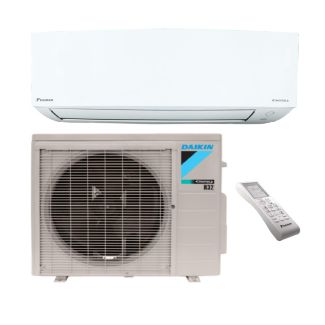
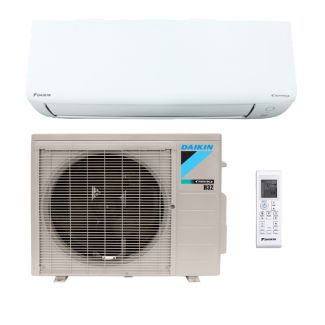
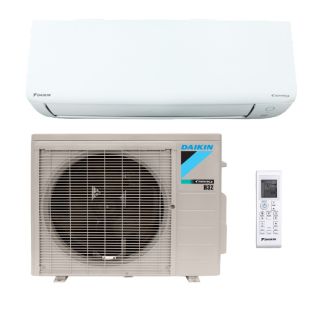
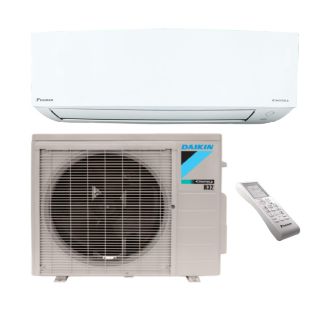

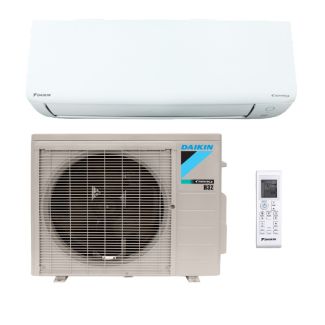
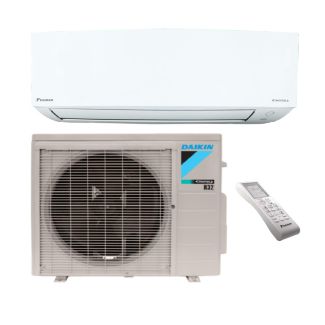
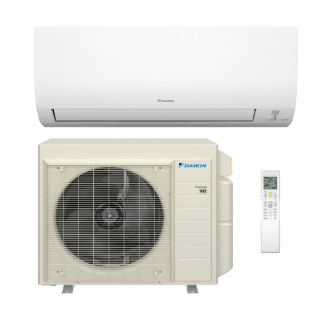
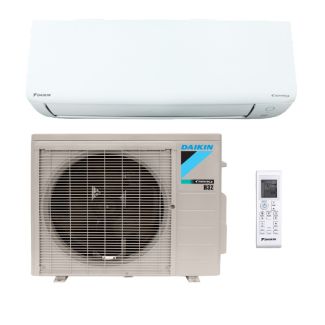
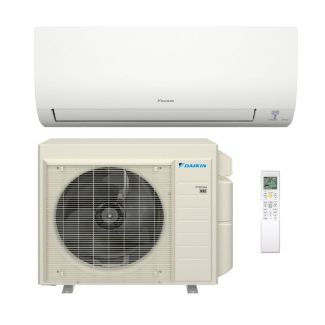
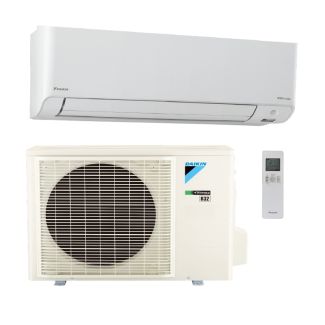

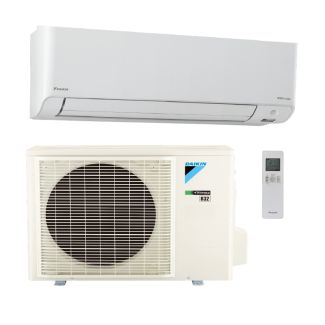
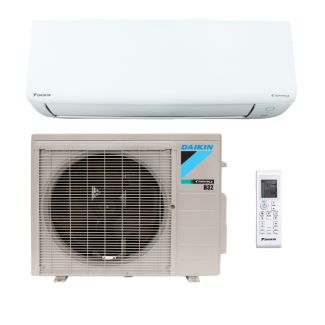
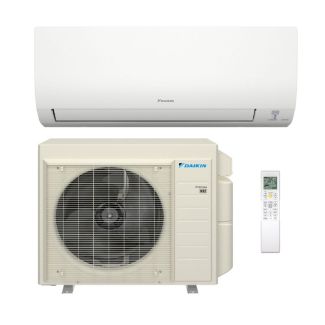
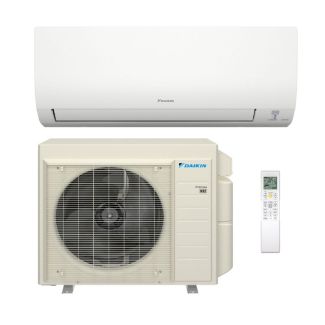
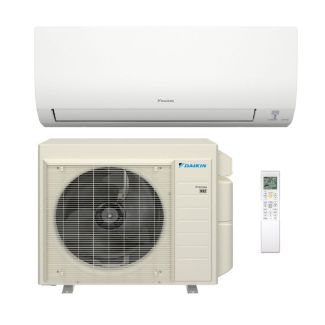
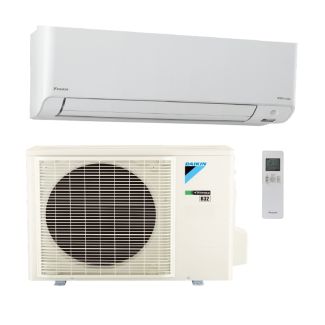
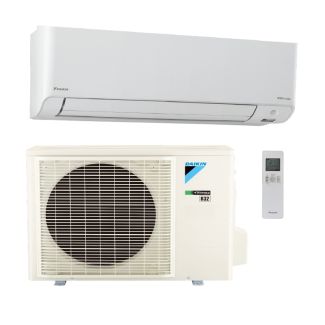
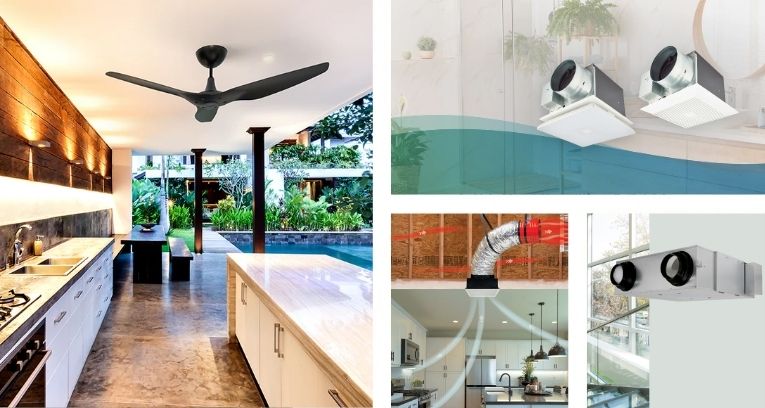

Daikin single zone mini split systems are ductless climate control setups engineered to deliver targeted heating and cooling to one individual area or room. On average, these single room systems provide precise temperature regulation for spaces ranging from 250 to 1,500 square feet, such as a single home office, master bedroom, or detached garage workshop.
These systems work by utilizing an outdoor compressor unit connected to a single indoor air handler via copper refrigerant line sets. Inverter technology allows the compressor to adjust its speed and capacity as room conditions change, reducing the frequent on-and-off cycling associated with fixed-speed equipment.
The ideal environments for Daikin single zone mini split systems are properly insulated individual rooms measuring between 250 and 1,500 square feet with ceiling heights of 8 to 10 feet. A single indoor unit performs best when it can distribute air across the occupied area without closed doors, dividing walls, or other major airflow barriers.
Detached Garages and Workshops: These spaces are often disconnected from the home’s central duct system and can benefit from independent temperature control. Daikin specifically recommends models such as the OTERRA for garages, workshops, and other areas with limited airflow.
Bonus Rooms and Sunrooms: These spaces often experience larger temperature swings because of windows, sunlight, or limited airflow. Daikin ductless systems provide targeted comfort, while select models offer airflow controls that help distribute conditioned air throughout the room.
Master Bedrooms: A Daikin ductless system allows homeowners to set a comfortable sleeping temperature without adjusting the thermostat for the entire house. Select Daikin indoor units include Quiet Operation and Intelligent Eye technology, which can reduce unnecessary energy use when the room is unoccupied. Some models operate at sound levels as low as 19 dB(A), making them especially suitable for bedrooms.
Server Rooms and Home Data Centers: Electronics produce continuous heat and may require dedicated cooling throughout the year to prevent any heat damage.
Poor insulation, air leaks, high ceilings, large unshaded windows, and heat-producing equipment can also increase the required capacity and cause an undersized system to run for extended periods. Operating ranges vary by Daikin series and model; for example, Daikin AURORA systems are designed to provide heating in outdoor temperatures as low as -13°F, while other models have different low-ambient limits.
Daikin single zone mini split systems are available in a versatile range of capacities designed to efficiently heat and cool individual spaces from 9,000 to 24,000 BTU. These systems are engineered to provide localized temperature control for everything from compact home offices to large commercial areas. The primary BTU sizes, square footage coverage guidelines, and ideal space types for Daikin single zone configurations include:
9,000 BTU (up to 400 sq. ft.): Perfect for small bedrooms, home data centers, or compact office spaces. Quiet operation available on select Daikin models helps limit disruptions while sleeping, working, or joining video calls.
12,000 BTU (400 to 600 sq. ft.): Ideal for standard master bedrooms, isolated bonus rooms, or insulated workshops.
15,000 BTU (500 to 800 sq. ft.): Well-suited for mid-sized living areas, open-concept basements, or light commercial settings. Program Dry, available on select Daikin models, can provide added humidity control in basements and other moisture-prone areas.
18,000 BTU (600 to 1,000 sq. ft.): Built to handle larger open floor plans, attached home additions, or detached garages. Powerful Operation settings on select models can help bring the space to the desired temperature faster after a garage door opens or an addition has been unoccupied.
24,000 BTU (1,000 to 1,500 sq. ft.): Designed for sprawling multi-room zones, spacious sunrooms, or expansive workshops requiring high-capacity output. Airflow features available on select Daikin models, such as wide-angle louvers and automatic swing, help distribute conditioned air across a broader area.
Selecting the appropriate capacity for a Daikin mini split ensures your equipment runs at maximum efficiency while maintaining precise temperature control. For best results, use the listed square-foot ranges as a starting-point measurement and then account for ceiling height, insulation, sun exposure, and how open the space is before making a final selection on the right Daikin single zone system. We also strongly advise calling HVACDirect.com at 1-800-397-1392 to help with accurate sizing to prevent any sizing errors, which could produce waste of time, energy, and money.
The total upfront cost for Daikin single zone equipment, installation and hourly labor, in addition to operation and maintenance, typically ranges between $2,500 and $6,500 to get a Daikin single zone system fully operational. However, that investment range depends primarily on the required BTU capacity, installation complexity, and regional labor rates.
Equipment Cost: The wholesale price for a single zone Daikin outdoor condenser and indoor air handler bundle ranges from $1,200 to $3,900+, depending on the SEER2 efficiency rating and BTU size.
Installation and Labor Cost: Hiring a licensed HVAC technician to mount the units, run refrigerant lines, pull a vacuum, and connect electrical components ranges from $800 to $1,500+, depending on the capacity. Additionally, the per-hour labor charge varies by region, but a $150 to $300 range is not unheard of.
Operation and Maintenance Cost: Routine annual professional checkups cost between $100 and $250 for maintenance, while the monthly electrical operating cost averages $25 to $75 depending on local utility rates and seasonal usage.
Additionally, property owners must budget between $150 to $400 for essential installation accessories like a weather resistant condenser ground pad, an outdoor electrical disconnect box, a surge protector, and decorative line set covers. These items are not typically included in equipment and labor quotes.
No, you cannot completely install a standard Daikin single zone mini split system yourself, because Daikin units are not made for DIY installation. Daikin makes standard professional install units which require specialized tools and certification to handle a complete setup. Attempting a full self installation of a Daikin system will void the manufacturer warranty and can result in costly system damage or performance issues.
DIY Installation: A homeowner is not permitted to complete a DIY installation of a Daikin single zone system, as the brand does not make DIY mini splits.
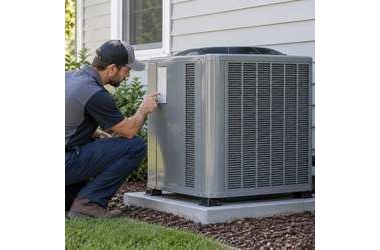
Professional Installation: A licensed technician must handle the critical technical stages of installation, including brazing or flaring the copper connections, pressure testing the system with nitrogen, evacuating the lines with a vacuum pump, and releasing the refrigerant.
Most municipalities require local building permits and a dedicated 230V electrical circuit connection from a certified electrician, meaning professional HVAC handling is almost always needed to ensure a Daikin single zone installation is safe, legal, and fully warrantied.
Daikin offers four distinct indoor unit styles for its single zone mini split setups to accommodate different structural layouts and aesthetic preferences. Each configuration connects directly to a matching outdoor compressor to deliver dedicated localized climate control.
Wall Mounted: This standard layout hangs high on a vertical surface and represents the most widely utilized indoor air handler option due to its easy installation and optimal airflow coverage. For example, Daikin Entra single zone indoor units mount high on the wall to distribute air across the room.
Floor Mounted: Daikin floor mounted indoor air handlers sit directly on the floor or mount low against a wall, making them suitable for finished attics, rooms with low ceilings, or areas with windows that limit upper-wall space.
Ceiling Cassette: Daikin ceiling cassette indoor air handlers install within a finished or drop ceiling, leaving only the decorative panel visible while distributing air in multiple directions.
Concealed Slim Duct: This hidden system installs entirely behind a wall partition or above a ceiling grid to distribute conditioned air quietly through short duct runs and small decorative registers.
Ceiling cassettes and concealed ducts can cost 20% to 50% more than wall-mounted units but offer superior aesthetics and hidden installation—worth the extra cost only if visible indoor units conflict with your décor.
Daikin single zone mini split systems require a stable, dedicated electrical connection to ensure the outdoor compressor and indoor air handler operate without overloading household circuits. The specific electrical demands scale directly based on the BTU capacity of the selected single zone equipment.
Voltage Requirements: All standard Daikin single zone mini split configurations are available on 115V, 208V, and 230V single phase 60Hz alternating current power.
Breaker Sizing: Systems with capacities of 9,000 BTU and 12,000 BTU utilize a minimum circuit ampacity that requires a 15 amp dedicated circuit breaker, while larger 18,000 BTU and 24,000 BTU models require a 20 amp or 30 amp circuit breaker.
Wiring Specifications: These units require a 14/2 or 12/2 AWG stranded copper conductor wire to connect the main electrical panel to the outdoor disconnect box, along with a 14/4 AWG shielded cable to run power and communication between the outdoor condenser and indoor air handler.
Failure to install a dedicated circuit or using an undersized circuit breaker will cause frequent system trips, potential control board damage, and can completely void the manufacturer parts warranty. To avoid this, knowing that Daikin single zone mini splits require a Minimum Circuit Ampacity (MCA) of 10 to 15 amps (A) and a Maximum Overcurrent Protection (MOP) of 15A is very important.
Daikin single zone mini splits are highly energy efficient heating and cooling solutions, with seasonal energy efficiency ratio ratings starting at 18 SEER2 for baseline models and ascending up to 27.4 SEER2 for premium high efficiency tiers. Daikin single zone systems leverage variable speed inverter compressors to eliminate power wasting on and off cycles. This advanced modulation capability allows the air handler to maintain a uniform indoor temperature by running continuously at low power, which reduces monthly residential electric bills by up to 30% compared to a conventional regional ducted system.
Daikin single zone mini split systems are manufactured by Daikin Industries, Ltd., a global conglomerate headquartered in Osaka, Japan. Founded in 1924, Daikin has grown to become the world's largest air conditioning manufacturer dedicated exclusively to producing innovative, energy intelligent heating and cooling equipment.
No, Daikin does not manufacture DIY single zone mini split systems for the residential consumer market. Every single zone system produced by this brand requires standard professional tools to flare copper lines, vacuum the loop, and safely handle the chemical refrigerant. If an uncertified individual performs a full self-installation of a Daikin system, the manufacturer will completely void the standard 10 to 12 year parts warranty. Homeowners looking for a true plug-and-play setup without specialized trade tools must choose a dedicated DIY system from makers like ACiQ or MRCOOL instead.
Daikin offers 10 to 12 years of parts and labor warranty on qualifying single zone systems purchased through authorized Daikin Comfort Pro dealers, but all warranties are voided if equipment is purchased from unauthorized resellers.
Yes, most Daikin single zone mini split systems are heat pumps and are engineered to provide both heating and cooling by utilizing an internal reversing valve to alter the directional flow of refrigerant. In cooling mode, the system absorbs heat from the indoor air and transfers it outdoors, whereas in heating mode, the cycle flips to extract ambient heat from the outside air to warm the room. This dual functionality allows a single ductless air handler to maintain precise, year-round comfort across changing seasons.
Daikin single zone mini split systems have an operational life expectancy of 20 years when properly maintained by a licensed professional. Regular maintenance tasks such as washing the air filters monthly and scheduling yearly professional checkups can extend this lifespan to 30 years. This long term durability significantly outlasts standard central ducted air conditioning equipment which typically requires complete replacement after 15 years.
Daikin single zone mini split systems operate very quietly because the indoor air handlers generate sound levels as low as 19 decibels (dBA) on their lowest settings. This whisper quiet performance resembles the sound of rustling leaves or a soft whisper which makes them ideal for installation in residential bedrooms and quiet home offices. The outdoor condenser units also utilize specialized vibration dampening enclosures and variable speed inverter technology to keep exterior noise output down around 46 to 54 dBA during peak operational periods.
Daikin single zone mini split systems can effectively dehumidify indoor spaces by running in their standard cooling mode or by activating a dedicated Dry Mode setting. Dry Mode adjusts compressor speed and fan velocity to extract maximum moisture while maintaining stable room temperature, which is ideal for humid climates or basements with moisture concerns. This specialized dehumidification process runs highly efficiently because the variable speed inverter continually adapts to localized humidity levels to maintain a crisp and balanced home environment.
You should clean the washable air filters inside your Daikin single zone mini split indoor unit once every four to six weeks to maintain optimal airflow and system efficiency. Regularly wiping down the exterior casing to remove dust prevents loose debris from entering the internal fan assembly during daily operation. Additionally, homeowners need to schedule a professional deep cleaning at least once a year to flush out the condensate drain lines and scrub the outdoor condenser coils.
A Daikin single zone mini split system can heat and cool exactly one room or designated open concept living space. Because the setup pairs a single outdoor condenser to one indoor air handler, it concentrates all of its thermal capacity into that specific zone. Attempting to condition multiple isolated rooms with a single zone system will result in uneven temperatures and poor airflow throughout the home because of system strain. In that case, consider a multi zone system.


