Your cookie preferences
We use cookies to remember your preferences and understand how shoppers use our site, helping us improve your shopping experience.
Read our privacy policy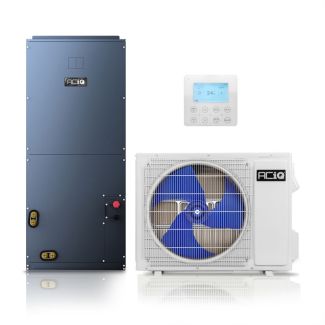


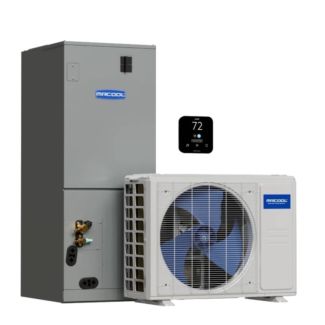
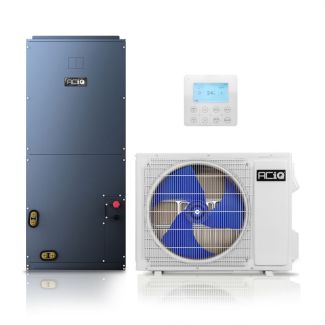
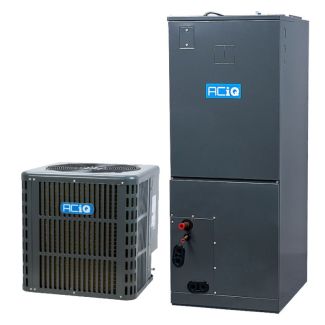
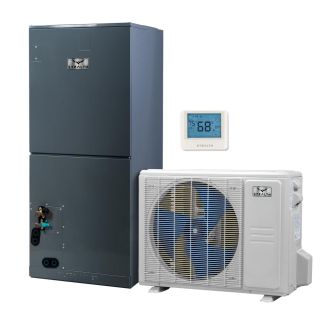
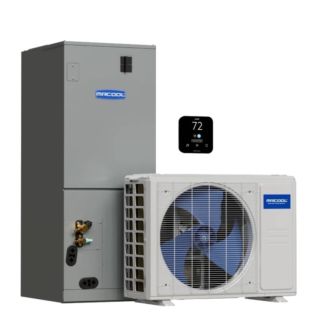
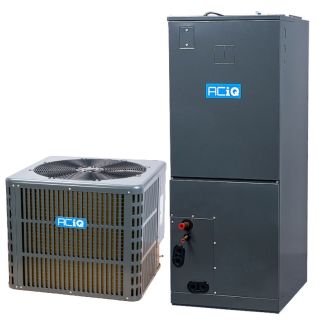
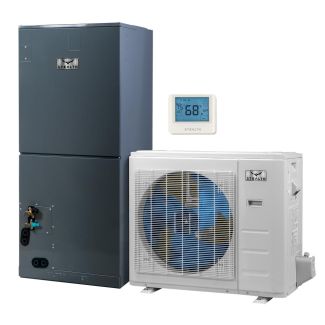
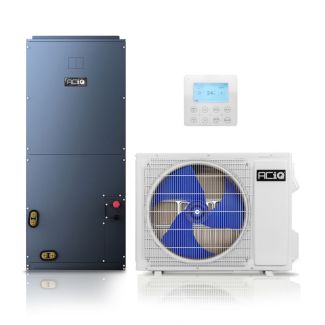
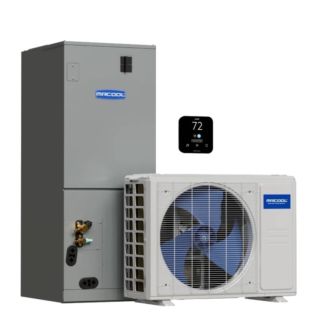
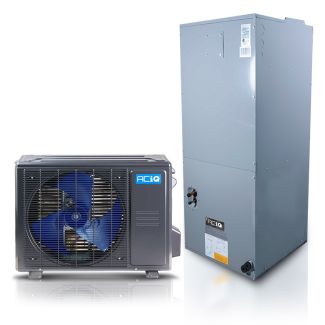

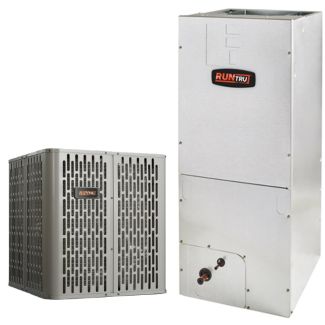
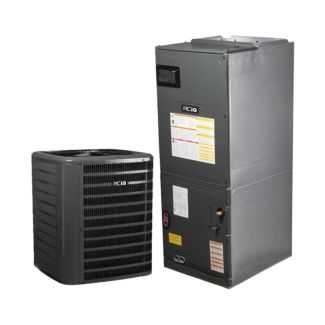
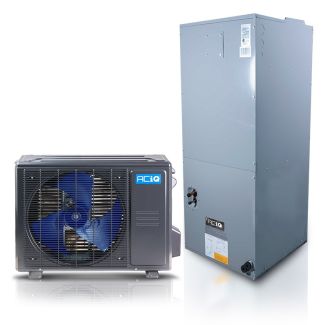
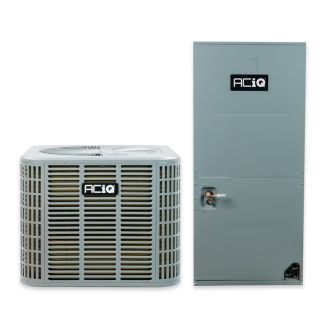
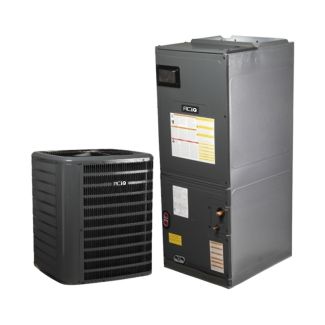
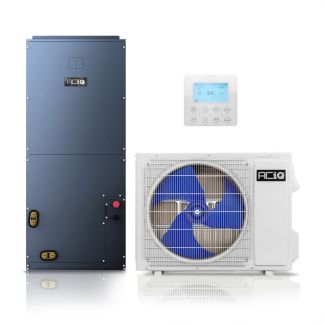
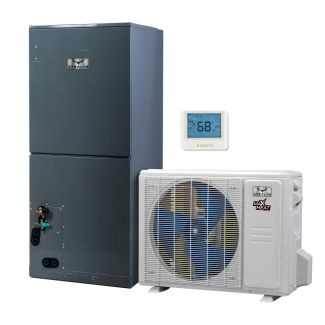


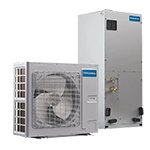
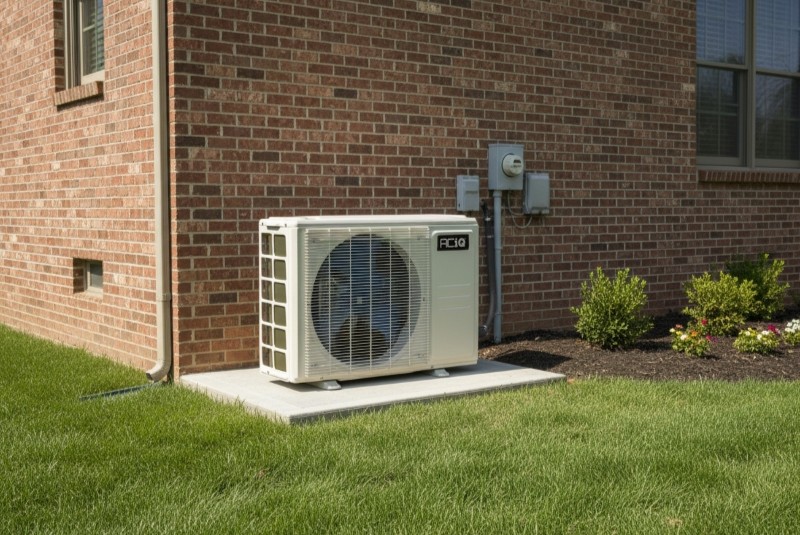
A heat pump system is a central HVAC system that provides both heating and cooling by transferring heat rather than generating it. Unlike traditional furnaces that create heat through combustion or electric resistance, heat pumps move existing heat from one location to another.
In cooling mode, a heat pump operates similarly to a central air conditioner by removing heat from inside your home and releasing it outdoors. During colder months, the process reverses, allowing the system to extract heat from outdoor air and transfer it indoors. Because heat pumps move heat instead of creating it, they can provide exceptional energy efficiency while maintaining comfortable indoor temperatures throughout the year.
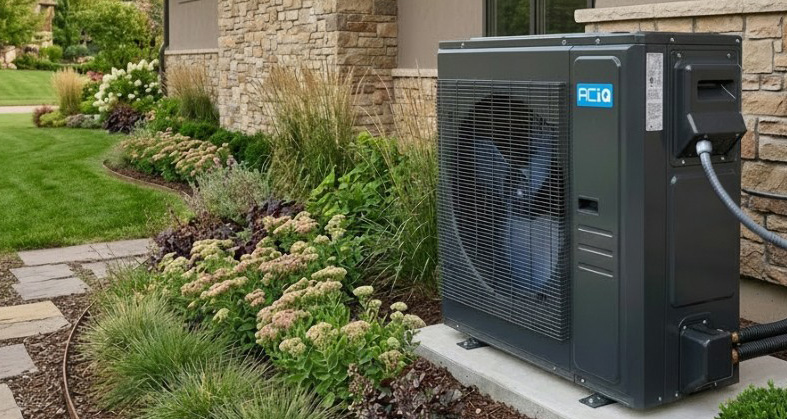
A heat pump system is a central HVAC system that provides both heating and cooling by transferring heat rather than generating it. Unlike traditional furnaces that create heat through combustion or electric resistance, heat pumps move existing heat from one location to another.
In cooling mode, a heat pump operates similarly to a central air conditioner by removing heat from inside your home and releasing it outdoors. During colder months, the process reverses, allowing the system to extract heat from outdoor air and transfer it indoors. Because heat pumps move heat instead of creating it, they can provide exceptional energy efficiency while maintaining comfortable indoor temperatures throughout the year.

Heat pump systems are incredibly versatile and can serve multiple residential comfort needs. Because they provide both heating and cooling from a single system, homeowners often choose them for a variety of applications beyond simply replacing an air conditioner or furnace.
While heat pumps perform exceptionally well in many environments, system performance depends on selecting the right model for your climate. Extremely cold regions may require a cold-climate heat pump or a dual fuel configuration for maximum winter performance.
Heat pump systems are designed to serve a wide variety of residential or commercial property types. From traditional homes to modern multi-family residences, these systems provide efficient heating and cooling wherever central HVAC systems are needed.
Although heat pumps work in most residential environments, certain extreme cold-weather applications may require supplemental heating or specialized cold-climate equipment to maintain peak comfort, which can easily be supported with heat kits.
Understanding the differences between available configurations can help you choose the solution best suited to your home's comfort needs and climate.
When comparing system types, homeowners should also evaluate efficiency ratings, climate compatibility, warranty coverage, and installation requirements before making a final decision.
Heat pump systems are commonly sized by tonnage, with residential systems generally ranging from 1.5 to 5 tons, though the size you need depends on your space, climate, insulation, windows, ceiling height, home construction, and other factors.
Square footage alone should not be used to size a heat pump. These ranges are intended only as general shopping references. For replacement systems, existing equipment capacity can provide a useful starting point. Professional load calculations are the most accurate sizing method.
Heat pumps are widely recognized as one of the most energy-efficient HVAC technologies available today. When evaluating efficiency, homeowners should pay attention to both SEER2 and HSPF2 ratings. In general, a heat pump with a SEER2 rating of 15 to 18+ is considered highly efficient, while premium inverter systems may exceed 20 SEER2. HVACDirect.com offers systems ranging from approximately 14.3 SEER2 to over 21 SEER2.
Several important features directly affect comfort, efficiency, and long-term satisfaction. Understanding these features can help homeowners make a more informed purchasing decision.
Homeowners focused on energy savings should prioritize inverter technology and high-efficiency ratings, while homeowners in colder climates should emphasize cold-weather performance and dual fuel compatibility.
Beyond sizing and efficiency, several additional considerations, such as installation requirements, cost savings, and comfort upgrades, can affect system performance and installation success.
Electrical compatibility, climate considerations, maintenance practices, and accessory choices can all influence the long-term efficiency and performance of your heat pump system. Add-ons can include smart thermostats for precise temperature control, heat pump risers or mounting pads to lift the outdoor unit above snow and water, electric heat strips for backup freezing weather warmth, and condensate pumps to safely remove moisture.
HVACDirect.com carries a wide selection of trusted heat pump manufacturers that serve a range of budgets and performance needs.
Each brand brings unique strengths, whether it's value-driven performance, advanced inverter technology, cold-climate capability, or premium efficiency.
Heat pump equipment purchased online typically ranges from approximately $2,100 to $5,500, while high-efficiency systems commonly range from $2,500 to $7,500, depending on size, efficiency, and technology.
Homeowners should also budget approximately $100 to $2,500+ for potential permit fees, thermostat upgrades, electrical work, air quality accessories, line set replacements, or supplemental heating components.
HVACDirect.com is a trusted destination for homeowners, contractors, and property managers seeking quality HVAC equipment at competitive, wholesale prices. The company specializes in direct-to-consumer HVAC sales while providing resources that simplify the purchasing process.
Compared to many retailers that offer limited inventory or brand choices, HVACDirect.com combines broad product selection, educational resources, competitive pricing, and nationwide availability in one convenient platform.
Lorem ipsum dolor sit amet, consectetur adipiscing elit. Integer vitae justo sed lorem tincidunt facilisis. Sed elementum, neque non malesuada tempor, risus erat fermentum nulla, vitae por:
Lorem ipsum dolor sit amet, consectetur adipiscing elit. Integer vitae justo sed lorem tincidunt facilisis. Sed elementum, neque non malesuada tempor, risus erat fermentum nulla, vitae por.
Most heat pump systems last between 10 and 20 years when properly maintained. Equipment quality, installation quality, climate conditions, and maintenance frequency all influence lifespan. Routine maintenance such as filter changes every 30 to 90 days and annual inspections can help maximize service life. Higher-quality systems often exceed average longevity expectations.
Modern heat pumps continue operating during freezing weather, and many cold-climate models are specifically designed for outdoor temperatures as low as -5 °F to -15 °F. While efficiency declines as temperatures drop, advanced inverter technology helps maintain heating performance. Proper equipment selection is important for cold-weather success.
Yes. A central heat pump can replace a traditional air conditioner while using the same ducted HVAC design. Unlike an air conditioner, which provides cooling only, a heat pump provides both cooling and efficient electric heating. If your home also has a gas furnace, consider a dual fuel heat pump and furnace system rather than replacing the furnace with an all-electric heat pump system.
For most replacement projects, start by checking the data sticker on your existing outdoor unit. The model number or equipment information can be used to identify its BTU capacity or tonnage, making it easy to shop for a replacement with the same capacity. If you're unsure of the existing size, building a new home, or believe your current system was incorrectly sized, an HVAC technician can perform a Manual J load calculation to determine the appropriate system size.
Federal heat pump tax credits under Section 25C expired on December 31, 2025 and are no longer available in 2026. Many qualifying high-efficiency heat pump systems may still be eligible for state tax incentives and local rebate programs. Program availability and requirements can change over time. Homeowners should verify current eligibility requirements before purchasing. You can use HVACDirect.com’s Rebate Center to find local energy savings.
Most heat pump systems require professional installation because connecting and commissioning the refrigerant system requires specialized tools and training. However, select MRCOOL and Stealth systems feature pre-charged quick-connect technology, allowing the refrigerant lines to be connected without traditional HVAC refrigerant tools. Electrical connections should still be completed by a qualified professional in accordance with local codes and installation requirements.
Yes, many modern heat pumps are compatible with smart thermostats that provide enhanced scheduling, energy monitoring, and remote control functionality. For example, the ACiQ Smart Thermostat is compatible with most 24V heat pump systems from brands like ACiQ, Goodman, RunTru by Trane, and IDS systems. Some communicating systems may require manufacturer-specific thermostat solutions. Compatibility should be verified before purchase.
Most modern heat pumps are significantly quieter than older HVAC equipment, typically generating 40 to 60 dB compared to older equipment at 70 to 80 dB. Inverter-driven systems are often especially quiet because they run at varying speeds rather than continuously cycling on and off. Manufacturer sound ratings provide useful comparison data between models.
It is normal for heat pumps to run for longer periods during colder weather. Longer run cycles help maintain consistent comfort while maximizing efficiency. Continuous operation does not necessarily indicate a problem if indoor temperatures are being maintained properly. Additionally, heat pumps with modern inverter technology use variable-speed controls to continuously adjust output instead of cycling fully on and off. This technology matches the exact heating or cooling load needed, saving energy and stabilizing room temperatures.
Yes, most manufacturers provide warranty coverage on major system components. Warranty terms vary by brand and product line, but many offer 10- to 12-year compressor coverage with online registration within 30 to 90 days of installation. Reviewing warranty details before purchase is always recommended.