Your cookie preferences
We use cookies to remember your preferences and understand how shoppers use our site, helping us improve your shopping experience.
Read our privacy policy
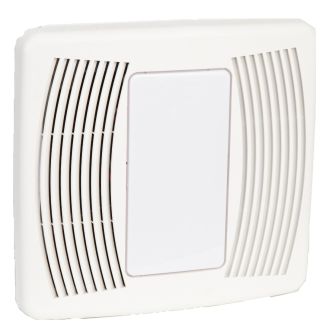
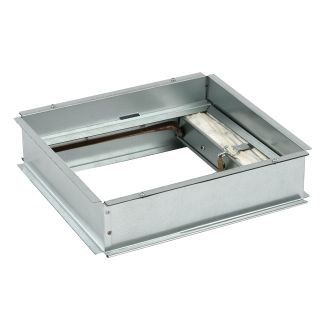
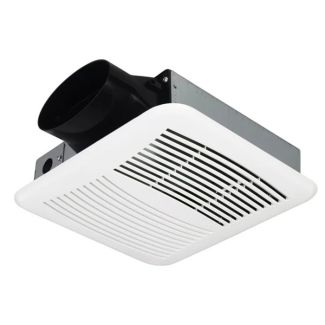
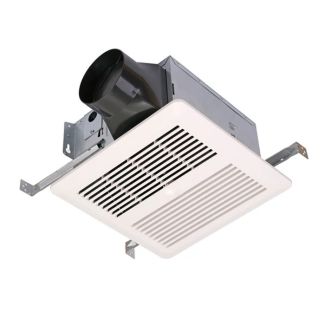

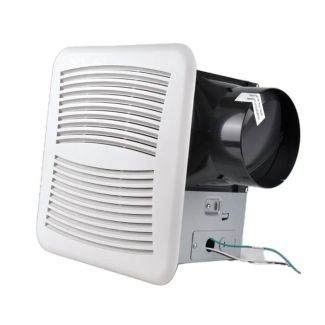
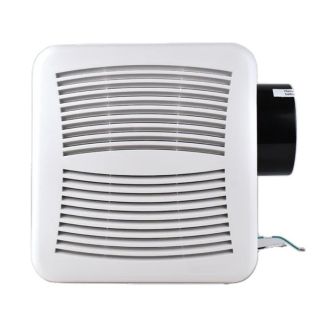


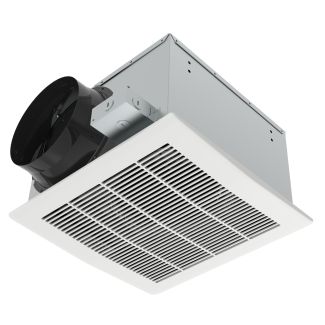
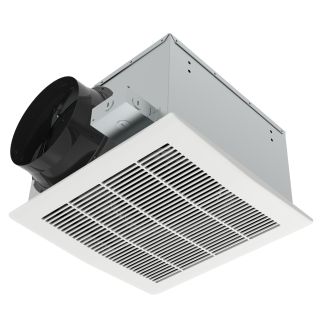

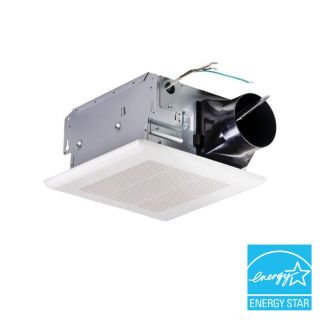
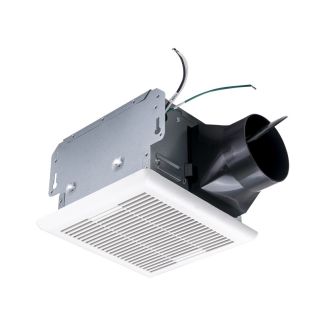
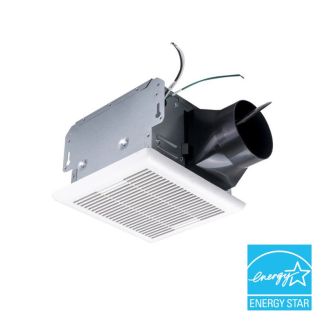
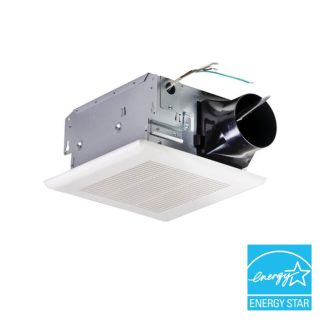
A bathroom exhaust fan is a ventilation device that pulls humid, stale, and odorous air from a bathroom and vents it outdoors through ductwork. This kind of fan helps control humidity after showers and baths, improving indoor air quality and reducing moisture buildup on surfaces that could lead to mold growth.
An electric motor spins the fan wheel to draw humid air and steam from the bathroom into the ductwork. This captured air is then forced through a dedicated duct system and vented directly to the exterior of the home or building. This process helps reduce humidity and odors after bathing. Proper ventilation can lower the risk of moisture buildup on bathroom surfaces.
Bathroom exhaust fans are primarily used to remove shower moisture, control odors, reduce mold risk, and provide continuous low-speed ventilation. Bathroom exhaust fans are commonly selected from 50 CFM upward. Choose capacity based on bathroom size, fixtures, ceiling height, duct length, and duct resistance. These ventilation devices provide climate control by managing indoor environments after heavy moisture exposure.
Moisture & Humidity Control: A bathroom exhaust fan actively eliminates heavy water vapor and steam from the air after bathing. Running the fan during and after bathing helps remove humid air and can reduce condensation on mirrors, walls, and ceilings.
Odor Control: The fan removes odorous bathroom air and helps replace it with makeup air from the rest of the home. Swift clearing of these particles enhances immediate comfort and maintains a neutral scent profile across the surrounding living space.
Mold Prevention: Keeping moisture levels low directly disrupts the growth cycle of fungal spores on drywall and ceilings. Regular exhaust ventilation can reduce moisture buildup that contributes to mold growth. Repair water leaks and clean affected surfaces to address other moisture sources.
Shower & Toilet Ventilation: Place the fan and intake grille according to the selected model’s installation instructions, the bathroom layout, and the planned duct route. This strategic placement ensures that localized steam is captured and extracted before it migrates into adjacent rooms.
Continuous Air Exchange: Some advanced models can run at low speeds that offer continuous or adjustable airflow settings to provide constant ventilation for homes requiring certified air quality compliance. This steady workflow provides 24-hour climate control by steadily pulling out indoor impurities.
By reducing bathroom humidity and odors, exhaust ventilation can support a more comfortable indoor environment and help limit conditions that promote mold growth. Choosing an energy efficient fan with smart humidity sensors automates this protection to ensure a safe indoor environment. Neglecting proper airflow can result in compromised air quality that worsens asthma symptoms over time.
Mobile-home, commercial, basement, small, and large bathrooms can all use exhaust fans. Select CFM based on room size, fixture count, ceiling height, duct length, duct resistance, and applicable installation requirements.
Mobile home bathrooms may have limited ceiling space, shallow cavities, and specific duct-routing constraints. Confirm the fan housing dimensions, duct connection, and approved installation method before buying. A compact, low-profile fan starting around 50 CFM may suit a small mobile home bathroom, but the final capacity should match the room’s square footage, duct size, and installation space. A properly sized exhaust fan can help reduce indoor moisture after bathing. Follow the installation instructions and vent the fan outdoors to help limit moisture buildup. Homeowners can find compact, energy efficient models for bathrooms at HVACDirect.com. Before purchase, verify the required CFM, housing depth, duct diameter, electrical requirements, and exterior vent route for the mobile-home bathroom.
High-traffic commercial restrooms may require durable fans rated for extended operation, particularly in facilities that remain open for long hours. Commercial restroom ventilation should be sized using applicable building and mechanical requirements, fixture count, occupancy, operating schedule, duct resistance, and required airflow in CFM. High-static-pressure inline or centrifugal fans may be appropriate for multiple exhaust grilles or long duct runs. Some systems can use occupancy-based controls to manage fan operation.
Basement bathrooms may have limited natural ventilation and can require a longer duct route to reach an exterior wall or roof termination. For a long or restrictive duct route, choose a fan that delivers the required CFM at the system’s total static pressure. An inline fan may be an option when remote installation or added pressure capability is needed. Continuous-operation settings or humidity controls may help manage bathroom moisture. Fan use should be combined with leak repair, proper cleaning, and exterior venting.
For bathrooms up to 100 square feet, select approximately 1 CFM of airflow per square foot, with 50 CFM commonly used as the minimum starting capacity. Bathrooms larger than 100 square feet may require fixture-based or room-volume calculations. These distinct room sizes require airflow configurations ranging from 50 cubic feet per minute for compact designs up to 150 cubic feet per minute for expansive commercial layouts. For bathrooms up to 100 square feet, use approximately 1 CFM per square foot as a starting point, with 50 CFM commonly used as the minimum capacity. When bathrooms get bigger or have more things like extra toilets or jetted tubs, you need even stronger fans to pull out all that moisture and steam.
Small to Medium Sized Bathrooms: Small to medium bathroom fans are well suited to compact bathrooms, powder rooms, half baths, and other bathrooms under about 100 square feet, which often use 50 to 100 CFM fans. These fans usually have CFM ratings between 50 and 110, which is exactly right for pulling moisture out of tight spaces without using too much electricity.
Large to Extra Large Sized Bathrooms: Large to extra large bathroom fans are made for master bathrooms, family bathrooms that get used a lot, and any bathroom bigger than 100 square feet. These spaces usually have multiple things that create lots of steam, like a shower, a bathtub, a toilet, and sometimes a jetted tub or two sinks. Bathrooms over 100 square feet, or rooms with multiple moisture-producing fixtures, may require fixture-based or room-volume sizing. Use separate fans or higher capacity only when the layout and airflow calculation require it. Guest bathrooms that are oversized also need bigger fans. When a bathroom has lots of fixtures or spreads out over a big area, a stronger fan keeps the air from getting wet and sticky.
If you try to use a small fan in a large bathroom, the moisture won't go away fast enough. This can lead to wet mirrors, mold growing on the walls, and musty smells. Picking the right size fan promotes best results for freshness, dryness, and overall air quality of your bathroom.
Choose a bathroom exhaust fan based on its installation configuration, housing depth, duct connection, airflow, and controls. Optional features such as LED lighting, timers, and humidity sensors can then be compared separately. Bathroom exhaust fans are available in multiple airflow capacities and configurations. Select the fan first by required CFM, duct connection, housing depth, installation location, and control needs.
LED Light: Integrating energy efficient lighting allows a single ceiling fixture to handle both illumination and ventilation. Homeowners can select specialized options like the ACiQ SlimLine Bathroom Exhaust Fan with LED Light which features built-in lighting rated for 10,000 hours of operating life.
Humidity Sensor: A humidity-sensing fan can turn on or increase airflow based on its built-in settings, but confirm the selected model’s control range and adjustment options. The advanced Broan ULTRA GREEN Series 110 CFM Fan with Humidity Sensing & LED Light uses specialized sensors to engage high speed air extraction without requiring manual operation.
Timer: Built-in delay timers ensure that your ventilation system continues to run for a specific duration of minutes after you leave the space. A timer keeps the fan running after the bathroom is vacated, giving it additional time to remove lingering humidity before shutting off.
Slim Fit: Low-profile fan housings can help when ceiling cavities are shallow. Measure joist depth and compare it with the selected fan’s published housing dimensions. These low profile designs maximize ceiling clearance while still delivering up to 100 cubic feet per minute of targeted airflow velocity.
Compact Fit: Scaled down housings allow for easy roomside installations inside small guest bathrooms and half baths where ceiling real estate is limited. Compact fan housings may suit small bathrooms with limited ceiling space. Confirm the model’s mounting method, housing dimensions, duct size, and service access requirements.
Oval Duct Fit: Transitional collars allow the exhaust housing to attach directly to low profile oval ductwork embedded within thin wall structures. Some low-profile fans use oval duct connections for shallow ceiling cavities. Use only the duct transition and duct size specified by the manufacturer.
Inline Centrifugal and Mixed Flow Fans: A compatible inline centrifugal or mixed-flow fan may be installed remotely to reduce perceived bathroom noise or support a longer duct route. Verify that the fan is approved for residential bathroom exhaust and delivers the required CFM at total static pressure. These ready to buy products can be viewed through the comprehensive HVACDirect Inline Fans Selection to accommodate long duct runs.
Selecting a multi speed configuration with automated features helps prevent structural moisture issues while protecting building components from steam exposure. Evaluating your existing framing depth and duct diameter before purchasing ensures a seamless installation process.
For bathrooms up to 100 square feet, use about 1 CFM per square foot as a planning guide, with 50 CFM commonly used as a starting point. Larger bathrooms may require room-volume or fixture-based sizing. HVACDirect.com lists bathroom and commercial ventilation products in multiple airflow capacities. Check the product page for the exact model’s CFM, duct diameter, sound rating, electrical requirements, and intended application.
50 CFM (up to 50 sq. ft. for Powder Rooms): A 50 CFM fan fits compact half baths, small guest bathrooms, and toilet rooms with 8 ft ceilings. HVACDirect.com lists 50 CFM models for rooms up to about 45 to 50 sq. ft.
80 CFM (46 to 80 sq. ft. for Standard Bathrooms): An 80 CFM fan may suit a bathroom around 80 square feet under the 1 CFM per square-foot planning rule. Increase capacity if ceiling height, fixtures, duct length, or duct resistance require it. Choose a higher CFM rating if the bathroom has a ceiling above 8 ft, a long duct run, or frequent shower use.
110 CFM (76 to 110 sq. ft. for Large Full Bathrooms): A 110 CFM fan works well in larger bathrooms with a shower, tub, toilet, and double vanity. HVACDirect.com lists 110 CFM fans designed for continuous-use applications and models with adjustable 50, 80, and 110 CFM settings.
150 CFM (100 to 150 sq. ft. for Primary Bathrooms): A 150 CFM fan fits large primary bathrooms with separate shower and tub zones, multiple fixtures, or high daily moisture output. HVACDirect.com lists ACiQ 150 CFM ceiling exhausters for higher-capacity bathroom ventilation.
200 CFM (100 to 200 sq. ft. for Spa Bathrooms): A 200 CFM fan may be considered for larger or higher-moisture bathrooms when an airflow calculation supports it. For enclosed showers, steam features, or separated fixture rooms, evaluate dedicated exhaust paths and local requirements. Use separate exhaust zones or multiple fans when fixtures sit in enclosed rooms that restrict airflow.
500 CFM (100 to 500 sq. ft. for Commercial Restrooms): A 500 CFM exhaust fan may be used in commercial restrooms, locker rooms, multi-stall facilities, or shared shower areas. Size the system using fixture count, occupancy, room volume, duct resistance, and applicable requirements. Select this capacity only after calculating fixture count, room volume, air changes, duct resistance, and applicable building-code requirements.
Choose capacity by bathroom size, ceiling height, shower use, fixture count, duct length, and duct diameter. A fan that is too small may leave moisture and odors behind. A fan that is too large may create excess noise or energy use if it is not properly selected and controlled.
Before buying a bathroom exhaust fan, compare integrated lighting, humidity sensing, timer controls, sone rating, voltage, housing dimensions, duct diameter, and the exterior vent route. These mechanical considerations span from localized automated sensing controls to specific structural airflow pathways that dictate how effectively air exits the building.
Integrated Lighting: Choosing a model with built-in LED illumination lets a single ceiling fixture handle both room lighting and ventilation needs simultaneously. This combination setup streamlines the electrical wiring footprint and reduces visual clutter on the bathroom ceiling.
Humidity Sensing: A humidity-sensing fan can start or change speed based on its built-in settings. Check the selected product’s adjustment range and control instructions. This hands-free automation protects the home from water damage even if a user forgets to turn on the wall switch.
Timer Controls: A timer switch or built-in delay feature can keep the fan running after use. This prolonged operation ensures that all residual steam is completely expelled before the system automatically powers down to save electricity.
Noise Level & Sone Rating: Compare the fan’s published sone rating or dB rating. Lower sound ratings generally indicate quieter operation, though actual noise also depends on ductwork and installation. Selecting an ultra quiet unit improves user comfort during long operation cycles compared to older models that generate higher noise levels.
Voltage & Power Ratings: Verify the selected fan’s voltage, amperage, wiring method, and required circuit protection, as many residential fans use 120V power. Specifications vary by model, so ensure that the electrical supply matches the precise voltage specifications labeled on the product to prevent motor damage and fire risks.
Roof Venting & Venting Route: Confirm that the duct terminates through an approved exterior wall or roof vent. Keep the route as short and straight as practical and never discharge humid air into an attic, crawlspace, or enclosed wall cavity.
Before purchasing, verify the housing dimensions, joist depth, duct diameter, voltage, exterior vent route, and manufacturer installation requirements. Doing this assists a smooth installation process that keeps your indoor air clean.
Repair a bathroom exhaust fan when the problem is limited to cleaning or a replaceable component. Replace it when the housing is corroded, the motor repeatedly fails, the fan is excessively noisy, or the existing fan does not meet the room’s airflow needs. Properly identifying these issues ensures that your bathroom maintains consistent moisture control while avoiding unnecessary hardware repairs.
When to Repair a Bathroom Exhaust Fan: Repairing a ventilation system may be practical when the issue is limited to dust buildup, a dirty blower wheel, a loose grille, a switch problem, or an available replacement motor. If the fan housing remains intact and replacement parts are readily available, swapping out a bad motor or cleaning the assembly can restore optimal cubic feet per minute performance at a lower cost than a full replacement.
When to Replace a Bathroom Exhaust Fan: Replacing the entire ventilation unit is necessary when the main housing is severely corroded, the internal motor has completely burned out after years of service, or the unit operates with excessive noise. Replace the fan when the housing is badly corroded, the motor repeatedly fails, replacement parts are unavailable, or the fan does not provide the airflow needed for the bathroom. Replacement may also add features such as humidity sensing or timer controls.
Failing to address a malfunctioning fan promptly allows humid air to accumulate, which can lead to warped drywall and peeling paint. Address fan problems promptly to help reduce lingering humidity and moisture buildup in the bathroom.
The total financial investment for a bathroom ventilation system includes upfront hardware prices, professional labor rates, and long term electrical consumption expenses. Evaluating these three separate cost factors allows homeowners to accurately budget for a system that delivers reliable moisture control.
Prices shown here and below are planning estimates, not guaranteed costs. Equipment prices reflect current HVACDirect.com listings, where buying direct may save up to 70% on HVAC equipment versus local company pricing. Installation, labor, energy, maintenance, and service costs vary by system size, efficiency, installation complexity, local contractor and utility rates, climate, and location. For an accurate project estimate, consult a qualified local HVAC professional or an HVACDirect.com specialist to point you in the right direction.
Equipment Cost: Residential bathroom exhaust fans typically span from $40 to over $115, while commercial bathroom exhaust fans can run from $40 to $350, depending on airflow capacity and integrated technology features. Standard 50 cubic feet per minute entry level models occupy the lower end of this pricing spectrum, while multi speed systems equipped with automated humidity tracking and built-in LED lighting fall into the higher price brackets.
Installation Cost: Professional labor fees to mount and wire a new ventilation unit can vary widely, but generally don’t often exceed $200 for a straightforward replacement of an existing ceiling fan. These setup charges can escalate if an electrician or HVAC technician needs to cut new ceiling openings, run fresh 120V electrical circuits, or install dedicated roof venting infrastructure. That said, bathroom exhaust fan installation is often a DIY project that decreases labor cost.
Operating and Energy Usage Cost: Ongoing electrical expenses to power these ventilation motors are minimal, usually averaging a few dollars annually under standard daily usage conditions. Selecting an energy certified model that draws low wattage helps minimize this continuous resource drain while keeping your bathroom free from structural moisture buildup.
Humidity sensing and timer controls can automate fan operation. Before buying, compare the fan’s wattage, control settings, expected runtime, and required accessories. Reviewing your existing ductwork and wiring configurations before making a purchase ensures you avoid unexpected structural modification fees during the setup process.
Leading equipment manufacturers like ACiQ, Broan, Panasonic, and Delta Breez are featured on HVACDirect.com and offer specialized ventilation capacities to accommodate various bathroom sizes. Selecting a top-level bathroom fan manufacturer ensures long term reliability, quiet motor operation, and compliance with modern residential building codes.
ACiQ: This brand focuses on high efficiency and ultra quiet operation, featuring advanced product line options like the Select and SlimLine series. Homeowners looking for high value performance can explore these low profile configurations directly at the ACiQ Ventilation Brand Page.
Broan: Recognized as an industry leader in residential air quality, this manufacturer produces highly durable ceiling systems with integrated multi speed motors, automated humidity sensors, and built-in LED lighting kits.
Panasonic: This manufacturer is globally renowned for engineering premium, energy certified ventilation equipment built with whisper quiet DC motors that automatically adjust performance to match static pressure. Their high end systems provide continuous, low wattage air extraction that maximizes indoor air quality while minimizing annual electrical utility costs.
Choosing among these top tier manufacturers can help reduce the quality control issues that may be more common with generic alternatives. Before buying, compare the selected fan’s CFM, sone rating, housing dimensions, duct connection, voltage, and installation requirements.
Purchasing a bathroom exhaust fan from HVACDirect.com, an established e-commerce platform, provides distinct financial and technical advantages compared to sourcing equipment from traditional local suppliers. Homeowners and contracting professionals can optimize their procurement process by leveraging direct consumer benefits that lower overall project expenses while ensuring proper equipment selection.
Wholesale and Bulk Pricing Structure: The platform provides commercial tier wholesale and bulk pricing directly to the public without traditional retail markups. Eliminating intermediate retail markups allows consumers to save thousands on premium residential equipment compared to bundled quotes from local contractors.
110% Lowest Price Guarantee: A dedicated price matching infrastructure ensures that consumers obtain the absolute lowest cost available on identical stock models. If an online competitor provides a lower total price including shipping and taxes, the platform can beat that price by 10% of the calculated difference.
Fast Shipping: Many high quality ventilation systems and associated brands qualify for direct to door delivery at zero additional cost within the continental United States. Shipping from a network of multiple strategic warehouses minimizes backorders and significantly accelerates total delivery speeds.
Expert Technical Support: Customers receive direct access to a U.S.-based customer service team and trained technical representatives who assist with specialized sizing calculations. Use HVACDirect.com’s available contact options to ask about product specifications, compatible accessories, and ordering questions. Confirm final sizing and code requirements with a qualified installer.
Zero Sales Pressure: Sourcing equipment online shields consumers from aggressive in person upsells and hidden fees that local installation companies frequently attach to hardware. Online product pages allow you to compare fan specifications, features, pricing, and compatible accessories before making a purchase. Buyers maintain complete flexibility to research features, compare multiple top tiers, and build their digital shopping carts at their own pace.
Contractor VIPro Perks: Licensed professionals can enroll in a dedicated wholesale network that grants rapid priority order processing and an assigned account manager. This program automates commercial volume discounts and tiered price reductions on bulk shipments without requiring complex re-entry steps. If you are a contractor, review HVACDirect.com’s current professional or volume-purchase program details before relying on any stated benefits.
Leveraging these structured supply benefits eliminates the stress of sourcing critical air quality components under time constraints. Before ordering, confirm fan capacity, duct diameter, housing dimensions, controls, electrical requirements, availability, shipping terms, and return-policy details. This all promotes a streamlined upgrade process that pairs premium equipment with verified financial savings.



Speaking strictly about professional installation and accounting for price variation, the bathroom exhaust fan itself typically costs between $30 and $200. The installation charge for professional install of a bathroom exhaust fan generally ranges from $10 to $300. DIY installation is often an option that reduces the whole-job and/or hourly installation and labor costs significantly. Total cost can increase if the project requires new ductwork, exterior venting, electrical work, ceiling repairs, roof access, or permit-related work.
Bathroom exhaust-fan repair cost (generally between $50 and $300) depends on the failed component, replacement-part availability, labor rate, electrical diagnosis, and access to the fan housing. Minor repairs to a bathroom exhaust fan typically cost between $75 and $150 for localized component fixes. More comprehensive mechanical service for motor replacement can range from $100 to $250 or more, depending on the fan model and motor. Minor repairs typically involve loose wiring, switches, or simple component replacements. Electrical repair costs may increase if wiring, switches, or other electrical components need to be repaired. If the housing is corroded, the motor has repeatedly failed, parts are unavailable, or the fan is undersized for the bathroom, compare the cost of repair with replacing the entire unit.
Hiring a licensed electrician or a qualified HVAC technician is highly recommended to ensure proper code compliance and safe structural integration. However, a capable homeowner can DIY install a bathroom exhaust fan if they are fully comfortable with standard 120V electrical wiring and basic ceiling mounting procedures. Use a qualified electrician, HVAC professional, or contractor when the project requires new wiring, a new circuit, exterior duct routing, a roof penetration, structural changes, or permit review. Some straightforward replacements may be suitable for experienced homeowners, but the installation must follow the selected fan’s instructions and applicable electrical, building, and ventilation requirements
Bathroom exhaust fans are not universal because they require varying physical housing dimensions, specific airflow capacities, and distinct duct sizes to match different structural configurations. When replacing a fan, verify the ceiling opening, housing depth, mounting method, duct connection, electrical requirements, and CFM needed for the bathroom. Additionally, connection collars differ across models, meaning a fan with a 4-inch round duct connection may require a manufacturer-approved transition to connect to a low-profile oval duct system.
Building codes do not universally require a mechanical exhaust fan in every bathroom, provided the space features an operable exterior window that meets specific ventilation sizes. Bathroom ventilation requirements vary by location and project type. Check the applicable local building and mechanical requirements to determine whether an operable window, mechanical exhaust fan, or both are required. For bathrooms without an exterior window or with frequent moisture use, a properly sized exhaust fan can help remove humid air and odors.
Bathroom exhaust-fan service life varies, but the typical operating lifespan of a residential bathroom exhaust fan ranges between 10 and 15 years. This longevity depends heavily on motor type, runtime, humidity exposure, dust buildup, installation quality, maintenance, and operating conditions. Higher-end models featuring brushless DC motors can run cooler and outlast basic AC motors, while fans in smaller, steamier bathrooms may face faster internal rust and corrosion. Regularly vacuuming out accumulated dust and lint from the grille prevents the motor from overheating and directly extends its useful life. Replace the fan when it no longer provides adequate airflow, becomes excessively noisy, or requires uneconomical repairs.
Because bathroom-fan energy use varies, entry-level models typically use between 30 and 60 watts (W) of electricity, while modern, high-efficiency options equipped with advanced brushless DC motors often consume fewer than 10W to move the same volume of air. Because these ventilation systems are only meant to run for short intervals during and after a shower, their actual impact on your monthly utility bill is negligible, usually costing less than $20 across an entire year of normal use. If energy performance is important, check whether the exact model is ENERGY STAR certified and compare its wattage, airflow, sound rating, controls, and expected runtime.
You can shop bathroom exhaust fans on HVACDirect.com and compare product specifications such as CFM, sound rating, housing size, duct connection, controls, and integrated lighting. It features top brands like Broan, Panasonic, and ACiQ, with models designed for small, medium, and large spaces. Options include ultra-quiet operation, humidity sensing, and built-in heaters or LED lights. Before purchasing online, compare the fan’s CFM, housing dimensions, duct diameter, voltage, controls, included accessories, shipping terms, and installation requirements.