Your cookie preferences
We use cookies to remember your preferences and understand how shoppers use our site, helping us improve your shopping experience.
Read our privacy policy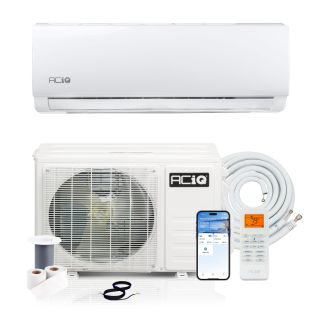


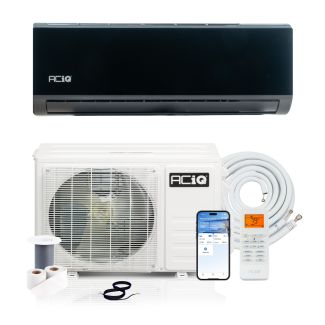
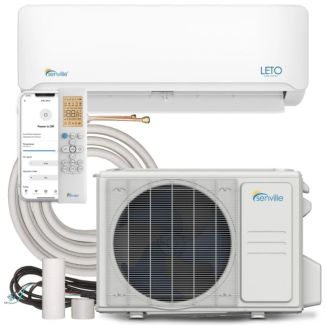

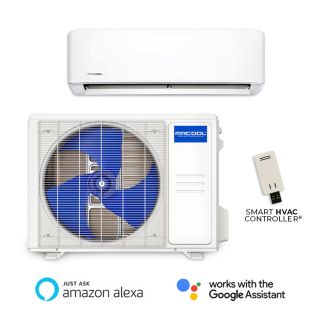
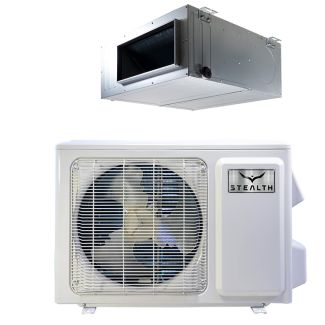


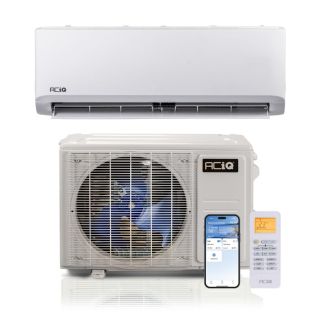

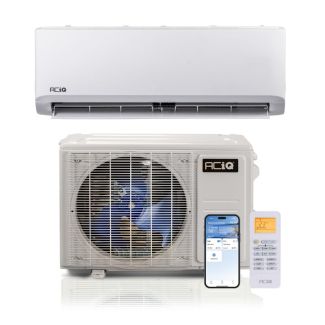
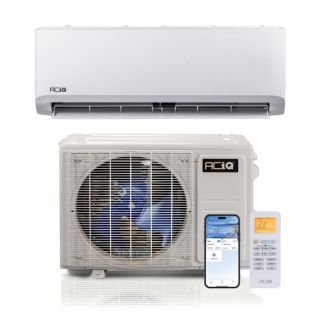
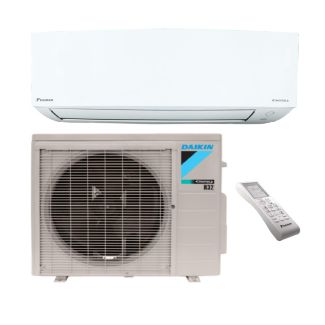

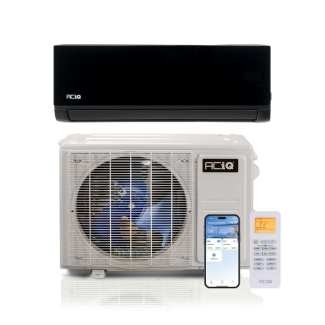


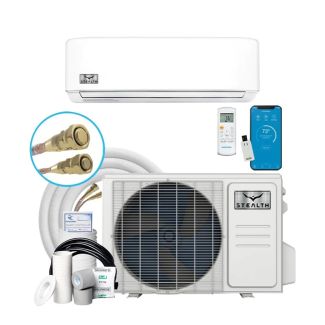
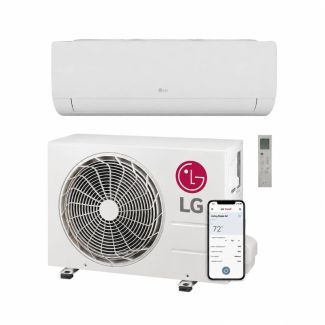
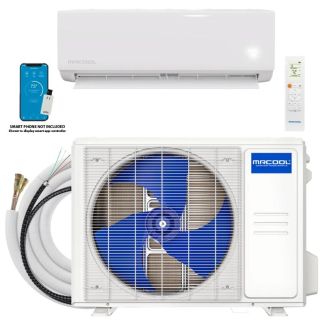
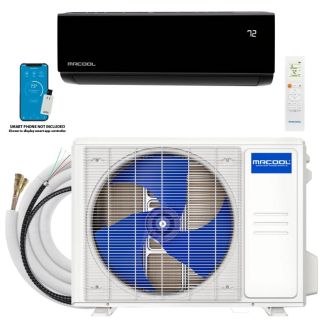

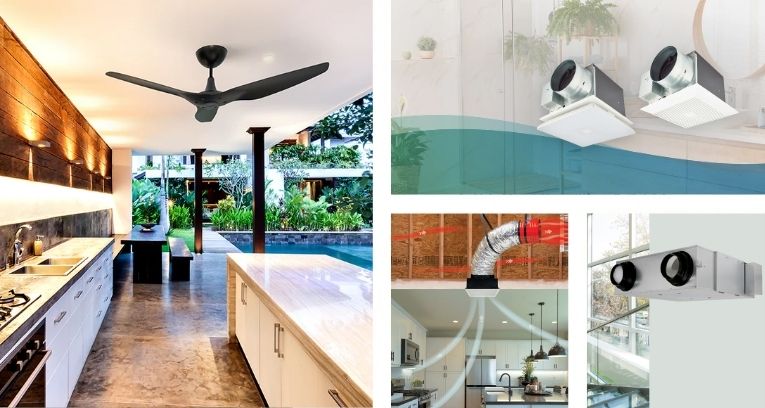

Sunroom mini split systems are ductless heating and cooling systems that connect a single outdoor heat pump unit to one or more indoor air handlers installed in enclosed porches, all-season rooms, and Florida rooms, commonly referred to as sunrooms. They provide independent climate control for the space(s) without requiring ductwork or a connection to your home's existing HVAC system.
These systems work by moving refrigerant through line sets between the outdoor unit and the indoor air handler in your sunroom, pulling heat out in summer and, in heat pump models, reversing the process to deliver warmth in winter. Sunrooms are surrounded by glass and exposed to direct sun on multiple sides, so the thermal load is 10% to 20% higher than a typical room of the same size, and a properly sized sunroom mini split is built to handle that extra demand.
Sunrooms are difficult to heat and cool because large amounts of glass create major heat gain in summer and heat loss in winter, often overwhelming central HVAC systems. A ductless mini split is built for exactly this kind of space because it can add heating and cooling to a room that ductwork doesn’t reach.
Handles the Heat Load from All the Glass: Sunrooms absorb heat from windows on three or four sides simultaneously. A mini split sized specifically for the sunroom's glass exposure can handle that load in a way that extending your home's existing system simply cannot.
Add Air Conditioning Without the Need for Ductwork: If your sunroom is an added-on space, running new ductwork is expensive and time-consuming. A sunroom mini split connects through a small wall penetration, making installation far simpler and less disruptive than any ducted alternative.
Year-Round Usability: A mini split allows you to heat and cool an all-season room year-round instead of only using it comfortably during mild spring and fall weather. It can add air conditioning and heating, so you can use the room in the summer and winter as well.
Built-In Dehumidification: Florida rooms with lots of glass are prone to condensation and humidity. A mini split pulls moisture from the air as part of normal cooling operation, and many systems include a “Dry Mode” to help reduce clamminess and window condensation that makes sunrooms uncomfortable on humid days.
Independent Temperature Control: Your sunroom mini split will run on its own thermostat, so you can keep it at whatever temperature makes it comfortable without affecting the rest of the house. You can set it to be cooler for coffee in the morning, warmer for an evening gathering, or even turn it off completely when you aren’t using it.
Central HVAC systems often struggle in sunrooms because these spaces are not as well insulated as the rest of the home. In addition, sunrooms are usually located at the end of the duct run, so the air reaching them has already lost much of its heating or cooling capacity. At the same time, constant sun exposure through glass adds extra heat, which is why dedicated sunroom mini splits often perform more effectively than extending existing ductwork.
A mini split is a good option for sunrooms with mild insulation challenges, but it may not perform well in severely uninsulated, drafty, or single-pane glass spaces unless those issues are improved first. These issues will cause the system to struggle to maintain comfortable temperatures and should be addressed before installation. Also, if your sunroom has high humidity that overwhelms the system, a dehumidifier may be a better solution. If the room is rarely used, a portable air conditioner can be a more practical and cost-effective option. Mini split installation is also not practical if you don’t have enough wall, ceiling, or floor space to mount the indoor unit in a place with a clear path for the refrigerant line to connect to the outdoor unit.
Ductless mini splits work across a wide range of sunroom sizes, commonly between 200 and 400 square feet, though they can be larger. Some examples include Florida rooms, four-season and three-season sunrooms, enclosed patios and porches, conservatory rooms, and any sunroom used as a regular room in a house, such as an office or entertainment space.
Four-Season Sunrooms: These systems work well in fully insulated, glass-walled sunrooms used year-round. A mini split can provide the heating and cooling needed to keep the space comfortable year-round.
Florida Sunrooms: Florida rooms, enclosed patios, or screened rooms fully enclosed with glass or windows often lack any connection to the home's HVAC system. A mini split is typically the most practical and cost-effective way to add climate control to these spaces without major construction.
Three-Season Sunrooms: These systems can extend the usability of a 3-season room deep into the winter and through the peak of summer heat.
Converted Screened Porches: Screened porches that have been enclosed and converted into a livable sunroom addition rarely have any existing HVAC infrastructure. A ductless mini split is a great way to add conditioning to a room without extending any ductwork.
Glass-Heavy or Conservatory-Style Sunrooms: Because these rooms have a lot of glass and trap heat from the sun, a ductless inverter mini split is usually the best option. Inverter systems can adjust their power as needed, rather than constantly turning on and off, helping keep the temperature steadier and more comfortable throughout the day.
Sunrooms Used as Home Offices, Dining Rooms, or Entertainment Spaces: Sunrooms used for dining, working, or entertaining need to be comfortable on demand. A mini split gives you control over the space when it's in use and lets you dial it back when it isn't, rather than constantly conditioning the space as part of a whole-home system.
The effectiveness of any sunroom mini split depends heavily on the quality of the glass, the amount of insulation in the walls and roof, the room’s orientation relative to the sun, and how well the space is sealed. All of these factors affect how hard the system has to work, which is why professional load calculations are especially important for glass-heavy sunrooms.
Yes, a sunroom mini split can be installed as a DIY project or by a licensed HVAC professional. Each installation option has different costs, tools, and permit requirements:
DIY Sunroom Installation: Some mini split systems are designed for easier installation with pre-charged line sets, making them a good option for handy homeowners. DIY can help you save on labor costs and work on your own schedule, but you’ll still need to mount the equipment, route the line set, and complete wall penetrations. Keep in mind that electrical work must be completed by a licensed electrician, even for DIY installs.
Professional Sunroom Installation: A licensed HVAC technician handles the refrigerant, line set routing, and system startup, while a licensed electrician handles the electrical circuit. Professional installation takes the work off your plate and ensures the system is set up correctly, though labor costs and contractor scheduling vary widely by region.
Most areas require permits for installing a mini split in a sunroom, especially for electrical and mechanical work, so it’s important to check your local requirements before starting.
A sunroom mini split costs anywhere from $500 to $5,000+, though costs will vary based on the size of the sunroom, the brand and efficiency of the system, the number of zones, and labor rates in your area. Here’s a general breakdown.
Equipment Cost: $500 to $3,000+, depending on BTU capacity, brand, SEER2 efficiency rating, type of air handler, and whether you choose a DIY or professionally installed system. If you’re only adding cooling to a single Florida room, a single zone system is usually sufficient and will cost less than a multi zone system designed to condition additional spaces.
Installation and Labor Cost: $500 to $2,500+, reflecting factors such as drilling a hole in the wall, running electrical circuits to the main panel, and installing one or more zones. DIY installations can reduce total project costs by several hundred to several thousand dollars compared to professional installation.
Operation and Maintenance Cost: Electricity costs for running a mini split typically range from $30 to $50 per month, depending on local utility rates, climate, number of zones, and usage. Maintenance is generally low, with most systems using washable filters. Aside from occasional repairs, the main optional cost is an annual tune-up, usually around $100 to $200.
Installing a mini split in a sunroom typically requires permits that range from $100 to $300 to ensure the electrical circuit and unit placement meet local codes. These costs will vary significantly by city or county.
A wall mounted indoor unit is typically the most common choice for sunrooms, provided you have enough wall space to mount it. If wall space is limited, floor-mounted units are often the best alternative because they fit beneath windows and preserve outdoor views. There are a few other options to choose from for more specific layout constraints:
Wall Mounted Air Handlers: The go-to choice for most sunrooms, mounted high on an interior wall shared with the main house. They are widely available, do not require ductwork, are easy to install, and work with nearly all mini split systems.
Floor Mounted Air Handlers: A good fit for sunrooms where wall-mounted units are not practical due to large windows covering most of the wall space. These units sit low near the baseboard and deliver airflow at floor level, and many are available as universal floor-to-ceiling models that can also be mounted higher on the wall or suspended from the ceiling if needed.
Ceiling Cassette Air Handlers: Recessed into the ceiling for a clean, low-profile look, ceiling cassettes work well in larger sunrooms where multi-directional airflow is needed to cover a larger space. You need enough ceiling space to install them, though.
Slim Ceiling Cassette Air Handlers: A more compact version of ceiling cassettes for tighter ceiling spaces, offering similar airflow without ductwork. These are less common and are used when a standard cassette will not fit.
Concealed Duct Air Handlers: The least common option, these are hidden above the ceiling and use short duct runs to distribute air. They provide a cleaner appearance than visible wall mounted units, but require additional ductwork and typically have higher installation costs and more complex installation requirements.
Concealed duct indoor units are among the least popular choices for all-season rooms because they require ceiling space for concealed duct runs and more installation complexity than most sunrooms allow. Overall, the best indoor air handler will depend on available wall space, ceiling clearance, window placement, and whether you want visible or concealed equipment.
A sunroom mini split needs its own dedicated electrical circuit from your main panel to the outdoor unit, along with proper wiring between the indoor and outdoor components. Below are some general guidelines for the electrical requirements, though you need to follow whatever is listed on your specific model, as these will vary:
Dedicated Circuit: Your sunroom mini split requires its own dedicated circuit breaker, which must not be shared with other circuits or household appliances to prevent overloading the system.
Power Supply: Mini split systems typically operate on either 115/120V or 208/230V power, depending on the model and your home’s electrical setup.
Proper Wire Gauge and Type: The wire gauge is often in the 10 to 14 AWG copper range, but requirements vary by system and installation conditions, so always follow the manufacturer’s specifications and local electrical codes.
Outdoor Disconnect Switch: A weatherproof safety disconnect switch must be installed near the outdoor condenser to enable safe maintenance and comply with electrical regulations.
Breaker Size: Breaker requirements typically range from 15 to 60+ amps; however, you must verify the specific size needed by checking the data plate on your unit.
Branch Box: While single zone systems connect directly, certain high-capacity multi zone configurations for large sunrooms may require a branch box to distribute refrigerant and power to multiple indoor units.
Always follow the Minimum Circuit Ampacity (MCA) and Maximum Overcurrent Protection (MOP) ratings printed on your unit's nameplate. These are the numbers your licensed electrician needs to correctly size the breaker for your specific sunroom mini split, and using the wrong size can create safety hazards or cause the system to trip repeatedly.
A 12,000 BTU unit is a common starting point for average-size sunrooms, but because of heat gain from glass on multiple sides, many require a larger BTU capacity than square footage alone would normally indicate. Sunrooms typically need more BTUs per square foot than a standard insulated room (instead of 25 BTUs per square foot, they will typically need around 40 BTUs per square foot). Here are general BTU ranges to consider.
9,000 BTU (up to 400 sq. ft.): Small, well-insulated sunrooms with double-pane glass and limited direct sun exposure, where the thermal load stays manageable.
12,000 BTU (400 to 600 sq. ft.): Average-size sunrooms with good insulation and standard glass — the most common starting point for a single-zone sunroom mini split.
18,000 BTU (600 to 1,000 sq. ft.): Larger sunrooms, rooms with significant glass coverage on multiple walls, south- or west-facing rooms that receive direct afternoon sun, or spaces with single-pane windows and limited insulation.
24,000 BTU (1,000 to 1,500 sq. ft.): Very large sunrooms, Florida rooms with wall-to-wall glass, or spaces with both high glass exposure and inadequate insulation that create an especially demanding thermal load.
Undersizing an all-season room mini split causes the system to run constantly without reaching a comfortable temperature on hot summer days. Oversizing leads to short cycling, which can leave the room humid and uncomfortable, making accurate BTU sizing critical for both comfort and humidity control.
A single zone mini split is the most common configuration for sunrooms, pairing one outdoor unit with one indoor air handler to condition the sunroom as its own independent space.
Single Zone Sunroom Mini Splits: A single zone system is straightforward to install, works well for one enclosed sunroom space, and gives you full independent control over that room's temperature without affecting anything else in the house. It’s the best choice if you are just looking to add climate control to one all-season room.
Multi Zone Sunroom Mini Splits: A good fit if you want to condition your sunroom alongside other spaces, such as a nearby bedroom, bonus room, or garage, using one outdoor unit. A multi zone setup allows each space to run at a different temperature simultaneously, which can be more cost-effective than installing separate systems for each room.
Because sunrooms often have higher heat gain from windows and sun exposure, sizing the system correctly, whether single zone or multi zone, is critical to maintain consistent comfort without overworking the unit.


Yes, but only if it is correctly sized for the actual heat load — not just the square footage. Sunrooms in direct summer sun can experience temperatures far above the rest of the home, and an undersized mini split will run constantly and may never reach the set temperature. The key is sizing up by 10% to 20% beyond what the square footage alone suggests, and accounting for the glass coverage, sun orientation, and insulation quality of your specific sunroom.
Most sunrooms use ductless systems because there is typically no existing ductwork in the space and no easy way to add it without significant construction. A ductless system, with a wall mounted, floor mounted, or ceiling cassette indoor unit, is the most practical and cost-effective solution for the majority of sunroom applications. Slim ducted systems are an option if you want a fully hidden installation and have the ceiling space to accommodate one, but they are less common in sunrooms than in other spaces.
Yes, Florida rooms are among the most common applications for ductless mini splits. These spaces, enclosed patios or screened rooms converted into livable areas, almost never have existing heating and cooling infrastructure, and a mini split is typically the simplest and most affordable way to add heating and cooling without major construction. Sizing is important in Florida rooms, given the high glass coverage, so plan to go a step above what the square footage alone would suggest.
A ductless mini split will effectively heat a sunroom as long as you select a heat pump model. For homeowners in colder climates, choosing a "Hyper Heat" or "Extreme" model from a brand like ACiQ or LG ensures the unit provides reliable warmth even in sub-zero temperatures. This allows you to enjoy your sunroom as a cozy retreat, regardless of the season outside.
A mini split can provide localized comfort while you are physically using the room, but it will consume significantly more energy than it would in an insulated space. Without insulation, the unit will struggle to maintain a steady temperature as heat quickly escapes through the walls and glass. While it works for temporary comfort, the operational costs will be higher over time.
Yes, because glass isn’t well-insulated, you typically need more BTUs for a sunroom than you would for a standard bedroom of the same size. The lack of traditional wall insulation means the unit must work harder to overcome constant heat transfer through the windows. Correct sizing ensures the system isn't constantly running at maximum capacity.
While insulation and air sealing are not strictly required, they will drastically reduce your monthly electricity bills. Improving these in the room allows the mini split to reach the set temperature faster and stay there with less effort. This makes the system far more effective and extends the equipment's overall longevity.
Yes, a mini split can significantly reduce the moisture that causes your windows to fog up on cold mornings by circulating and dehumidifying the air. The system reduces humidity in the space during normal cooling operation, and most units include a “Dry Mode” for targeted dehumidification, lowering the moisture content in the air and reducing the likelihood of condensation on the glass. This helps preserve your view and protects your window frames from potential moisture damage.
Sizing a mini split for a sunroom with lots of windows means going beyond the standard BTU-per-square-foot rules, since the solar heat gain through all that glass creates a much higher load than in a typical insulated room. A good rule of thumb is to multiply the room's square footage by 30 to 40 BTUs rather than the standard 20 to 25, meaning a typical 200 to 300 square foot sunroom will often need 12,000 to 18,000 BTUs to keep up, even though that same square footage would only call for a 6,000 to 9,000 BTU unit in a standard room. Factor in sun orientation, glass coverage, and insulation quality, and, when in doubt, sizing up is always the safer call in a sunroom.
