0% Financing for 12 Months* or up to 48 Months* Terms Available - Buy Now and Pay later!

Furnace & Air Conditioner Systems

Sizing Calculator
Not sure what size you need?

Items 1-24 of 5157

Set Descending Direction
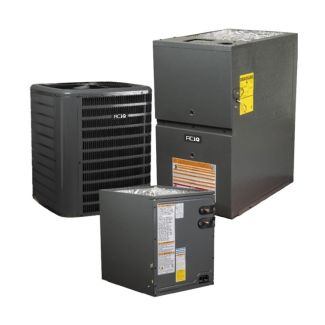
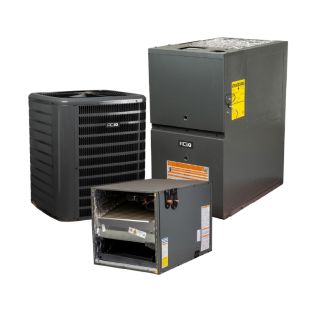
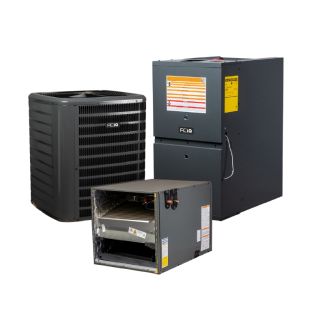
  1. 1.5 Ton 13.4 SEER2 80% AFUE 40,000 BTU ACiQ Gas Furnace and R32 Air Conditioner System - Upflow - AQ-GLXS3BN1810 / AQ-CAPFA1818A3 / AQ-GR9S800403AN
    ACiQ 1.5 Ton 13.4 SEER2 80% AFUE 40,000 BTU Furnace and AC System - R32 Upflow
    Model: AQ-GLXS3BN1810 / AQ-CAPFA1818A3 / AQ-GR9S800403AN
    Rating:
    98%
    Was $3,205.00
    Special Price $2,723.00
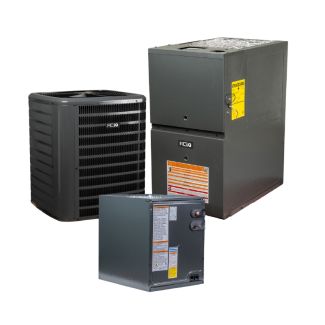
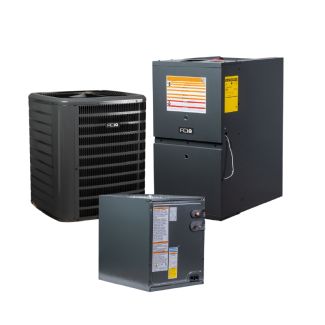
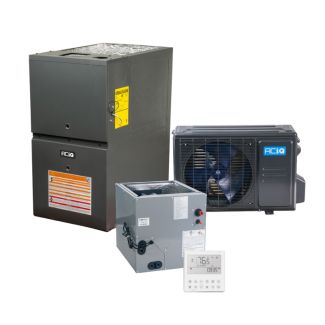
  2. 1.5 Ton 13.4 SEER2 80% AFUE 40000 BTU Low NOx Gas Furnace and R32 Air Conditioner System - Upflow - AQ-GLXS3BN1810 / AQ-CAPFA1818A3 / AQ-GR9S800403AX
    ACiQ 1.5 Ton 13.4 SEER2 80% AFUE 40,000 BTU Furnace and AC System - R32 Upflow | Low NOx
    Model: AQ-GLXS3BN1810 / AQ-CAPFA1818A3 / AQ-GR9S800403AX
    Rating:
    98%
    Was $3,234.00
    Special Price $2,748.00
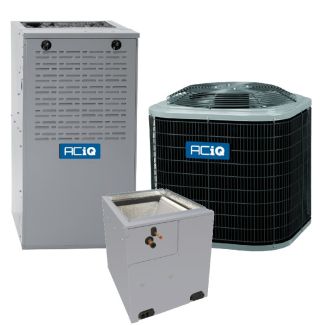
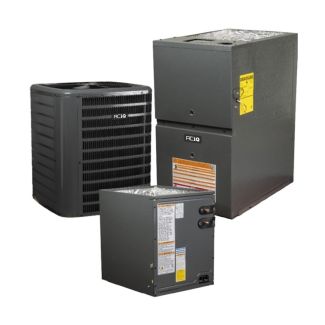
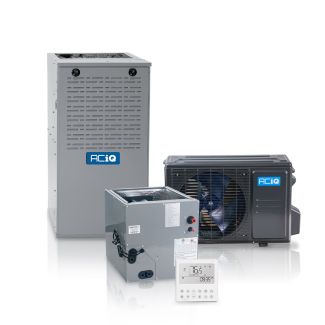
  3. 1.5 Ton 13.4 SEER2 80% AFUE 45,000 BTU ACIQ Gas Furnace and Air Conditioner System - Upflow/Downflow - R454B - R5A4S18AKANA / EVD5X18M14A / N80MSN0451412A
    SAVE $938.00
    ACIQ 1.5 Ton 13.4 SEER2 80% 40,000 BTU Furnace & AC System - R454B Upflow / Downflow
    ACIQ 1.5 Ton 13.4 SEER2 80% 40,000 BTU Furnace & AC System - R454B Upflow / Downflow
    Model: R5A4S18AKANA / EVD5X18M14A / N80MSN0451412A
    Rating:
    99%
    Was $3,708.00
    Special Price $2,770.00
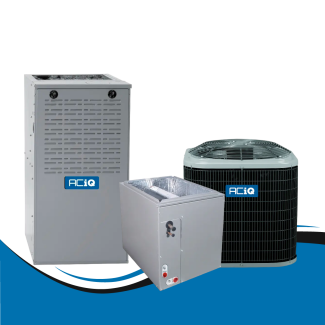
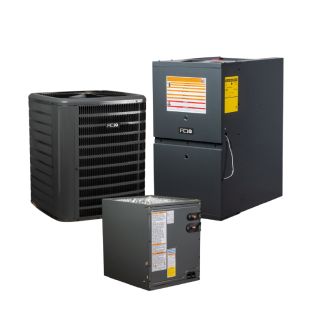
  4. ACIQ Build Your Own Furnace & AC System - R454B
    SAVE $309.00
    ACIQ Build Your Own Furnace & AC System - R454B
    Model: ACIQ BYO Furnace-AC-Coil-R454B
    Was $3,084.00 Your Low Price Special Price $2,775.00
  5. 1.5 Ton 13.4 SEER2 80% AFUE 40000 BTU Gas Furnace and R32 Air Conditioner System - Horizontal - AQ-GLXS3BN1810 / AQ-CHPTA1822A3 / AQ-GR9S800403AN
    ACiQ 1.5 Ton 13.4 SEER2 80% AFUE 40,000 BTU Furnace and AC System - R32 Horizontal
    Model: AQ-GLXS3BN1810 / AQ-CHPTA1822A3 / AQ-GR9S800403AN
    Rating:
    98%
    Was $3,288.00
    Special Price $2,793.00
  6. 1.5 Ton 13.4 SEER2 80% AFUE 40000 BTU Gas Furnace and R32 Air Conditioner System - Downflow - AQ-GLXS3BN1810 / AQ-CAPFA2422A3 / AQ-GD9S800403AN
    ACiQ 1.5 Ton 13.4 SEER2 80% AFUE 40,000 BTU Furnace and AC System - R32 Downflow
    Model: AQ-GLXS3BN1810 / AQ-CAPFA2422A3 / AQ-GD9S800403AN
    Rating:
    96%
    Was $3,457.00
    Special Price $2,811.00
  7. 1.5 Ton 13.4 SEER2 80% AFUE 40000 BTU Low NOx Gas Furnace and R32 Air Conditioner System - Downflow - AQ-GLXS3BN1810 / AQ-CAPFA2422A3 / AQ-GD9S800403AX
    ACiQ 1.5 Ton 13.4 SEER2 80% AFUE 40,000 BTU Furnace and AC System - R32 Downflow | Low NOx
    Model: AQ-GLXS3BN1810 / AQ-CAPFA2422A3 / AQ-GD9S800403AX
    Rating:
    96%
    Was $3,457.00
    Special Price $2,811.00
  8. 1.5 Ton 13.4 SEER2 80% AFUE 40000 BTU Low NOx Gas Furnace and R32 Air Conditioner System - Horizontal - AQ-GLXS3BN1810 / AQ-CHPTA1822A3 / AQ-GR9S800403AX
    ACiQ 1.5 Ton 13.4 SEER2 80% AFUE 40,000 BTU Furnace and AC System - R32 Horizontal | Low NOx
    Model: AQ-GLXS3BN1810 / AQ-CHPTA1822A3 / AQ-GR9S800403AX
    Rating:
    98%
    Was $3,317.00
    Special Price $2,818.00
  9. 2 Ton 13.4 SEER2 80% AFUE 40,000 BTU ACiQ Gas Furnace and R32 Air Conditioner System - Upflow - AQ-GLXS3BN2410 / AQ-CAPFA2422A3 / AQ-GR9S800403AN
    ACiQ 2 Ton 13.4 SEER2 80% AFUE 40,000 BTU Furnace and AC System - R32 Upflow
    Model: AQ-GLXS3BN2410 / AQ-CAPFA2422A3 / AQ-GR9S800403AN
    Rating:
    98%
    Was $3,341.00
    Special Price $2,839.00
  10. 1.5 Ton 13.4 SEER2 80% AFUE 70,000 BTU ACIQ Gas Furnace and Air Conditioner System - Upflow/Downflow - R454B - R5A4S18AKANA / EVD5X18M14A / N80MSN0701412A
    SAVE $949.00
    ACIQ 1.5 Ton 13.4 SEER2 80% 60,000 BTU Furnace & AC System - R454B Upflow / Downflow
    ACIQ 1.5 Ton 13.4 SEER2 80% 60,000 BTU Furnace & AC System - R454B Upflow / Downflow
    Model: R5A4S18AKANA / EVD5X18M14A / N80MSN0701412A
    Rating:
    99%
    Was $3,798.00
    Special Price $2,849.00
  11. 1.5 Ton 13.4 SEER2 80% AFUE 45,000 BTU ACIQ Gas Furnace and Air Conditioner System - Upflow/Downflow - R454B - R5A4S18AKANA / EVD5X19M17A / N80MSN0451412A
    SAVE $968.00
    ACIQ 1.5 Ton 13.4 SEER2 80% 40,000 BTU Furnace & AC System - R454B Upflow / Downflow
    ACIQ 1.5 Ton 13.4 SEER2 80% 40,000 BTU Furnace & AC System - R454B Upflow / Downflow
    Model: R5A4S18AKANA / EVD5X19M17A / N80MSN0451412A
    Rating:
    99%
    Was $3,821.00
    Special Price $2,853.00
  12. 1.5 Ton 13.4 SEER2 80% AFUE 40000 BTU Gas Furnace and R32 Air Conditioner System - Downflow - AQ-GLXS3BN1810 / AQ-CAPTA1818A3 / AQ-GD9S800403AN
    ACiQ 1.5 Ton 13.4 SEER2 80% AFUE 40,000 BTU Furnace and AC System - R32 Downflow
    Model: AQ-GLXS3BN1810 / AQ-CAPTA1818A3 / AQ-GD9S800403AN
    Rating:
    96%
    Was $3,509.00
    Special Price $2,855.00
  13. 1.5 Ton 13.4 SEER2 80% AFUE 40000 BTU Low NOx Gas Furnace and R32 Air Conditioner System - Downflow - AQ-GLXS3BN1810 / AQ-CAPTA1818A3 / AQ-GD9S800403AX
    ACiQ 1.5 Ton 13.4 SEER2 80% AFUE 40,000 BTU Furnace and AC System - R32 Downflow | Low NOx
    Model: AQ-GLXS3BN1810 / AQ-CAPTA1818A3 / AQ-GD9S800403AX
    Rating:
    96%
    Was $3,509.00
    Special Price $2,855.00
  14. 1.5 Ton 13.4 SEER2 80% AFUE 40000 BTU Gas Furnace and R32 Air Conditioner System - Horizontal - AQ-GLXS3BN1810 / AQ-CHPTA1822A3 / AQ-GD9S800403AN
    ACiQ 1.5 Ton 13.4 SEER2 80% AFUE 40,000 BTU Furnace and AC System - R32 Horizontal
    Model: AQ-GLXS3BN1810 / AQ-CHPTA1822A3 / AQ-GD9S800403AN
    Rating:
    96%
    Was $3,513.00
    Special Price $2,858.00
  15. 1.5 Ton 13.4 SEER2 80% AFUE 40000 BTU Low NOx Gas Furnace and R32 Air Conditioner System - Horizontal - AQ-GLXS3BN1810 / AQ-CHPTA1822A3 / AQ-GD9S800403AX
    ACiQ 1.5 Ton 13.4 SEER2 80% AFUE 40,000 BTU Furnace and AC System - R32 Horizontal | Low NOx
    Model: AQ-GLXS3BN1810 / AQ-CHPTA1822A3 / AQ-GD9S800403AX
    Rating:
    96%
    Was $3,513.00
    Special Price $2,858.00
  16. 1.5 Ton 13.4 SEER2 80% AFUE 60000 BTU Gas Furnace and R32 Air Conditioner System - Upflow - AQ-GLXS3BN1810 / AQ-CAPFA1818B3 / AQ-GR9S800603BN
    ACiQ 1.5 Ton 13.4 SEER2 80% AFUE 60,000 BTU Furnace and AC System - R32 Upflow
    Model: AQ-GLXS3BN1810 / AQ-CAPFA1818B3 / AQ-GR9S800603BN
    Rating:
    98%
    Was $3,367.00
    Special Price $2,861.00
  17. 2 Ton 13.4 SEER2 80% AFUE 40000 BTU Low NOx Gas Furnace and R32 Air Conditioner System - Upflow - AQ-GLXS3BN2410 / AQ-CAPFA2422A3 / AQ-GR9S800403AX
    ACiQ 2 Ton 13.4 SEER2 80% AFUE 40,000 BTU Furnace and AC System - R32 Upflow | Low NOx
    Model: AQ-GLXS3BN2410 / AQ-CAPFA2422A3 / AQ-GR9S800403AX
    Rating:
    98%
    Was $3,370.00
    Special Price $2,864.00
  18. 1.5 Ton 13.4 SEER2 80% AFUE 60000 BTU Low NOx Gas Furnace and R32 Air Conditioner System - Upflow - AQ-GLXS3BN1810 / AQ-CAPFA1818B3 / AQ-GR9S800603BX
    ACiQ 1.5 Ton 13.4 SEER2 80% AFUE 60,000 BTU Furnace and AC System - R32 Upflow | Low NOx
    Model: AQ-GLXS3BN1810 / AQ-CAPFA1818B3 / AQ-GR9S800603BX
    Rating:
    98%
    Was $3,379.00
    Special Price $2,871.00
  19. 2 Ton 13.4 SEER2 80% AFUE 45,000 BTU ACIQ Gas Furnace and Air Conditioner System - Upflow/Downflow - R454B - R5A4S24AKANA / EVD5X24M14A / N80MSN0451412A
    SAVE $959.00
    ACIQ 2 Ton 13.4 SEER2 80% 40,000 BTU Furnace & AC System - R454B Upflow / Downflow
    ACIQ 2 Ton 13.4 SEER2 80% 40,000 BTU Furnace & AC System - R454B Upflow / Downflow
    Model: R5A4S24AKANA / EVD5X24M14A / N80MSN0451412A
    Rating:
    99%
    Was $3,834.00
    Special Price $2,875.00
  20. 1.5 Ton 13.4 SEER2 80% AFUE 60000 BTU Gas Furnace and R32 Air Conditioner System - Upflow - AQ-GLXS3BN1810 / AQ-CAPFA2422B3 / AQ-GR9S800603BN
    ACiQ 1.5 Ton 13.4 SEER2 80% AFUE 60,000 BTU Furnace and AC System - R32 Upflow
    Model: AQ-GLXS3BN1810 / AQ-CAPFA2422B3 / AQ-GR9S800603BN
    Rating:
    98%
    Was $3,387.00
    Special Price $2,878.00
  21. 1.5 Ton 13.4 SEER2 80% AFUE 60000 BTU Low NOx Gas Furnace and R32 Air Conditioner System - Upflow - AQ-GLXS3BN1810 / AQ-CAPFA2422B3 / AQ-GR9S800603BX
    ACiQ 1.5 Ton 13.4 SEER2 80% AFUE 60,000 BTU Furnace and AC System - R32 Upflow | Low NOx
    Model: AQ-GLXS3BN1810 / AQ-CAPFA2422B3 / AQ-GR9S800603BX
    Rating:
    98%
    Was $3,399.00
    Special Price $2,888.00
  22. ACiQ 1.5 Ton 16 SEER2 80% AFUE 40000 BTU Furnace & AC System - R454B - Upflow/Horizontal - ACIQ-18-AC-B / ACIQ-24-ACL-14-B / AQ-GR9S800403AN
    SAVE $1,071.00
    ACiQ 1.5 Ton 16 SEER2 80% AFUE 40,000 BTU Furnace & AC System - R454B - Upflow/Horizontal
    ACiQ 1.5 Ton 16 SEER2 80% AFUE 40,000 BTU Furnace & AC System - R454B - Upflow/Horizontal
    Model: ACIQ-18-AC-B / ACIQ-24-ACL-14-B / AQ-GR9S800403AN
    Rating:
    99%
    Was $3,961.00
    Special Price $2,890.00
  23. ACiQ 1.5 Ton 16 SEER2 80% AFUE 60000 BTU Furnace & AC System - R454B - Upflow/Horizontal - ACIQ-18-AC-B / ACIQ-24-ACL-14-B / AQ-GR9S800603AN
    SAVE $1,071.00
    ACiQ 1.5 Ton 16 SEER2 80% AFUE 60,000 BTU Furnace & AC System - R454B - Upflow/Horizontal
    ACiQ 1.5 Ton 16 SEER2 80% AFUE 60,000 BTU Furnace & AC System - R454B - Upflow/Horizontal
    Model: ACIQ-18-AC-B / ACIQ-24-ACL-14-B / AQ-GR9S800603AN
    Rating:
    99%
    Was $3,964.00
    Special Price $2,893.00
  24. ACiQ 1.5 Ton 16 SEER2 80% AFUE 40000 BTU Furnace & AC System - R454B - Multi-Positional - ACIQ-18-AC-B / ACIQ-24-ACL-14-B / N80MSN0451412A
    SAVE $1,392.00
    ACiQ 1.5 Ton 16 SEER2 80% AFUE 40,000 BTU Furnace & AC System - R454B - Multi-Positional
    ACiQ 1.5 Ton 16 SEER2 80% AFUE 40,000 BTU Furnace & AC System - R454B - Multi-Positional
    Model: ACIQ-18-AC-B / ACIQ-24-ACL-14-B / N80MSN0451412A
    Rating:
    99%
    Was $4,289.00
    Special Price $2,897.00
Page
per page

What is a furnace and air conditioner system?

A furnace and air conditioner system is a central HVAC split system that pairs an indoor heating unit with an outdoor cooling unit connected to home ductwork. In cooling mode, the outdoor compressor pumps chemical refrigerant through copper lines to the indoor evaporator coil, where it absorbs indoor heat and humidity before venting that thermal energy outside. In heating mode, the furnace burns fuel like natural gas or uses electric heating elements to generate thermal energy directly, using its internal blower fan to circulate warm air throughout the building. This dual setup relies on a shared indoor blower motor and central thermostat to manage year-round indoor temperatures efficiently.
Shop Systems By Brand

ACiQ HVAC Systems
Bosch Heating and Cooling Systems
Goodman Furnaces and Air Conditioners
RunTru by Trane heating and cooling equipment

What are the main benefits of furnace and air conditioner systems? 

A furnace and air conditioner system delivers complete 2-in-1 climate control that keeps your home comfortable in every season. Pairing a high-output furnace with a matching air conditioner unit provides one dependable setup for year-round heating and cooling.

  • Year-Round Comfort: Furnace and air conditioner systems eliminate the need for separate heating and cooling solutions. This integrated approach keeps homes warm during winter cold snaps and refreshingly cool during summer heat waves, providing comprehensive climate control across all seasons.
  • Consistent Temperatures: Central duct systems excel at delivering conditioned air uniformly throughout a home. This balanced distribution removes the frustration of cold bedrooms paired with hot living areas, ensuring that every room maintains the same comfortable temperature regardless of location.
  • Improved Efficiency: When furnace and air conditioner components are properly matched, they operate as an optimized team rather than independent units. Modern systems like the ACiQ 1.5 Ton 13.4 SEER2 97% 60,000 BTU Furnace & AC System achieve strong ratings for cooling and heating, translating into noticeably lower energy consumption and reduced monthly utility bills.
  • Centralized Climate Control: Managing home temperature becomes effortless with a single thermostat controlling both heating and cooling functions. As outdoor weather patterns shift between seasons, homeowners simply adjust settings from one convenient location without managing separate systems.
  • Better Indoor Air: Air conditioning systems do more than cool air. They actively reduce indoor humidity levels during warm months, preventing the moisture problems and discomfort associated with sticky conditions. Meanwhile, integrated filters continuously capture dust, pollen, and other airborne contaminants as air passes through the furnace blower.
  • Increased Home Value: Modern, energy-efficient HVAC systems appeal strongly to home buyers because they promise reliability and predictable operating costs. New equipment eliminates concerns about immediate replacement expenses, making homes with updated systems more attractive in competitive real estate markets.

Upgrading to a matched furnace and AC system requires an upfront investment, but the long-term energy savings and reliable year-round comfort offset initial installation costs. Working with a qualified HVAC professional helps you select the correct equipment size and duct design for maximum long-term system performance.


What can furnace and air conditioner systems be used for?

A furnace and air conditioner system is a versatile central heating and cooling solution designed to meet a wide variety of residential application needs. Pairing an outdoor cooling unit with a high-capacity indoor furnace provides complete climate control for both new construction and existing home upgrades.

  • Whole-Home Heating: Central furnace systems form the backbone of residential heating by taking warm air and distributing it evenly throughout a home via ductwork. Gas furnaces excel at generating the high heat output needed to maintain warmth during harsh winter temperatures, making them especially effective in cold climates.
  • Whole-Home Cooling: Air conditioning works as a complete cycle involving the outdoor condenser, indoor evaporator coil, and the furnace blower. As warm air passes across the cold coil, it loses its heat and humidity. The system then circulates this cooled air through supply vents while simultaneously removing warmth and moisture from indoor spaces.
  • Replacing an Aging HVAC System: Older furnaces and air conditioners often lose efficiency and reliability over time. Homeowners facing declining performance or frequent repairs find that new matched systems restore comfort while significantly lowering monthly energy bills compared to aging equipment.
  • New Home Construction & HVAC Installations: New construction and major renovation projects present an advantage: ductwork can be designed specifically for optimal system performance from the start. Planning component placement and airflow paths during the building phase results in superior efficiency and comfort compared to retrofit installations.
  • Improved Indoor Comfort: Beyond temperature control, furnace and air conditioner systems maintain steady indoor conditions by reducing temperature swings and controlling humidity levels. The constant air circulation through integrated filters also captures dust and airborne particles, contributing to healthier indoor air quality.
  • Year-Round Climate Control: A single thermostat manages both heating and cooling functions through shared ductwork, creating a unified comfort system. This centralized approach simplifies temperature management and allows homeowners to adjust seasonal settings from one convenient location.

Choosing a complete and compatible furnace and air conditioner system ensures all components work together seamlessly for long-term comfort and efficiency. Verifying that your chosen equipment matches the size and heating loads of your specific property through an HVAC expert consultation from HVACDirect.com can be very helpful.


Which spaces are ideal for furnace and air conditioner systems?

Furnace and air conditioner systems are ideal for structures with existing central ductwork or designated utility spaces ranging from 800 to over 3,000 square feet. Pairing an indoor furnace with an outdoor air conditioning unit provides complete heating and cooling for both detached residences and commercial properties.

  • Single-Family Homes: Standard single-family residences offer ample space for indoor air handlers and outdoor condensers connected to central duct systems. These setups deliver balanced 100% whole-home airflow to maintain stable indoor temperatures during extreme summer and winter weather.
  • Multi-Story Homes: Multi-story residential layouts benefit from forced-air furnace and cooling setups that can be paired with zoning dampers to regulate thermal drift between floor levels. Multi-level duct routing helps eliminate temperature differences across two or more stories.
  • Manufactured Homes: Manufactured and mobile homes often utilize specialized furnace and cooling package units or dedicated split systems designed to fit compact utility closets. These units deliver forced-air heating and cooling through under-floor ductwork to maintain efficient climate control.
  • Townhouses: Townhouses with shared side walls provide suitable vertical layouts for split systems using vertical upflow or downflow gas furnaces. Centrally routed ducts distribute conditioned air across multiple narrow living levels while conserving internal floor space.
  • Rental Properties: Single-unit and multi-family rental properties rely on durable furnace and air conditioner systems to provide low-maintenance climate control for tenants. Installing a matched split system helps landlords lower unexpected repair costs and maintain long-term property values.
  • Light Commercial Spaces: Small business offices, retail storefronts, and medical clinics use high-capacity split furnace and air conditioning systems to maintain comfortable indoor spaces for customers and staff. Commercial-grade gas furnaces and cooling units handle high foot-traffic loads while keeping monthly energy expenses manageable.

Selecting the right furnace and air conditioner setup depends on the physical layout, total square footage, and available duct space of the property. Consulting a qualified technician ensures your chosen system matches the heating and cooling demands of your specific building.


What type of furnace and air conditioner system do you need?

Determining the right furnace and air conditioner system depends on your home's available fuel sources, climate demands, and performance preferences. Selecting the ideal unit configuration ensures consistent year-round comfort while optimizing monthly utility costs.

  • Gas Furnace and Air Conditioner Systems: Natural gas remains the preferred fuel source for most residential heating applications. Homeowners with gas service benefit from powerful, economical heating combined with efficient central air conditioning in a single integrated system.
  • Propane Furnace and Air Conditioner Systems: Rural homes and properties beyond natural gas service lines rely on propane as a practical alternative. Propane furnaces deliver consistent, dependable heat while connecting to the same central cooling technology found in gas systems, giving homeowners complete climate control.
  • Electric Furnace and Air Conditioner Systems: Homes without natural gas access can turn to electric heating for straightforward, reliable warmth. Electric furnace systems install with minimal complexity and work seamlessly with central air conditioners to provide comfort throughout every season.
  • Standard vs. High-Efficiency Systems: Homeowners must weigh immediate costs against long-term savings. Budget-conscious buyers often choose standard-efficiency models, while those focused on energy consumption select high-efficiency furnaces and air conditioners that reduce operating expenses over many years.
  • Single-Stage vs. Variable-Speed Systems: Performance and comfort vary significantly across different compressor and blower technologies. Single-stage systems offer basic operation, while two-stage and variable-speed options provide smoother performance, better humidity management, and quieter operation throughout the heating and cooling seasons.
  • Replacement Systems vs. Complete New Installations: Project scope determines equipment selection strategy. Direct replacements substitute existing systems in place, while new homes and major renovations allow for complete matched HVAC systems optimized for specific space requirements.

Consulting with an HVAC professional will help verify the precise sizing and fuel configuration needed for your structure. Evaluating these key system options ensures your new heating and cooling equipment aligns with both your immediate installation budget and long-term efficiency goals.


What size furnace and air conditioner system do you need?

Determining the proper size furnace and air conditioner system, which can range from 1.5 to 5-ton capacities, relies on matching total cooling tonnage to your home's total square footage and climate demands. Selecting the accurate capacity ensures consistent temperature control, proper dehumidification, and efficient operation without overworking system components.

  •  1.5 Ton Systems: Designed for small structures such as condos, mobile homes, or small single-story residences ranging from 600 to 1,000 sq.ft.
  • 2 Ton Systems: Ideal for cooling and heating modest single-family homes, townhouses, or large apartments measuring between 1,000 and 1,500 sq. ft.
  • 2.5 Ton Systems: Suitable for mid-sized homes or split-level layouts requiring increased output, typically spanning 1,250 to 1,750 sq. ft.
  • 3 Ton Systems: Commonly installed in standard three-bedroom single-family residences ranging from 1,500 to 2,000 sq. ft.
  • 3.5 Ton Systems: Sized for larger residential properties, two-story homes, or high-sunlight layouts covering 1,800 to 2,400 sq. ft.
  • 4 Ton Systems: Best suited for expansive single-family homes or light commercial offices measuring between 2,000 and 2,700 sq. ft.
  • 4.5 Ton Systems: Tailored for heavy-demand residential layouts, multi-level homes with high ceilings, or medium commercial spaces ranging from 2,300 to 2,800 sq. ft.
  • 5 Ton Systems: Built for maximum residential coverage or light commercial buildings spanning 2,500 to 3,000+ sq. ft.

Consult with an HVAC professional to account for insulation, window placement, ceiling height, and total square footage. Accurate professional sizing prevents short-cycling issues and ensures your air conditioner delivers optimal long-term efficiency.


What heating capacity do you need? 

Heating capacities typically range from 30,000 BTUs for compact spaces up to 150,000 BTUs for large multi-story properties in severe cold climates. Determining the right furnace heating capacity requires matching system BTU output to your home's total square footage and regional climate zone.

  • 30,000 BTUs: Ideal for small living spaces like condos, additions, or isolated garage workshops measuring up to 1,000 sq. ft. This compact capacity delivers efficient heat without wasting energy in low-demand environments.
  • 40,000 BTUs: Suited for smaller single-story homes or townhouses spanning 800 to 1,200 sq. ft. in moderate climates. It provides consistent warmth while keeping gas usage manageable.
  • 60,000 BTUs: Common for standard 2 to 3 bedroom homes ranging between 1,200 and 1,800 sq. ft. This mid-range capacity handles moderate to cold winter weather effectively.
  • 80,000 BTUs: Designed for medium to large single-family homes spanning 1,800 to 2,500 sq. ft. It offers powerful thermal output to maintain stable indoor temperatures during heavy winter storms.
  • 100,000 BTUs: Built for expansive properties or multi-story homes measuring 2,200 to 3,000 sq. ft. in cold northern regions. This high-capacity output ensures full heating coverage across large open floor plans.
  • 120,000 BTUs: Tailored for large residential homes or light commercial buildings exceeding 3,000 sq. ft. It delivers robust airflow to reach distant rooms through extended duct networks.
  • 140,000 BTUs: Sized for extra-large luxury estates or multi-family properties requiring heavy heating output. This heavy-duty unit prevents cold spots across complex architectural layouts.
  • 150,000 BTUs: Built for maximum residential capacity or commercial structures in extreme cold climate zones. It provides peak thermal generation to handle freezing outdoor temperatures easily.

Selecting an accurate furnace BTU capacity prevents short cycling caused by oversized units or continuous running caused by undersized equipment. Performing a professional load calculation ensures your system delivers optimal energy efficiency and long-term heating performance. It is important to know that if either the air conditioner or furnace is oversized or undersized relative to the other, the whole system may experience performance problems due to the imbalance.


What features matter most when buying a furnace and ac system? 

Some key features like physical cabinet sizing and energy efficiency ratings determine overall system performance and installation compatibility. Evaluating motor stages, refrigerant types, and airflow configurations ensures your chosen equipment operates at peak efficiency while fitting seamlessly into your existing home layout.

  • Furnace Efficiency & Venting Requirements: AFUE tells you how effectively a furnace converts fuel into usable heat. Standard 80% models work with galvanized steel venting, but high-efficiency furnaces rated 92% or above require PVC piping for both intake and exhaust lines. These systems also need condensate drainage to remove moisture. Before upgrading, homeowners should know that switching to high-efficiency may involve additional installation labor and potentially affect how other vented appliances operate in the home.
  • Properly Matched System Components: The best heating and cooling performance comes from equipment designed as an integrated unit. When a furnace, evaporator coil, and air conditioner are properly matched, the entire system operates at peak efficiency while maintaining reliability. This matching also protects manufacturer warranty coverage and ensures consistent year-round comfort.
  • Cabinet Width & Installation Compatibility: Many homeowners overlook cabinet width when replacing their HVAC system, even though it significantly impacts installation. Most furnaces and coils are manufactured in four standard widths. By selecting the same cabinet width as existing equipment, installation becomes simpler with fewer ductwork alterations needed. HVACDirect.com's flush-fit combinations are specifically engineered to minimize installation complexity.
  • Refrigerant Compatibility: All components in an air conditioning system must use the same refrigerant type. The outdoor condenser, indoor coil, and line set form an interconnected system where compatibility matters. Partial system replacements require special attention to refrigerant matching, as mismatches create efficiency problems and unexpected installation expenses.
  • Installation Flexibility: Not all furnace and air conditioner systems fit the same way. Some models support multiple installation options including upflow, horizontal, or downflow configurations. Selecting equipment compatible with a home's existing layout eliminates unnecessary modifications and reduces overall project costs.

The best furnace and AC systems balance comfort, efficiency, and long-term reliability. Consider whether a single-stage, two-stage, or variable-speed inverter system best fits your home's needs. To simplify your purchase, HVACDirect.com offers AHRI-matched furnace and air conditioner systems, ensuring compatible components that deliver verified performance and efficiency.


Additional factors to consider when buying a furnace and ac system

Some factors such as efficiency ratings, compressor stages, warranty coverage, and decibel outputs directly affect your overall satisfaction and installation budget. Evaluating advanced performance features alongside manufacturer protections ensures long-term system reliability and maximum operating comfort.

  • Air Conditioner Efficiency (SEER2 Rating): SEER2 measures how well an air conditioner cools your home while using electricity. Air conditioners with higher SEER2 ratings use less electricity and cost less money to run over time. This is especially helpful in places that stay hot and need cooling for many months.
  • Comfort & Performance Technology: Customers should look for air conditioners with single-stage, two-stage, or variable-speed compressors and blower motors. These features help keep temperatures steady throughout the home, control humidity better, run more quietly, and save more electricity.
  • Warranty Coverage: Customers should compare warranties for the compressor, parts, and heat exchanger, as well as any registration requirements. A good manufacturer's warranty protects the air conditioner for many years and gives customers peace of mind.
  • Noise Levels: If the outdoor unit will sit near a patio, bedroom, or a neighbor's yard, customers should check how loud the system is. Features like variable-speed compressors, advanced fan blade designs, insulated compressor compartments, and sound-dampening technology can make the system much quieter while still working efficiently.

Reviewing regional efficiency requirements and confirming local sound ordinances can prevent unexpected compliance issues after equipment installation. Consulting with an experienced installer helps you choose a system that delivers quiet, high-efficiency cooling and comprehensive warranty protection.


Which brands make the best furnace and air conditioner systems?

Top heating and cooling brands deliver whole-home comfort by combining durable gas or electric furnaces with high-efficiency central air conditioning condensers. Choosing a major manufacturer ensures long-term equipment reliability, simple access to replacement parts, and strong warranty protection for your HVAC investment.

  • ACiQ: ACiQ combines direct-to-consumer affordability with modern heating and cooling technology, delivering quiet operation, smart humidity control, and high-efficiency performance. ACiQ has a reputation for achieving high SEER2 ratings for its heating and cooling systems across its product line.
  • Goodman: Goodman is one of the most popular and trusted HVAC brands, known for manufacturing durable, U.S.-built furnace and air conditioner systems backed by industry-leading warranties. Their heat exchanger, which is made of tubular aluminized steel, is considered their most focused asset in all of their furnace products.
  • RunTru by Trane: Designed and tested in the United States, RunTru by Trane delivers high-end engineering and rugged build quality at an accessible price point. RunTru takes existing Trane systems and reimagines them into budget-conscious heating and cooling applications for home and business.

Comparing warranty terms, SEER2 efficiency ratings, and furnace AFUE options across these leading manufacturers helps you select the best equipment package for your installation budget. Working with a licensed installer ensures your preferred system is sized correctly and set up for optimal performance.


How much do furnace and air conditioner systems cost?

A complete furnace and air conditioner system setup (before operating, maintenance, and financing costs) typically ranges from $4,700+ to $18,000+ including equipment and professional installation.

  • Equipment Price: Furnace and air conditioner system costs typically range from $2,700 to $6,500 depending on cooling and heating capacity, efficiency ratings, compressor technology, brand reputation, and available features. Entry-level systems prioritize affordability with basic functionality, while premium high-efficiency models justify their higher price through superior comfort and measurable energy savings over the system's operational lifetime.
  • Installation Costs: Bringing a new HVAC system to full operation requires professional installation labor, typically ranging from $1,000 to $3,000. Total installation expenses depend on existing home infrastructure, including ductwork modifications, venting system changes, electrical upgrades, refrigerant line compatibility, and regional labor rate variations. Some installers may charge hourly rates in lieu of or in addition to whole install fees, from $75 to $150+ per 60 minutes of installation.
  • Operation and Maintenance: Ongoing furnace and AC costs include monthly energy use, routine maintenance, and eventual system replacement. Typical annual heating and cooling expenses range from $350 to $750, with higher-efficiency systems generally costing less to operate. When replacement becomes necessary, total costs can range from about $3,000 to $9,000 depending on equipment, labor, permits, ductwork modifications, coil compatibility, and other required system upgrades.
  • Rebates, Tax Credits & Financing: Federal programs that previously offered substantial financial incentives for energy-efficient upgrades are currently unavailable. However, manufacturers, utilities, and government agencies still provide promotional rebates and tax credits, while flexible financing options including 0% payment plans within specified timeframes make system upgrades financially accessible.

Purchasing wholesale equipment directly online can save homeowners thousands of dollars compared to full-service dealer markups. Combining equipment savings with local utility incentives helps lower your total out-of-pocket investment while maintaining high-efficiency performance.


Why buy furnace and ac systems from HVACDirect.com?

Buying direct from HVACDirect.com eliminates typical contractor markups, giving you access to commercial-grade heating and cooling equipment at wholesale pricing. From tailored system design support to flexible payment options, our direct-to-consumer model delivers reliable whole-home comfort while saving thousands on your replacement project.
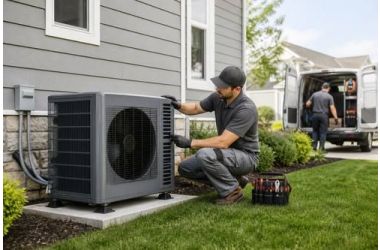
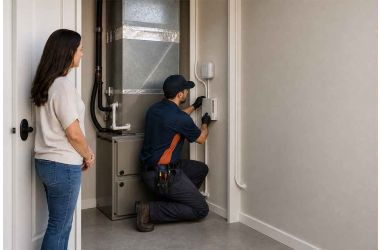
  • Complete, Professionally Matched Systems: System compatibility concerns disappear when furnace and air conditioner components are engineered as an integrated unit. HVACDirect.com's pre-matched kits eliminate guesswork by pairing complementary equipment, ensuring optimal performance, maximized efficiency, and seamless compatibility across all system elements.
  • Wide Selection of Trusted HVAC Brands: HVACDirect.com collaborates with established manufacturers including Goodman, ACiQ, RunTru, MRCOOL, and numerous others, providing customers with genuine choice. Whether prioritizing budget-friendly solutions, premium efficiency ratings, or advanced comfort technologies, the platform's extensive inventory accommodates virtually every home and financial consideration.
  • Competitive Pricing & Financing: Direct manufacturer relationships enable HVACDirect.com to deliver competitive equipment pricing without retail markups. Flexible payment plans further remove financial barriers by allowing customers to distribute costs across manageable monthly payments rather than requiring substantial upfront expenses.
  • Fast, Nationwide Shipping: Strategic distribution centers positioned throughout the country reduce shipping timelines significantly. This logistical advantage means customers receive furnace and air conditioner systems promptly, enabling faster project commencement and minimizing delays in system installation.
  • Expert Buying Resources & Support: Comprehensive educational tools empower informed purchasing decisions. HVACDirect.com furnishes sizing calculators, purchasing guides, detailed technical specifications, and accessible customer support specialists who help customers identify equipment perfectly suited to their specific home requirements and preferences.
  • Everything You Need for Installation: Beyond complete system packages, HVACDirect.com functions as a comprehensive HVAC solution center. Customers access thermostats, refrigerant line sets, disconnects, mounting brackets, indoor air quality products, and miscellaneous installation accessories through a single integrated platform, streamlining procurement and reducing sourcing complexity.

Recent Posts

How Much Does It Cost to Replace an HVAC System in 2026?
How the equipment is purchased can also make a meaningful difference. For a common full-system project—such as replacing a central air conditioner and gas furnace while keeping usable ductwork—a turnkey contractor-supplied project may cost **about $11,000 to $17,000**. Purchasing a matched system...
Read more
How Can an A2L Mitigation Board Help You Replace Only Your AC Condenser?
When an older R-410A outdoor condenser fails, replacing the entire HVAC system is not always the only option. If the indoor evaporator coil or air handler is still in usable condition, an A2L refrigerant detection and mitigation kit may allow that indoor equipment to remain in place while the...
Read more
Can I Replace Just My Outdoor AC Unit?
When the outdoor portion of a central air conditioner fails, replacing only that unit can sound like the simplest and least expensive solution. Sometimes it is. However, a central split system is not a collection of interchangeable parts. The outdoor condenser and the indoor evaporator coil work...
Read more
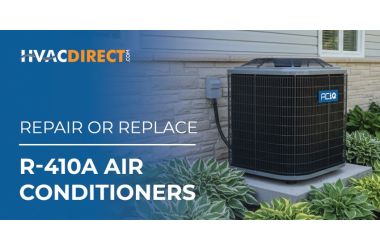
R-410A air conditioner with repair or replace messaging for homeowners
Should You Repair or Replace an R-410A Air Conditioner?
Not sure whether to repair or replace your R-410A air conditioner? Compare system age, repair type, refrigerant costs, compatibility, and overall condition to determine which option makes the most sense. Existing R-410A systems can still be serviced, but major repairs may change the long-term value...
Read more

Call Now and Get a Free Quote Today! 1-800-397-1392

Featured Furnace & AC System Videos

FAQs about furnace and air conditioner systems

Replacing your furnace and air conditioner at the same time is usually the most practical choice because both units share critical components like the blower motor, ductwork, and thermostat controls. Installing a matched system ensures optimal compatibility, maintains manufacturer warranties, and helps achieve advertised SEER2 and AFUE efficiency ratings. Additionally, combining installation reduces labor expenses, as HVAC technicians can complete duct transitions, line set connections, and electrical wiring in a single visit. However, if your existing furnace or air conditioner is less than eight years old and fully compatible with modern equipment, replacing only the failing unit can be a viable way to manage upfront costs.

Replacing a complete furnace and air conditioner system typically takes 8 to 14 hours for a professional installation crew, usually completed in 1 to 2 days. A standard like-for-like replacement can often be wrapped up in a single workday, while jobs requiring custom ductwork modifications, electrical panel upgrades, or new PVC venting for high-efficiency condensing furnaces may extend into a second day. The installation process includes removing old equipment, setting the indoor furnace and coil, positioning the outdoor condenser, running refrigerant lines and wiring, and conducting final vacuum testing and system commissioning.

Yes, the furnace and air conditioner in a central HVAC system work directly together as an integrated unit to deliver year-round climate control. The furnace generates heat during winter while the outdoor air conditioner absorbs heat during summer. While they perform opposite temperature functions, they rely on shared indoor components to circulate conditioned air throughout your entire home.

No, a standard furnace and air conditioner combination is not a single physical unit, as it is structured as a united split system. In a split system, the heating and cooling components are divided into two separate cabinets: an indoor unit (the furnace and evaporator coil) located in a basement, closet, or attic, and an outdoor unit (the air conditioner condenser) located outside the home. These two halves work in tandem via copper refrigerant lines and electrical wiring to provide year-round climate control.

Yes, in a standard central HVAC system, the furnace and air conditioner share the exact same air filter, like the MERV (Minimum Efficiency Reporting Value) 8, 11, and 13 filter varieties. Because both heating and cooling functions rely on the furnace's indoor blower motor to circulate air through your ductwork, all return air passes through a single filter location regardless of whether the system is heating or cooling.

No, the furnace and air conditioner in a central HVAC system do not strictly need to be the same brand, but installing a matching brand and model family is highly recommended. Mixing and matching components from different manufacturers can result in mismatched performance, reduced energy efficiency, and potential installation complications. When you install a matched system from a single manufacturer, the outdoor air conditioner condenser, indoor evaporator coil, and furnace blower motor are specifically engineered to operate together. Mixing brands can make it difficult to achieve certified SEER2 efficiency ratings and may void or complicate manufacturer warranty coverage if an equipment failure occurs. Choosing a pre-matched furnace and AC package ensures optimal airflow, maximum system lifespan, and reliable comfort performance.

A complete central heating and cooling system typically lasts between 15 and 25 years, though the individual components within the system often age at different rates. Gas furnaces generally have a lifespan of 15 to 20 years because indoor heating equipment remains protected inside the home away from severe weather. Outdoor central air conditioning units usually last 12 to 17 years, as constant exposure to weather elements, intense summer workloads, and continuous refrigerant pressure cycles contribute to faster component wear over time. Key factors that help maximize overall system longevity include replacing air filters regularly, scheduling annual professional maintenance, ensuring proper ductwork sizing during installation, and operating equipment in moderate climate conditions.

While homeowners can purchase furnace and air conditioner systems directly online to save on equipment costs, full DIY installation is generally not recommended unless you are a licensed HVAC professional. Installing a central heating and cooling system involves complex electrical wiring, high-pressure refrigerant line connections, gas piping, and flue venting. Handling refrigerants legally requires specific EPA certification, and improper gas or electrical connections can create severe fire, carbon monoxide, or safety hazards.

A furnace and air conditioner system should be professionally serviced at least once a year per unit, resulting in two total maintenance visits annually. The ideal schedule is to service the air conditioner in the spring before the summer cooling season begins, and to tune up the furnace in the autumn before the winter heating season starts. Spring service focuses on inspecting refrigerant levels, cleaning the outdoor condenser and indoor evaporator coils, and testing cooling performance. Autumn service covers inspecting the heat exchanger for cracks, cleaning gas burners and igniters, testing safety controls, and checking flue venting. In addition to annual professional tune-ups, homeowners should replace or clean the shared air filter every one to three months to maintain proper airflow, preserve energy efficiency, and protect internal components from premature failure.

Yes, replacing a furnace and air conditioner together is almost always cheaper overall than replacing them in two separate installation visits. While buying both units at once requires a higher upfront financial investment, bundling the replacement significantly reduces total labor costs, equipment markups, and administrative fees. Contractors can install both systems in a single service window, allowing them to complete electrical connections, duct transitions, refrigerant line hookups, and system commissioning at the same time. Performing these tasks together typically saves homeowners anywhere from $500 to $1,500 or more in combined installation labor.

blockboard tech