0% Financing for 12 Months* or up to 48 Months* Terms Available - Buy Now and Pay later!

Reznor Gas Unit Heaters

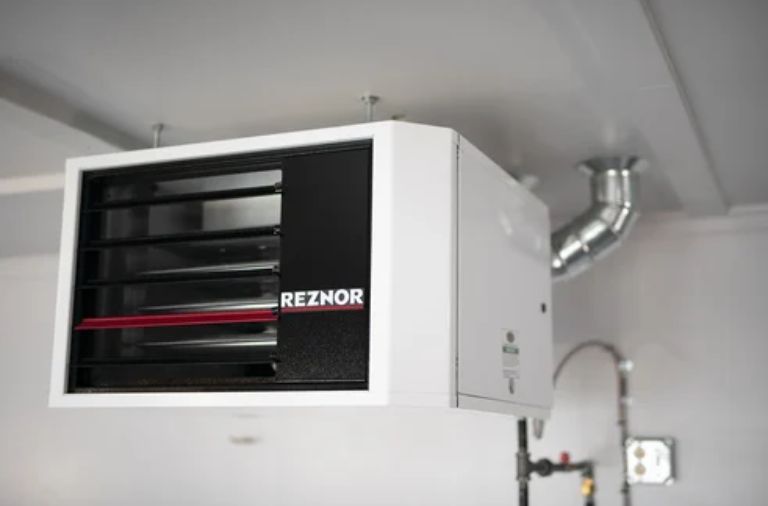
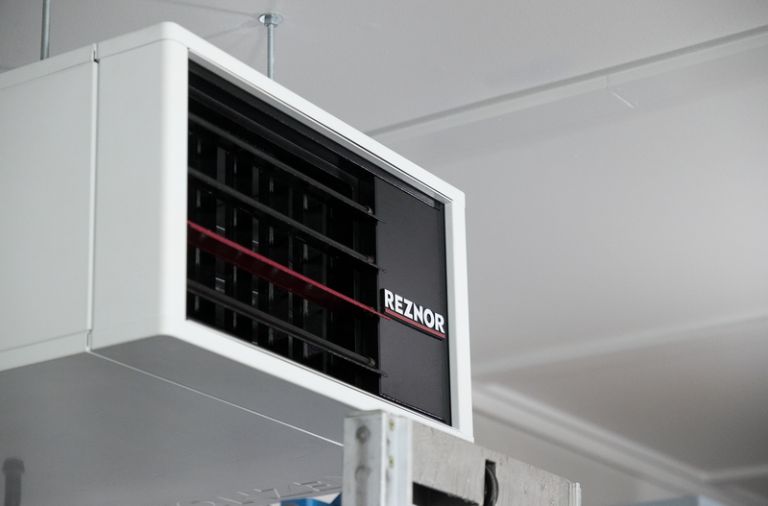
Reznor gas unit heaters provide reliable, high-efficiency heating for demanding commercial and industrial spaces. These unit heaters are built for durability and consistent performance—available now at HVACDirect.com. 

Subcategories

Items 1-23 of 68

Set Descending Direction
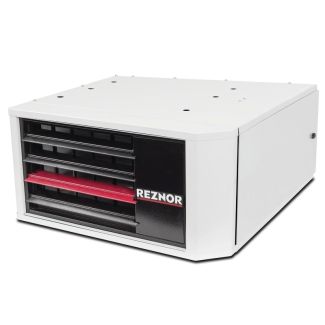
  1. Reznor UDZ 175,000 BTU Separated Combustion Natural Gas Unit Heater
    Reznor UDZ 175,000 BTU Separated Combustion Natural Gas Unit Heater
    SAVE $3,026.00
    Reznor UDZ 175,000 BTU Separated Combustion Natural Gas Unit Heater
    Model: UDZ-175
    Was $4,925.00 Your Low Price Special Price $1,899.00
Page
per page

What are Reznor gas unit heaters?

Reznor gas unit heaters are heating systems that are designed to warm zones by using natural gas or propane. Unlike a typical furnace which is installed in a basement, closet, or utility room and distributes heat through ductwork, Reznor heaters are installed overhead and deliver warm air directly into the spaces where they are installed. These gas unit heaters are commonly used inside warehouses, workshops, garages, and commercial buildings where heating is needed across an open area. 

These Reznor heaters work by burning the natural gas or propane inside the heater's burner assembly. The heat generated during combustion warms a heat exchanger that separates combustion gases from the air being heated. This process allows Reznor gas unit heaters to deliver direct, efficient heating to large open spaces without central ductwork.

 

Are Reznor gas unit heaters worth it?

These Reznor gas unit heaters deliver value through their provision of reputed performance, heating output and efficiency, fuel options, durability, and design construction. These commercial-grade appliances provide dependable warmth across large spaces to ensure maximum comfort.

  • Strong Brand Reputation: Reznor stands as a trusted leader built on more than 90 years of proven manufacturing excellence and reliable commercial heating performance. These systems deliver professional-grade durability backed by long-standing engineering standards recognized across the industry. 
  • High Heating Capacity: These powerful heating units range from 30,000 to 400,000 BTUs, which can quickly warm residential garages, commercial and even industrial buildings. Practically, you can keep working in your garage as Reznor gas unit heaters work to make these spaces comfortable throughout the winter.
  • High Energy Efficiency (82% to 83% Regular Units, 91% to 93% High Efficiency Units): Advanced combustion technology helps reduce fuel consumption and operating costs compared to lower-efficiency models. Standard models operate efficiently at 82% to 83% thermal efficiency, meaning economical combustion is taking place in primary heat exchanger technology. Premium heaters options scale up from 91% to 93% efficiency to maximize cost savings, as high efficiency models use a secondary heat exchanger to recover additional heat from combustion exhaust.  
  • Flexible Fuel Options: Field-convertible gas valves allow users to easily switch between natural gas and propane fuel sources depending on local utility availability. This adaptability ensures seamless integration into various properties without requiring completely separate equipment replacements. 
  • Unique Design: The compact, ceiling-suspended chassis features an attractive high-gloss exterior finish and isolated internal components that minimize operational vibration. This streamlined footprint saves valuable floor space while maintaining a clean aesthetic in retail or workshop environments.
  • Durability: Reznor's UDXC and UBXC models incorporate titanium-stabilized aluminized steel heat exchangers, while the UEZ models feature aluminized or stainless steel heat exchangers (55K to 110K for alumnized, 130K BTU and up for stainless steel) and a secondary heat exchanger for higher heating efficiency.  

Property owners must balance higher initial equipment costs against long-term fuel savings and low maintenance requirements. Selecting the correct BTU capacity and efficiency rating helps maximize heating performance and long-term fuel savings.


Which spaces are ideal for Reznor gas unit heaters?

These heaters provide reliable heating for environments where warmth is needed and floor space is limited such as garages, recreational centers, warehouses and other similar applications. Reznor gas unit heaters provide thermal coverage to various open areas without the need of central ductwork, up to 125,000 BTU for residential zones, 100,000 to 250,000 BTU for commercial zones, and up through 300,000+ BTU for industrial areas.

  • Garages: These Reznor heaters can maintain comfortable working temperatures during freezing winter conditions for garages and commercial workspaces. Property owners often mount them overhead to save valuable floor space while keeping vehicles and tools warm. They make garages more usable during winter by heating spaces that would otherwise remain too cold for regular use. 
  • Recreational Buildings: Community centers and camp facilities rely on these gas heaters to quickly warm large gathering areas where central HVAC infrastructure is absent. They provide reliable low-temperature setback protection to keep water pipes from freezing when the buildings are unoccupied.
  • Warehouses: Expansive storage structures benefit from high-capacity thermal outputs that push high volumes of air across vast square footage. These units easily manage massive open zones to ensure consistent heat distribution from ceiling to floor. 
  • Manufacturing Facilities: Industrial production sites use heavy-duty units to combat extreme drafts and maintain steady operating climates for workers and machinery. Separated combustion options safeguard internal components against airborne dust and manufacturing particulates. 
  • Commercial Buildings: Retail shops and public spaces install these systems to deliver high-efficiency heating that minimizes monthly utility overhead. Their sleek profiles blend cleanly into modern commercial layouts while remaining mounted overhead and out of the way. 
  • Maintenance Shops: Automotive repair centers and woodworking spaces deploy these gas units to rapidly recover heat lost from frequent opening of large bay doors. Rugged heat exchangers withstand demanding environments subject to heavy use and chemical exposure.

Selecting the correct physical space configuration requires calculating total square footage and local climate heat loss variables. Proper heater placement helps deliver more even heat distribution throughout the occupied area.


What type of Reznor gas unit heaters do you need?

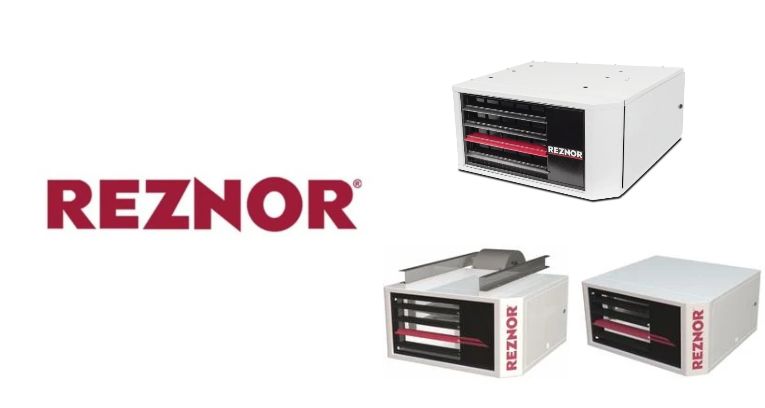
Reznor gas unit heaters are available in five primary configurations based on fuel type, airflow design, and efficiency level, including natural gas and propane configurations across the Reznor UDXC, UBXC, and UEZ product lines. Choosing the right model depends on the available fuel source, the size of the space, and the desired heating performance. 

  • Natural Gas: Utility-supplied natural gas provides cost-effective and continuous heating performance for commercial and residential applications. Property owners frequently select this configuration for buildings with access to a natural gas distribution system.
  • Liquid Propane: Stored propane fuel supplies dependable heating for remote, rural, or off-grid properties where natural gas service is unavailable. Field-installed conversion kits allow compatible units to operate on propane when needed. 
  • Reznor UDXC: Universal fan models utilize low-static axial propellers to distribute warm air efficiently across open floor plans. Standard thermal efficiency and convertible venting options support either standard or separated combustion configurations. 
  • Reznor UBXC: High-static blower models are designed for ducted applications, long air throws, and environments requiring greater air pressure. Heavy-duty blower assemblies deliver enhanced airflow performance throughout large commercial or industrial spaces. 
  • Reznor UEZ: Condensing gas unit heaters achieve up to 93% thermal efficiency to maximize long-term fuel savings. Advanced separated combustion technology helps protect internal components in dusty or contaminated environments. A secondary heat exchanger recovers additional heat from combustion exhaust that would otherwise be lost through the vent system, contributing to the UEZ series' higher efficiency ratings.

Choosing the correct configuration depends on local fuel availability, building static pressure requirements, and desired efficiency ratings. Consulting local mechanical codes helps ensure proper model selection and safe operation.


What features matter most when buying Reznor gas unit heaters?

Thermal efficiency, fuel type, heat distribution, fan type, venting, and electronic ignition are all features that impact Reznor gas unit heaters’ heating performance, operating costs, installation requirements, and long-term reliability. Understanding these features helps match the heater to the building's specific heating needs. They can also dictate how efficiently a unit warms an open commercial, industrial, or residential environment.

  • Thermal Efficiency: Certain Reznor gas unit heaters offer standard ratings around 83% thermal efficiency. Others of the UEZ high efficiency series can reach up to 93% thermal efficiency, which means that the UEZ series provides more of the gas' energy that becomes useful heat for the space and less energy is wasted. Selecting the correct efficiency tier affects long-term utility costs for the application. 
  • Fuel Type: Units operate on either natural gas or liquid propane, with many models featuring field-convertible gas valves for easy adaptation. This flexibility allows buyers to match the heater to available local utility lines or stored tank reserves.
  • Forced-Air Heat Distribution: High-capacity air delivery mechanisms project warmth across expansive square footage to prevent cold spots in drafty buildings. Adjustable louvers and optional downturn nozzles direct airflow precisely where occupants need it most. 
  • Fan or Blower: Buyers can choose between low-static axial propeller fans for open-area circulation or high-static blowers designed to handle external duct resistance. Vibration-isolated designs help reduce operating noise in workshops and commercial spaces.
  • Venting Options: Power-vented models use a special exhaust system to remove the combustion gases, versus the separated combustion units that draw their combustion air from outdoors and exhaust combustion gases back outside through its sealed combustion system. Separated combustion units are ideal for applications where indoor air may contain dust, moisture or other contaminants.
  • Electronic Ignition: Multi-try direct spark ignition systems provide reliable automated startup backed by integrated microprocessors and diagnostic fault codes. These digital controls simplify troubleshooting and ensure safe operation during continuous seasonal use. 

Evaluating these core mechanical specifications helps property owners select durable equipment tailored to specific building dimensions and local climate demands. Consulting installation professionals ensures that chosen features comply with regional mechanical codes and safety standards.


Additional factors to consider when buying Reznor gas unit heaters

Beyond sizing, buyers should look into heating capacity, fuel availability, voltage requirements, altitude adjustments, airflow performance, and efficiency. These operational criteria ensure that the chosen heating appliance matches site utility constraints and environmental demands.

  • Required Heating Capacity: Choosing the right heating capacity is measured by building size by square footage, insulation quality, ceiling height, and outdoor climate. Sizing units correctly prevents short-cycling while ensuring the equipment can adequately overcome heavy structural drafts.
  • Fuel Availability: Facilities must verify a continuous, stable supply of either natural gas or liquid propane before finalizing equipment selection. Field-conversion kits can adapt specific models, but matching the primary utility source prevents expensive installation delays.
  • Voltage Requirements: Electrical supply lines must align with the unit specifications, which typically require a standard 115-volt (V) single-phase circuit to power internal fans and control boards. Confirming amperage load prevents circuit overloads during continuous seasonal heating cycles. 
  • Altitude Adjustments: Installations located above 2,000 feet require specialized high-elevation conversion kits to derate input rates and adjust air-fuel mixtures. This adjustment compensates for thinner atmospheric air to maintain clean combustion and proper operating efficiency.
  • Air Throw Direction and Performance: Air delivery paths must be mapped carefully to prevent thermal stratification and ensure warm air reaches the occupied floor level. Selecting appropriate fan or high-static blower configurations help support heated air penetrating long aisles or open workspaces effectively.

Reviewing these logistical variables ensures seamless integration and prevents costly code compliance issues during post-purchase setup. A licensed technician is advised to check that a heater is oriented to perform safely and correctly.


How much do Reznor gas unit heaters cost?

Reznor gas unit heaters themselves start above $1,000 to $6,000+ for baseline hardware purchases. Total project costs vary based on heating capacity, efficiency level, installation requirements, and blower configuration. Large commercial installations can exceed $10,000 in total upfront costs, but these investment figures dictate total project budgeting when outfitting commercial, industrial, or residential spaces with reliable heating systems. Prices for Reznor heaters in HVACDirect.com listings are planning estimates without guaranteed costs. Accurate project estimates are advised by consulting with a qualified local HVAC professional or an HVACDirect.com specialist.

  • Equipment Price: These kinds of units are currently listed at HVACDirect.com between $1,100 and $6,600, spanning from standard, low-static axial fan models to heavy-duty high-static or separated combustion configurations. Larger industrial systems command higher baseline prices to match extreme commercial heating demands. 
  • Installation Costs: Professional setup with needed accessory costs depend on local contractor rates, required electrical drops, and gas line extensions. Rigging equipment lifts and securing municipal building permits add incremental expenses to the total project execution. A rough estimate for general labor would be about $100 to $200 per hour, which may be tacked onto or in lieu of the cost for installation.
  • Operation and Maintenance Costs: High thermal efficiencies ranging from 83% to 93% help control monthly fuel consumption during continuous cold-weather operation. Operating rates are highly variable for routine annual maintenance inspections for these heaters. 
  • Repair Costs: Component replacement can cost $150 to $500 for parts during system repair. Because Reznor unit heaters represent a significant investment, if repairs exceed 50% of the cost, replacement is a better value, according to the HVACDirect.com Repair vs Replace Guide. 

Weighing the initial equipment expenditure against anticipated monthly fuel savings helps property owners select the most cost-effective tier for their specific thermal load. Careful budgeting for professional installation and routine seasonal upkeep ultimately ensures long-term operational reliability.


Why buy Reznor gas unit heaters from HVACDirect.com?

HVACDirect.com combines direct pricing, nationwide shipping, product customization options, and expert support for a streamlined buying experience, featuring professional-grade Reznor equipment offerings. Purchasing through this platform creates access to direct-to-consumer advantages tailored to contractors and property owners alike.

  • Buy Direct and Save: Purchasing directly helps reduce distributor markups and lowers equipment costs. This direct distribution model maximizes project savings whether outfitting a single residential garage or a massive industrial warehouse. 
  • Fast Nationwide Shipping: Extensive inventory availability ensures that popular gas unit heater models ship rapidly across the United States without extended backorder delays. Quick fulfillment minimizes project downtime when urgent climate control replacements are required.
  • Customizations You Won't Find Anywhere Else: Specialized product configurations and field conversion options are readily available to match unique fuel types, high-elevation requirements, and airflow demands. These tailored options simplify the process of ordering equipment matched to exact architectural specifications. 
  • Expert HVAC Support: Dedicated customer service teams assist buyers with technical inquiries, model selection, and accessory identification to guarantee proper system configuration. Access to knowledgeable advisors ensures confidence throughout every stage of the equipment selection process.
  • Long Term Support: Continuous post-purchase assistance covers warranty guidance, manufacturer documentation access, and replacement part identification for years of reliable operation. This ongoing backing protects your investment and simplifies future maintenance needs. 

Partnering with an established distributor ensures a smooth acquisition process from initial model selection through final delivery and installation. Choosing the right supplier safeguards equipment warranties and provides the foundational reliability required for continuous commercial heating performance.
Recent Information Articles

Outdoor heat pump with light frost, water vapor and meltwater
Heat Pump Defrost Cycle: What Is Normal and What Needs Service?
Learn what a normal heat-pump defrost cycle looks like, why frost forms, which symptoms need service, and what homeowners can check safely.
Read more about Heat Pump Defrost Cycle: What Is Normal and What Needs Service?
October 26, 2026
Insulated copper refrigerant line set with capped ends
Should You Replace the Line Set When Installing a New AC or Heat Pump?
Learn when to replace a refrigerant line set with new AC or heat-pump equipment, what can permit reuse, and how size, condition, refrigerant, and access affect the decision.
Read more about Should You Replace the Line Set When Installing a New AC or Heat Pump?
October 23, 2026
Compact furnace cabinet inside a manufactured-home utility closet
Mobile-Home Furnace Replacement: What Makes Equipment Different?
Plan a mobile-home furnace replacement with checks for manufactured-home approval, cabinet fit, downflow connections, gas or electric supply, and cooling compatibility.
Read more about Mobile-Home Furnace Replacement: What Makes Equipment Different?
October 21, 2026
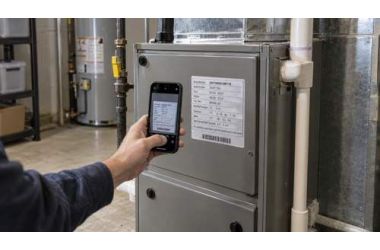
Furnace equipment label being photographed for model identification
How to Read a Furnace Model Number Before Replacement
Find and record your furnace model number, distinguish model and serial information, and confirm fuel, capacity, ductwork and fit before replacement.
Read more about How to Read a Furnace Model Number Before Replacement
October 16, 2026

Call Now and Get a Free Quote Today! 1-800-397-1392

FAQs about Reznor gas unit heaters

Reznor gas unit heaters are manufactured by Nortek Global HVAC, a major international producer of commercial and residential heating and cooling systems. Originally founded in Mercer, Pennsylvania, in 1888 as an independent heating pioneer that invented the gas-fired unit heater concept, the Reznor brand operates today as a core division under Nortek.

These heaters range from 30,000 to 300,000 BTUs, and the correct size depends on the building's square footage, ceiling height, insulation level, and climate. Smaller spaces such as residential garages and workshops and larger areas like warehouses, manufacturing facilities, and large commercial buildings are all appropriate settings for gas unit heating. Reznor gas unit heaters require a formal heat loss calculation based on square footage, ceiling height, insulation quality, and local climate severity to determine the correct BTU capacity.

Reznor gas unit heaters span a wide thermal output range, from 30,000 to 300,000+ BTU, allowing them to effectively heat everything from small residential garages to massive industrial warehouses. The exact number of BTUs required depends heavily on the total volume of the space, local climate severity, building insulation quality, and ceiling height.

These gas unit heaters deliver high operational efficiency, featuring thermal efficiency ratings between 82% and 83% for standard models and 91% to 93% for high efficiency condensing units.

Reznor gas unit heaters last between 15 and 25 years under normal operating conditions when subjected to routine maintenance and professional installation. Commercial and industrial deployment in demanding environments means longevity depends directly on environmental exposure, runtime demands, and service consistency.

These heaters require dedicated venting to safely expel combustion byproducts and carbon monoxide outside the building. Because these appliances burn natural gas or propane, proper venting configuration is non-negotiable for maintaining indoor air quality and complying with local mechanical building codes.

Reznor gas unit heaters require a low-voltage external thermostat to regulate indoor temperatures and control cycling. While the unit contains an internal integrated ignition control module and safety limits, it relies on a wall-mounted or space-mounted thermostat to signal when to call for heat.

Reznor gas unit heaters produce moderate operating noise comparable to commercial air-moving equipment used in garages and workshops. They are generally not considered excessively loud for their intended industrial and commercial environments.

These unit heaters consume natural gas in proportion to their BTU input rating, utilizing approximately 30 to 400+ cubic feet of gas per hour (roughly 0.3 to 4.0 therms) during continuous, active burner operation. Because standard natural gas yields roughly 1,000 BTUs per cubic foot, hourly fuel consumption maps directly to the specific model's capacity: smaller residential or workshop models rated at 30,000 BTUs consume about 30 cubic feet per hour, mid-sized commercial units rated at 105,000 BTUs consume roughly 105 cubic feet per hour, and large industrial models rated up to 400,000 BTUs consume 400+ cubic feet per hour. Actual total monthly consumption depends heavily on runtime cycles, outdoor ambient temperatures, thermostat schedules, and the overall thermal insulation of the building.

Reznor gas unit heaters perform best with annual preventative maintenance to ensure safe combustion, maintain peak thermal efficiency, and prevent unexpected component failure. Because these systems typically operate in dusty or demanding environments like auto shops and warehouses, routine upkeep is critical for longevity.

These heaters are engineered with robust safety features that make them safe for commercial and industrial applications, when installed according to local building codes. Integrated high-limit controls immediately halt the gas supply if internal components overheat due to restricted airflow or fan failure. Additionally, power-vented and separated combustion models utilize safety pressure switches to verify that the venting system is completely clear before allowing the burners to ignite. Because these systems handle combustible gas and high thermal output, overall safety relies heavily on professional installation, proper gas pressure regulation, and maintaining mandatory clearance distances from combustible materials.

Reznor gas unit heaters carry a manufacturer's limited warranty that provides a 10-year non-prorated term for the heat exchanger, burners, and flue collection box assembly, alongside a 5-year non-prorated term for electrical and mechanical operating components. Out-of-the-box base coverage protects against defects in material and workmanship for 12 months from the date of original installation or 18 months from shipment, whichever occurs first. This protection plan explicitly covers part repairs or replacements through authorized distributors, but it excludes local labor expenses for diagnosis, removal, or reinstallation, as well as failures caused by corrosive chemical atmospheres or high-humidity greenhouse environments.

blockboard tech