We use cookies to make your experience better. To comply with the new e-Privacy directive, we need to ask for your consent to set the cookies. Learn more.

1-800-397-1392
Today's Hours 8am - 11pm est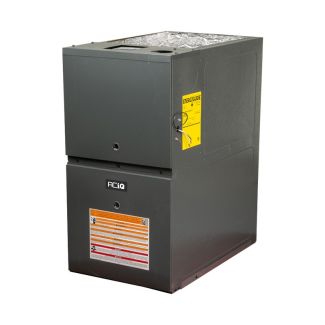
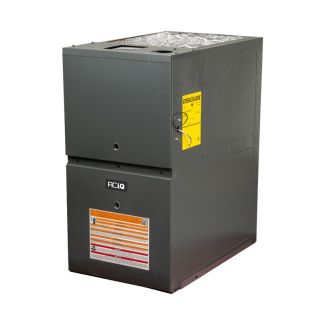
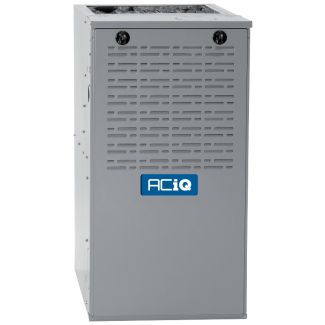
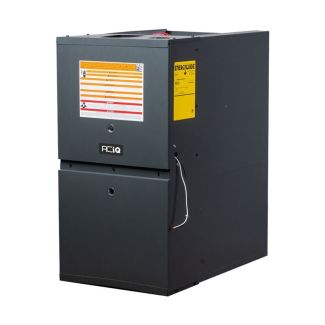

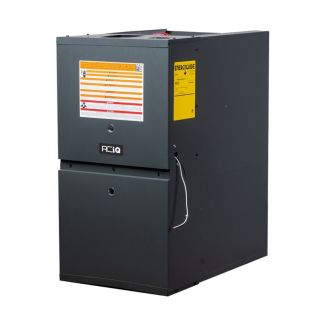
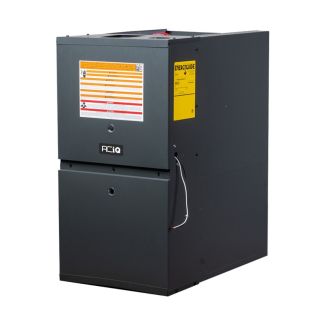

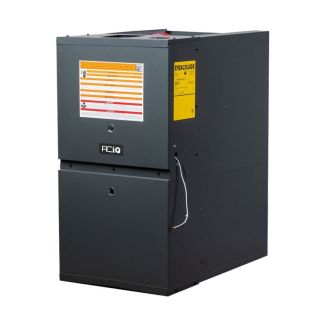
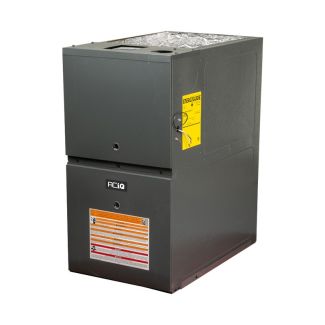
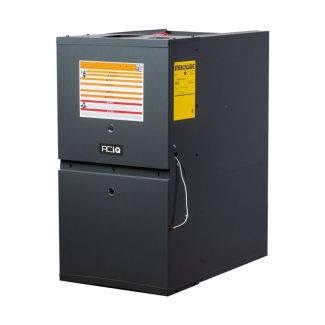
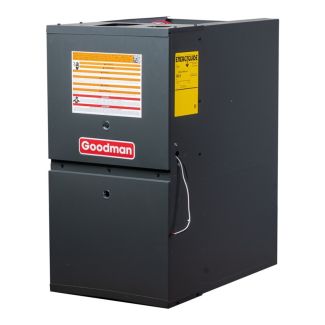
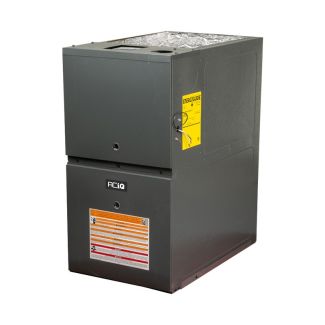
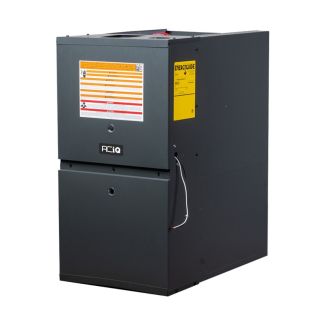
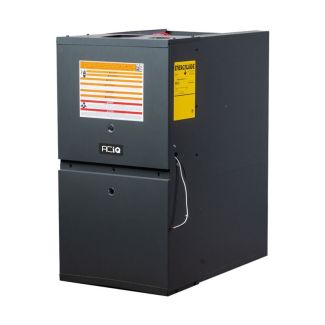
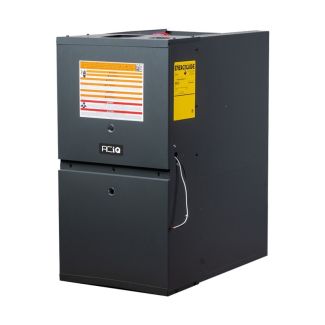
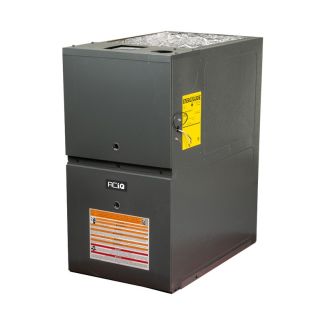
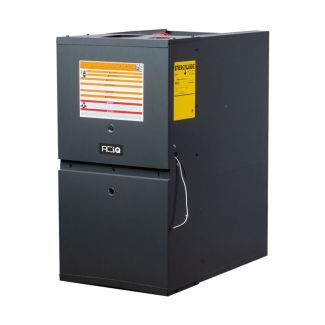
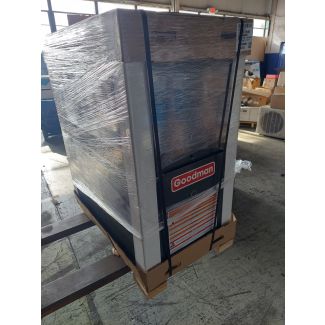
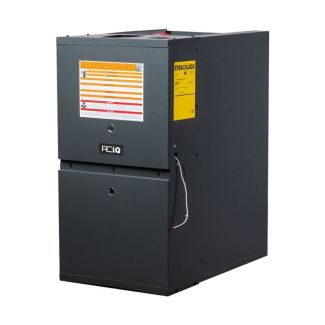
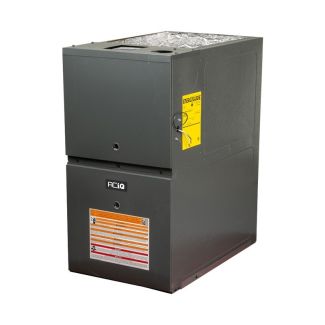
A furnace is a heating appliance that burns fuel or uses electricity to generate heat, then distributes that warm air through a home using a blower and ductwork. It keeps your family warm during cold winter months and is usually kept in the basement or a utility room.
It works by drawing cooler air in through return ducts, passing it across heated components—a burner and heat exchanger in gas, propane, and oil models or heating elements in electric models—and pushing the warmed air back out through supply vents. Most residential furnaces run on a thermostat, cycling on automatically once indoor temperatures drop below the set point.
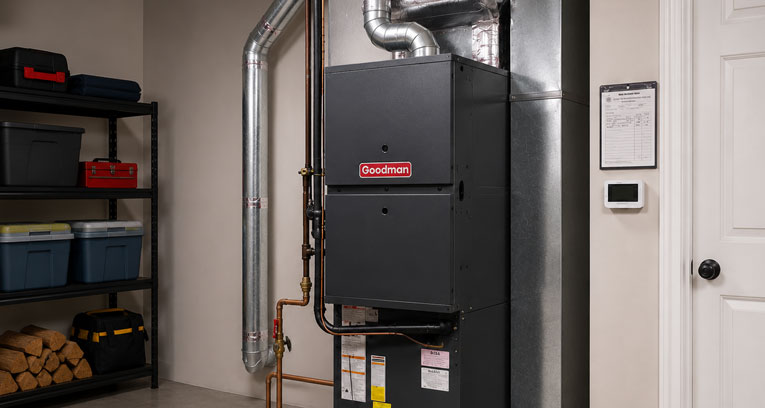
A furnace is a heating appliance that burns fuel or uses electricity to generate heat, then distributes that warm air through a home using a blower and ductwork. It keeps your family warm during cold winter months and is usually kept in the basement or a utility room.
It works by drawing cooler air in through return ducts, passing it across heated components—a burner and heat exchanger in gas, propane, and oil models or heating elements in electric models—and pushing the warmed air back out through supply vents. Most residential furnaces run on a thermostat, cycling on automatically once indoor temperatures drop below the set point.
You can use a furnace for whole-home heating, new construction, replacing an existing heating system, cold-climate heating, central HVAC systems, and freeze protection. Because a furnace uses ductwork, one system can distribute heat to multiple rooms at the same time.
Whole-Home Heating: A central furnace delivers even, reliable heat to multiple rooms throughout the house by pushing warm air through existing ductwork. It's the backbone of most residential heating systems.
Heating New Home Construction: A furnace can serve as the primary heating system in a newly built home with central ductwork. New construction also provides an opportunity to size the furnace and ducts together from the start.
Replacing an Existing Heating System: A replacement furnace can restore reliable heat while still using your home's existing ductwork and fuel source. This makes swapping in a new unit far simpler than starting from scratch. You can simply use the figures from your old system’s nameplate to help you choose the right system for your home’s specific needs.
Heating Homes in Cold Climates: Gas furnaces are built to deliver strong, dependable heat through extreme cold, making them a natural fit for long winters. They tend to outperform other heating options when temperatures really drop. They are very common in colder climates, especially the northern parts of the United States.
Pairing with Central Air Conditioner or Heat Pump: Most residential furnaces share a blower and ductwork with a central air conditioner, giving year-round comfort from one connected system. The furnace moves heated air in winter and helps circulate cooled air from the evaporator coil of the air conditioner during summer. When paired with a heat pump, the heat pump can provide both heating and cooling during milder weather, while the furnace takes over or supplements heating when outdoor temperatures drop.
Protecting Your Home During Freezing Temperatures: Consistent indoor heat protects pipes, water lines, plumbing fixtures, and other temperature-sensitive parts from freezing and keeps appliances and plumbing safe from cold-weather damage. A working furnace is one of the simplest ways to safeguard a home through a hard freeze. This can be especially important during extended periods below 32°F.
A furnace is most practical when the building already has ductwork or is being designed with a central forced-air system. If your home doesn’t have ductwork or is located in a consistently hot climate, a different heating and cooling solution may be more appropriate.
Single-family homes, manufactured and mobile homes, multi-family properties, seasonal properties, and commercial buildings can all use furnaces when the equipment is properly sized and approved for the application. The space must have compatible ductwork, fuel or electrical service, and space for installation.
Townhomes and Condominiums: Furnaces work well in townhomes and condominiums that have individual mechanical systems and dedicated ductwork for each residence. Compact upflow, downflow, or multi-position models can fit into closets, utility rooms, or other limited mechanical spaces.
Multi-Family Residences, Duplexes, and Apartments: Individual furnaces can provide separate heating for each unit in a duplex or multi-family building. This gives occupants independent thermostat control while allowing each system to be sized for the heating load of its specific living space. There are also instances where a whole building can share one furnace. This limits the control to the building owner and is common in older historic complexes and urban buildings.
Vacation Homes and Seasonal Residences: Furnaces can provide dependable heating in cabins, vacation homes, and seasonal residences located in cold climates. Maintaining indoor temperatures during freezing weather can also help protect plumbing, appliances, and other parts of the home while it is unoccupied. It can help protect your home when nobody is there.
Commercial Buildings: Furnaces can heat smaller offices, retail spaces, workshops, and other light-commercial buildings with central ductwork. The system must be sized for the building’s heat loss, occupancy, ceiling height, insulation, and operating schedule rather than using residential square footage alone.
The building type alone does not determine furnace size, so the heating load should still be calculated for the individual space. If you live in a manufactured or mobile home, they typically require specially certified furnaces rather than standard residential models.
The furnace fuel type you need should usually match the energy source already available at your home, such as natural gas, propane, heating oil, or electricity. Staying with the existing fuel can reduce installation changes, although operating cost and local fuel availability should also be considered.
Natural Gas Furnaces: These are the most common choice for homes already connected to a municipal gas line. They offer dependable heat and relatively low operating costs. Current HVACDirect listings include gas furnaces from 80% through 97% AFUE in brands such as Goodman, ACiQ, RunTru by Trane, LG, and Bosch.
Propane Furnaces: For homes without natural gas access, propane furnaces offer similar heating performance while drawing from an on-site storage tank. They're a solid alternative anywhere gas service isn't available. Many natural gas furnaces can be converted to run on liquid propane (LP) using the correct manufacturer-approved conversion kit. This allows homeowners who do not have access to a natural gas utility line to use propane as their fuel source. Select ACiQ and Goodman furnaces support this type of conversion.
Oil Furnaces: Oil furnaces are most common in older homes and in rural areas without gas service. They deliver powerful cold-climate heat but require an on-site tank and regular fuel deliveries. Thermo Pride Spirit furnaces currently available through HVACDirect include 85% AFUE models with heating capacities extending above 150,000 BTU.
Electric Furnaces: Electric furnaces use electric resistance heat instead of burning fuel, so they do not need a gas line, oil tank, or combustion flue. They can be practical where electricity is the primary available energy source, although operating costs depend heavily on local electric rates. They produce less heat than gas or propane systems, making them slower to warm large, freezing spaces.
Switching fuel types during a replacement, say from oil to gas, usually means adding a new gas line and removing an old tank, which can add thousands of dollars to a project that would otherwise be a simple swap.
The furnace BTU size you need will typically fall between 30,000 and 150,000 BTU, depending on your home’s heating load and existing system. For a replacement furnace, start by checking the data plate on your current unit for its BTU input and output ratings. Keep in mind that BTU input measures the amount of energy the furnace uses, while BTU output represents the amount of heat actually delivered after accounting for the furnace’s AFUE efficiency. As a rough reference point, homes in colder climates often need 40 to 45 BTUs per square foot, while homes in milder regions can get by with closer to 30 to 35, though this is only a starting point. Here are some common BTU ranges:
30,000 BTU Furnaces: These smaller furnaces are often used in compact, well-insulated homes, apartments, townhomes, or other spaces with relatively low heating loads. They can also work well in mild climates where the furnace does not need to overcome long periods of extreme cold.
40,000 BTU Furnaces: A 40,000 BTU furnace can suit smaller single-family homes, condominiums, and other efficiently built residences that need more capacity than an entry-level system. This size is also common in replacement applications where the existing furnace has a similar input rating.
60,000 BTU Furnaces: This mid-range capacity is commonly used in small to medium-sized single-family homes with average heating demands. A 60,000 BTU furnace may also be appropriate for larger, well-insulated homes in moderate climates where heat loss is relatively low.
80,000 BTU Furnaces: An 80,000 BTU furnace is a common residential size for medium to larger homes or properties in colder climates. This capacity provides more heating output for homes with greater square footage, older construction, or higher heat loss.
100,000 BTU Furnaces: These furnaces are typically used in larger homes or residences with substantial heating demands. They may be a good fit for older homes, colder climates, or properties with more exterior exposure and less insulation.
120,000 BTU Furnaces: A 120,000 BTU furnace is designed for large homes and other residential spaces with high calculated heat loss. This size may be needed in very cold climates, sprawling floor plans, or older properties where more heating capacity is required to maintain comfortable temperatures.
140,000 BTU Furnaces: A 140,000 BTU furnace may be appropriate for large homes, duplexes or multifamily properties with shared heating systems, large workshops, and some light-commercial spaces. It can also suit older, less-efficient buildings or properties in colder climates with higher heating needs. Proper sizing should still be confirmed with a professional load calculation.
150,000 BTU Furnaces: A 150,000 BTU furnace is among the largest capacities used in residential and light-commercial forced-air applications. It may be appropriate for very large homes, workshops, multi zone properties, or buildings that require more heating due to factors such as severe winter temperatures, poor insulation, older windows, high ceilings, or drafts.
For most replacement projects, matching the capacity of the existing furnace is a useful starting point, especially if the home and heating performance have not changed significantly. If major additions, new insulation, replacement windows, or other efficiency improvements have occurred, these can alter the home’s total heating needs. For new construction, system conversions, or uncertain sizing, a professional Manual J load calculation provides a more accurate way to determine the required heating capacity.
The furnace configuration you need, usually either upflow, downflow, horizontal, or multi-positional, depends on where the return air enters the furnace and where heated air must leave to connect with your ductwork. For most replacements, matching the existing airflow direction can reduce major duct modifications.
Multi-Position Furnaces: Multi-position models are approved for more than one orientation, giving the installer greater placement flexibility. Current ACiQ and RunTru selections include furnaces that can support multiple airflow configurations.
Upflow Furnaces: The most common residential setup, pulling return air in through the bottom and pushing heated air out the top. They are commonly installed in basements, utility rooms, and first-floor mechanical closets where supply ductwork is above the furnace.
Downflow Furnaces: These furnaces are built for homes where ductwork runs below the furnace and are common in manufactured homes or utility closets above living space. Downflow furnaces receive return air from above and send heated air downward.
Horizontal Furnaces: Horizontal furnaces operate on their side and move air across the cabinet. This configuration works well in attics, crawl spaces, and other locations without enough vertical clearance for an upright furnace.
The location of the heating vents throughout your home can offer a clue about the furnace configuration you need. Homes with vents in the floor often have ductwork running below the living space, while ceiling or high-wall vents usually connect to ductwork running above it. Vent location alone does not confirm the furnace configuration, but it can help you understand how air is routed through the home before checking the furnace and ductwork directly.
The most useful furnace features to consider before buying a furnace include the AFUE rating, heating stage, blower motor type, warranty coverage, and emissions. These features can affect noise, temperature consistency, and how closely the furnace adjusts to changing heating demand.
AFUE Efficiency Rating: Annual Fuel Utilization Efficiency, or AFUE, measures the percentage of fuel converted into useful heat over a heating season. Think of it like cents on the dollar: an 80% AFUE furnace converts about 80 cents of every fuel dollar into heat, while a 96% model converts about 96 cents. Higher AFUE means greater fuel efficiency, while lower-AFUE models may offer a lower upfront cost. Common ratings include 80%, 85%, 92%, 96%, and 97% furnace categories.
Heating Stages: Furnaces come in single-stage, two-stage, and modulating (multi-stage) versions. Single-stage models run at 100% capacity at one fixed speed, frequently turning on and off once they reach the set temperature. Two-stage ones operate at a low setting for mild days, about 60% to 70%, and 100% in cold weather. Modulating furnaces adjust their output automatically in small increments to match the home's needs, making them the most efficient models and a strong choice for reducing the energy costs associated with the on-and-off cycling of single-stage furnaces.
Blower Motor Technology: Permanent Split Capacitor (PSC), Electronically Commutated Motor (ECM), and variable-speed ECM motors affect airflow, comfort, noise, and energy use. PSC motors run at fixed speeds, while ECM motors use electronic controls for more efficient airflow. Variable-speed ECM motors adjust across a wider range for steadier temperatures, quieter operation, and better overall efficiency.
Warranty Coverage: Furnace warranties may cover parts, the heat exchanger, or complete unit replacement, with longer terms often requiring product registration. Select Goodman furnaces, for example, offer up to 10-year parts, 10-year unit replacement, and lifetime heat exchanger coverage with qualifying registration. Compare both the length of coverage and registration requirements before buying.
Low NOx and Regional Requirements: Low NOx and Ultra-Low NOx furnaces reduce nitrogen oxide emissions and may be required in certain states or local air-quality districts. Some areas, particularly parts of California, have stricter Ultra-Low NOx requirements. Check local installation rules before buying to make sure the furnace meets applicable emissions standards.
As of 2026, the federal minimum for most residential gas furnaces is 80% AFUE, rising to 95% for covered models manufactured on or after December 18, 2028. California has stricter NOx rules, including a 14 ng/J limit in the South Coast and zero-NOx requirements beginning in the Bay Area in 2029. Check local regulations before buying to confirm compliance.
Additional factors to consider when buying a furnace include cabinet width, maximum airflow capacity, duct compatibility, venting requirements, and installation clearances. Here are some details on what exactly to take into account:
Furnace Cabinet Width: Furnace cabinets commonly come in widths of 14, 17.5, 21, and 24.5 inches. Matching the existing width or measuring the space where the furnace will go beforehand can simplify connections to the evaporator coil, plenum, return, and surrounding mechanical space and make installation faster and easier.
Ductwork Compatibility: Existing ducts must be able to deliver the airflow required by the new furnace without excessive restriction or leakage. A contractor may need to adjust the return, supply plenum, transitions, or duct sizing if the new equipment differs substantially from the old system.
Airflow Capacity (Maximum CFM): This tells you how much air the blower can move, affecting how evenly heat distributes through the home. Current furnace options range from approximately 800 CFM for 2 ton airflow needs to 2,000 CFM for 5 ton applications. It matters a lot when the furnace shares a blower with an air conditioner.
Installation Clearances: Every furnace requires manufacturer-specified clearances for combustion, service access, venting, and nearby materials. These requirements become especially important in closets, attics, crawl spaces, and other tight mechanical areas where space and access may be limited.
Venting Requirements: Standard-efficiency gas furnaces commonly use metal flue venting, while condensing furnaces at 90% AFUE or higher typically use manufacturer-approved plastic venting and require condensate drainage. For example, Goodman lists metal venting for its 80% models and PVC venting for its 96% models.
Most of these issues only surface once a technician is on-site measuring for the installation, so it is important to have a pre-purchase consultation with one before purchasing if you are not familiar with heating and cooling technology.
Goodman, ACiQ, RunTru by Trane, LG, Bosch, and Thermo Pride are strong furnace brands available through HVACDirect.com, with options ranging from value-focused gas furnaces to premium high-efficiency and oil heating equipment. The best choice for a home depends on fuel availability, whether you prioritize upfront or long-term savings, and the home's size and layout.
Goodman: Goodman is one of the most well-known names in the heating and cooling industry, earning praise for its affordability and durability. They have both gas and propane models, ranging in capacities from 30,000 to 120,000 BTUs and AFUE ratings of 80% to 97%. The lineup includes Low NOx, Ultra-Low NOx, upflow, downflow, and horizontal options with maximum CFM ranging from 1,200 to 2,000.
ACiQ: ACiQ offers value-focused gas furnaces across a wide range of capacities, efficiencies, and configurations. They combine advanced technology with premium comfort features, including high-efficiency models and variable-speed blowers. Current HVACDirect.com options include 80%, 92%, 96%, and 97% AFUE categories along with multi-position models and capacities extending into the 140,000 to 150,000 BTU range.
RunTru by Trane: RunTru delivers the reliability and engineering behind Trane's name, without the price tag of flagship Trane equipment. Current models include 40,000 through 120,000 BTU capacities with both 80% and 96% AFUE choices.
LG: LG is best known for inverter-driven heat pumps and ductless systems, but also offers furnaces built to integrate with high-performance HVAC setups. HVACDirect carries 80% single-stage models from 40,000 to 120,000 BTU and 96% two-stage models from 60,000 to 120,000 BTU.
Bosch: Bosch furnaces are engineered around quiet operation, comfort, and energy efficiency. Their blower technology and high-efficiency compatibility appeal to homeowners prioritizing premium comfort.
Thermo Pride: Thermo Pride is a strong choice for homeowners who rely on heating oil. Current Spirit Series options include highboy, lowboy, and counterflow-horizontal configurations at 85% AFUE.
You can easily compare different brands on HVACDirect.com and narrow your search results by fuel type, BTU capacity, cabinet width, and efficiency as well.
The total installation cost for a furnace, including the base equipment price and labor, varies significantly by location, equipment type, and whether structural modifications are required, typically ranging from around $2,000 to more than $7,000. You should also factor in the cost of operating the furnace and the potential cost of future repairs. Here’s a typical breakdown:
Furnace Purchase Price: The cost of a single furnace typically ranges from about $900 to $3,000+, depending mainly on efficiency, capacity, fuel type, and brand.
Installation Labor Costs: Professional installation is required and generally adds $1,000 to more than $6,000 to the total project price, depending on local labor rates and any structural or ductwork modifications needed.
Operating Costs: Monthly utility bills depend heavily on your regional climate, the local price of your fuel source (gas, electric, or oil), and the energy efficiency rating of the system, typically ranging from $100 to $300 for natural gas, $200 to $600 for electric resistance, and $250 to $700 for oil during the peak winter season.
Repair Costs: Annual service, ongoing maintenance, and unexpected component replacements typically run between $150 and $800 per appointment, while major parts like heat exchangers can cost significantly more. Some costs and part replacements can be covered by warranty as long as you register online.
Rebates and Incentives: Government programs, local utility companies, and manufacturers frequently offer tax credits or cash-back rebates ranging from $100 to over $2,000 for high-efficiency models.
There are also furnace permit costs that typically range from $50 to $150 for residential replacements, depending on where you live. These are sometimes obtained and just built into the final bill from your installer.
Buying a furnace from HVACDirect.com gives homeowners access to a large furnace selection, competitive equipment pricing, major HVAC brands, buying resources, nationwide shipping, financing options, and furnace parts and accessories. This makes it easy to educate yourself, compare options, and select the right furnace for your home.
Find the Right Furnace For Your Home: We make it easy to compare fuel types, efficiency ratings, heating capacities, and configurations. This helps you choose with confidence whether you're replacing an aging unit or installing new.
Trusted Furnace Brands: We carry names like Goodman, ACiQ, RunTru by Trane, Bosch, LG, and Thermo Pride. Each was selected for dependable performance and long-term reliability.
Competitive Pricing and Financing: We work directly with leading manufacturers to keep prices competitive. We offer Bread Pay® as a financing option with monthly payment plans available. Our wholesale, direct-to-consumer business model also helps eliminate the added cost of middleman markups.
Expert Buying Resources: Our buying guides and product comparisons in our Information Library walk you through BTU sizing, AFUE efficiency, and installation compatibility. This helps you avoid costly mismatches before you commit to a purchase.
Fast, Nationwide Shipping: With warehouses located across the continental United States, most furnaces ship quickly. You won't be left waiting through a cold snap for your new system to arrive. We are clear about estimated arrival and shipping dates and have lift gate options available for delivery.
Everything You Need for Installation: We carry evaporator coils, thermostats, filters, and venting components alongside our furnaces. This lets you complete the entire job in one place.
Need help choosing the right system? Our customer service representatives can guide you through your options and build your cart for you.
Shop Systems By Brand


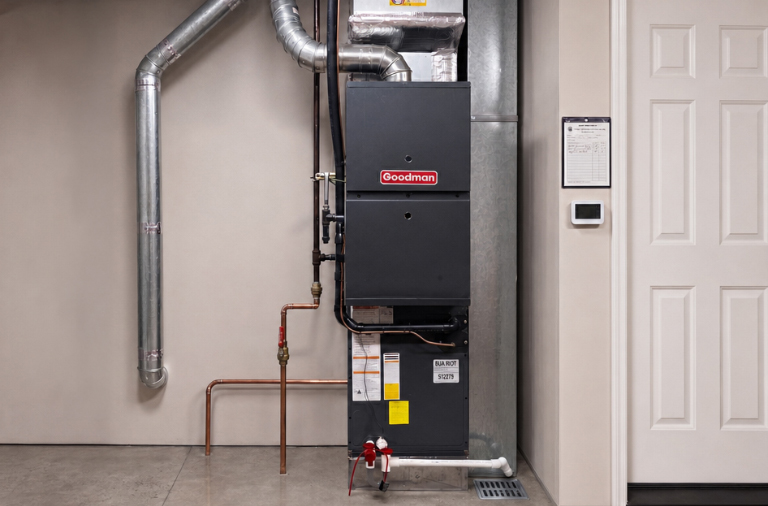
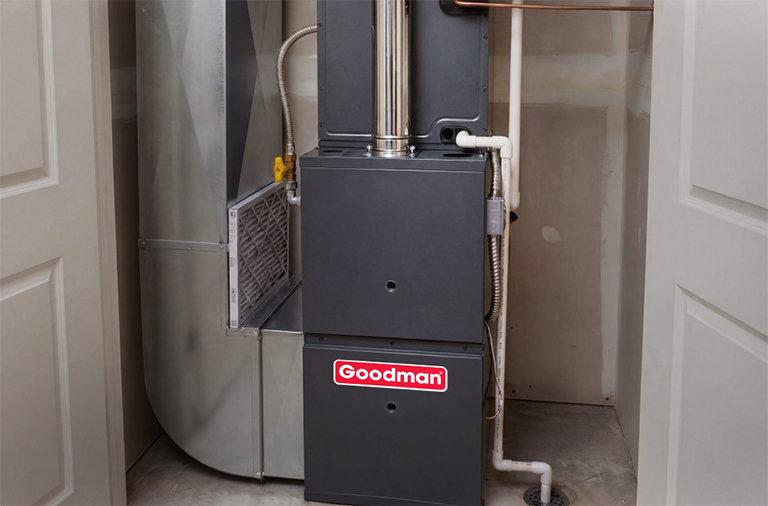
Furnaces typically last about 15 to 20 years when they are properly installed and maintained. Usage, climate, sizing, filter changes, and annual service can shorten or extend that lifespan, with some well-maintained systems operating beyond 20 years.
Furnaces should generally receive professional maintenance once per year, ideally before the heating season begins. Annual service can include checking the heat exchanger, burners, venting, electrical connections, blower, safety controls, and condensate system on high-efficiency models.
A basic 1-inch furnace filter should generally be replaced every 1 to 3 months, while thicker 4-inch media filters may last about 6 to 12 months depending on the filter and household conditions. Homes with pets, heavy dust, frequent HVAC use, or indoor-air-quality concerns may need more frequent changes.
A furnace may need replacement if it is around 15 to 20 years old and is experiencing frequent repairs, rising energy use, uneven heating, excessive noise, or difficulty maintaining the thermostat setting. One symptom alone does not always require replacement, so an HVAC technician can compare repair cost and remaining equipment life before you decide.
This is often caused by a dirty filter restricting airflow, a pilot light or ignition issue, or a thermostat set to "fan" instead of "auto." It can also happen briefly when a furnace is just starting up, before the heat exchanger reaches temperature. If cold air continues past the first minute or two, it's worth having a technician take a look.
This short-cycling is often caused by a dirty filter, an oversized furnace, restricted airflow, or a failing thermostat or flame sensor. Because short-cycling adds wear to the system over time, it's worth having a technician diagnose the cause rather than letting it continue. Left unaddressed, it can shorten the furnace's overall lifespan.
In most straightforward replacements, yes, as long as the new furnace's airflow output and BTU capacity are compatible with the ductwork already in place. If the new unit is significantly larger or smaller than the old one, some modifications may be needed. A technician can confirm compatibility before installation day.
Yes, furnace installation involves gas or electrical connections, venting, and airflow calculations that call for a licensed HVAC professional. Improper installation isn't just a performance issue; it can create safety hazards such as gas leaks or carbon monoxide exposure. Most manufacturer warranties also require professional installation to stay valid.
A straightforward like-for-like replacement typically takes a single day, often 4 to 8 hours. Installations that involve new ductwork, a fuel type change, or added venting can take longer, sometimes two days or more. Your installer can give a more specific estimate based on your home's setup.
Most furnaces on HVACDirect.com, including Goodman and ACiQ, come with a lifetime heat exchanger warranty and 10 years of parts coverage once registered online within 60 days of installation, though it can vary by model. Without registration, that coverage typically drops to a shorter parts warranty. Check the product listing for the specific warranty terms.
Yes, high-efficiency condensing furnaces typically require manufacturer-approved plastic venting, usually polyvinyl chloride (PVC) or acrylonitrile butadiene styrene (ABS), plus a condensate drain because they extract enough heat from the exhaust for water vapor to condense. Furnaces rated at 90% Annual Fuel Utilization Efficiency (AFUE) and above are generally considered condensing models, while many 80% AFUE furnaces use metal flue venting.
AFUE measures the percentage of a furnace's fuel energy converted into usable heat over a heating season. A 96% AFUE furnace converts about 96% of its fuel into heat and loses roughly 4%, while an 80% furnace converts about 80% and loses about 20%. For example, an 80% AFUE rating means that approximately 20 cents of every fuel dollar is lost rather than converted into usable heat. Keep in mind, AFUE does not account for heat lost through the home's ductwork.
A furnace requires regular filter changes plus professional inspection and cleaning about once per year. Annual service typically checks burners, ignition components, heat exchangers, blower components, electrical connections, venting, safety controls, and condensate drainage where applicable.
Furnaces may qualify for manufacturer, utility, state, or local rebates depending on the model and where it is installed. The federal Energy Efficient Home Improvement Credit that previously covered certain high-efficiency furnaces is no longer available for equipment placed in service after December 31, 2025, so homeowners purchasing in 2026 should check current local programs rather than relying on the former federal credit.