Your cookie preferences
We use cookies to remember your preferences and understand how shoppers use our site, helping us improve your shopping experience.
Read our privacy policy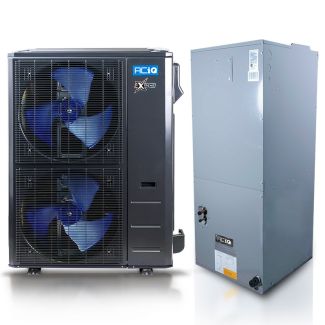


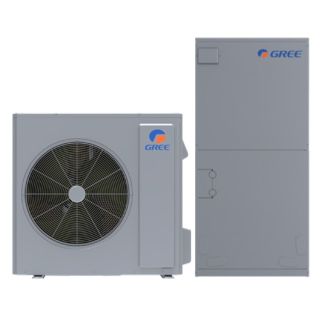

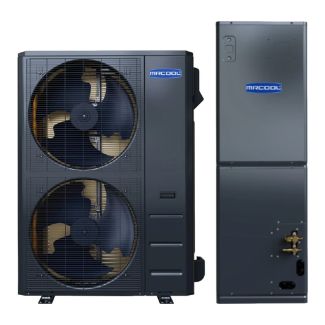
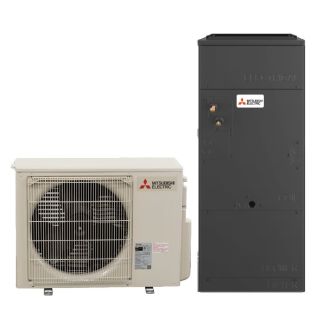
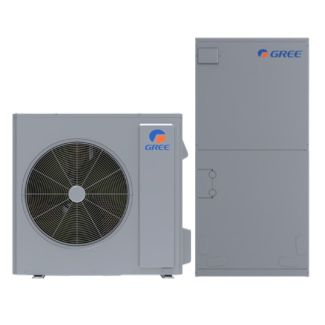
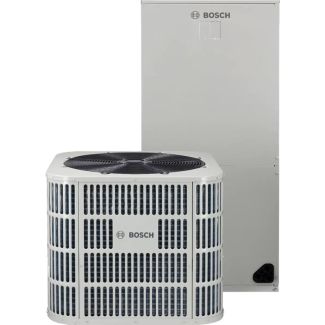

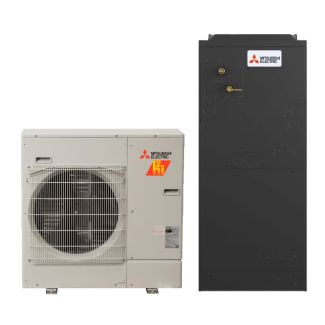
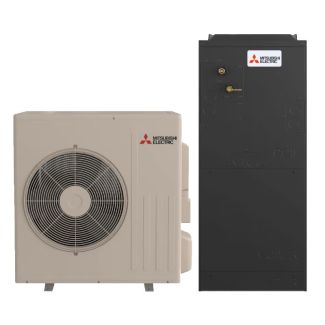
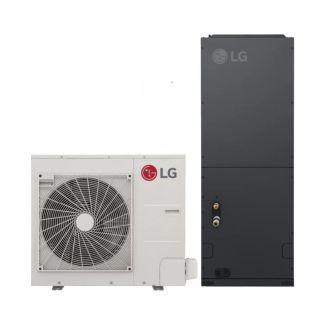
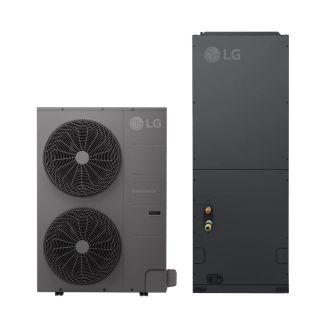
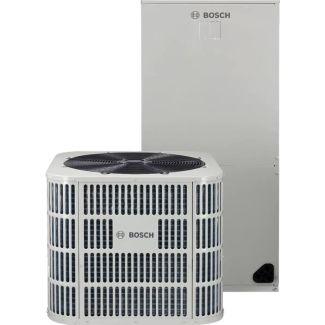

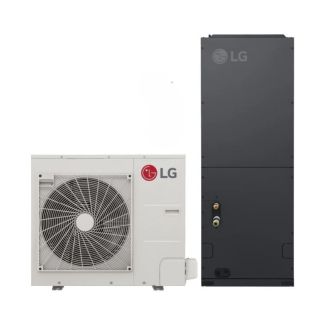
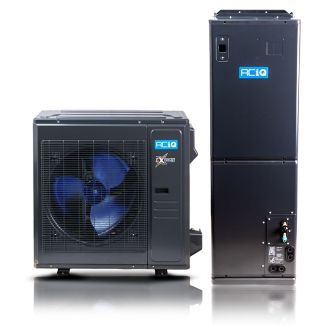
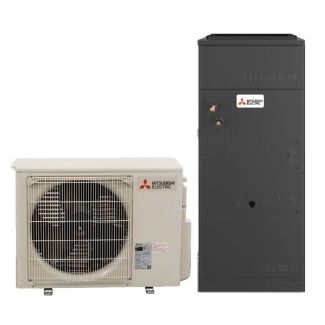
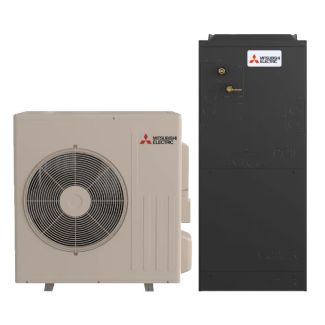
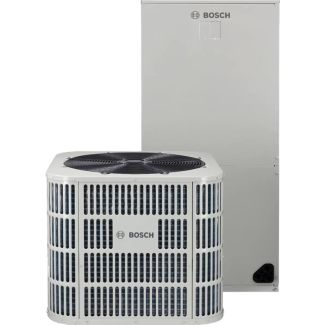
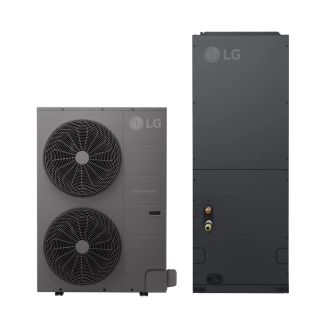
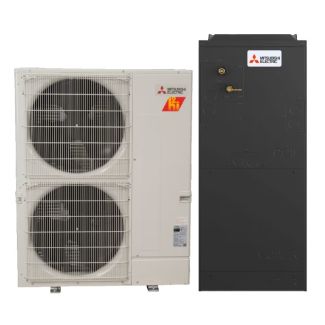
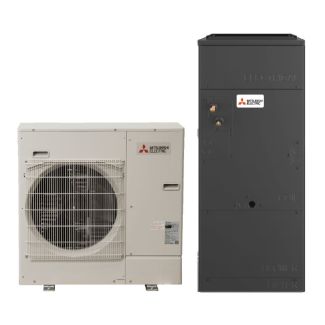

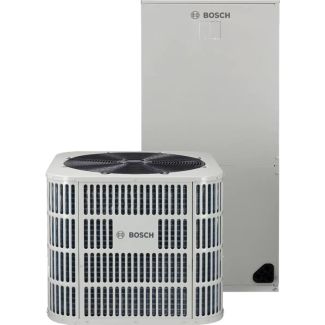
A high efficiency heat pump split system is an all-electric heating and cooling system that pairs an outdoor condenser with an indoor air handler, with energy ratings that can range from the federal minimum rating of 14.3 to 18+ SEER2.
In cooling mode, the system absorbs heat inside the home and transfers it outdoors, while in heating mode, a reversing valve allows the system to extract heat from outdoor air even when temperatures fall below 0°F on select models. Variable-speed inverter compressor technology continuously adjusts motor speeds to match thermal demands, maintaining precise room temperatures while reducing energy usage by up to 50% over standard systems.
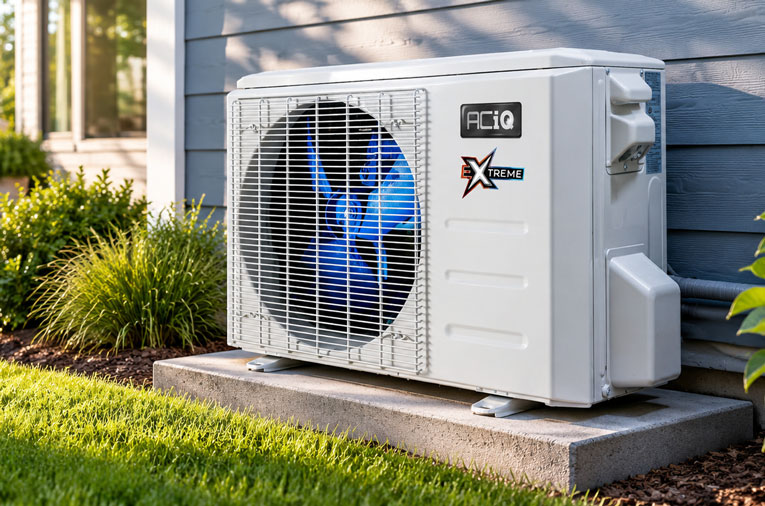
A high efficiency heat pump split system is an all-electric heating and cooling system that pairs an outdoor condenser with an indoor air handler, with energy ratings that can range from the federal minimum rating of 14.3 to 18+ SEER2.
In cooling mode, the system absorbs heat inside the home and transfers it outdoors, while in heating mode, a reversing valve allows the system to extract heat from outdoor air even when temperatures fall below 0°F on select models. Variable-speed inverter compressor technology continuously adjusts motor speeds to match thermal demands, maintaining precise room temperatures while reducing energy usage by up to 50% over standard systems.
You should buy a high efficiency heat pump split system when you want to lower monthly energy costs compared to standard-efficiency systems, depending on climate, usage patterns, and equipment selection, while enjoying year-round heating and cooling. These advanced systems use variable-speed inverter compressors that modulate from one-quarter capacity to full capacity to eliminate temperature swings and keep indoor conditions stable.
A high efficiency heat pump split system has a higher initial equipment purchase price than a standard 14 SEER2 unit. However, the long-term utility savings and potential local utility rebates can help offset the higher upfront cost over time through lower utility bills and available incentives.
High efficiency heat pump split systems reduce electric bills by up to 50% compared to standard systems while delivering continuous heating and cooling. These systems combine variable-speed inverter compressors with smart air handlers to maintain balanced indoor temperatures throughout every season.
High efficiency split systems carry higher upfront purchase prices than basic 14 SEER2 models, but proper system sizing helps lower operating costs and maximize long-term performance. Sizing the equipment correctly for your square footage prevents frequent cycling and ensures maximum long-term system reliability.
High efficiency heat pump split systems deliver centralized heating and cooling across a wide range of residential floor plans and property types. These versatile systems install directly into central ductwork networks to service distinct physical living spaces from 800 to over 3,000 square feet.
Matching the equipment tonnage to the exact square footage and insulation level of the home prevents oversizing or undersizing issues. Proper duct sizing and air sealing across these physical spaces ensure optimal airflow velocity and maximum energy efficiency.
Sizing a high efficiency heat pump split system requires matching equipment capacity to your home layout, with residential tonnages typically ranging from 1.5 tons up to 5 tons. Selecting the right tonnage ensures consistent indoor temperatures, proper humidity control, and optimal energy efficiency across your living space.
Properly evaluating these capacity factors prevents premature equipment wear and eliminates short-cycling issues. Working with an HVAC contractor to verify ductwork airflow capacity ensures your selected split system achieves its full efficiency rating.
The most important features to evaluate when buying a high efficiency heat pump split system are its cold climate heating rating, installation requirements, air supply temperature, seasonal efficiency scores, and factory warranty terms. Evaluating these core specifications ensures your equipment delivers reliable indoor comfort while keeping monthly electric bills low.
Working with an HVAC specialist to verify ductwork capacity and power requirements protects your long-term equipment warranty. Choose a properly sized system that balances efficiency, comfort, and long-term operating costs.
Evaluating structural, electrical, and financial requirements ensures your new heat pump split system installs smoothly and operates safely. Careful advance planning helps prevent unexpected installation delays, panel upgrade costs, or voided equipment warranties.
Ignoring electrical or ductwork limits can result in blown fuses, noisy operation, or reduced heating capacity during cold weather. Verifying all site requirements with a qualified HVAC contractor guarantees long-term equipment efficiency and protects your full factory warranty.
Top HVAC manufacturers such as ACiQ produce high efficiency heat pump split systems that reach efficiency ratings up to 20+ SEER2 with the ability to reduce annual heating and cooling electricity costs by up to 50% according to HVACDirect.com. Leading brands distinguish themselves through specialized features such as solar compatibility, self-installation designs, and smart mobile app controls.
Choosing between these top brands depends on whether your project requires professional installation or pre-charged lines for self-installation. Your choice will also depend on your home heating needs, installation preferences, and desired comfort. Premium units cost more upfront, but advanced variable-speed technology and local utility rebates help offset equipment purchase costs over time. Compare efficiency ratings, warranties, installation requirements, and comfort features before selecting a brand.
A high efficiency heat pump split system can typically cost between $2,200 and $7,500 for the equipment alone, while installation can increase the overall project cost further, depending on system capacity, brand, and home layout. Purchasing high efficiency equipment wholesale online can cut upfront equipment costs by more than half compared to traditional local dealer pricing. Please note that the price ranges presented in this section and below serve as general planning estimates rather than guaranteed costs.
Prices shown here and below are planning estimates, not guaranteed costs. Equipment prices reflect current HVACDirect.com listings, where buying direct may save up to 70% on HVAC equipment versus local company pricing. Installation, labor, energy, maintenance, and service costs vary by system size, efficiency, installation complexity, local contractor and utility rates, climate, and location. For an accurate project estimate, consult a qualified local HVAC professional or an HVACDirect.com specialist to point you in the right direction.
While premium heat pumps carry higher upfront equipment costs, lower monthly utility bills and available tax incentives allow these systems to pay for themselves over time. Evaluating installation complexity and long-term efficiency ratings helps ensure you choose the best equipment package for your total budget.
Buying high efficiency heat pump split systems from HVACDirect.com provides access to direct wholesale pricing, helping homeowners and contractors potentially save money compared to traditional dealer pricing, depending on the equipment selected. The online platform bypasses traditional middleman markups while supplying top-rated heating and cooling equipment backed by factory warranties.
Choosing HVACDirect.com guarantees low upfront equipment costs, but proper system installation requires hiring a qualified local technician or choosing a DIY-certified model. Utilizing their free technical sizing assistance can help you select equipment that matches your home's requirements.
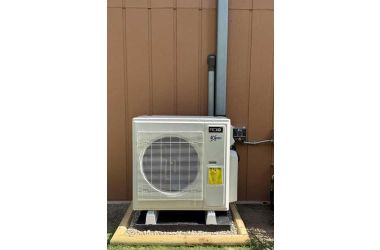
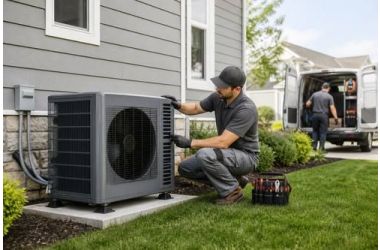
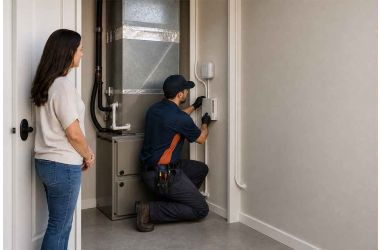
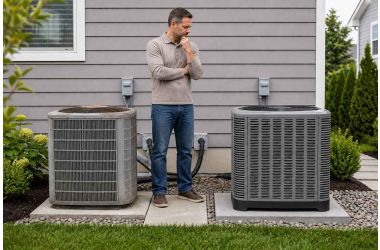
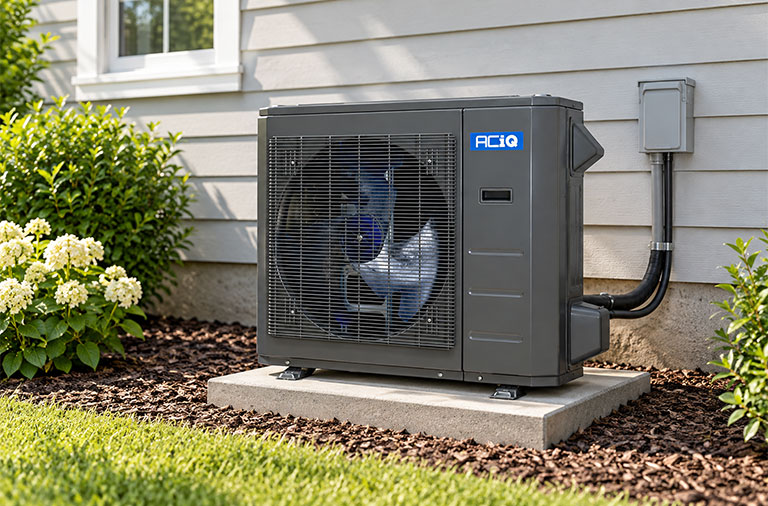
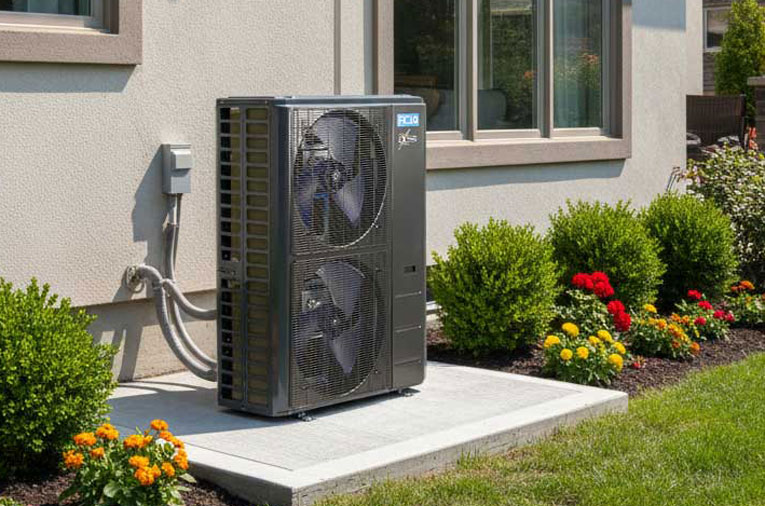
High efficiency heat pump split systems use variable-speed inverter compressors that reach ratings up to 20 SEER2 and operate in cold outdoor temperatures down to -22ºF, while many standard split systems use single-stage compressors with lower efficiency ratings. This inverter technology allows high efficiency units to continuously scale motor speeds up or down, consuming up to 50% less electricity than fixed-speed equipment. In contrast, standard split systems cycle completely on and off at 100% capacity, creating noticeable temperature swings and higher energy bills.
High efficiency heat pump split systems are better when they have a cooling efficiency rating of 16 to 20 SEER2 and a heating efficiency rating of 8.5 to 10 HSPF2 or higher. These ratings exceed the national regional minimum standards of 14.3 SEER2 and 7.5 HSPF2 established for central split heat pumps. Choosing equipment in this elevated efficiency bracket can cut seasonal electricity consumption by up to 50% and may also make the system eligible for available incentive programs, depending on current requirements.
Since December 31, 2025, high efficiency heat pump systems no longer qualify for federal tax credits. Previously, there were credits that allowed homeowners to claim 30% of total project costs for qualifying equipment and installation, but those credits are no longer available.
Yes, rebates are available for high efficiency heat pump split systems through local utility companies, state programs, and equipment manufacturers. These cash-back incentives help reduce upfront purchase costs for qualifying units that meet high energy performance standards. Available incentives vary by location and program, so homeowners should review current rebate and tax credit opportunities.
High efficiency heat pump split systems typically last between 15 and 25 years. By comparison, traditional heat pumps average about 15 years of operating life. This makes high efficiency split systems a longer-lasting option that delivers extended value to homeowners. Regular filter replacement and annual professional inspections help maximize system efficiency and overall lifespan.
Yes, high efficiency heat pump split systems can operate in freezing temperatures. Advanced cold climate models retain effective heating capacity at outdoor temperatures as low as -22ºF by utilizing variable speed inverter technology. These systems automatically defrost their outdoor coils to prevent frost buildup and maintain reliable warmth during winter weather.
High efficiency heat pump split systems do not require backup heat because the heat pump provides both heating and cooling independently. Some advanced inverter models can operate effectively in temperatures as low as -22°F without supplementary heating sources. However, homeowners in freezing climates can optionally install an auxiliary electric heat strip kit to provide extra warmth during severe freeze conditions.
Yes, high efficiency heat pump split systems effectively control indoor humidity during cooling operations. As warm air passes over the cold evaporator coil, the system removes excess moisture and drains it away automatically. Some models include a dedicated dry mode for additional humidity control.
Yes, high efficiency heat pump split systems can connect to existing ductwork in a home. This setup allows homeowners to upgrade, provided the existing ductwork is properly sized and in good condition.
No, high efficiency heat pump split systems do not always require professional installation because some models are designed for DIY installation. However, it is recommended that all electrical work for a high efficiency heat pump be completed by a professional.
High efficiency heat pump split systems require a dedicated 208V to 240V electrical service with a double pole circuit breaker. Most residential systems require circuit breakers ranging from 15A to 60A depending on system capacity and maximum overcurrent protection ratings.

