0% Financing for 12 Months* or up to 48 Months* Terms Available - Buy Now and Pay later!

Rooftop Packaged AC & Furnace Units

Subcategories

Items 265-288 of 378

Set Descending Direction
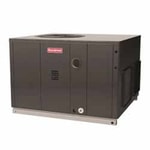
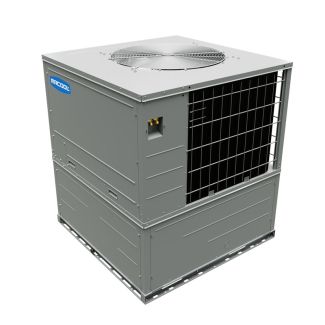
  1. 4 Ton 15.2 SEER2 100,000 BTU Gas Package Unit - R410A Downflow/Horizontal
    SAVE $750.05
    4 Ton 15.2 SEER2 100,000 BTU Gas Package Unit - R410A Downflow/Horizontal
    4 Ton 15.2 SEER2 100,000 BTU Gas Package Unit - R410A Downflow/Horizontal
    Model: AQ-GPGM54810041
    Was $8,000.00 Your Low Price Special Price $7,249.95
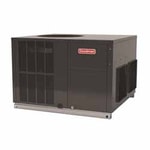
  2. 4 Ton 15.2 SEER2 100,000 BTU Goodman Gas Packaged Unit - GPGM54810041
    SAVE $1,913.00
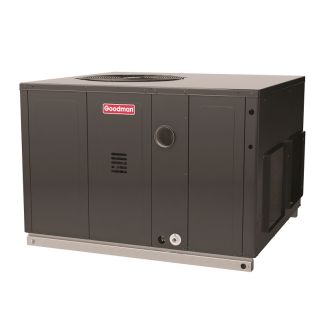
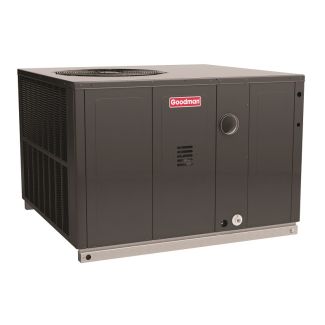
    Goodman 4 Ton 15.2 SEER2 100,000 BTU Gas Package Unit - R32 Downflow/Horizontal
    Model: GPGM54810031
    Rating:
    98%
    Was $9,563.00 Your Low Price Special Price $7,650.00
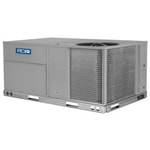
  3. 5 Ton 15.4 SEER2 Package Heat Pump Unit - R32 Downflow/Horizontal - AQ-GPHM56031
    SAVE $1,399.00
    5 Ton 15.4 SEER2 Package Heat Pump Unit - R32 Downflow/Horizontal
    Model: AQ-GPHM56031
    Was $9,324.00 Your Low Price Special Price $7,925.00
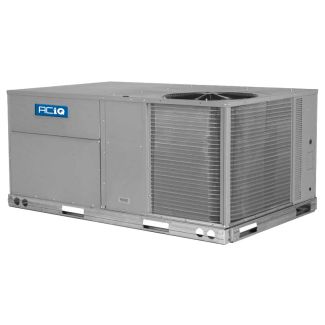
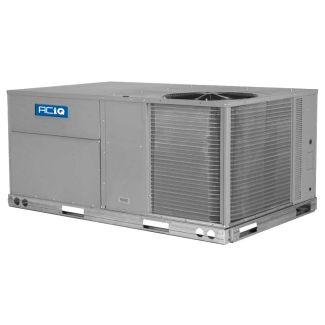
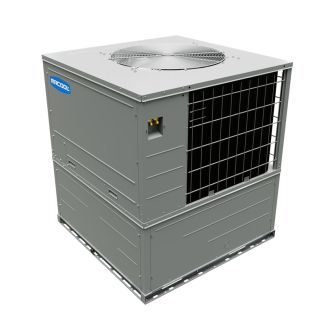
  4. ACiQ 2 Ton 13.4 SEER2 60,000 Dual Fuel Package Unit - R454B Downflow/Horizontal - PDB424060K000B
    SAVE $2,684.00
    ACiQ 2 Ton 13.4 SEER2 60,000 Dual Fuel Package Unit - R454B Downflow/Horizontal
    Model: PDB424060K000B
    Was $10,734.00 Your Low Price Special Price $8,050.00
  5. ACiQ 2 Ton 13.4 SEER2 60,000 Low NOx Dual Fuel Package Unit - R454B Downflow/Horizontal - PDB424060K001B
    SAVE $2,684.00
    ACiQ 2 Ton 13.4 SEER2 60,000 Low NOx Dual Fuel Package Unit - R454B Downflow/Horizontal
    Model: PDB424060K001B
    Was $10,734.00 Your Low Price Special Price $8,050.00
  6. Goodman 5 Ton 15.4 SEER2 Package Heat Pump Unit - R32 Downflow/Horizontal - GPHM56031
    SAVE $2,061.00
    Goodman 5 Ton 15.4 SEER2 Package Heat Pump Unit - R32 Downflow/Horizontal
    Model: GPHM56031
    Rating:
    95%
    Was $10,302.00 Your Low Price Special Price $8,241.00
  7. ACiQ 2.5 Ton 13.4 SEER2 60,000 Dual Fuel Package Unit - R454B Downflow/Horizontal - PDB430060K000B
    SAVE $2,820.00
    ACiQ 2.5 Ton 13.4 SEER2 60,000 Dual Fuel Package Unit - R454B Downflow/Horizontal
    Model: PDB430060K000B
    Was $11,280.00 Your Low Price Special Price $8,460.00
  8. ACiQ 2.5 Ton 13.4 SEER2 60,000 Low NOx Dual Fuel Package Unit - R454B Downflow/Horizontal - PDB430060K001B
    SAVE $2,820.00
    ACiQ 2.5 Ton 13.4 SEER2 60,000 Low NOx Dual Fuel Package Unit - R454B Downflow/Horizontal
    Model: PDB430060K001B
    Was $11,280.00 Your Low Price Special Price $8,460.00
Page
per page
Lowest Price GuaranteeLowest Price Guarantee

What are residential packaged HVAC units?

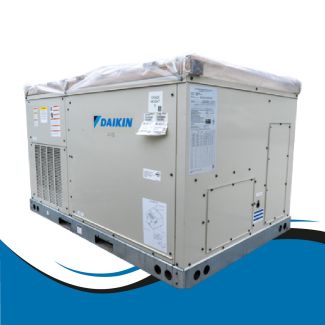
Residential packaged HVAC units are all-in-one heating and cooling systems that combine the major HVAC components into a single outdoor cabinet. In a packaged AC and furnace system (which includes packaged heat pumps, gas/electric, dual fuel, and packaged AC units), the cooling and heating components are housed together in one unit. Ground-level installation is the default residential application, but rooftop installation is another option based on your preference and building type. This design helps save indoor space while providing complete home comfort from a centralized system.

A residential packaged HVAC unit delivers heating and cooling through a single outdoor system connected to the home's ductwork. In cooling mode, the air conditioner removes heat from indoor air and sends cooled air through the ducts. Heating depends on the system type. A unit can use a heat pump, a gas furnace, or both (dual fuel). A packaged AC unit provides cooling only. The blower circulates heated or cooled air throughout the home year-round, while the thermostat controls when the system switches between heating and cooling.
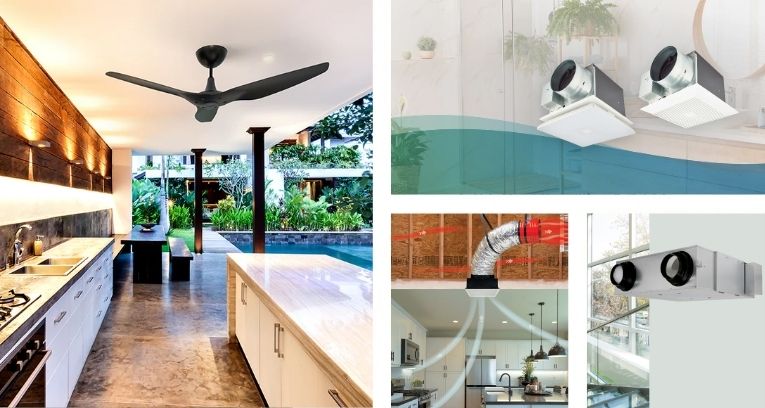
Residential packaged HVAC units are all-in-one heating and cooling systems that combine the major HVAC components into a single outdoor cabinet. In a packaged AC and furnace system (which includes packaged heat pumps, gas/electric, dual fuel, and packaged AC units), the cooling and heating components are housed together in one unit. Ground-level installation is the default residential application, but rooftop installation is another option based on your preference and building type. This design helps save indoor space while providing complete home comfort from a centralized system.

A residential packaged HVAC unit delivers heating and cooling through a single outdoor system connected to the home's ductwork. In cooling mode, the air conditioner removes heat from indoor air and sends cooled air through the ducts. Heating depends on the system type. A unit can use a heat pump, a gas furnace, or both (dual fuel). A packaged AC unit provides cooling only. The blower circulates heated or cooled air throughout the home year-round, while the thermostat controls when the system switches between heating and cooling.

Are residential packaged HVAC units worth it?

Yes, residential packaged HVAC units provide value as whole-home heating and cooling from a single outdoor system. Packaged heat pump, gas/electric, dual fuel, and cooling-only units all suit homes with limited indoor space for equipment.

  • All-in-One HVAC Design: Major HVAC components are housed within one outdoor cabinet. This integrated design reduces the need for separate indoor and outdoor equipment.
  • More Usable Indoor Space: Installation outside the home preserves usable indoor square footage. This can be valuable in homes with limited utility or storage areas.
  • Year-Round Home Comfort: The same system supports cooling during warm weather and heating during colder months. Consistent airflow is delivered through the home's existing ductwork.
  • Simplified Equipment Configuration: Factory-assembled components arrive as a complete package unit. Fewer separate pieces of equipment may help streamline installation planning.

If your home has limited indoor space and existing ductwork, a packaged unit lets you heat and cool from a single outdoor cabinet. Packaged systems are often most beneficial when homeowners value a compact footprint and centralized HVAC operation.


Which spaces are ideal for residential packaged HVAC units? 

These HVAC units work best in homes where outdoor installation provides a practical advantage. Packaged units fit best in homes with limited indoor space, an existing packaged system, or a rooftop or ground-level install area.

  • Homes Replacing an Existing Packaged System: Homes that already use a packaged HVAC unit are often strong candidates for a direct replacement. Existing ductwork, utility connections, and equipment layouts may already be configured for a packaged system.
  • Residential Homes with Limited Indoor HVAC Space: Properties without a dedicated furnace room, basement, or large utility closet can benefit from an all-in-one outdoor cabinet. Manufactured and mobile homes may also be good candidates for this approach. Homeowners seeking solutions for these applications can explore HVACDirect.com Mobile Home AC & Heating Packaged Units.
  • Homes in Southern and Southwestern U.S. States: These regions have high cooling demand and mild winters. A packaged heat pump or gas/electric unit can cover both seasons from one cabinet.
  • Homes with Rooftop HVAC Installations: If your home already has a packaged unit or is designed for rooftop equipment, a direct replacement is often simplest because the ductwork and utility connections may already match. Downflow units connect to ducts beneath the unit, which suits rooftop installs.
  • Ranch and Single-Story Homes: Single-story floor plans often provide straightforward ductwork routing for packaged equipment. This layout can support efficient air distribution throughout the home while simplifying system accessibility.

The ideal application depends on the home's layout, available installation area, and existing HVAC configuration. Before you choose, check your duct layout, your available install area, and the type of unit you have now.


What type of residential packaged HVAC unit do you need?

HVACDirect.com offers several packaged system configurations that include gas-electric, packaged AC, heat pump, and dual fuel. Each is designed to provide whole-home comfort from a single outdoor cabinet while serving different climate and utility needs.

  • Gas-Electric Package Units: These systems combine an air conditioner and a gas furnace within one outdoor cabinet. They provide electric cooling during warm weather and natural gas heating during colder conditions.
  • Packaged AC Units: These units are designed to provide central air conditioning to your home from a self-contained outdoor system.
  • Heat Pump Package Units: These units heat and cool using electricity only. They move heat instead of making it, so they suit regions with milder winters.
  • Dual Fuel Package Units: These systems combine an electric heat pump with a gas furnace in one package. The heat pump handles heating during milder conditions, while the gas furnace provides supplemental heat during colder weather.

Matching the unit to your fuel first, then consider local climate and energy preferences for your home’s best fit. Gas service points to gas-electric or dual fuel units. Electric-only homes point to heat pump units.


What size residential packaged HVAC unit do you need?

The correct packaged HVAC unit size depends on the home's cooling load rather than square footage alone. However, HVACDirect.com’s packaged units are commonly available in 2 to 5 ton capacities, and these tonnage/BTU capacity ranges provide a useful starting point for comparing system sizes.

  • 2 Ton = 24,000 BTU (approximately 800 to 1,200 sq. ft.): This configuration is commonly selected for smaller homes, cottages, and compact floor plans with lower cooling demands.
  • 2.5 Ton = 30,000 BTU (approx. 1,000 to 1,500 sq. ft.): A 30K unit can provide cooling for homes that need more airflow and temperature control than a standard 2 ton system.
  • 3 Ton = 36,000 BTU (approx. 1,200 to 1,800 sq. ft.): This size generally fits for average-sized residential properties.
  • 3.5 Ton = 42,000 BTU (approx. 1,400 to 2,100 sq. ft.): 42K units can help support larger living areas and homes with higher cooling requirements.
  • 4 Ton = 48,000 BTU (approx. 1,600 to 2,400 sq. ft.): A 48K unit can handle larger cooling loads while maintaining whole-home comfort.
  • 5 Ton = 60,000 BTU (approx. 2,000 to 3,000 sq. ft.): Commonly recommended for expansive areas, a 60K packaged unit is typically offered across standard HVACDirect.com product lines.

Like-for-like unit replacement is the first sizing recommendation. For most replacement projects, it is important to check the data sticker or nameplate on your existing unit to find its tonnage. If that unit was sized correctly, choose the same size. Get a professional load calculation if the size is unknown, the home is new, or the current unit may be the wrong size.


What features matter most when buying a residential packaged HVAC unit?

Look for features such as a variable-speed blower, compressor staging, furnace staging, smart controls, and cold-weather heat pump technology. They affect comfort, efficiency, temperature consistency, and year-round performance.

  • Blower Motor Technology: Variable-speed and multi-speed blower motors can help regulate airflow more precisely than single-speed designs. This can improve indoor comfort, support better humidity control, and promote more consistent temperatures throughout the home.
  • Compressor Staging: Single-stage, two-stage, and variable-capacity compressors offer different levels of cooling control. Two-stage and variable-capacity compressors run at lower speeds on mild days, so temperatures stay steadier.
  • Furnace Staging: Multi-stage gas/electric and dual fuel furnaces can adjust heat output based on current heating needs. This allows the system to operate at lower capacity when conditions permit, helping maintain more even indoor temperatures.
  • Smart and Programmable Controls: Compatible thermostats can automate temperature schedules and simplify system management. Advanced controls may provide remote access, energy-use monitoring, and more precise comfort settings.
  • Cold-Weather Heat Pump Technology: Packaged heat pumps with this technology keep heating at lower outdoor temperatures. They suit regions with long stretches of cold weather.

For steady temperatures, choose a variable-speed blower with two-stage or variable-capacity cooling. In colder regions, choose a cold-weather heat pump or a dual fuel unit. The ideal feature set depends on climate, energy preferences, and comfort expectations.


Additional factors to consider when buying a residential packaged HVAC unit

Checking factors like your existing system, home load, climate, ductwork, install location, efficiency, and warranty is a best practice for selecting a new system. Those considerations can help ensure the packaged HVAC unit delivers reliable performance and satisfaction.

  • Existing System Size and Type: If your existing packaged system was properly sized and performed well, its system type and capacity should be your first starting point when selecting a replacement. Note whether your current unit is gas/electric, heat pump, or dual fuel, and whether it is horizontal or downflow.
  • Home Size and HVAC Load: Square footage is only one factor in determining the correct system size. Insulation levels, window area, ceiling heights, occupancy, and air leakage can all affect heating and cooling demand.
  • Climate and Heating Requirements: Local weather conditions play a major role in equipment selection. Homeowners should choose a packaged system that provides appropriate heating performance for their region's winter temperatures and cooling demands.
  • Ductwork and Airflow Configuration: The replacement unit needs to connect properly to the home's existing supply and return ductwork. Verify horizontal or downflow configuration along with duct opening sizes, shape (square or round), and locations.
  • Installation Location and Physical Fit: Consider whether the unit will be installed at ground level or on the roof, along with cabinet dimensions, clearances, structural requirements, and existing equipment placement. For rooftop replacements, verify that the roof structure, existing curb, and new equipment are compatible; a curb adapter may be required when replacing equipment with a different footprint.
  • Energy Efficiency: Compare the efficiency rating between units. A higher rating can lower operating costs, but may cost more up front.
  • Warranty Coverage: Check the parts warranty length and any registration steps before you buy. Reviewing parts coverage and registration requirements before purchase can help homeowners understand future service and replacement considerations.

Before you order, confirm your duct opening sizes, your roof curb or pad size, and the warranty terms. Installation conditions, regional climate, and existing home infrastructure often have as much impact on system performance as the equipment itself.


Which brands make the best residential packaged HVAC units?

ACiQ, Goodman, and RunTru by Trane are among the leading residential packaged HVAC brands made available through HVACDirect.com. Each brand offers packaged heating and cooling solutions designed for different budgets, performance preferences, and residential applications.

  • ACiQ: Offers a complete lineup of residential packaged HVAC systems, including packaged air conditioners, packaged heat pumps, gas/electric package units, and dual fuel systems. With options across multiple system types, efficiency levels, and capacities, ACiQ combines broad product selection with competitive pricing for residential replacement and new HVAC applications.
  • Goodman: A well-established brand with a broad selection of packaged air conditioners, heat pumps, and gas/electric units. Goodman’s wide product range makes it a practical option for both replacement projects and new residential installations across many climates.
  • RunTru by Trane: Offers straightforward systems backed by Trane, with options for homeowners looking for reliable heating and cooling. RunTru focuses on delivering trusted performance while maintaining a simplified product lineup.

Comparing available configurations, warranty coverage, and heating and cooling capabilities between brands can help narrow the selection to the best fit for a specific home. The best brand depends on installation requirements, budget, efficiency goals, and preferred features.


How much do residential packaged HVAC units cost?

The varying total cost of a residential packaged HVAC unit includes the equipment itself, ongoing monthly energy consumption, and long-term maintenance expenses and can go from roughly $3,000 to $9,500+. Understanding each cost category can help homeowners evaluate the full ownership cost rather than focusing only on the initial purchase price.

  • Equipment Cost: Purchase price for these units varies based on system type, tonnage, efficiency rating, brand, and available features, but HVACDirect.com currently lists a general range of $2,700 to $8,900 for units themselves. Gas/electric units, heat pump package units, dual fuel systems, and higher-efficiency models typically fall into different price ranges across HVACDirect.com's product lineup.
  • Operation Cost: Residential operating costs vary greatly based on climate, home size, local utility rates, system type, efficiency, thermostat settings, and heating/cooling demand. Higher-efficiency units may use less energy than lower-efficiency units.
  • Maintenance Cost: Routine expenses can include filter replacements, seasonal inspections, cleaning, and occasional component repairs, and service costs vary considerably by location and provider. Consistent maintenance helps support system performance, maintain efficiency, and reduce the likelihood of unexpected service costs.

Homeowners should compare total ownership costs across multiple system types before making a final purchase decision. Long-term value depends on balancing upfront equipment costs with operating efficiency and maintenance requirements.


Why buy your residential packaged HVAC unit from HVACDirect.com?

HVACDirect.com offers homeowners a combination of competitive pricing, recognized brands, and direct-to-consumer convenience. Our company specializes in residential HVAC equipment and provides a broad selection of packaged systems designed to meet a wide range of home comfort needs.

  • Competitive Pricing: HVACDirect.com helps homeowners access residential packaged HVAC equipment at competitive prices. Direct-to-consumer purchasing can make it easier to compare systems across multiple brands and efficiency levels.
  • Wide Selection: Homeowners can choose from packaged air conditioners, gas/electric package units, heat pump package units, and dual fuel systems. Multiple capacity, efficiency, and configuration options are available to support different residential applications.
  • Trusted Brands: ACiQ, Goodman, and RunTru by Trane are just a few of the established brands that are carried by HVACDirect.com. This selection of brands gives homeowners access to a variety of equipment options from recognized names in the HVAC industry.
  • Free Shipping: Many packaged HVAC systems on HVACDirect.com include free shipping offers. Confirm shipping terms of your selection before purchase. Free shipping can help reduce the total purchase cost compared to buying equipment through channels that require separate freight charges.
  • Wholesale Pricing: HVACDirect.com focuses on providing wholesale-direct purchasing opportunities for homeowners and contractors. This approach can help customers access professional-grade HVAC equipment without traditional retail markups.
  • Expert Support: Guidance from HVACDirect.com can help you compare system types, capacities, and configurations before making a purchase. Product resources and support with equipment selection can be found directly at the website.

The best buying experience depends on selecting equipment that matches the home's heating and cooling requirements. Match the type, tonnage, and fuel source to your home first. Then, compare the price and shipping terms of units of interest to find the right packaged HVAC solution for a specific application.
Recent Posts

Why Inverter AC Condensers Are the Best Option for Lower Electric Bills
Homeowners cannot control the price charged for each kilowatt-hour, but they can control how much electricity their cooling system needs. That is becoming more important as residential electric rates continue to climb. The U.S. Energy Information Administration forecasts an average residential...
Read more
How Much Does It Cost to Replace an HVAC System in 2026?
How the equipment is purchased can also make a meaningful difference. For a common full-system project—such as replacing a central air conditioner and gas furnace while keeping usable ductwork—a turnkey contractor-supplied project may cost **about $11,000 to $17,000**. Purchasing a matched system...
Read more
How Can an A2L Mitigation Board Help You Replace Only Your AC Condenser?
When an older R-410A outdoor condenser fails, replacing the entire HVAC system is not always the only option. If the indoor evaporator coil or air handler is still in usable condition, an A2L refrigerant detection and mitigation kit may allow that indoor equipment to remain in place while the...
Read more
Can I Replace Just My Outdoor AC Unit?
When the outdoor portion of a central air conditioner fails, replacing only that unit can sound like the simplest and least expensive solution. Sometimes it is. However, a central split system is not a collection of interchangeable parts. The outdoor condenser and the indoor evaporator coil work...
Read more

Call Now and Get a Free Quote Today! 1-800-397-1392

FAQs about residential packaged HVAC units

Residential packaged HVAC units combine the major heating and cooling components into a single outdoor cabinet, and a blower sends the air through your home’s ducts. Depending on the system type, the unit may include an air conditioner and gas furnace, a heat pump, or a dual fuel heating configuration. During cooling mode, the system removes heat from indoor air and transfers it outdoors through the refrigeration cycle. During heating mode, the unit uses a gas furnace, a heat pump, or both (dual fuel). A blower then circulates conditioned air through the home's ductwork to maintain consistent indoor comfort throughout the year.

The correct residential packaged HVAC unit size is determined by the home's heating and cooling load, not square footage alone. For most replacements, the first step should be checking the existing unit's data sticker/nameplate for its tonnage or cooling capacity. If the existing system was properly sized, that's the simplest starting point. Get a professional Manual J load calculation (a test of your home's heating and cooling needs) if the existing size is unknown, the home is new, or the current unit may be the wrong size.

Yes, residential packaged HVAC units can provide efficient heating and cooling when they are properly sized and matched to the home's comfort requirements. Many modern packaged systems are available with higher-efficiency compressors, variable-speed airflow technology, and heat pump options that can help reduce energy consumption. Efficiency levels vary by system type, equipment design, and operating conditions. Heat pump package units can provide both heating and cooling from a single electric system, while high-efficiency gas/electric and dual fuel models can help optimize energy use throughout the year.

Three of the four unit types, such as heat pump, gas/electric, and dual fuel, heat and cool from a single outdoor system. Packaged air conditioner units cool only, although an optional electric heat kit can add supplemental heat. The right configuration depends on the home's existing system, available utilities, climate, and heating requirements.

Yes, and for a properly sized existing packaged system, like-for-like system type and capacity should be the customer's first starting point. If your current system is not a packaged unit, have a professional confirm that a packaged unit will fit your home. Direct replacement is often a simpler choice, because your ductwork, gas or electric connections, and layout may already match. A professional evaluation can help confirm compatibility with the home's ductwork, fuel source, and airflow requirements.

All packaged units need electricity, and only gas-electric and dual fuel units also need gas. Gas-electric units use electricity and natural gas. Heat pump and packaged AC units use electricity only. Dual fuel units use electricity for the heat pump and natural gas for backup heat in colder weather. Homeowners should choose a system that matches the utilities available at their property and the heating demands of their local climate.

Yes, residential packaged HVAC units are designed to work with a home's central ductwork system to distribute heated and cooled air throughout the living space. Supply ducts deliver conditioned air to rooms, while return ducts bring indoor air back to the packaged unit for treatment. Properly sized and sealed ducts help support efficient airflow, consistent temperatures, and overall system performance. Homes without ductwork need duct installation before a packaged HVAC unit can heat or cool the home.

Actual unit lifespan varies based on system type, operating conditions, climate, maintenance practices, and usage levels. Routine maintenance, including filter changes, coil cleaning, and seasonal inspections, can help extend and support long-term performance. Proper sizing and correct installation are also important factors that can affect the system's longevity and overall operating efficiency. Residential packaged HVAC units typically provide several years of service when they are properly installed and maintained.

Have a professional service your packaged HVAC unit at least once per year. Routine service typically includes inspecting electrical components, checking refrigerant operation, cleaning coils, verifying airflow, and evaluating overall system performance. Schedule service before the cooling season, the heating season, or both, and change the filter on the schedule in your manual.

Residential packaged HVAC units currently list from $2,700 to $8,900 on HVACDirect.com, but prices are subject to change. Price depends on system type, tonnage, efficiency rating, brand, and features. Entry-level packaged systems generally cost less than higher-efficiency models with features such as a variable-speed blower or multi-stage operation, or a dual fuel setup. Compare equipment features, efficiency ratings, and warranty coverage to help determine the best overall value.

blockboard tech