Your cookie preferences
We use cookies to remember your preferences and understand how shoppers use our site, helping us improve your shopping experience.
Read our privacy policy


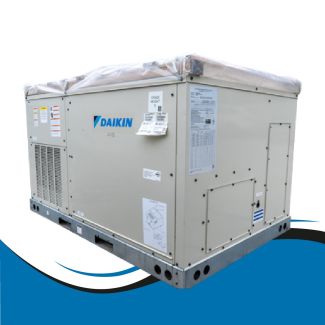

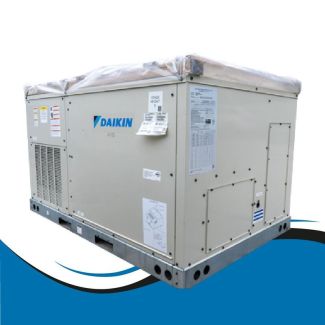

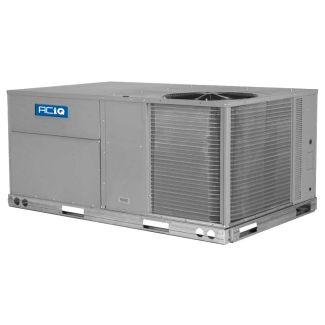


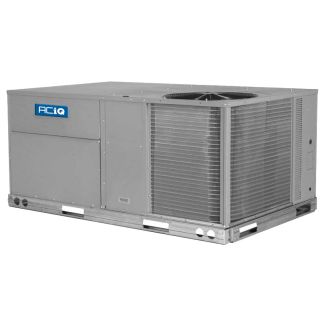
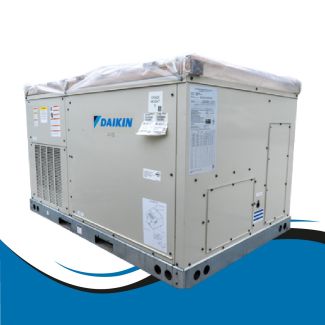

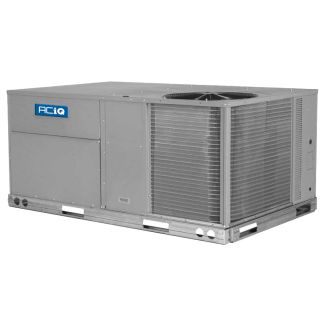
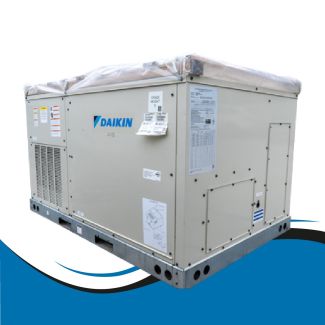
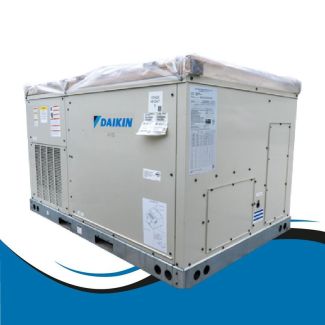
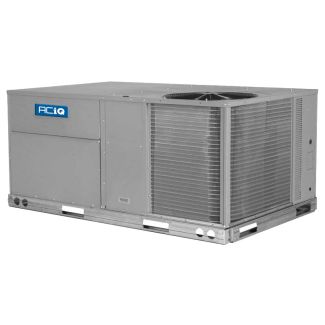
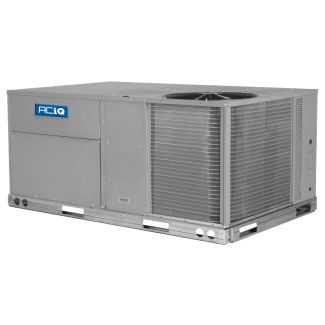
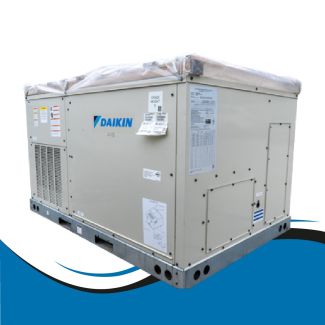
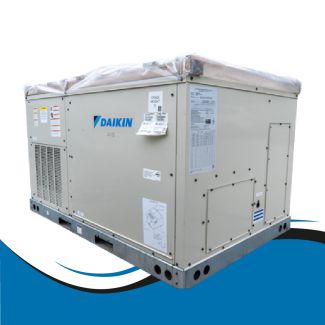


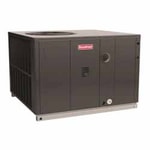
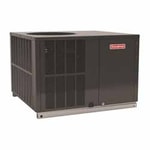
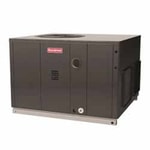
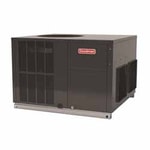
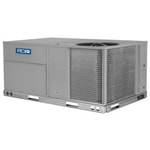
Residential packaged HVAC units are all-in-one heating and cooling systems that combine the major HVAC components into a single outdoor cabinet. In a packaged AC and furnace system (which includes packaged heat pumps, gas/electric, dual fuel, and packaged AC units), the cooling and heating components are housed together in one unit. Ground-level installation is the default residential application, but rooftop installation is another option based on your preference and building type. This design helps save indoor space while providing complete home comfort from a centralized system.
A residential packaged HVAC unit delivers heating and cooling through a single outdoor system connected to the home's ductwork. In cooling mode, the air conditioner removes heat from indoor air and sends cooled air through the ducts. Heating depends on the system type. A unit can use a heat pump, a gas furnace, or both (dual fuel). A packaged AC unit provides cooling only. The blower circulates heated or cooled air throughout the home year-round, while the thermostat controls when the system switches between heating and cooling.
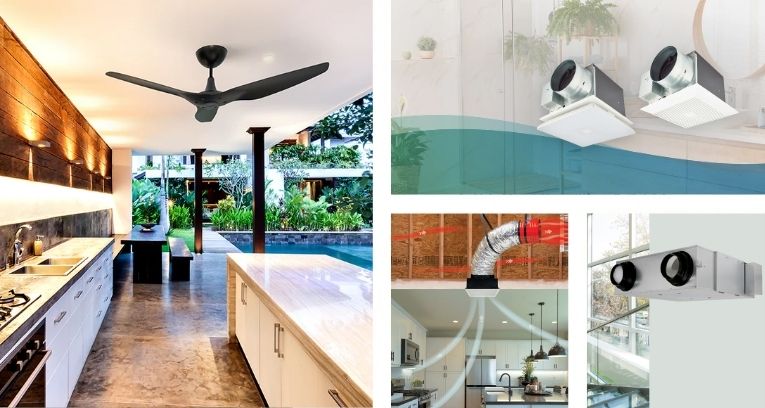
Residential packaged HVAC units are all-in-one heating and cooling systems that combine the major HVAC components into a single outdoor cabinet. In a packaged AC and furnace system (which includes packaged heat pumps, gas/electric, dual fuel, and packaged AC units), the cooling and heating components are housed together in one unit. Ground-level installation is the default residential application, but rooftop installation is another option based on your preference and building type. This design helps save indoor space while providing complete home comfort from a centralized system.
A residential packaged HVAC unit delivers heating and cooling through a single outdoor system connected to the home's ductwork. In cooling mode, the air conditioner removes heat from indoor air and sends cooled air through the ducts. Heating depends on the system type. A unit can use a heat pump, a gas furnace, or both (dual fuel). A packaged AC unit provides cooling only. The blower circulates heated or cooled air throughout the home year-round, while the thermostat controls when the system switches between heating and cooling.
Yes, residential packaged HVAC units provide value as whole-home heating and cooling from a single outdoor system. Packaged heat pump, gas/electric, dual fuel, and cooling-only units all suit homes with limited indoor space for equipment.
If your home has limited indoor space and existing ductwork, a packaged unit lets you heat and cool from a single outdoor cabinet. Packaged systems are often most beneficial when homeowners value a compact footprint and centralized HVAC operation.
These HVAC units work best in homes where outdoor installation provides a practical advantage. Packaged units fit best in homes with limited indoor space, an existing packaged system, or a rooftop or ground-level install area.
The ideal application depends on the home's layout, available installation area, and existing HVAC configuration. Before you choose, check your duct layout, your available install area, and the type of unit you have now.
HVACDirect.com offers several packaged system configurations that include gas-electric, packaged AC, heat pump, and dual fuel. Each is designed to provide whole-home comfort from a single outdoor cabinet while serving different climate and utility needs.
Matching the unit to your fuel first, then consider local climate and energy preferences for your home’s best fit. Gas service points to gas-electric or dual fuel units. Electric-only homes point to heat pump units.
The correct packaged HVAC unit size depends on the home's cooling load rather than square footage alone. However, HVACDirect.com’s packaged units are commonly available in 2 to 5 ton capacities, and these tonnage/BTU capacity ranges provide a useful starting point for comparing system sizes.
Like-for-like unit replacement is the first sizing recommendation. For most replacement projects, it is important to check the data sticker or nameplate on your existing unit to find its tonnage. If that unit was sized correctly, choose the same size. Get a professional load calculation if the size is unknown, the home is new, or the current unit may be the wrong size.
Look for features such as a variable-speed blower, compressor staging, furnace staging, smart controls, and cold-weather heat pump technology. They affect comfort, efficiency, temperature consistency, and year-round performance.
For steady temperatures, choose a variable-speed blower with two-stage or variable-capacity cooling. In colder regions, choose a cold-weather heat pump or a dual fuel unit. The ideal feature set depends on climate, energy preferences, and comfort expectations.
Checking factors like your existing system, home load, climate, ductwork, install location, efficiency, and warranty is a best practice for selecting a new system. Those considerations can help ensure the packaged HVAC unit delivers reliable performance and satisfaction.
Before you order, confirm your duct opening sizes, your roof curb or pad size, and the warranty terms. Installation conditions, regional climate, and existing home infrastructure often have as much impact on system performance as the equipment itself.
ACiQ, Goodman, and RunTru by Trane are among the leading residential packaged HVAC brands made available through HVACDirect.com. Each brand offers packaged heating and cooling solutions designed for different budgets, performance preferences, and residential applications.
Comparing available configurations, warranty coverage, and heating and cooling capabilities between brands can help narrow the selection to the best fit for a specific home. The best brand depends on installation requirements, budget, efficiency goals, and preferred features.
The varying total cost of a residential packaged HVAC unit includes the equipment itself, ongoing monthly energy consumption, and long-term maintenance expenses and can go from roughly $3,000 to $9,500+. Understanding each cost category can help homeowners evaluate the full ownership cost rather than focusing only on the initial purchase price.
Homeowners should compare total ownership costs across multiple system types before making a final purchase decision. Long-term value depends on balancing upfront equipment costs with operating efficiency and maintenance requirements.
HVACDirect.com offers homeowners a combination of competitive pricing, recognized brands, and direct-to-consumer convenience. Our company specializes in residential HVAC equipment and provides a broad selection of packaged systems designed to meet a wide range of home comfort needs.
The best buying experience depends on selecting equipment that matches the home's heating and cooling requirements. Match the type, tonnage, and fuel source to your home first. Then, compare the price and shipping terms of units of interest to find the right packaged HVAC solution for a specific application.
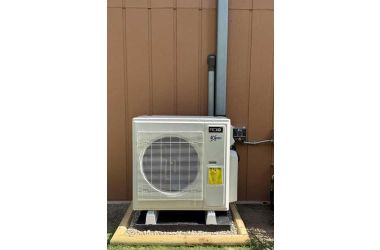
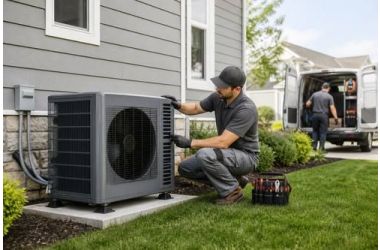
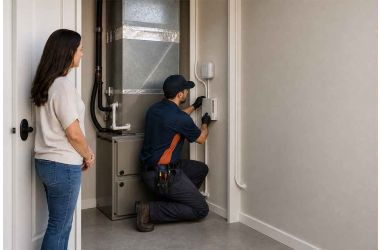
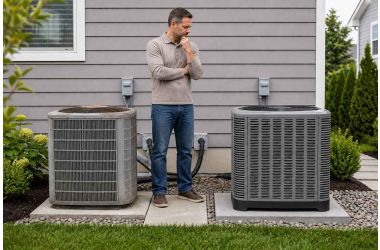

Residential packaged HVAC units combine the major heating and cooling components into a single outdoor cabinet, and a blower sends the air through your home’s ducts. Depending on the system type, the unit may include an air conditioner and gas furnace, a heat pump, or a dual fuel heating configuration. During cooling mode, the system removes heat from indoor air and transfers it outdoors through the refrigeration cycle. During heating mode, the unit uses a gas furnace, a heat pump, or both (dual fuel). A blower then circulates conditioned air through the home's ductwork to maintain consistent indoor comfort throughout the year.
The correct residential packaged HVAC unit size is determined by the home's heating and cooling load, not square footage alone. For most replacements, the first step should be checking the existing unit's data sticker/nameplate for its tonnage or cooling capacity. If the existing system was properly sized, that's the simplest starting point. Get a professional Manual J load calculation (a test of your home's heating and cooling needs) if the existing size is unknown, the home is new, or the current unit may be the wrong size.
Yes, residential packaged HVAC units can provide efficient heating and cooling when they are properly sized and matched to the home's comfort requirements. Many modern packaged systems are available with higher-efficiency compressors, variable-speed airflow technology, and heat pump options that can help reduce energy consumption. Efficiency levels vary by system type, equipment design, and operating conditions. Heat pump package units can provide both heating and cooling from a single electric system, while high-efficiency gas/electric and dual fuel models can help optimize energy use throughout the year.
Three of the four unit types, such as heat pump, gas/electric, and dual fuel, heat and cool from a single outdoor system. Packaged air conditioner units cool only, although an optional electric heat kit can add supplemental heat. The right configuration depends on the home's existing system, available utilities, climate, and heating requirements.
Yes, and for a properly sized existing packaged system, like-for-like system type and capacity should be the customer's first starting point. If your current system is not a packaged unit, have a professional confirm that a packaged unit will fit your home. Direct replacement is often a simpler choice, because your ductwork, gas or electric connections, and layout may already match. A professional evaluation can help confirm compatibility with the home's ductwork, fuel source, and airflow requirements.
All packaged units need electricity, and only gas-electric and dual fuel units also need gas. Gas-electric units use electricity and natural gas. Heat pump and packaged AC units use electricity only. Dual fuel units use electricity for the heat pump and natural gas for backup heat in colder weather. Homeowners should choose a system that matches the utilities available at their property and the heating demands of their local climate.
Yes, residential packaged HVAC units are designed to work with a home's central ductwork system to distribute heated and cooled air throughout the living space. Supply ducts deliver conditioned air to rooms, while return ducts bring indoor air back to the packaged unit for treatment. Properly sized and sealed ducts help support efficient airflow, consistent temperatures, and overall system performance. Homes without ductwork need duct installation before a packaged HVAC unit can heat or cool the home.
Actual unit lifespan varies based on system type, operating conditions, climate, maintenance practices, and usage levels. Routine maintenance, including filter changes, coil cleaning, and seasonal inspections, can help extend and support long-term performance. Proper sizing and correct installation are also important factors that can affect the system's longevity and overall operating efficiency. Residential packaged HVAC units typically provide several years of service when they are properly installed and maintained.
Have a professional service your packaged HVAC unit at least once per year. Routine service typically includes inspecting electrical components, checking refrigerant operation, cleaning coils, verifying airflow, and evaluating overall system performance. Schedule service before the cooling season, the heating season, or both, and change the filter on the schedule in your manual.
Residential packaged HVAC units currently list from $2,700 to $8,900 on HVACDirect.com, but prices are subject to change. Price depends on system type, tonnage, efficiency rating, brand, and features. Entry-level packaged systems generally cost less than higher-efficiency models with features such as a variable-speed blower or multi-stage operation, or a dual fuel setup. Compare equipment features, efficiency ratings, and warranty coverage to help determine the best overall value.