Your cookie preferences
We use cookies to remember your preferences and understand how shoppers use our site, helping us improve your shopping experience.
Read our privacy policy

Mitsubishi Single Zone Mini Split Systems are known for their reliability and innovation, providing efficient heating, cooling, and advanced air filtration for single-room comfort. Discover the Mitsubishi mini splits at HVACDirect.com.
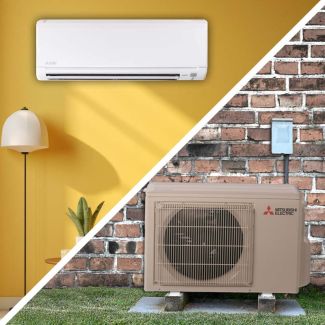
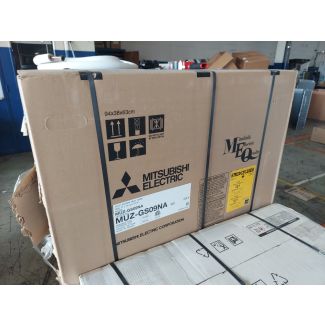

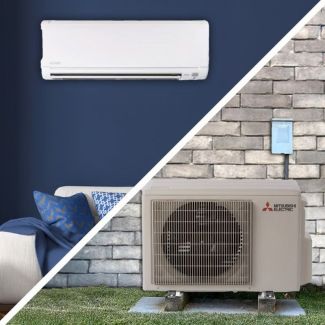
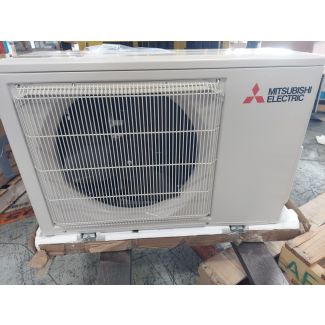
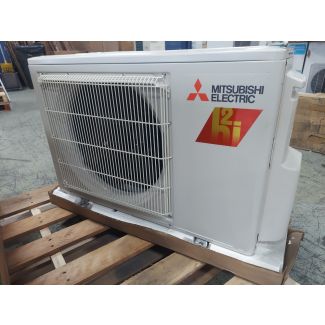
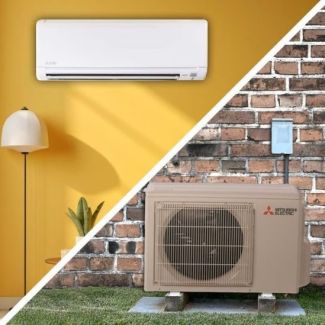

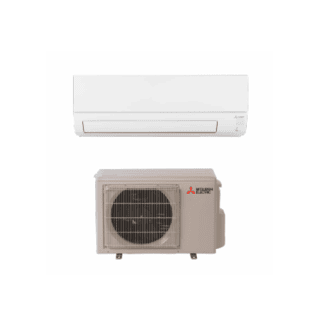
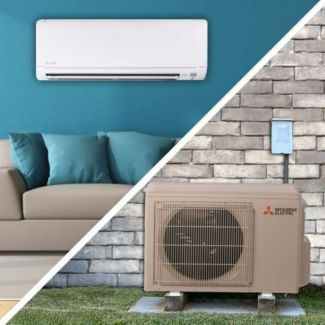
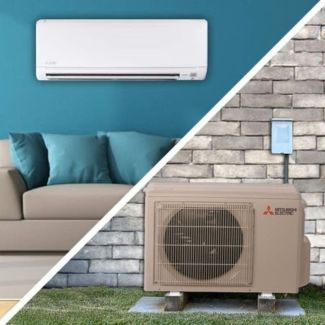
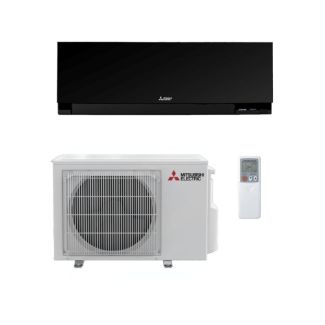
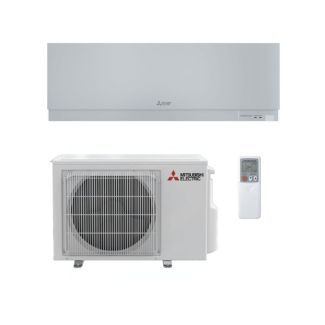
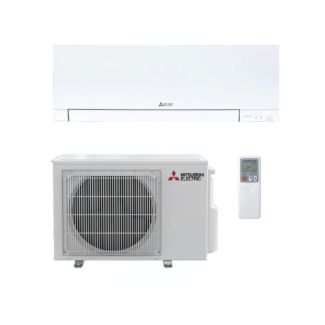
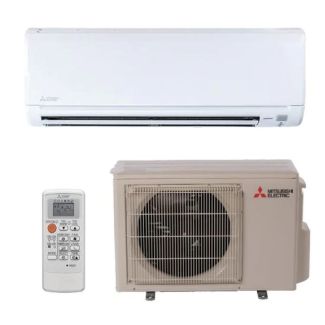
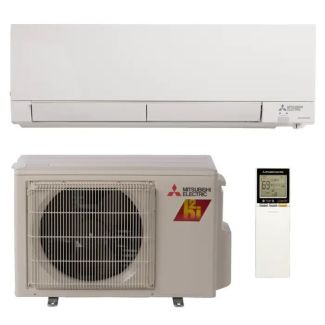
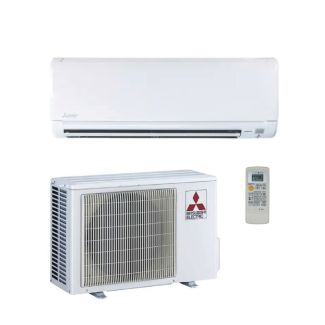
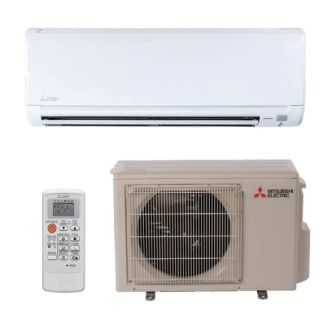
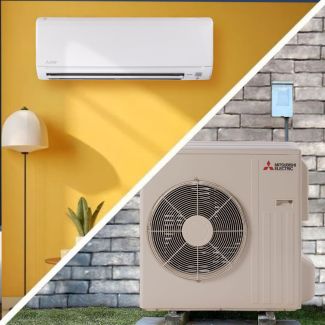
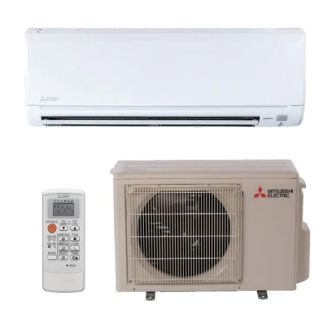
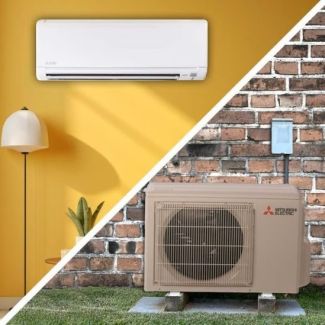
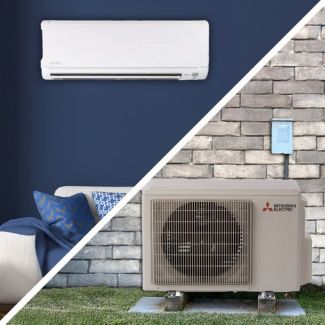
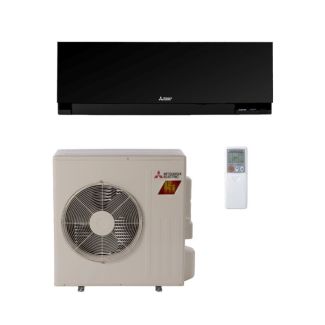
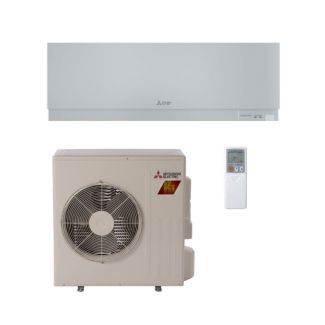
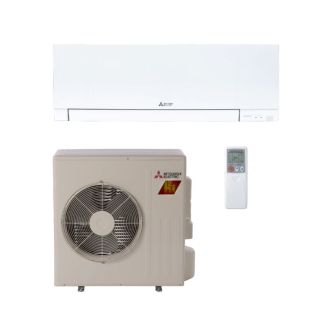

Mitsubishi single zone mini split systems are highly efficient, ductless heating and cooling solutions consisting of a single outdoor condenser and a single indoor air handler. These systems are typically designed to condition a single room or a large open-concept area, serving as a dedicated climate-control source for that space.
Most Mitsubishi mini splits are heat pumps that cool by moving heat outside in summer and reverse operation in winter to bring heat indoors, though cooling-only models are also available. Nearly all of their systems use inverter technology to automatically adjust output for quieter operation, more consistent temperatures, and better efficiency.
Mitsubishi 1 zone mini splits work best in individual spaces with standard 8-foot ceilings, good insulation, and room sizes ranging from small enclosed rooms to approximately 2,400 square feet, depending on the model and layout. Below are some of the most common applications for these systems:
Home Additions and Bonus Rooms: Sunrooms, in-law suites, finished rooms above garages, and other home additions can be difficult to connect to existing ductwork or integrate into the home’s current HVAC system. A Mitsubishi single zone mini split can independently heat and cool these spaces without major remodeling.
Garages and Attics: Converted garages, finished attics, workshops, and home gyms often have poor insulation, high ceilings, or extreme seasonal temperatures, making them difficult to condition. Mitsubishi single zone systems can be sized specifically for these demanding spaces and provide targeted climate control year-round.
Bedrooms and Guest Bedrooms: Experts say that sleeping in colder temperatures improves sleep quality. A Mitsubishi single zone unit allows for personalized temperature settings at night without having to cool or heat the entire house to a specific level.
Home Offices: Home offices benefit from dedicated temperature control during working hours, especially when the rest of the house may be unoccupied during the day. A Mitsubishi single zone mini split lets you efficiently heat or cool only the workspace in use.
Small Commercial Storefronts and Offices: Central ductwork would be impractical or expensive to provide independent climate control for boutique offices, storefronts, server rooms, studios and break rooms. Mitsubishi single zone systems are a popular choice for these smaller commercial applications as they are quiet, provide zoning flexibility and are highly efficient.
Like with any mini split, performance can be affected by environmental factors. Poor insulation, high ceilings, large window areas, excessive sun exposure, and outdoor temperatures at the extremes of the operating range of the system can reduce the efficiency and effective heating or cooling capacity.
Mitsubishi offers one of the widest BTU ranges in the single zone category, spanning from compact 6,000 BTU units to large 42,000 BTU systems. Available sizes and their typical space coverage include:
6,000 to 9,000 BTU (up to 400 sq. ft.): Mitsubishi’s smaller single-zone systems are ideal for compact bedrooms, guest rooms, home offices, studios, server closets, or other enclosed spaces that need quiet, precise temperature control.
12,000 to 15,000 BTU (400 to 650 sq. ft.): Some of Mitsubishi’s most widely available residential sizes across series like the MSZ-GL and MSZ-FS, these systems work well in average-sized bedrooms, living rooms, bonus rooms, and small open-plan spaces.
18,000 to 24,000 BTU (600 to 1,500 sq. ft.): Mitsubishi offers these mid-to-large capacities for open living areas, garages, workshops, finished basements, additions, and light-commercial applications that require stronger heating and cooling performance.
30,000 to 36,000 BTU (1,250 to 2,000 sq. ft.): Mitsubishi’s larger residential and light-commercial single-zone systems are commonly used in oversized garages, restaurants, offices, storefronts, and large open floor plans needing high-capacity climate control.
42,000 BTU (1,800 to 2,400 sq. ft.): Mitsubishi’s largest single-zone offering is designed for very large open commercial spaces, industrial workshops, and demanding retail environments.
Proper sizing is key because an undersized Mitsubishi mini split may run constantly and struggle to keep up with the heating or cooling load, while an oversized system can short cycle and reduce efficiency and humidity control. Square footage is only part of the equation, since ceiling height, insulation, sun exposure, and room layout also affect the correct BTU size.
Installing a single zone Mitsubishi system costs $2,500 to $7,000, including all installation, labor, and equipment. The price of a system will vary widely based on equipment efficiency, features, and local installation and labor rates. Here’s a typical breakdown:
Equipment: $1,400 to $5,000+, depending on the system’s efficiency and capacity.
Installation and Labor Cost: $1,500 to $3,000+, including refrigeration line sets, pad/bracket, electrical disconnect, vacuuming, and commissioning. The costs will vary based on local labor rates, installation complexity, and if you need new electrical work.
Operation and Maintenance Cost: Because Mitsubishi systems are so efficient, operating costs are only around $25 to $50+ a month, depending on how often you use it and local rates. Like most other mini splits, they have self-cleaning features and washable filters, which keep maintenance costs low. If you choose an annual tune-up, the cost will be $100 to $300+, depending on whether additional services or repairs are needed.
Additional costs for essential accessories, such as line set covers, mounting brackets, and concrete pads, generally range from $250 to $600, and local permits typically add $100 to $300 to the project.
No, you cannot install a Mitsubishi one zone mini split system yourself because they do not make DIY mini splits. You must have a professional, or better yet, a Mitsubishi Diamond Contractor, install your single zone system.
DIY Mitsubishi Single Zone Installation: Mitsubishi doesn’t have the DIY mini splits with pre-charged, tool-free line sets that some of the other brands offer. To properly service, vacuum and start-up their systems an EPA Section 608 certified technician is required and installing a system yourself without the appropriate licenses will void the manufacturer’s warranty. Homeowners can do prep work like mounting brackets or line set covers if they want, before licensed professionals complete the installation.
Professional Mitsubishi Single Zone Installation: Mitsubishi single zone systems are designed for installation by licensed HVAC contractors, and professional installation is required to keep the warranty valid. The standard warranty covers 5 years of parts for systems installed by licensed contractors, with an extended 12-year parts and compressor warranty available when installed by a Mitsubishi Diamond Contractor.
Permits are typically required for both the mechanical and electrical work for Mitsubishi heating and cooling equipment, though requirements vary by city and county. All electrical work must be performed by a licensed electrician, and refrigerant handling requires an EPA Section 608-certified technician.
Mitsubishi offers several indoor unit styles for 1 zone systems, covering a range of installation types and room layouts, including wall mount, ceiling cassette, slim ceiling cassette, concealed duct, and floor mount.
Wall Mounted: Wall mounted units are Mitsubishi’s most widely available indoor unit style, offered across the largest range of series, including the MSZ-GL, MSZ-GS, and MSZ-FS, and BTU capacities. Mounted high on an interior wall, they provide direct airflow across the room and are typically the simplest and most affordable option to install.
Ceiling Cassette: Available in select BTU sizes, Mitsubishi ceiling cassettes mount flush in a ceiling grid or drywall opening and distribute air in four directions. Common examples include the MLZ one-way ceiling cassette for residential spaces and the PLA four-way cassette series, often used in commercial or open-plan applications.
Slim Ceiling Cassette: Mitsubishi slim ceiling cassette units are available in select single-zone and M-Series configurations and are designed for spaces with limited ceiling clearance or tighter joist spacing than standard four-way cassettes allow, while still providing a cleaner ceiling-mounted appearance.
Concealed Duct: Mitsubishi concealed duct units are available in multiple single zone capacities and are designed for hidden installations above ceilings or inside soffits using short duct runs. Popular examples include the SEZ low-static concealed duct series and the PEAD horizontal ducted series for applications needing a more traditional central-air appearance.
Floor Mounted: Floor console units mount low on the wall and deliver air at floor level, making them a good fit for rooms with large windows, limited upper wall space, or low ceilings. Mitsubishi offers floor mounted units in several single zone sizes, including the MFZ-KJ floor mounted series.
The best Mitsubishi indoor unit style depends on your room layout, ceiling and wall space, visibility preferences, and installation limitations, so choosing the right configuration is just as important as selecting the correct BTU size.
Mitsubishi mini splits typically require either 110/120V or 208/230V power, a dedicated double-pole breaker ranging from 15 to 60 amps depending on system size, manufacturer-specified wiring, and a lockable outdoor disconnect installed near the condenser. However, electrical requirements for Mitsubishi single zone systems vary by BTU size and model. General requirements include:
Voltage: The voltage required for a Mitsubishi mini split depends on the model and is either 110/120V or 208/230V.
Amperage and Breaker Size: The amperage required for a single zone Mitsubishi mini split depends on its capacity, ranging from 15 to 60 Amps. They will all need a double-pole breaker.
Wiring: With Mitsubishi mini splits, 12/2 AWG or 10/2 AWG power wiring is standard, while 14/4 AWG or 16/3 AWG is common for the communication cable. These can vary by model, though, and your licensed electrician will be able to decide which to use.
Dedicated Circuit and Disconnect: Your system will need a lockable, weatherproof disconnect box near the outside unit, and your unit needs its own dedicated circuit to prevent tripping.
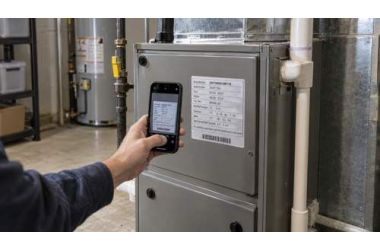
Your electrician will verify the minimum circuit ampacity (MCA) and maximum overcurrent protection (MOP) on the unit's nameplate before any electrical work to ensure the system operates safely and meets code requirements.
Yes, Mitsubishi single zone mini splits typically range from 18 to 35 SEER2, with premium Hyper Heat models also achieving HSPF2 ratings above 10 for high heating efficiency. Most current Mitsubishi systems exceed federal minimum efficiency standards, and their inverter compressors automatically adjust output instead of constantly turning on and off at full power like traditional fixed-speed systems.
One zone Mitsubishi mini splits are manufactured by Mitsubishi Electric, a division of Mitsubishi Electric Corporation, a Japanese multinational electronics and electrical equipment company. In the United States, Mitsubishi Electric's heating and cooling products are distributed and supported through Mitsubishi Electric Trane HVAC US (METUS), a joint venture with Trane Technologies. Mitsubishi Electric has been manufacturing mini split systems since the 1970s and is widely regarded as a pioneer of ductless technology.
No, Mitsubishi does not currently offer a DIY-specific line with pre-charged quick-connect cables. Their single zone systems must be installed by a licensed professional, preferably a Mitsubishi Diamond Contractor, for you to get the longest warranty and ensure the system is installed correctly.
Mitsubishi 1 zone systems installed by a licensed HVAC contractor come with a 5-year parts warranty for the original owner, with labor covered only for the first year. For systems installed by a Mitsubishi Diamond Contractor, which is a designation for contractors who have met Mitsubishi's training and certification standards, an extended warranty of up to 12 years on parts and the compressor is available with registration. That extended coverage must typically be registered within 90 days of installation, and proof of installation by a licensed contractor is required for all warranty claims.
The majority of Mitsubishi single zone systems are heat pumps, meaning they both cool in summer and heat in winter using the same refrigerant system. During cooling, the system moves heat from inside to outside, and during heating, it reverses that process to extract warmth from outdoor air and move it inside. Several Mitsubishi single zone lines feature Hyper Heat (H2i) technology, which allows the heat pump to operate effectively at outdoor temperatures as low as -22°F.
Mitsubishi mini splits for one zone are generally expected to last 15 to 20 years with proper maintenance, and some units remain operational beyond that range with consistent care. Longevity depends on how hard the system works, the quality of the original installation, and whether filters and coils are kept clean.
Yes, Mitsubishi single zone systems are very quiet with indoor units operating at noise levels as low as 19 to 26 decibels, roughly comparable to a whisper or a quiet library. Outdoor units are also relatively quiet, with most models producing between 46 and 58 dB during operation. Specific sound ratings vary by series and BTU size, so checking the specification sheet for the model you are comparing is recommended.
Yes, dehumidification happens naturally with mini splits during cooling, as warm, humid air passes over the cold indoor coil, moisture condenses, and drains out through the condensate line. Most Mitsubishi systems also include a dedicated dry mode, often labeled “Smart Dry,” that runs the system at reduced capacity to lower indoor humidity without overcooling the space. Some examples of one zone units that include this are the Mitsubishi WX-Series, EX-Series, and HX-Series.
You should check and clean the indoor air filters every 2 to 4 weeks, depending on use and environmental factors such as dust levels. To clean them, remove the filter panel, rinse the washable filters with water, allow them to dry fully, and reinstall them. A deeper professional cleaning of the coils, drain pan, and blower wheel is recommended once or twice a year.
A Mitsubishi 1 zone system is designed to condition one room or area of your home. It links one outdoor unit with one indoor air handler. That said, a well placed and properly sized single zone unit can sometimes be effective for an open plan layout where two or three connected areas are left open to each other, depending on the layout and BTU capacity selected. For heating and cooling multiple rooms, you should choose a Mitsubishi multi zone system.
