We use cookies to make your experience better. To comply with the new e-Privacy directive, we need to ask for your consent to set the cookies. Learn more.

1-800-397-1392
Today's Hours 8am - 11pm estA 12,000 BTU/1 Ton mini split is the sweet spot for cooling or heating spaces up to about 500 square feet. Powerful enough to handle everyday comfort but efficient enough to save you money, it gives you total control over your climate without the noise, hassle, or bulk of a window unit.
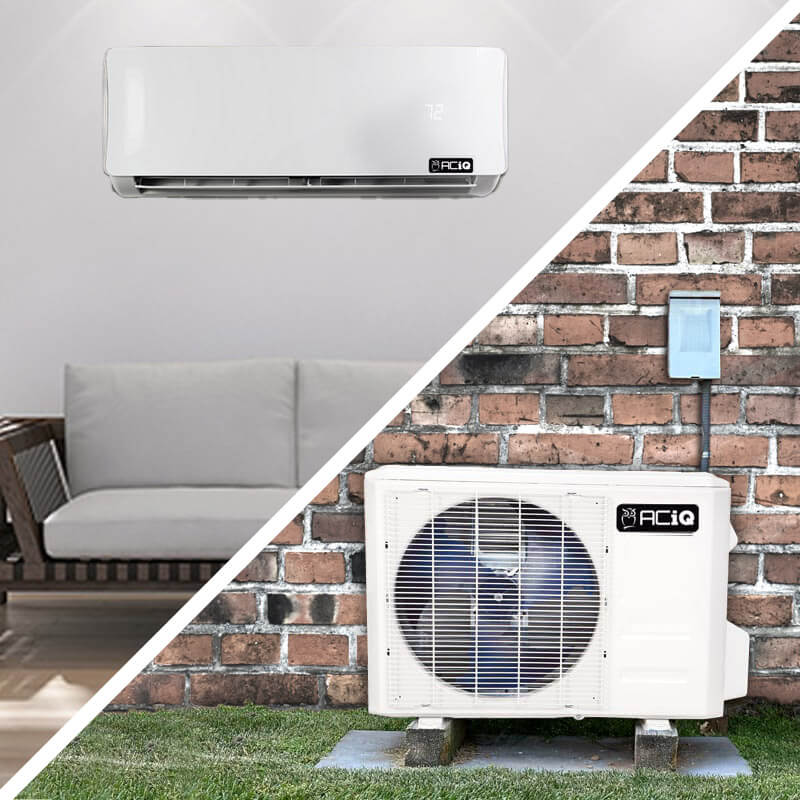


ACiQ mini split systems deliver reliable comfort and energy efficiency for any space. They are built to heat and cool with precision so every room feels just right. Quiet operation keeps your home peaceful, and high efficiency helps lower utility bills without sacrificing performance.
ACiQ also has models designed for different lifestyles and budgets. The ACiQ Essentials series is a smart, budget-friendly choice for everyday comfort, while the ACiQ Extreme series pushes performance further with dependable comfort in a wider range of temperatures. With modern controls, durable construction, and strong warranties, ACiQ makes it easy to choose the right system for your needs.






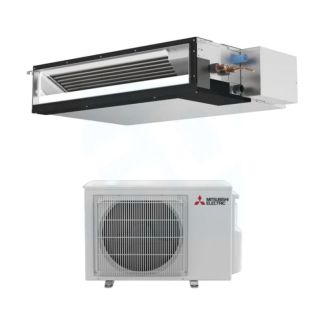
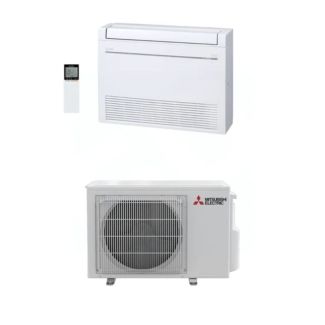
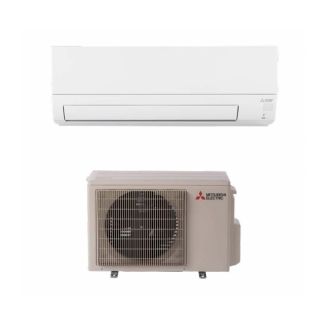
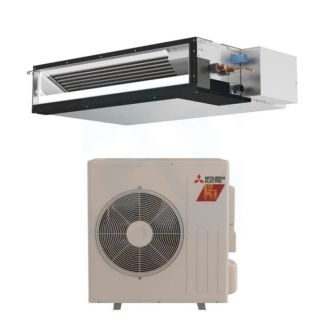
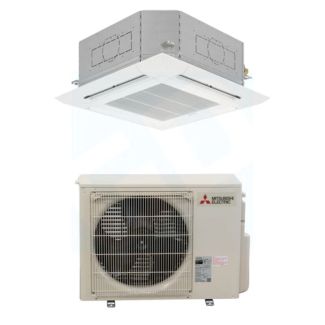
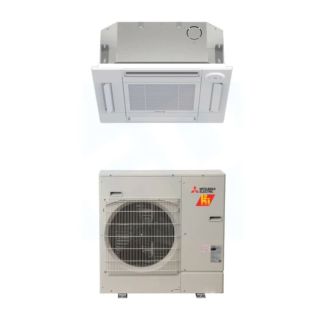
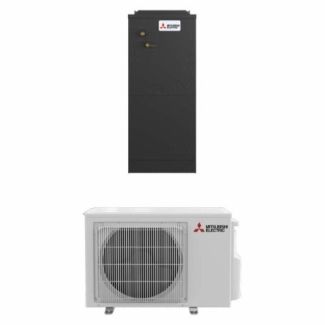
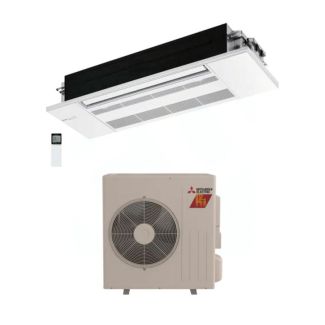


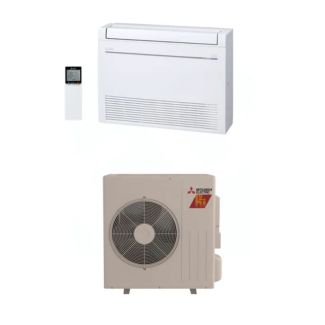

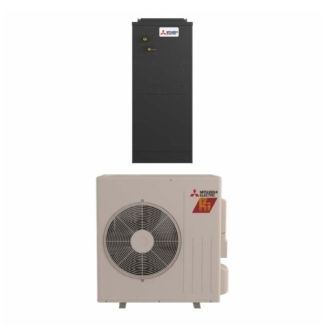
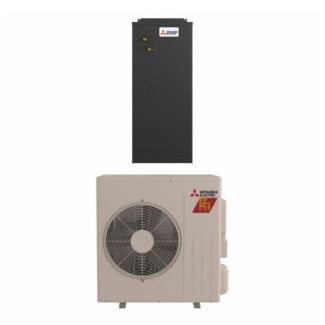

A 12,000 BTU mini split system is a ductless heating and cooling unit designed to condition a single room or zone. These systems include an indoor air‑handling unit and an outdoor condenser and need little to no traditional ductwork. A 12,000 BTU rating refers to the unit’s cooling capacity, which is roughly equivalent to 1 ton of cooling output.
These systems work by transferring heat between indoor and outdoor units via refrigerant lines. Most modern 1 ton units use a highly efficient variable-speed compressor that automatically adjusts output for better efficiency and comfort, although some standard or budget-friendly models still use fixed-speed compressors that cycle fully on and off during operation.
The ideal spaces for 12k BTU mini split systems are small- to medium-sized rooms, typically 400 to 600 square feet. Each room type below presents unique temperature challenges that a 12,000 BTU system can handle effectively.
Bedrooms: 12,000 BTU mini splits are highly efficient and operate quietly, making them ideal for keeping bedrooms cool while you sleep year-round since many people prefer to keep their bedroom at cooler temperatures when sleeping.
Living Rooms: These units work well in smaller living rooms where TVs, windows, and daily activity create heat throughout the day. A 12k mini split helps maintain temperatures and can also support comfort when rooms are used for gatherings, which may produce even more heat.
Home Offices: For home offices that run computers, monitors, printers, and other electronics throughout the workday, these mini splits help offset excess heat buildup while providing consistent temperature control. Their variable-speed operation is especially useful for maintaining comfort during long working hours, while keeping noise levels low for calls and meetings.
Add-Ons or Renovations: These mini split systems are a great solution for adding heat or air conditioning to smaller spaces without existing ductwork, including single car garages, small basements, and attics, since these spaces are not typically connected to the old central system you might have and your system might not have enough BTU capacity to condition additional spaces.
Small Commercial Spaces: These systems are commonly used in small offices, salons, and storefront sections that need dedicated climate control during business hours. They provide enough capacity for moderate foot traffic and equipment loads without oversizing the space.
While a 12k system is great for many spaces, factors like high ceilings, large windows, or harsh outdoor temperatures can increase the cooling load beyond what the unit was designed to handle. In these instances, you may need to size up to a larger capacity unit or address potential insulation issues before installation.
Yes, 12,000 BTU mini splits are energy-efficient and many achieve SEER2 ratings, which measure an air conditioner or heat pump's cooling efficiency over a typical season, of 17 to 25. These systems also automatically adjust their output as temperatures change, avoid wasting energy through ductwork, and let homeowners heat or cool only the rooms being used.
If you need a low budget option or a mini split for short-term use, a SEER2 rating closer to 17 will work. A mid-range SEER2 rating, around 20, is usually the best value for its cost. A high SEER2 of 25 is necessary for harsh climates and often the most energy-efficient if you have the money to invest initially.
A 12k BTU mini split system typically consumes between 500 and 1,500 watts per hour, averaging around 900 to 1,000 watts during active cooling. However, power usage is highly variable based on factors like SEER rating, climate, home insulation, and whether the unit has inverter technology. Inverter technology dynamically adjusts compressor speed rather than switching completely on and off, allowing a 12,000 BTU unit to drop its power consumption to as low as 100 to 300 watts once the room reaches the target temperature.
These systems typically require a 110V to 120V or 220V to 240V circuit, usually with a 15- to 25-amp breaker, and 12/2 or 14/2 gauge wire. Exact electrical requirements will vary by model, but here are the typical specifications:
Voltage: 12,000 BTU mini splits require a dedicated circuit, commonly 115V to 120V or 220V to 240V. While smaller units often run on 110V/120V, higher-efficiency 12,000 BTU units may use 220V/240V for improved efficiency. Most installations also require an outdoor disconnect box mounted near the condenser to safely shut off power during servicing.
Amperage/Breaker Size: 12,000 BTU mini splits most often use a 15- or 25-amp breaker. A licensed electrician will check your unit’s specifications to confirm the correct breaker size during installation.
Wire Gauge: Most of these systems use 12/2 or 14/2 gauge wire, but ultimately the wire size depends on the breaker size, voltage requirements, wire run length, and local electrical codes. Outdoor wiring is commonly protected with a weatherproof electrical whip between the disconnect box and condenser unit.
These mini split systems have different electrical requirements, including Minimum Circuit Ampacity (MCA) and Maximum Overcurrent Protection (MOP), listed on the unit’s nameplate that you should always check and follow. Ensure all electrical work is handled by a licensed professional, even if you are DIYing the mini split install.
Yes, installing a 12,000 BTU mini split can be either a DIY project or professionally installed, depending on the system type and the homeowner’s experience with electrical work, refrigerant handling, and mounting requirements.
12,000 BTU Mini Split DIY Installation: Some brands offer DIY versions of these systems with pre-charged refrigerant lines that do not require specialized vacuum pumps or refrigerant-handling certifications. Other DIY considerations are the installer’s comfort with line set or communication cable connection and drainage work.
12,000 BTU Mini Split Professional Installation: Professional installation greatly reduces the amount of technical work homeowners need to handle themselves. Licensed HVAC technicians typically obtain the required permits, install and pressure-test the refrigerant line sets, evacuate the system with a vacuum pump, and ensure the unit is properly charged and operating within manufacturer specifications. Professional installation can also help protect warranty coverage.
Mechanical HVAC handling permits and electrical permits are almost always required when installing 12k BTU mini splits. Be sure to check your local regulations before starting your installation.
These systems usually cost between $560 and $5,400, including equipment and installation.
Equipment Cost: $560 to $2,400, depending on brand, efficiency, and heating capabilities.
Installation and Labor Cost: $1,000 to $3,000 added for installation and labor costs. If you install the mini split yourself, there are no labor costs, but the project will require dedicated time.
Operation and Maintenance Cost: $25 to $75/month, depending on the unit’s efficiency, local electricity rates, and the climate the unit is operating in. Maintenance costs are minimal due to the unit’s washable filters, self-cleaning features, and the cleaning you can do yourself.
These systems have additional costs, including required permit costs which vary by city and state, but usually range from $150 to $300, though they can reach $1,500. If you DIY the install, you may also need to purchase critical accessories like wall sleeves, line set covers, or mounting hardware, which can add another $50 to $200 to your spending if they are not included with the system.
12,000 BTU mini splits offer one of the widest selections of indoor unit styles, including wall mounted, ceiling cassette, floor mounted, ceiling suspended, and concealed duct.
Wall Mounted: Wall mounted air handlers are the most popular choice for 1 ton mini splits because they sit high on the wall, keeping them out of the way in bedrooms, offices, garages, and other rooms where floor and wall space matter. Since these systems are commonly used to heat and cool a single room, wall mounted units are popular for their strong airflow, simple installation, lower cost, and wide availability across almost every major mini split brand.
Ceiling Cassette: Ceiling cassette units tuck into the ceiling, distribute air in multiple directions, and are perfect for a more discreet look. A 12,000 BTU cassette is perfect for open‑concept rooms or areas with limited wall space. Because they blow air 360 degrees, they help eliminate hot and cold spots more effectively than single‑direction wall units. They do require ceiling access, so they’re best for homes with attic space or drop ceilings.
Floor Mounted: Floor mounted mini split units resemble low-profile radiators and are great for rooms with sloped ceilings, limited wall space, or large windows. A 12,000 BTU floor unit can be installed near the base of a wall, making it a smart choice for sunrooms, attic conversions, or older homes where wall mounting isn’t practical. They also heat very efficiently because warm air rises naturally from the floor.
Ceiling Suspended: For large rooms where wall or ceiling cassette installation is not ideal, ceiling‑suspended units offer a powerful alternative. These systems hang from the ceiling and push air across the room with strong, wide airflow.
Concealed Duct: Concealed ducted air handlers hide entirely within the ceiling, offering the most seamless, built‑in look. A 12,000 BTU ducted unit can serve one room or be connected to short duct runs to condition two small adjacent spaces. This style is perfect for homeowners who want mini split efficiency without visible equipment. It does require a more complex installation, but it may be worth it for the aesthetic results.
With so many indoor unit styles available, a 1 ton mini split makes it easy to balance comfort, efficiency, and design. That flexibility is a big reason homeowners gravitate toward this size.

For this unit, aim for a SEER2 rating between 18 and 22. Efficiency is largely based on where you are located, what the climate is, and what your needs are. Higher efficiency ratings of 22 to 25 are best for extreme climates and spaces where you are running the system often. In these cases, you will pay more for equipment but less for usage over time. Units with lower SEER ratings of 16 to 18 are the opposite: a cheaper purchase price, but not as efficient.
Almost all 12,000 BTU mini split systems can both heat and cool because they’re built as heat pumps, not just air conditioners. However, cooling only models are available so you can choose a system that best fits your needs. One of the biggest advantages of a 12,000 BTU mini split is that you can choose either a cooling-only system or a heat pump model that provides both heating and cooling, unlike most window units or portable ACs.
For a 12,000 BTU mini split, you should look for an HSPF2 rating of 9.0 to 10.5 or higher for optimal energy savings. While a minimum compliance of 8.5 is required, higher ratings offer greater efficiency, particularly for heating-dependent climates.
Whether you need a DIY or standard system depends on your budget, installation experience, and whether you want to handle parts of the project yourself or have everything professionally installed. Choose a DIY system if you are handy, want to save labor costs, and want to install it on your own timetable. Choose a standard system if you prefer professional installation, better long-term reliability, and potentially a better warranty.
Yes, this system is the same as a 1 ton mini split because one ton of cooling capacity is defined as the ability to remove 12,000 BTUs of heat per hour. Both terms refer to a unit designed to cool or heat a space, typically covering 400 to 600 square feet.
Top-tier 12k BTU mini split brands known for reliability, high efficiency, and superior performance include ACiQ, Mitsubishi, Daikin, and LG. For homeowners looking for DIY-friendly options, Stealth and MRCOOL offer these systems designed for easier installation while still providing strong performance and energy efficiency.
12,000 BTU mini splits typically last a long time, with an average lifespan of 15 to 20 years. With proper maintenance, some units can even last up to 25 years. Their longevity depends heavily on quality installation, regular cleaning of air filters, and professional, annual maintenance.
Yes, most 12,000 BTU mini split systems are designed as heat pumps, providing both efficient heating and cooling for spaces up to 600 square feet. These systems use a reversing valve that allows the refrigeration cycle to switch directions, enabling the same unit to either remove heat from the room or bring heat indoors depending on the season.
Yes, some 12k BTU mini split models can dehumidify, especially in "Dry Mode," which runs the compressor and fan at low speeds to maximize moisture removal. While these systems can handle moderate humidity, they are not a replacement for a dedicated dehumidifier in very humid spaces since they can’t keep up with too much moisture and may leave the room feeling cooler than intended.