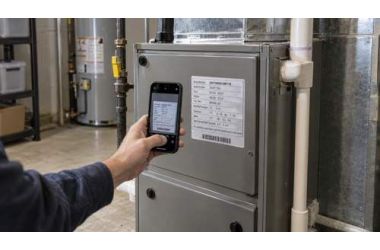
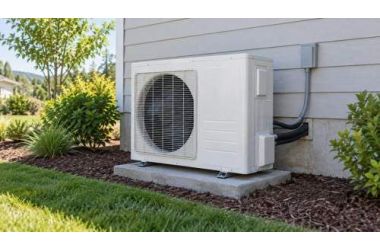
These days you have plenty of choices when it comes to your home heating systems. Choosing a system that uses the fuel that's right for you, can save you time and money. The two most common choices for furnaces are either electric or gas powered. Which one is best, and which is right for you? Here's everything that you need to know.
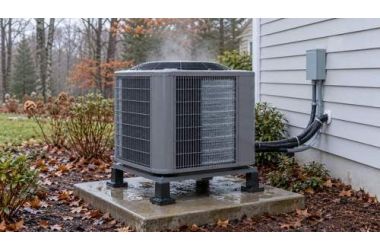
A condenser heat pump and a furnace are two very common options for HVAC systems. As with other HVAC components, the core functionality of both units is to ensure that your home is at a comfortable temperature regardless of the weather outside.
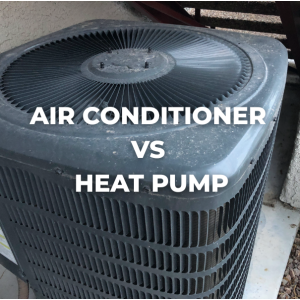
Ready to upgrade your home’s HVAC? This guide breaks down how air conditioners and heat pumps work, walks through their installation and operating costs, and shows which system performs best in cold, mild, or warm climates—so you can pick the most efficient solution for your comfort and budget.
Despite their name, heat pumps do more than just heat your home. They also offer humidity control and air conditioning as well. Throughout the heating season, this device moves heat from the outdoors into your home to warm it and then transfers heat from your home to the outdoors throughout the cooling season.
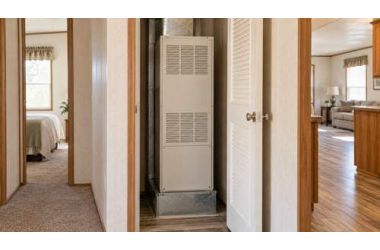
Up-flow and down-flow; these descriptive words identify the direction air moves through a furnace and how that furnace is configured in the space it occupies. The location of the furnace within your home determines whether the best choice is up-flow or down-flow furnaces.
If you live in a state where the winters are severe, then a furnace will undoubtedly be the best heating solution for you. There are many unique advantages offered by a furnace that you simply won’t find with other systems designed for more temperate climates.
Everybody enjoys a cool home during the summertime heat. Unfortunately, not everybody can install central air-conditioning, and numerous people use window units. However, some places in the home aren't fit for window ACs.
The latest figures from the United States Department of Energy indicate that the average American household spends more than $100 a month on heating and cooling. Given that this expense is unavoidable, it is certainly important to choose a method of heating what is efficient and gives you maximum value for your money. In this article, we will take you through some of the criteria you should consider before deciding on the best heating system for your house.
The winter season is rapidly approaching and many home and business owners are preparing for the cold and ice. In fact, if you have a furnace for property warmth – now is the right time to have it checked. If your unit is no longer effectively heating your home or business, Goodman furnaces are perfect for replacements or upgrades.
There is something to be said about good companies that still make great, reliable products. Goodman is one of those companies. In 1997, Goodman purchased Amana so the appliances are manufactured in the same plant in Houston, Texas. Goodman Manufacturing is also now a subsidiary of the Daikin Group, the world's largest manufacturer of heating, ventilation and air conditioning products and systems.
A refrigerant charges a pre-charged air conditioning system, which doesn't need extra services for adding refrigerant. The cooling system cools air that circulates throughout your home. Bear in mind that the installation of the system requires licensed experts, for instance, HVAC technicians.
These units eradicate the need for eliminating air from the unit by producing a vacuum, joining the metal components together and charging the system through the addition of refrigerant. The refrigerant is in the units, which don't have leaks.
How to buy a furnace is a question that has been asked by many homeowners over the years. While the answer depends on your specific needs and goals, there are some constants that can truly help you make a worthwhile decision. This includes cost and value, along with whether you want to repair your existing unit – or buy a new furnace online.
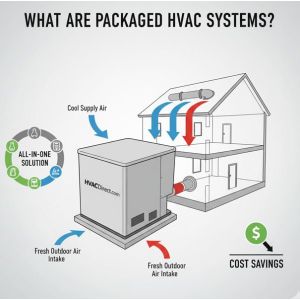
Air conditioning is a comfort for some homes and a necessity for others. As the days grow hotter, it is definitely a better feeling to be in an air-conditioned home than to be scrambling for ways to keep yourself cool. Most people do not give a lot of thought to air conditioning systems until they are direly needed and then choose whatever they can find to cool their home. An air conditioning system can be a major upgrade that adds to the value of your home so it pays to educate yourself on the types of air conditioning systems available before the hottest days of the year arrive. Air conditioning systems come in two varieties, a split air conditioning system where the air conditioning condenser and evaporator coils are housed in two different areas, and a packaged unit where the entire air conditioner is contained in one place.
Need a new central air conditioning system for your home but not sure where to start? We've created this central air conditioning buying guide as an unbiased how-to guide to assist homeowners just like yourself in making the best choice when selecting a new central AC system for your home.
When it’s time to purchase a new AC system, take these SMART steps! SMART purchase decisions help ensure you’ll get the best system that meets your needs and budget.
When searching for a new heating or cooling system, there are many different types of equipment for home and business owners to select. One economic choice which is well-suited for most residential and commercial applications is a packaged unit.
When sizing air conditioners, be careful not to make the mistake of getting one that is too large. If the system you install is too large for the space, it will short cycle. In other words, the compressor will not run long enough to dehumidify the space and will limit your comfort.
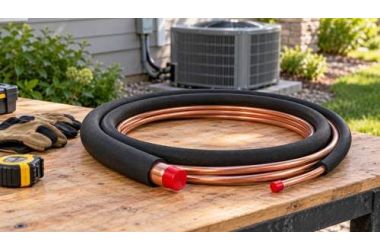
Learn when to replace a refrigerant line set with new AC or heat-pump equipment, what can permit reuse, and how size, condition, refrigerant, and access affect the decision.
Plan a mobile-home furnace replacement with checks for manufactured-home approval, cabinet fit, downflow connections, gas or electric supply, and cooling compatibility.