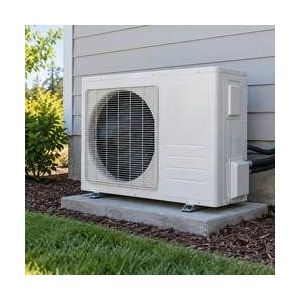
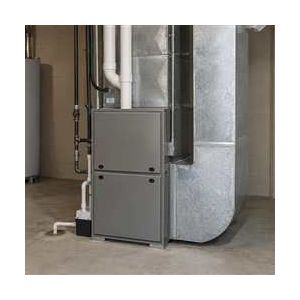
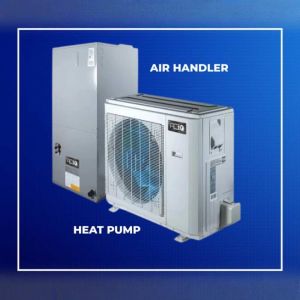
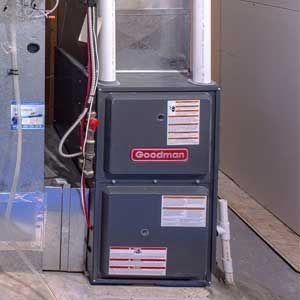
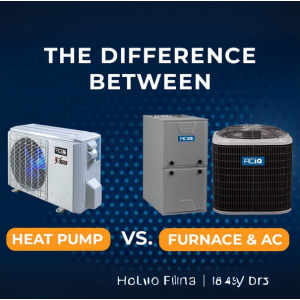
Considering an HVAC upgrade? Our in-depth guide breaks down the key differences between a versatile heat pump and the familiar AC-plus-furnace setup. Explore how each system performs across climates, compare upfront and long-term costs, and learn about federal, state, and utility incentives—so you can choose the most efficient, cost-effective comfort solution for your home.
Discover expert tips in our ultimate guide to selecting the perfect furnace for your home. Learn about types, efficiency, and features to ensure optimal comfort and savings on your heating needs.
Discover practical energy-saving tips to lower heating costs with your furnace. Learn how maintenance, smart thermostat settings, and efficient upgrades can help you save money while keeping your home warm and comfortable.
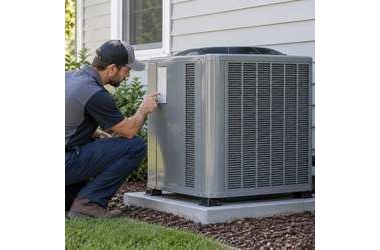
Choosing between a heat pump and a furnace and air conditioning unit requires understanding their distinct heating and cooling methods, which impact energy efficiency and climate suitability. Knowing these differences will help you select the best option for your home.
The best heating and cooling system for your home should be selected based on factors such as home size, climate, and budget considerations. Our guide simplifies this decision-making process by offering expert insights and recommendations tailored to your needs.
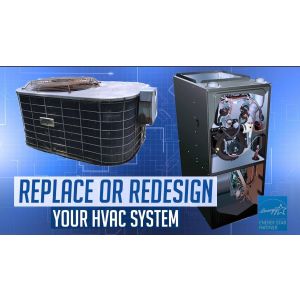
Dual fuel HVAC systems combine an electric heat pump with a traditional gas furnace to deliver the most energy‑efficient home heating and cooling solution. By automatically switching to the gas unit when outdoor temperatures drop below the balance point, they ensure reliable warmth while optimizing energy costs in cold climates.
Simply take your shopping list of your system needs and use those specifications to filter down to the right HVAC system for your home. Start by going to the top navigation, selecting the type of equipment you are looking for.
Buying your heating and cooling system online saves you money – and you don’t have to be an HVAC expert to do it! We’ll walk you through how to determine what to shop for to replace your home HVAC system.
The first steps in the buying process are all about determining “what” you need to buy, since most likely you are not a heating and cooling expert.
In this video, we’ll ask you a series of questions to determine what you need. We recommend you write down the answers to these questions so at the end you’ll have an easy list and description of how to buy your new heating and cooling system.
Blower motors are a crucial part of every furnace. Before you purchase your next furnace it is important to understand the different types of blower motors and how they affect you.
If replacing your home or business air conditioning system ranks high on your to-do list, you should know the basics of the AC process beforehand. If you don't know what to look or ask for, you could spend thousands of dollars unnecessarily on equipment, installation and energy.
You needn't rate as an expert in the subject, but a familiarity with the basics of an HVAC system can go a long way in matching your home to the type of air conditioning that suits it best. To help, we've provided an Air Conditioning for Beginner's guide.
Here's what you need to know:
SEER is the efficiency rating for heat pumps and air conditioners. In this video we'll review what it means for you, regarding your energy bills and how it affects the purchase and performance of your home HVAC system.
As a homeowner, there is a lot to consider when making a decision on a new air conditioner or heat pump cooling system. One of the most important factors in purchasing an HVAC system is energy efficiency. And that's where SEER comes in.
In this video, we will explain the different features of a Packaged or Rooftop HVAC system and why you might need one, all available at HVACDirect.com.
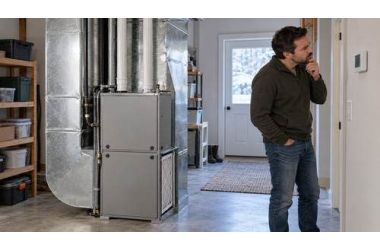
Deciding which type of furnace you need to warm up your home is an important decision. Not only do you need a furnace that is the right size and within your budget, but also something that uses a fuel source that you prefer. In many modern homes, central heating units that run on natural gas are the most popular.
Climate control is necessary for a comfortable environment in any home, and we largely achieve this climate control through HVAC systems that cater to our heating and air conditioning needs.
When it comes to heating and cooling of a building, there are a number of options available, but today we want to focus on furnaces and heat pumps, how they operate, and which operating conditions they are each best suited for.
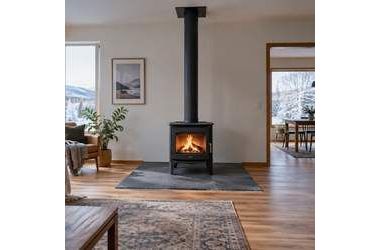
With the cold season necessitating an effective way to keep your house warm, you need to decide which heating system is right for you. Heating options range from gas furnaces, electric furnaces, wood furnaces, and coal furnaces.
The wide variety of options available can confound some homeowners, and in truth, no one heating solution fits all situations.
These days you have plenty of choices when it comes to your home heating systems. Choosing a system that uses the fuel that's right for you, can save you time and money. The two most common choices for furnaces are either electric or gas powered. Which one is best, and which is right for you? Here's everything that you need to know.
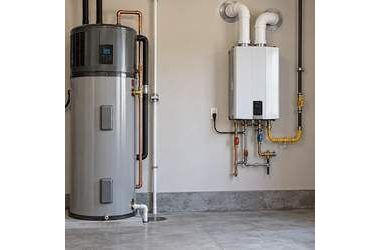
Compare heat pump and tankless water heaters by efficiency, hot-water capacity, installation requirements, and operating cost to find the best fit for your home.