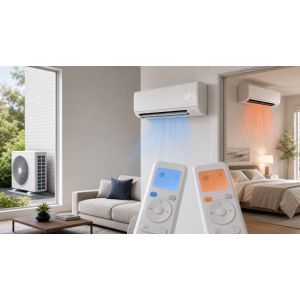
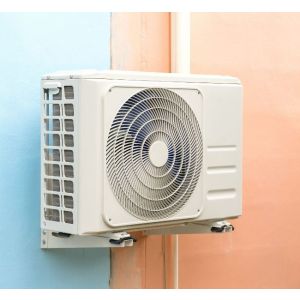
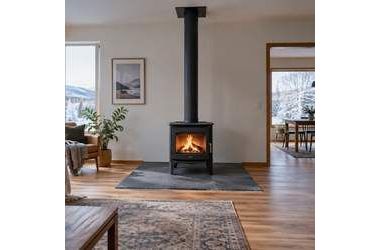
If your mini split is not heating, check Heat mode, the setpoint, startup delay, defrost operation, filters, outdoor airflow, and multi-zone settings before requesting service.
Midea PC 00 indicates outdoor IPM malfunction or IGBT overcurrent protection on applicable inverter systems. Learn the safe external checks, how PC 00 differs from PC 04, and when professional diagnosis is required.
Midea EH 60 usually indicates an open or short circuit in the indoor T1 room-temperature sensor circuit. Learn what the code means, which checks are homeowner-safe, and when to call a qualified HVAC technician.
A Midea LP display is model-specific: it may be discussed with multi-zone conflicts, while many Midea manuals use LP or PC0L for low-temperature protection. Learn how to identify the exact condition, synchronize indoor-unit modes, reset the system safely, and know when professional diagnosis is required.
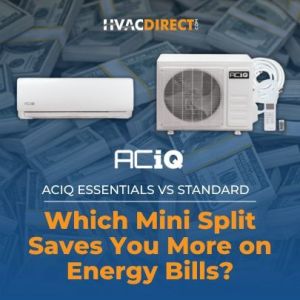
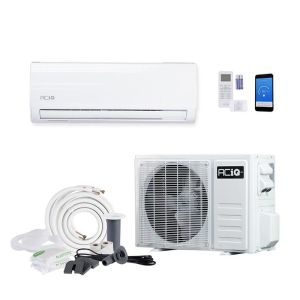
Not all mini splits save you the same amount on energy bills. The ACiQ Standard and Essentials lines are both efficient upgrades from central air, but their SEER2 ratings tell a different story. Find out which system saves you more every month and whether upgrading to the Standard is worth it for your home.
Stealth Solar Mini Splits offer a smarter way to stay warm during winter by combining advanced heat pump technology with solar-ready power. These innovative systems can switch between solar and grid electricity to reduce energy costs, maintain comfort in cold temperatures, and even keep running during power outages. In this guide, we’ll explore how solar mini splits perform in winter and why they’re becoming a top choice for energy-conscious homeowners.
Stealth Solar Mini Splits combine renewable solar power with traditional electricity to deliver efficient, quiet, and eco-friendly heating and cooling. With SEER2 ratings up to 22.5 and operation down to 5°F, these hybrid systems cut energy bills, reduce carbon footprint, and provide smart Wi-Fi control for complete comfort—on or off the grid.
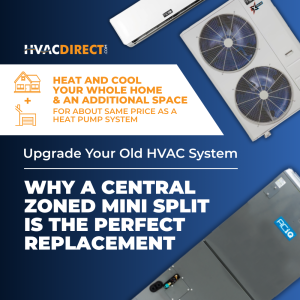
Upgrading from an old central AC system? A central zoned mini split is the smart replacement that combines the familiar comfort of ducted air with the flexibility of ductless zones. With one powerful outdoor unit, you can heat and cool your main living areas plus add independent comfort to garages, attics, and sunrooms without costly ductwork. High-efficiency inverter technology cuts energy bills while giving you precise temperature control in every zone. Discover why a central zoned mini split is the perfect whole-home solution.
Is your Midea mini split showing a strange code? Don’t panic—many issues are simple and can be fixed without a technician. Below is a clear list of what each code means, along with easy steps you can try yourself before contacting a pro.
Learn how to accurately size Mini Split HVAC system for any zone or space with our comprehensive guide.Choosing the right mini split system size is crucial for maintaining comfort and energy efficiency in your home or commercial space for the long-term. Many homeowners worry about the potential issues caused by over-sizing or under-sizing their mini split system, especially since these systems are designed to heat and cool individual rooms without relying on whole-house ducting.
Discover the top split systems of 2025 with our comprehensive guide. Explore the best models, their features, and benefits to find the perfect HVAC solution for your home. Make an informed decision with our expert reviews and comparisons.
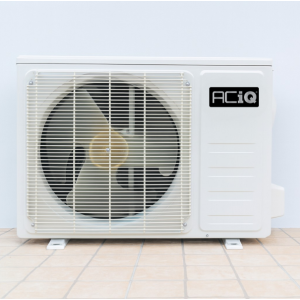
ACiQ mini splits are an excellent choice for older homes, offering efficient heating and cooling without the need for costly renovations. These systems are easy to install and can be customized to fit your home's unique layout. Discover how an ACiQ mini split can enhance your comfort while saving you time and money.
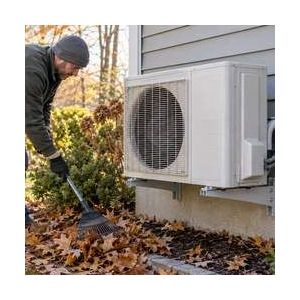
Proper maintenance is key to extending the life of your mini split system. Regular care ensures it runs efficiently, saving you money on repairs and energy costs. Follow these essential maintenance tips to keep your system performing at its best for years to come.
Get your HVAC system ready for winter with our essential tips. Ensure your home stays cozy by understanding how different HVAC systems, such as mini splits, provide efficient heating. Don't let the cold catch you off guard—start your preparations now.
Wondering how many square feet a mini split can cool? Discover the factors influencing its cooling capacity, from room size to insulation quality, and ensure optimal comfort in your space. Learn more about selecting the right mini split for your needs.
Mini split systems are becoming increasingly popular for their efficiency and flexibility, yet several myths persist about their performance and functionality. Let's debunk some of the most common misconceptions surrounding these innovative HVAC solutions.
MRCOOL is one of the top low cost micro split brand names. These tiny split units are renowned for their heating and cooling capacities as well as their ease of installation, particularly in DIY systems. Learn more about why MRCOOL mini split systems are one of the best brands for heating and cooling your home.
When it comes to quality and dependability, a Mitsubishi mini split is regarded as the best in the business. If properly looked for and maintained, the life expectancy of a Mitsubishi mini split is frequently greater than 20 years. Learn more.
Ductless mini splits are revolutionizing home comfort—quiet, energy‑efficient, and fully duct‑free—making them the go‑to solution for both new builds and home upgrades. With customizable, zone‑by‑zone control and expert support from HVACDirect.com, it’s never been easier to find the perfect system for your space.
When choosing a heating and cooling solution, homeowners commonly consider two primary options: ducted HVAC systems and ductless mini splits. This decision significantly impacts comfort, upfront investment, and monthly utility costs. Since HVAC systems represent one of the largest expenses homeowners face, it’s crucial to understand how a ductless mini split" affects your electric bill.
If you’re considering installing a mini split versus central air or a full HVAC system, then life expectancy is a major concern. No one wants the expense of early replacement, no matter what system you choose.
Fortunately, mini split systems have a life expectancy comparable to an HVAC unit. But the more you know upfront, the easier your decision will be when you’re ready to purchase.
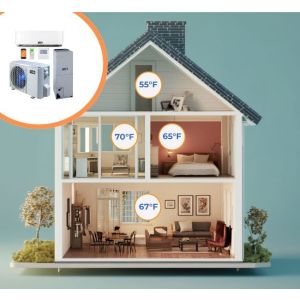
When choosing a mini split system, it’s important to consider your home’s size, layout, and comfort needs. Mini splits are ideal for smaller homes, additions, or individual rooms, offering zoned temperature control and energy savings without the need for ductwork. For larger homes, you’ll want to weigh the cost of multiple units against a central HVAC system. Think about how many zones you need, whether you want to heat and cool specific areas independently, and how much you value efficiency and flexibility. The right mini split can deliver customized comfort while reducing energy bills year-round.
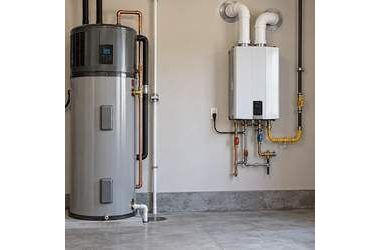
Compare heat pump and tankless water heaters by efficiency, hot-water capacity, installation requirements, and operating cost to find the best fit for your home.