ACiQ cabinet wall-mounted exhaust fans are engineered for commercial, industrial, and agricultural spaces that demand powerful airflow, energy efficiency, and low-maintenance operation. This buying guide breaks down how these direct-drive, high-CFM ventilation systems work, how they compare to belt-driven alternatives, and how to choose the right voltage and configuration for your facility’s electrical setup and airflow requirements.
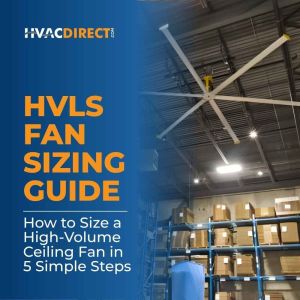
Proper HVLS fan sizing is the key to efficient cooling in large commercial or industrial spaces. This step-by-step guide explains how to calculate CFM requirements, match fan diameter to your facility size, and ensure consistent, energy-saving airflow year-round. Whether you manage a warehouse, gym, or manufacturing floor, learn how to choose the best high-volume ceiling fan to improve comfort and reduce HVAC costs.
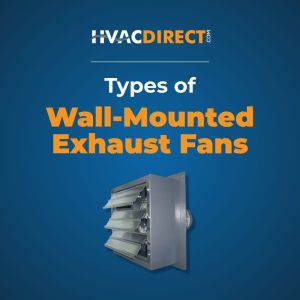
Wall-mounted exhaust fans effectively remove stale air, humidity, and odors, improving indoor air quality in commercial, industrial, and agricultural settings. These fans are easy to install and provide reliable ventilation by expelling unwanted air through an external vent. Learn more about their benefits and applications.
Roof exhaust fans help improve ventilation by removing hot air and moisture, preventing issues like mold and wood rot. They enhance airflow efficiency, making them a valuable addition to commercial and industrial spaces—explore their benefits to see how they can improve your environment.
HVLS fans, or High Volume Low Speed fans, efficiently move large volumes of air in commercial and industrial spaces, improving comfort and reducing energy costs. Ideal for warehouses, gyms, and manufacturing facilities, they provide consistent airflow over wide areas—making them worth considering for enhanced efficiency.
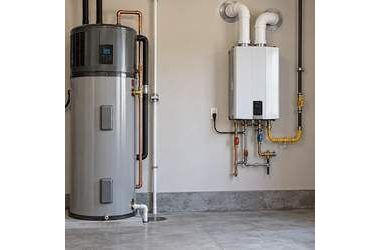
Compare heat pump and tankless water heaters by efficiency, hot-water capacity, installation requirements, and operating cost to find the best fit for your home.